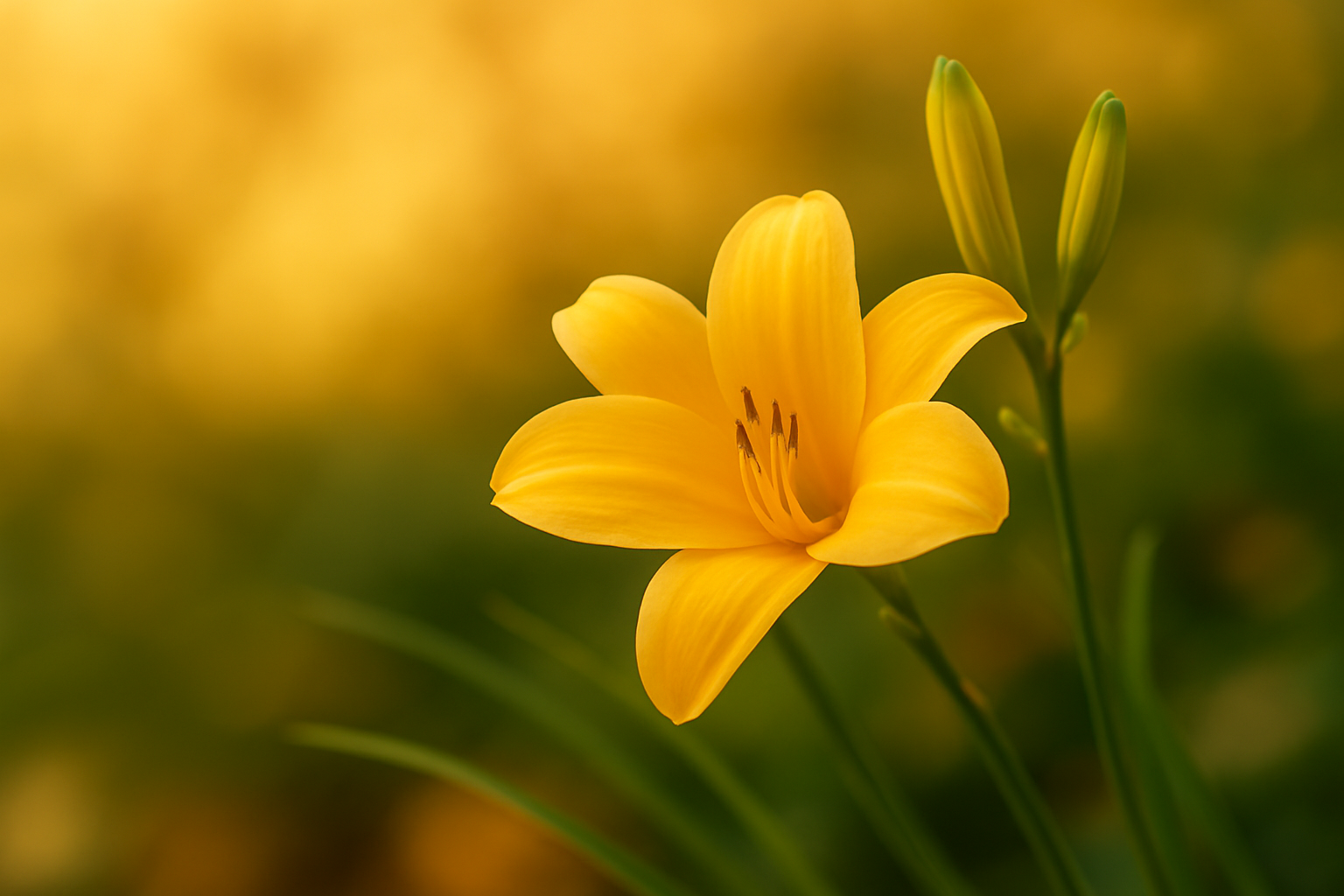
Daylilies are some of the most beloved perennials worldwide. With trumpet-shaped blooms that last only a day but arrive in succession, these plants embody joy, resilience, and renewal. Beyond their ornamental beauty, daylilies have a rich history in cuisine and herbal medicine.
Learn how to grow, harvest, and benefit from daylilies while keeping your garden vibrant and balanced.
Botanical Overview
- Family: Asphodelaceae
- Scientific Name: Hemerocallis spp.
- Common Names: Daylily, Orange Lily, Tawny Daylily
- Plant Type: Herbaceous perennial
- Bloom Time: June – August (reblooming hybrids can extend into fall)
- USDA Hardiness Zones: 3–9
Appearance & Garden Value
- Foliage: Arching, grass-like leaves forming dense clumps.
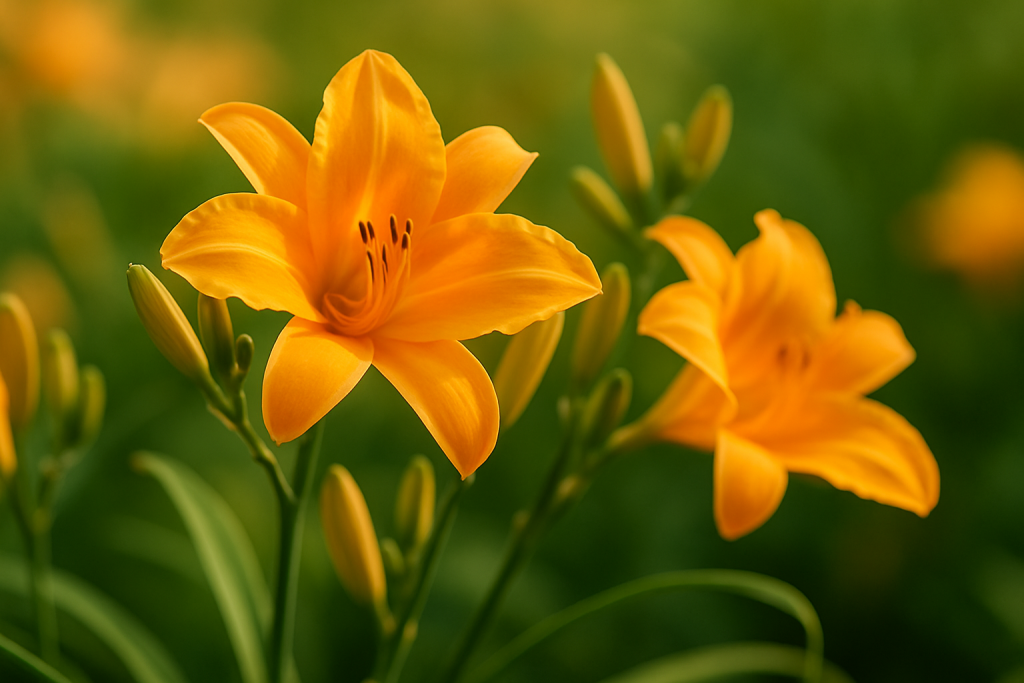
- Flowers: Large, trumpet-shaped, in orange, yellow, red, pink, or bi-color forms.
- Each flower lasts only one day, but abundant buds provide continuous blooms.
- Highly adaptable, low-maintenance, and drought-tolerant.
- A cultural symbol of motherly love and the letting go of worries.
Cultivation & Care
- Light: Full sun (6+ hrs); tolerates partial shade.
- Soil: Loamy, fertile, well-drained soil.
- Watering: Deep watering once per week during bloom.
- Tips:
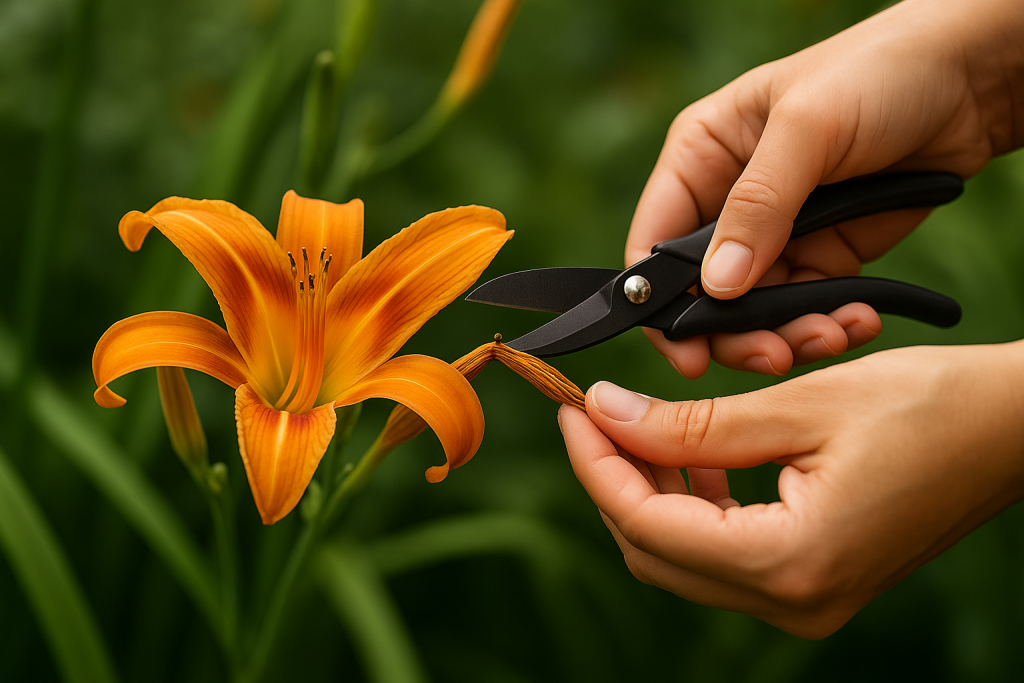
- Deadhead daily to encourage more flowers.
- Divide clumps every 3–4 years to rejuvenate growth.
- Mulch to retain soil moisture and suppress weeds.
Culinary & Medicinal Uses
- Edible Flowers: The buds of Hemerocallis fulva (“golden needles”) are used in soups and stir-fries in Asian cuisine.
- Nutritional Value: High in vitamin C, carotenoids, antioxidants, and dietary fiber.
- Traditional Chinese Medicine: Flowers and roots are used for detoxification, diuretic effects, and calming the mind.
- Healing Associations: Known as a natural mood stabilizer, daylilies have been linked to relieving insomnia and easing stress.
Potential Drawbacks
- Not all species are edible → Only specific varieties (e.g., H. fulva) are safe.
- Raw consumption may cause nausea or diarrhea. Always cook before eating.
- Toxic to cats → Ingestion can cause kidney failure. Keep away from pets.
- Can spread aggressively in moist conditions.
Common Pests & Diseases
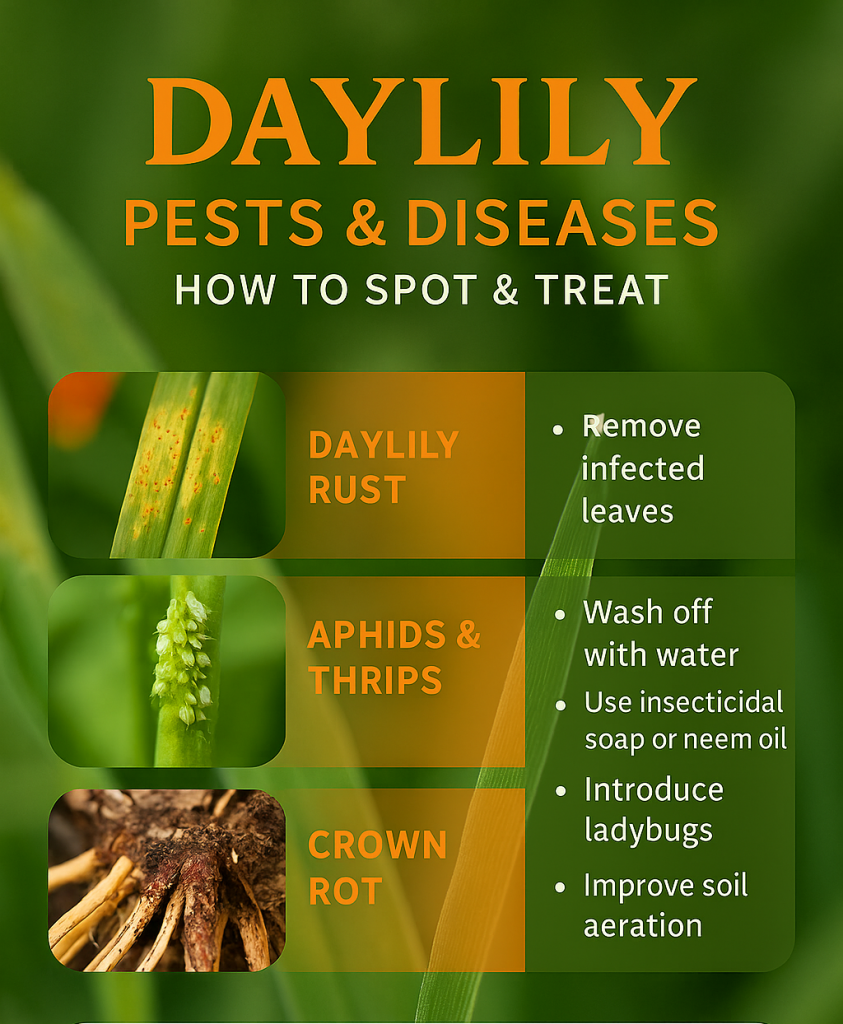
- Daylily Rust → Yellow-orange spots on leaves. Control with fungicides and resistant cultivars.
- Aphids & Thrips → Sap-sucking insects that deform buds. Wash off or introduce ladybugs.
- Crown Rot → Caused by poor drainage; improve soil aeration.
Regional Care Tips
- Cold Climates (Zones 3–5): Mulch heavily in fall; choose hardy cultivars.
- Temperate Climates (Zones 6–8): Reblooming hybrids thrive with consistent deadheading.
- Hot Climates (Zones 8–9): Provide afternoon shade and increase watering during extreme heat.
FAQ
Q: Are daylilies edible?
A: Yes, but only certain species like H. fulva. Always cook before eating.
Q: Are daylilies safe for pets?
A: No. They are toxic to cats and may cause kidney failure. Dogs are less affected but should avoid them.
Q: How long does each flower last?
A: Just one day, but plants produce many buds, creating weeks of color.
Daylilies remind us of life’s fleeting beauty: each flower blooms for just a day, yet the plant thrives for decades. They bring nourishment to the body, calm to the mind, and resilience to the garden.
CTA
👉 Save this guide for your perennial garden.
👉 Follow Greenmuse for more healing plant wisdom.
👉 [Download the FREE Printable Daylily Care Guide PDF]
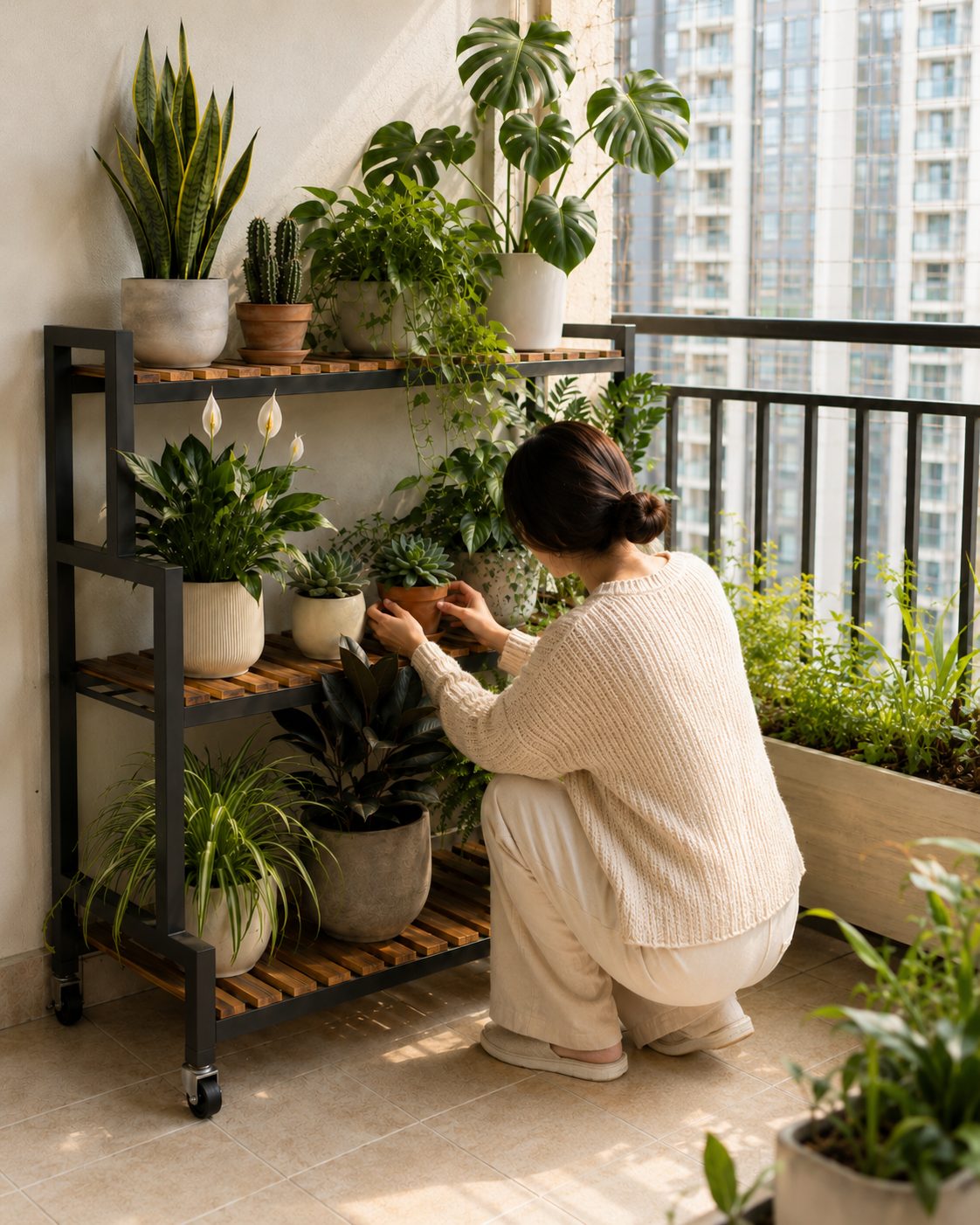
Clara Moss is the gardener behind Greenmuse. Over the past 10+ years, she has grown herbs on windowsills, tested cactus and succulent soil mixes, rescued struggling houseplants, and learned many lessons through trial and error. Greenmuse is where she shares honest, practical plant care advice for real homes — based on hands-on experience, not perfect greenhouse conditions. When she’s not writing, Clara is usually propagating succulents or trying to keep a calathea happy.