Quick Facts
- Botanical Name: Gaillardia spp.
- Common Name: Blanket Flower
- USDA Hardiness Zones: 3–10
- Sunlight: Full sun (6+ hours)
- Soil: Well-drained, sandy or loamy
- Water Needs: Low (drought-tolerant once established)
- Bloom Time: Late spring to early fall
- Mature Size: 12–24 in. tall and wide
Why Choose Gaillardia for Your Summer Garden?
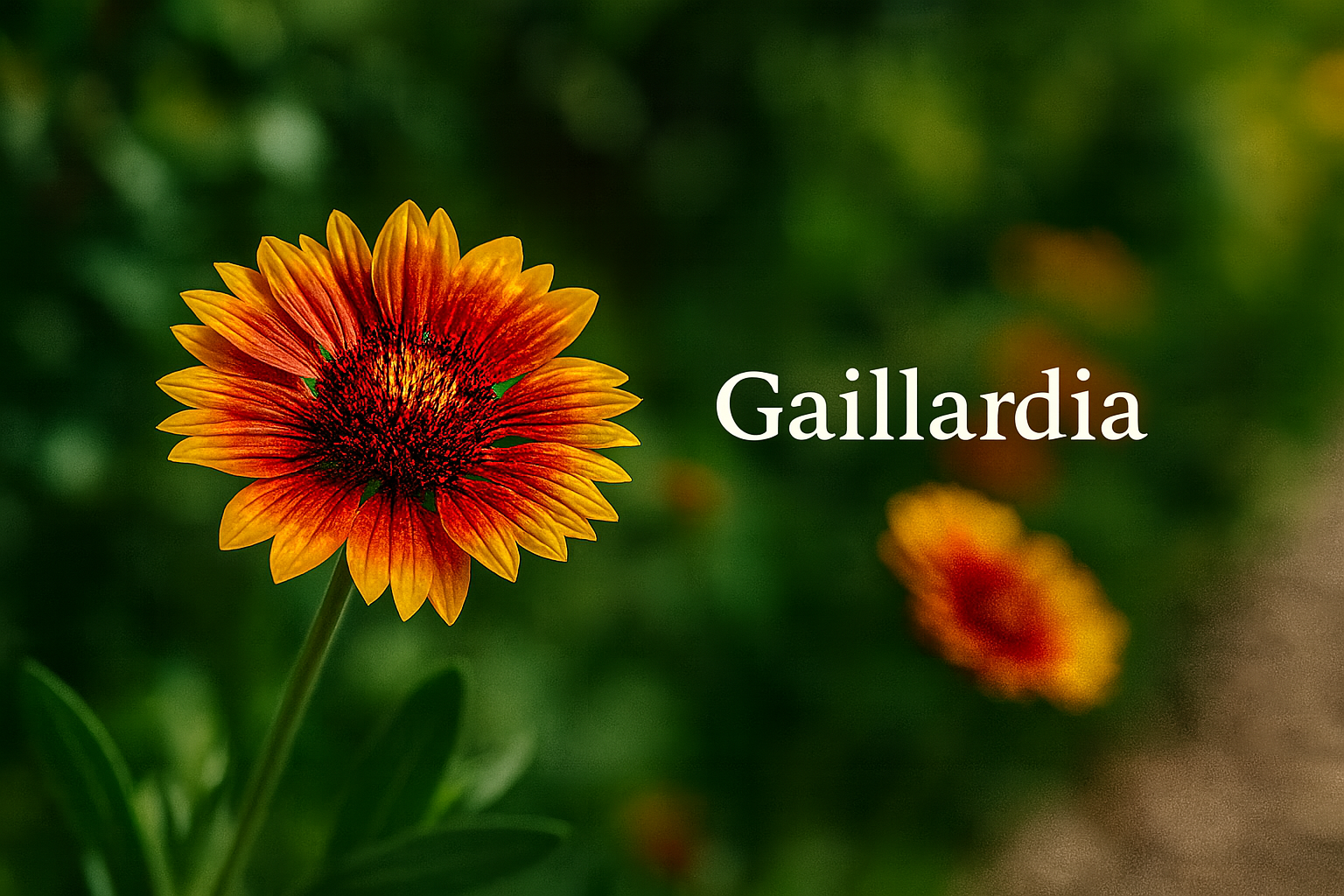
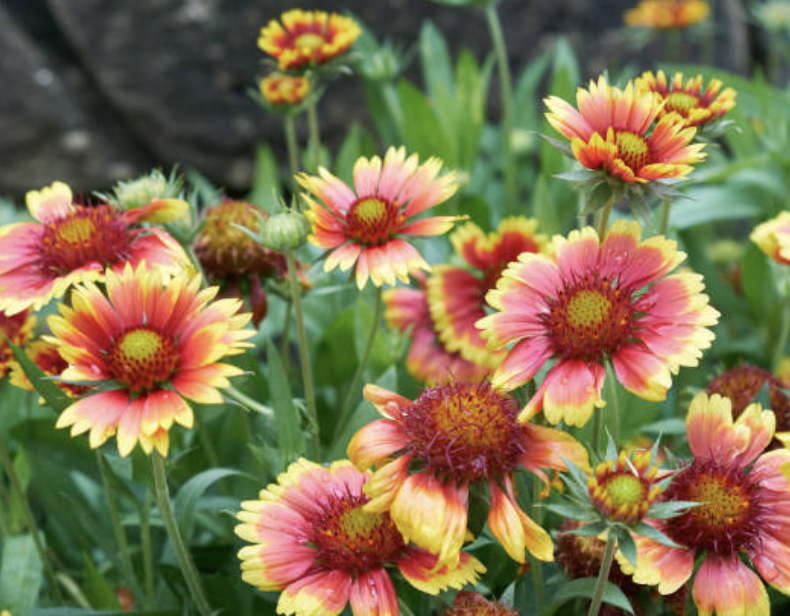
Gaillardia, also known as blanket flower, is a heat-loving perennial that delivers a blaze of color through the hottest summer months. Its vibrant red, orange, and yellow daisy-like blooms thrive in sunny, dry locations, making it a favorite for xeriscaping and pollinator gardens alike.
Think of it as a summer superstar: bold, cheerful, and practically sun-proof.
- Perfect for: Low-maintenance gardeners, wildflower meadows, pollinator-friendly landscapes, and hot climate borders
- Bonus: Deer-resistant and rabbit-resistant
How to Grow & Care for Gaillardia
Soil & Location
- Prefers sandy or well-drained soil
- Slightly acidic to neutral pH (6.1–7.0)
- Avoid heavy clay or overly fertile soils
Light
- Needs full sun for optimal flowering
- Will not thrive in partial or full shade
Watering
- Water regularly during establishment (first 2–3 weeks)
- Once mature, water only when soil is dry
- Overwatering leads to root rot
Deadheading & Pruning
- Remove faded blooms to encourage continuous blooming
- Cut back in fall if desired for tidiness, or leave seed heads for winter interest and birds
Pests & Diseases
- Generally pest-free, but watch for aphids, leafhoppers, and whiteflies
- Avoid overcrowding to prevent powdery mildew
Beginner’s Tip
Deadhead faded blooms weekly to promote reblooming and prevent legginess.
Popular Gaillardia Varieties
| Variety | Description |
|---|---|
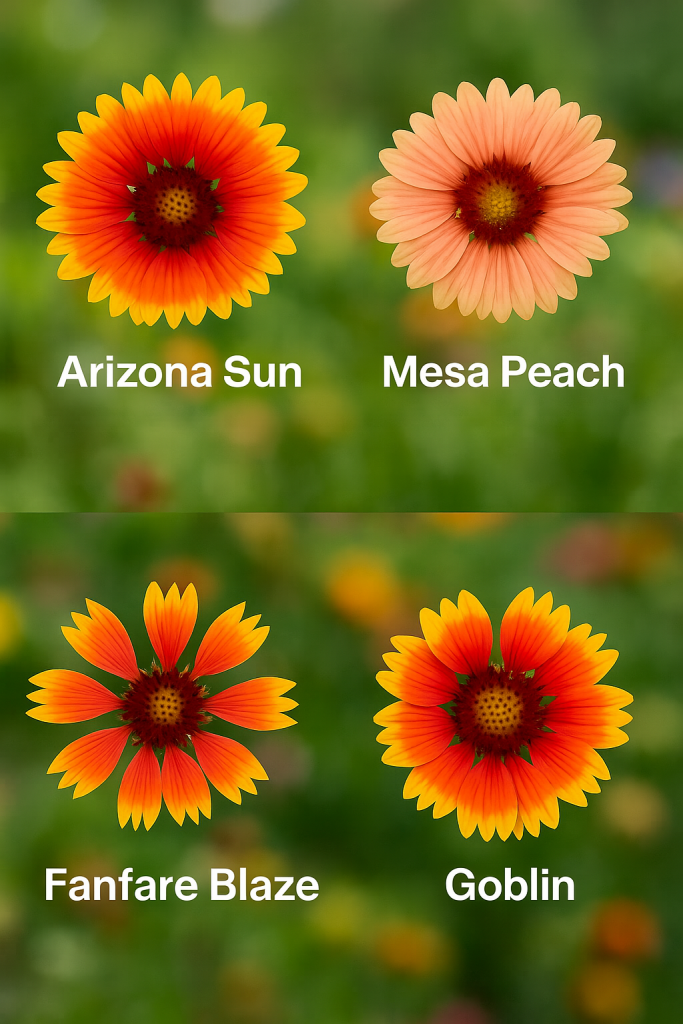
| ‘Arizona Sun’ | Bright red with golden yellow tips; compact and heavy-blooming |
| ‘Mesa Peach’ | Soft peach tones, excellent for mixed beds |
| ‘Fanfare Blaze’ | Trumpet-shaped petals in warm sunset colors |
| ‘Goblin’ | Dwarf variety, perfect for containers or edging |
Design Ideas & Companion Planting
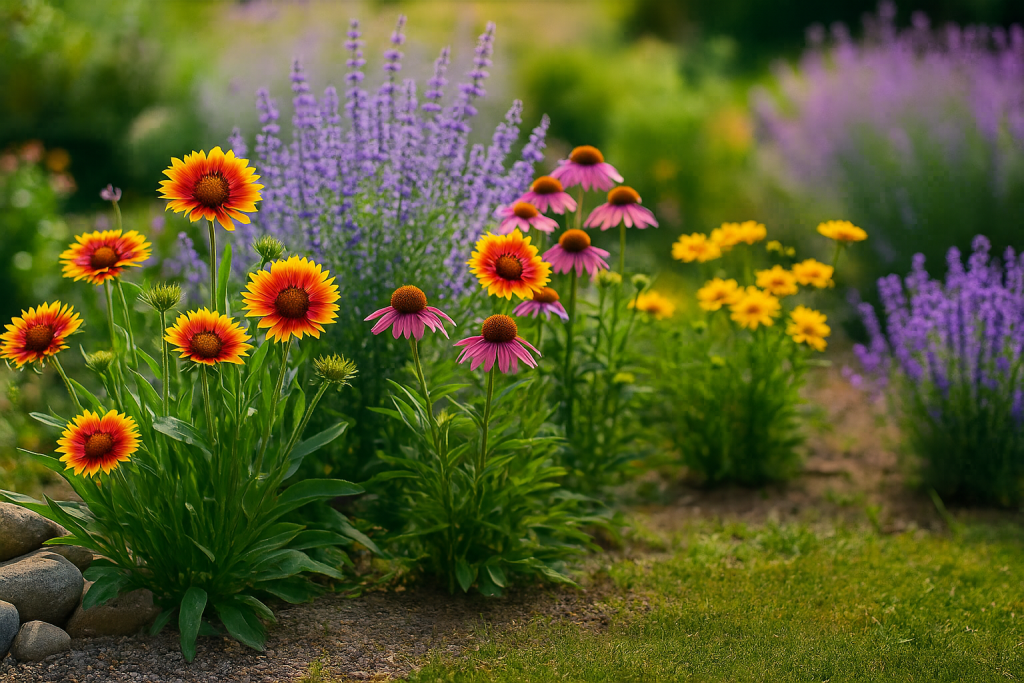
- Pair with Russian Sage, Echinacea, Coreopsis, or Lavender for a drought-resistant, butterfly-attracting border
- Works well in rock gardens, raised beds, or mass plantings
- Leave seed heads for natural reseeding or birds in winter
Companion Planting Tips
| Companion | Benefit |
| Lavender | Aromatic foliage, similar care needs |
| Coneflower (Echinacea) | Pollinator favorite, color contrast |
| Yarrow | Enhances drought resistance & soil health |
Seasonal Calendar
| Month | Task |
| March–May | Sow seeds indoors or direct sow after frost |
| June–August | Blooming peak, deadhead regularly |
| September | Collect seeds or cut back foliage |
| October–February | Mulch in Zone 3–5 if harsh winter expected |
Frequently Asked Questions
Can Gaillardia survive drought?
Yes! Once established, Gaillardia thrives with minimal water.
Is Gaillardia good for pollinators?
Absolutely — bees and butterflies love it.
Does Gaillardia self-seed?
Yes, especially if you let the seed heads remain after blooming.
Pin & Share
- Pin this for your drought-tolerant garden inspiration!
- Save this guide and tag @Greenmuse for your garden photos
You Might Also Like
- How to Grow Lavender That Blooms in Summer Heat
- 7 Heat-Loving Plants That Thrive in Summer Scorch
- Coreopsis: A Cheerful Classic for Pollinator Gardens
Brought to you by Greenmuse
Discover more healing plants, seasonal tips, and nature-inspired garden design at greenmuse.io
Clara Moss is the gardener behind Greenmuse. Over the past 10+ years, she has grown herbs on windowsills, tested cactus and succulent soil mixes, rescued struggling houseplants, and learned many lessons through trial and error. Greenmuse is where she shares honest, practical plant care advice for real homes — based on hands-on experience, not perfect greenhouse conditions. When she’s not writing, Clara is usually propagating succulents or trying to keep a calathea happy.