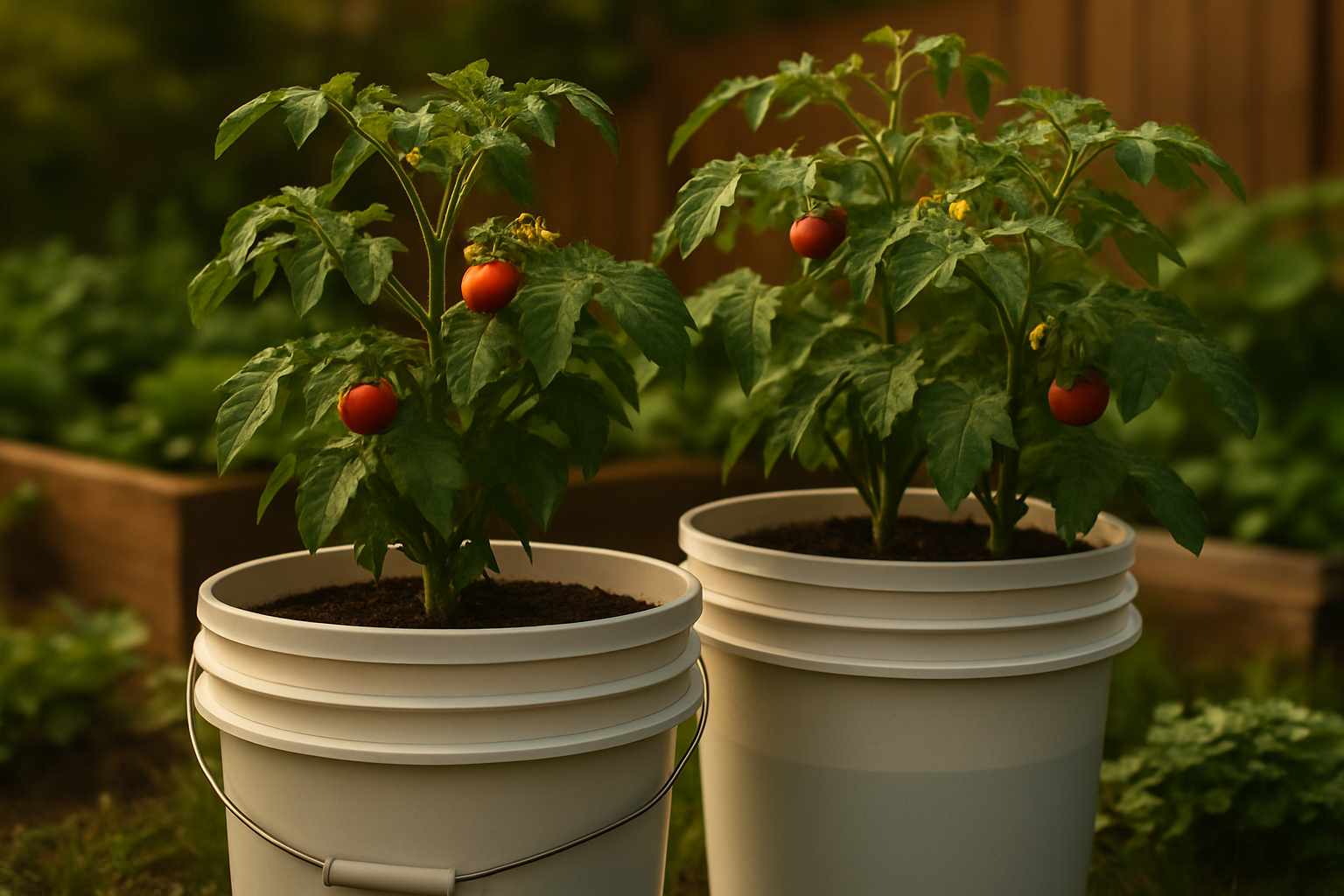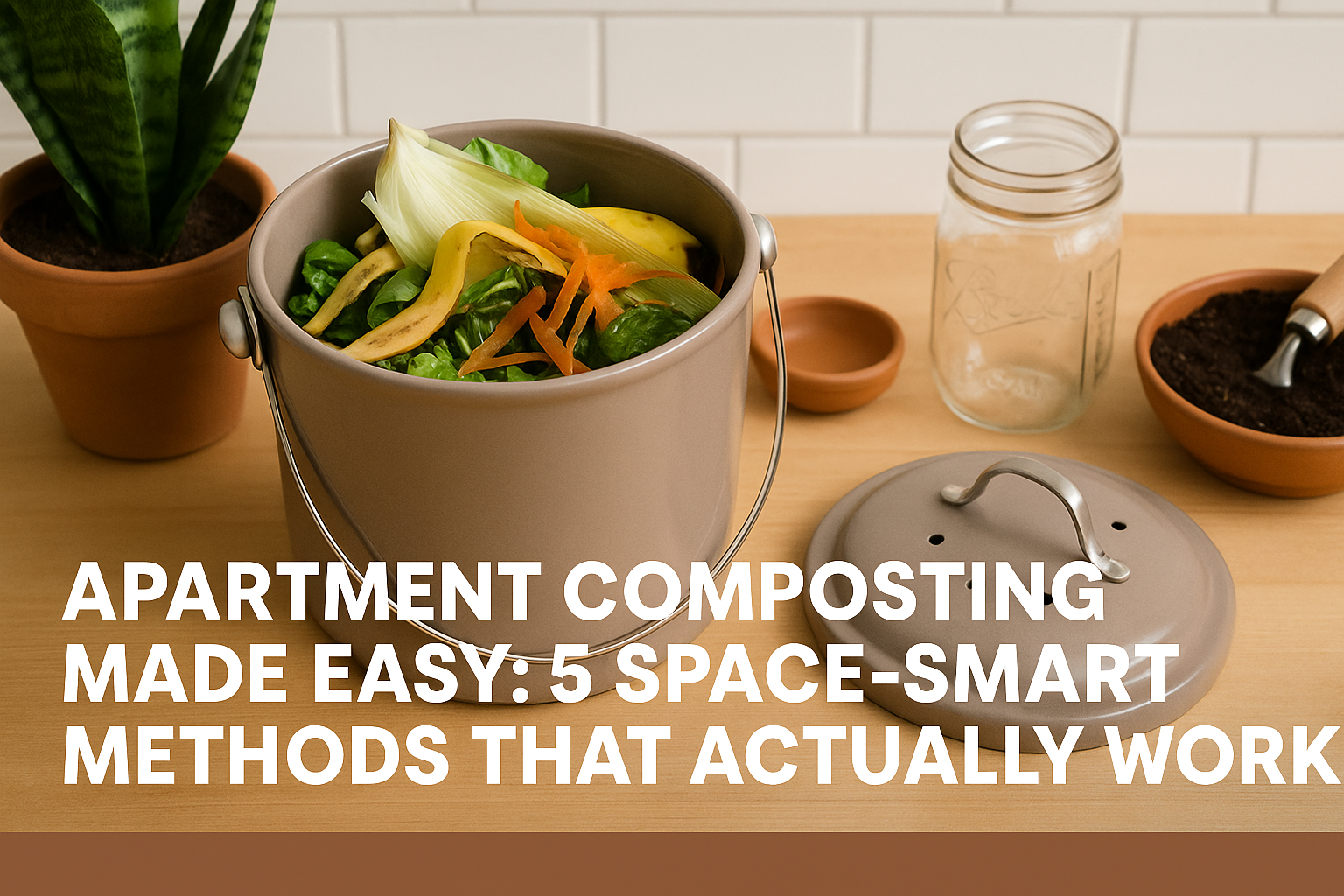
Looking to turn your kitchen scraps into garden gold but short on space? Composting doesn't require a backyard. Whether you're in a high-rise apartment or a small studio, here are five tried-and-true methods to compost successfully in tight urban settings—odor-free, stylish, and neighbor-approved.
Editor's Top Pick: Bokashi Bucket
Best for: Small apartments with limited ventilation
How it works: Bokashi is a Japanese method that uses a bran inoculated with beneficial microbes to ferment food waste in an airtight bin—no oxygen required.
What you can compost: Everything, even meat and dairy!
Starter tip: Once full, bury the pre-compost in a large planter or deliver it to a community garden for final decomposition.
Why we love it: Compact, fast, and nearly odorless when done right.
Anaerobic fermentation (no-oxygen environment) = perfect for small, shared spaces.
Worm Bin (Vermicomposting): Red Wigglers to the Rescue
Best for: Gardening enthusiasts and kids
How it works: Red wigglers (Eisenia fetida) feast on kitchen scraps, producing rich, soil-like castings.
What you can compost: Veggie peels, coffee grounds, paper towels (unbleached)
Setup: Use a breathable plastic or wooden bin with moist shredded newspaper bedding. Keep it under the sink or in a dark cabinet.
FAQ: What if I see fruit flies? Freeze your scraps before adding, and always bury them well.
Electric Countertop Composters: Instant, Sleek, and Modern
Best for: Busy, tech-savvy apartment dwellers
How it works: These appliances dry, grind, and cool your scraps in just a few hours, creating a stable, odor-free material.
What you can compost: Most fruit, veggie, and grain scraps (check your model's guide)
Quick tip: Empty regularly and mix output into soil to improve texture and nutrients.
Editor’s Note: While not true compost, it’s a great pre-treatment for balcony pots or planters.
Balcony Bin Composting: Sunlight & Simplicity
Best for: Apartments with outdoor access
How it works: Layer “greens” (wet kitchen scraps) and “browns” (dry materials like shredded paper) in a lidded bin. Stir weekly to aerate.
What you can compost: All plant-based kitchen waste
Space-saver idea: Stackable bins or rolling bins for tight corners
🔄 Maintain a 2:1 browns-to-greens ratio to keep smells away and balance microbes.
Shared Community Composting: Collective Power
Best for: Eco-conscious urbanites and social butterflies
How it works: Store scraps in a sealed pail and drop them at a local garden, farmer’s market, or compost hub.
What you can compost: Depends on local rules (usually no meat/dairy)
Find a drop-off: Use apps like ShareWaste or check your city’s zero-waste programs.
Pro Tip: Join your building’s sustainability group or start your own compost share circle.
Quick Guide: What You Can and Can’t Compost Indoors
| ✅ Compostable | ❌ Avoid Indoors |
| Fruit and veggie scraps | Greasy/oily food |
| Coffee grounds & tea leaves | Dairy & meat (except Bokashi) |
| Shredded paper, cardboard | Pet waste |
| Eggshells (crushed) | Plastic, metal, glass |
Tools & Setup Cheat Sheet
- Odor Control: Freeze scraps until compost day
- Moisture Tip: Should feel like a wrung-out sponge
- Roommate-Proof: Label your bins and set a shared schedule
👉 Get the Printable Kit at Greenmuse.io
Want to See It in Action?
Save this blog on Pinterest for your eco-living board
Composting from your apartment isn’t just possible—it’s empowering, sustainable, and fun. Choose the system that suits your lifestyle, and start transforming waste into something beautiful today.
Clara Moss is the gardener behind Greenmuse. Over the past 10+ years, she has grown herbs on windowsills, tested cactus and succulent soil mixes, rescued struggling houseplants, and learned many lessons through trial and error. Greenmuse is where she shares honest, practical plant care advice for real homes — based on hands-on experience, not perfect greenhouse conditions. When she’s not writing, Clara is usually propagating succulents or trying to keep a calathea happy.