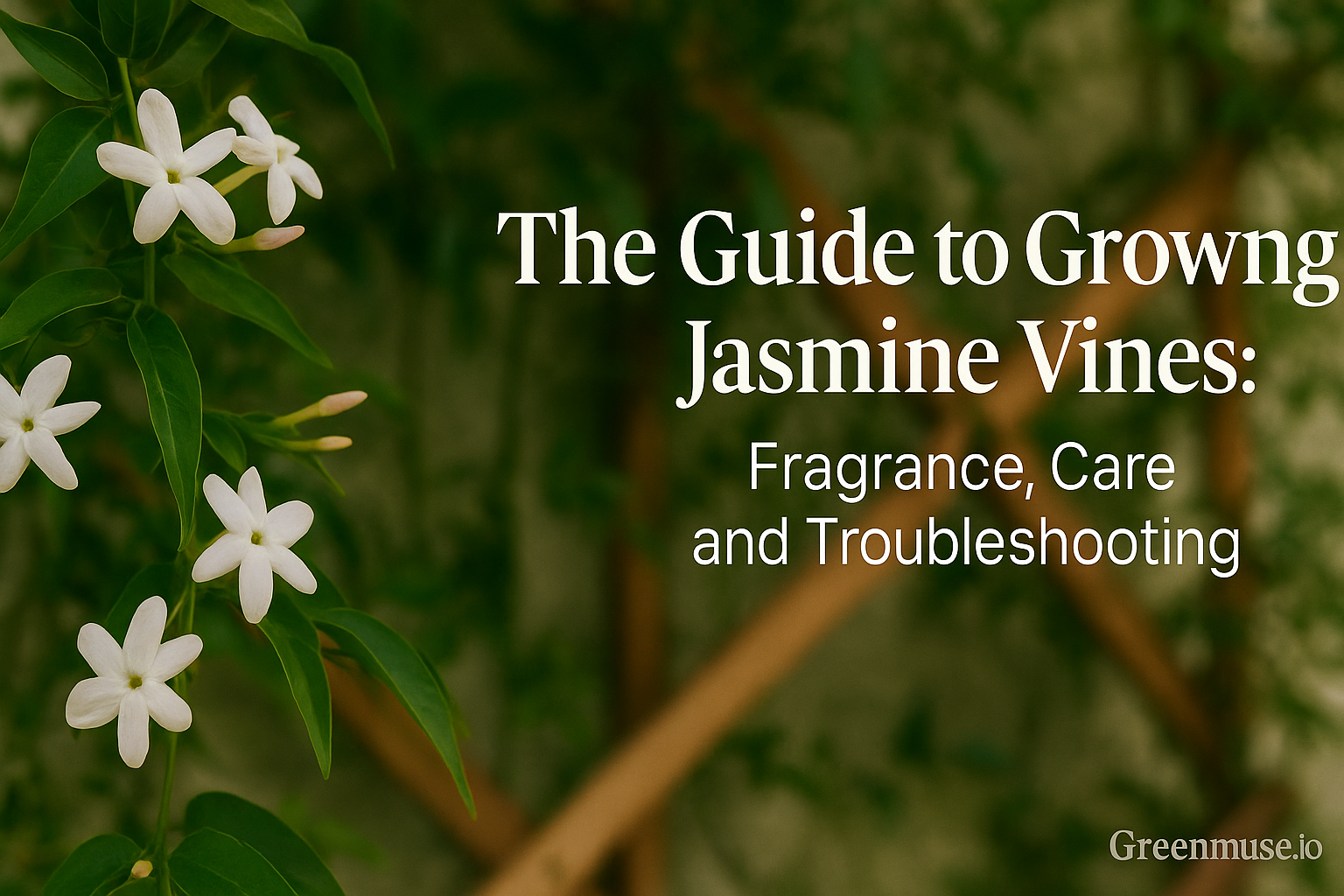
Overview: Why Jasmine Belongs in Every Garden
Jasmine vines (Jasminum spp.) are beloved for their intoxicating fragrance, delicate blooms, and versatile growth habits. Whether you're creating a lush outdoor retreat or bringing a touch of elegance indoors, jasmine adds a romantic, sensory dimension to your space. This guide will walk you through choosing the right variety, growing conditions, care routines, and common problems—ensuring success whether you're a beginner or seasoned gardener.
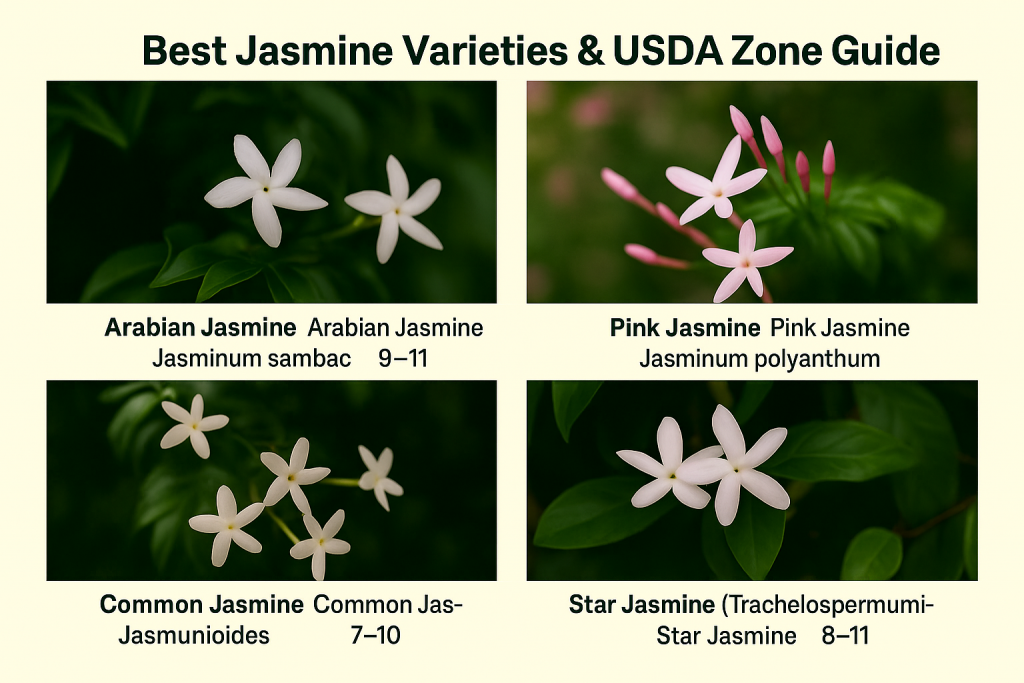
Best Jasmine Varieties & USDA Zone Guide
| Variety | Common Name | USDA Zones | Growth Habit | Notable Features |
| Jasminum sambac | Arabian Jasmine | 9–11 | Bushy/Vine | Popular in perfumes, double white blooms |
| Jasminum polyanthum | Pink Jasmine | 8–10 | Fast-growing Vine | Pinks buds, strong scent |
| Jasminum officinale | Common Jasmine | 7–10 | Climbing Vine | Long blooming period, hardy |
| Trachelospermum jasminoides | Star Jasmine (not true jasmine) | 8–11 | Evergreen Vine | Drought-tolerant, glossy leaves |
Sunlight & Placement
Jasmine thrives in full sun to partial shade. For best flowering:
- Outdoor: Choose a south- or west-facing wall or trellis.
- Indoor: Place near a bright window with at least 4–6 hours of light daily.
Soil & Watering
- Soil Type: Loose, well-drained, loamy soil enriched with compost.
- pH Range: Slightly acidic to neutral (6.0–7.0)
- Watering:
- Keep soil evenly moist but not soggy.
- Reduce watering during winter dormancy.
Pruning & Training
Prune after the flowering season to:
- Maintain shape
- Remove dead or tangled stems
- Encourage bushier growth
Use soft ties to train vines along trellises or balcony railings. Star jasmine can also be clipped into neat hedges.
Feeding & Fertilizing
- Use a balanced fertilizer (10-10-10) monthly during the growing season.
- To boost blooming, switch to a phosphorus-rich formula (e.g., 5-10-5) before and during flowering.
Common Problems & Troubleshooting Table
| Symptom | Possible Cause | Solution |
| Yellowing leaves | Overwatering / Nutrient deficiency | Improve drainage, use liquid fertilizer |
| No flowers | Insufficient light or phosphorus | Move to sunnier spot, apply bloom fertilizer |
| Flower bud drop | Drafts / Temperature stress | Keep temps stable (60–75°F / 16–24°C) |
| Aphids / Whiteflies | Pests | Spray with insecticidal soap or neem oil |
How to Propagate Jasmine (Step-by-Step)
- Take 4–6" stem cuttings with 2–3 nodes in late spring.
- Dip the cut end in rooting hormone (optional).
- Insert into a pot with moist perlite + peat mix.
- Cover with plastic bag to retain humidity.
- Roots should develop in 4–6 weeks.
Indoor Jasmine Care Tips
- Choose compact varieties like Jasminum sambac for containers.
- Use humidifiers or place pots on pebble trays.
- Rotate plants weekly for even growth.
Downloadable Checklist
Want a quick-reference version of this guide?Download the Printable Jasmine Care Sheet (PDF)
Bonus: Garden Design Ideas Using Jasmine
- Romantic Archway: Train common jasmine over a wrought-iron arbor.
- Balcony Paradise: Hang pink jasmine from railing boxes for a waterfall effect.
- Zen Corner: Pair Arabian jasmine with lavender, basil, and pebbles.
Final Thought
In every jasmine bloom, there’s a little calm, a little memory, a little magic. Let your garden be that peaceful, fragrant escape.
👉 Follow @Greenmuse for more beginner-friendly gardening tips, printable care guides, and sensory planting ideas.
📌 Save & Share this guide to spread the jasmine joy!
Clara Moss is the gardener behind Greenmuse. Over the past 10+ years, she has grown herbs on windowsills, tested cactus and succulent soil mixes, rescued struggling houseplants, and learned many lessons through trial and error. Greenmuse is where she shares honest, practical plant care advice for real homes — based on hands-on experience, not perfect greenhouse conditions. When she’s not writing, Clara is usually propagating succulents or trying to keep a calathea happy.