Why Coreopsis Shines in Summer
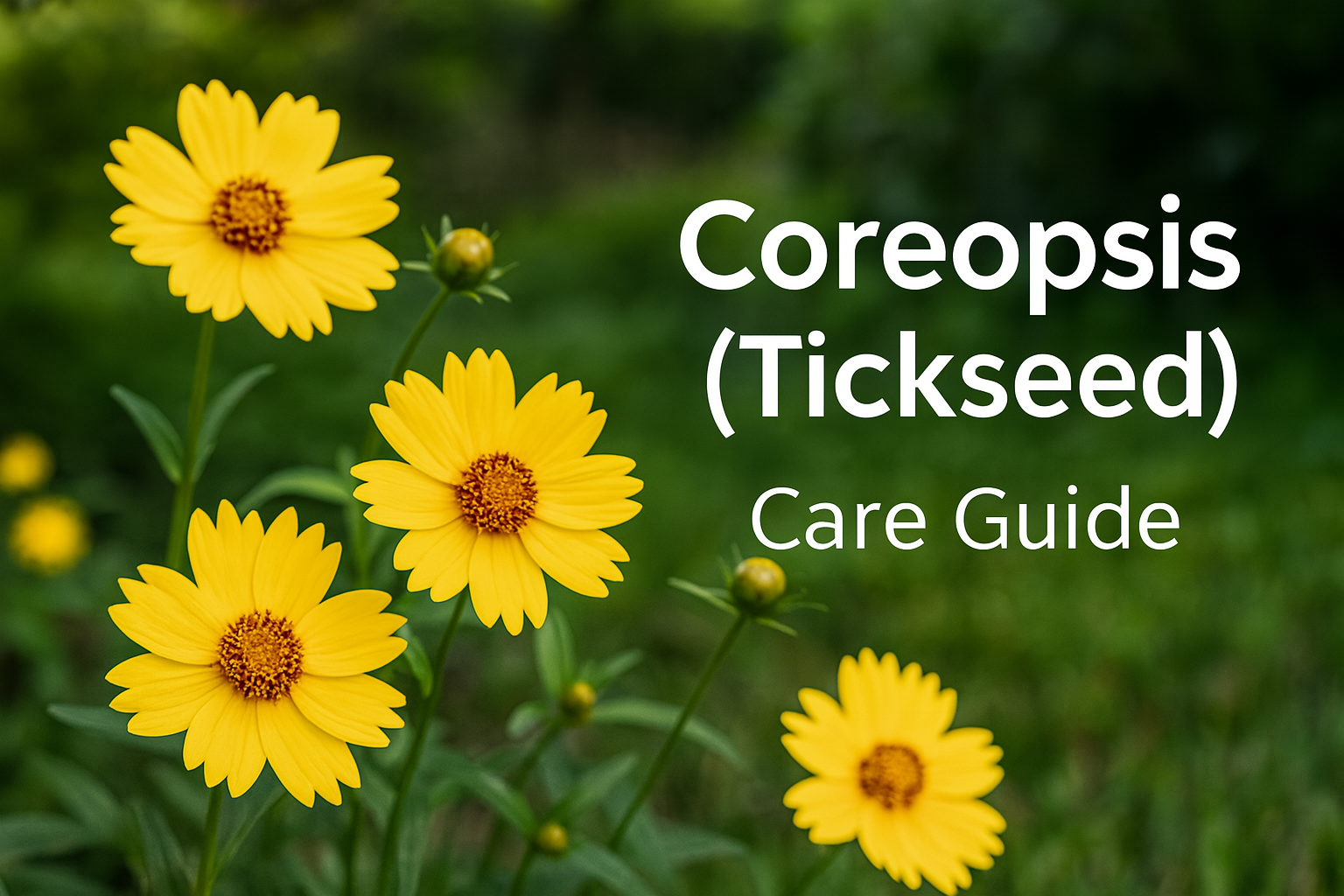
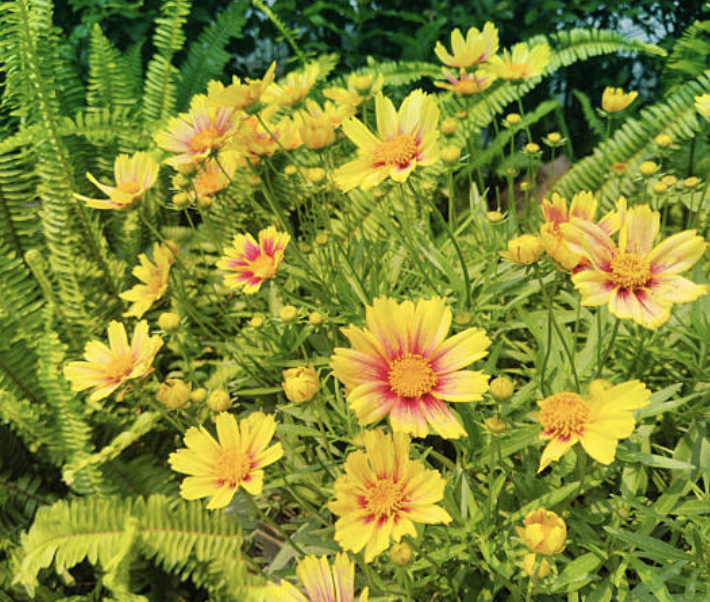
When summer scorches your garden, Coreopsis keeps smiling. Also known as Tickseed, this hardy perennial thrives in heat, blooms continuously, and brings a cheerful glow to beds, borders, and containers. It's beloved by pollinators and beginner gardeners alike—thanks to its resilience and low-maintenance charm.
Quick Snapshot
| Feature | Details |
|---|---|
| Botanical Name | Coreopsis spp. |
| Common Name | Tickseed |
| Hardiness Zones | USDA 4–9 |
| Light Requirement | Full sun (6+ hrs/day) |
| Bloom Time | Early summer to fall |
| Soil Preference | Well-draining, sandy or loamy soil |
| Height & Spread | 12–24 in tall, 18–36 in wide |
| Pollinator-Friendly | Yes—loved by bees and butterflies |
| Toxicity | Non-toxic to pets and humans |
1. Best Coreopsis Varieties to Grow
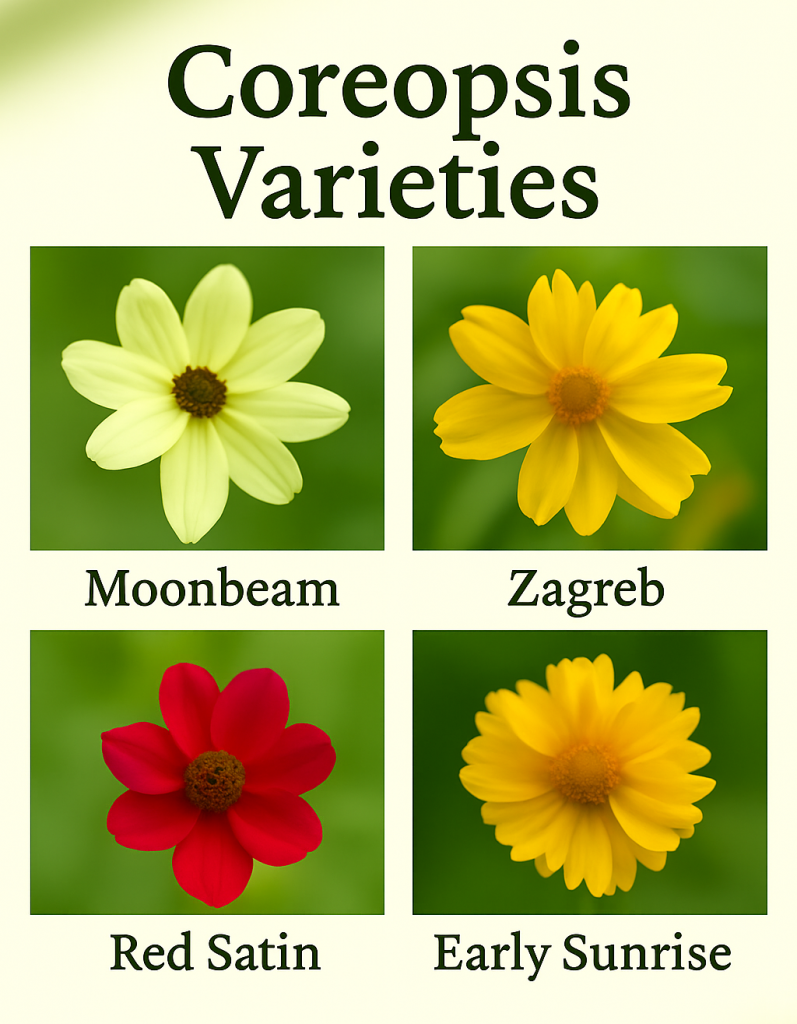
| Variety | Flower Color | Features |
|---|---|---|
| ‘Moonbeam’ | Pale yellow | Compact, soft fern-like foliage |
| ‘Zagreb’ | Bright golden | Drought-tolerant, early bloomer |
| ‘Red Satin’ | Wine-red | Long bloom time, upright habit |
| ‘Early Sunrise’ | Semi-double gold | Award-winning, compact |
2. How to Grow Coreopsis Like a Pro
Sunlight:
Full sun is essential. Lack of sunlight leads to leggy growth and fewer blooms.
Soil:
Prefers sandy, well-draining soil. Avoid overly rich soil—it causes floppy stems.
Watering:
Water young plants regularly. Once established, Coreopsis is quite drought-tolerant.
Feeding:
Optional light feeding with balanced fertilizer in early spring.
Spacing Tip:
Leave 12–18 inches between plants for air circulation and healthy growth.
3. Maintenance Tips: Deadheading = More Blooms
- Regularly deadhead faded flowers to encourage reblooming.
- In late fall, you may shear plants down to a few inches for overwintering.
- Divide clumps every 3–4 years to maintain vigor.
4. Wildlife Benefits: A Pollinator Playground
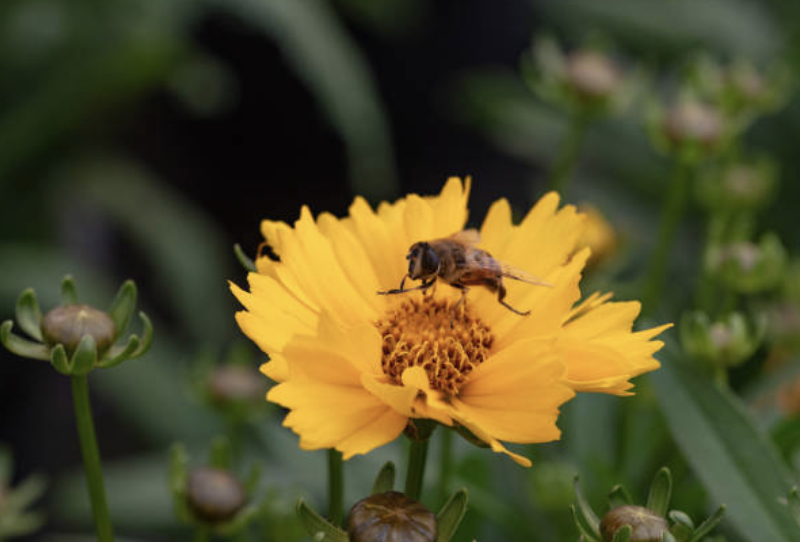
Coreopsis is a magnet for bees, butterflies, and hoverflies. Its nectar-rich blooms provide essential forage during peak pollination seasons.
“Planting Coreopsis is like sending out a brunch invitation to every pollinator in your zip code.”
5. Who Is Coreopsis Perfect For?
✅ Busy gardeners needing low-maintenance beauty
✅ Drought-prone regions or xeriscape designs
✅ Families with pets and kids—non-toxic choice
✅ Anyone building a pollinator garden
✅ Cottage or prairie-style aesthetics lovers
6. Garden Design Inspiration
Pair Coreopsis with:
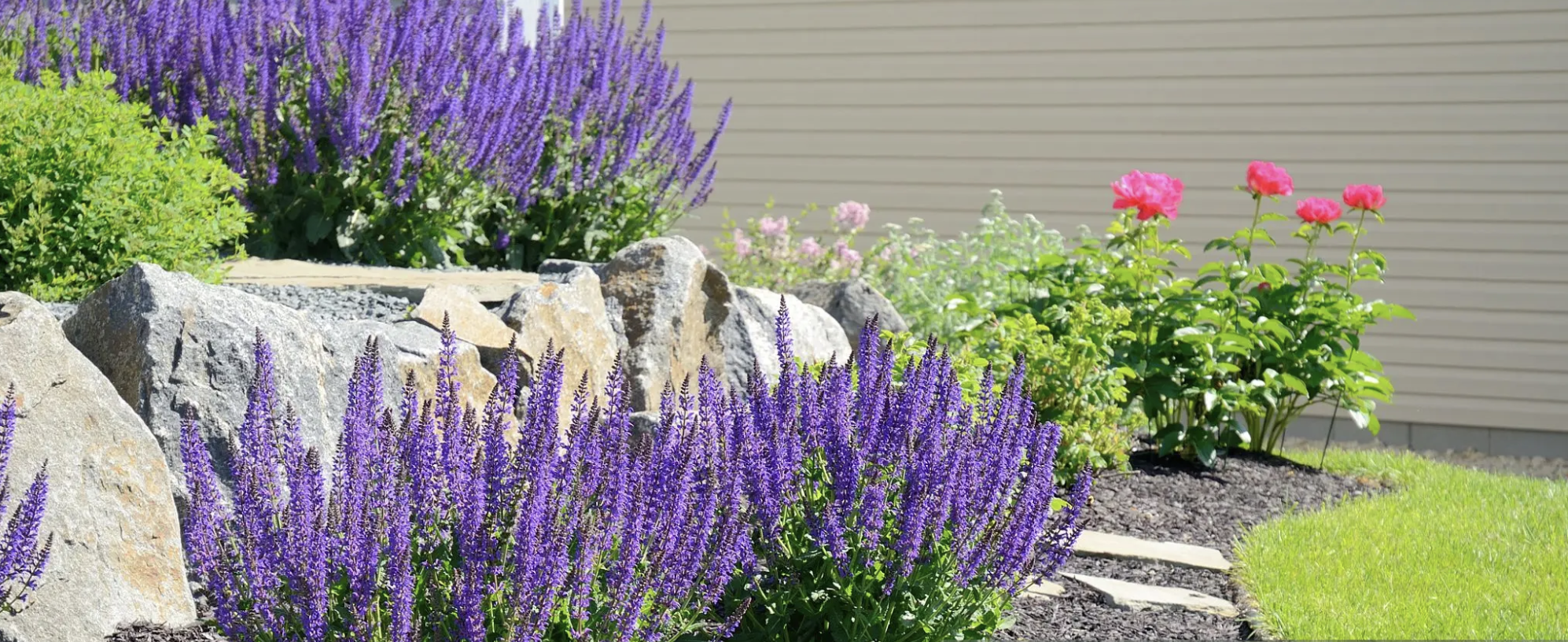
- Lavender or Russian Sage for a soft pastel contrast
- Gaillardia or Zinnias for fiery, long-lasting color
- Native ornamental grasses for motion and texture
- Echinacea (Coneflower) for a durable pollinator combo
7. Common Issues & Easy Fixes
| Issue | Cause | Solution |
|---|---|---|
| Floppy stems | Too much shade or rich soil | Provide sun, reduce feeding |
| Mildew on leaves | Poor air circulation | Space properly, prune if crowded |
| Few blooms | Lack of deadheading | Cut back spent blooms regularly |
Download: Printable Tickseed Care Guide
[Download PDF Care Card] – Includes checklist, bloom timeline, and pairing tips. Ideal for print-and-stick in your garden journal or seed drawer!
Related Reads
- [7 Heat-Loving Plants That Thrive in Summer Scorch]
- [Gaillardia (Blanket Flower): A Fiery Burst of Color for Your Summer Garden]
- [Celosia: Grow Flaming Feathers in Summer Heat]
Join the Greenmuse Movement
Love heat-proof, bee-friendly gardens?
Sign up at Greenmuse.io for weekly growing tips, printable downloads, and feel-good gardening.
✨ “Grow beauty, one bloom at a time.”
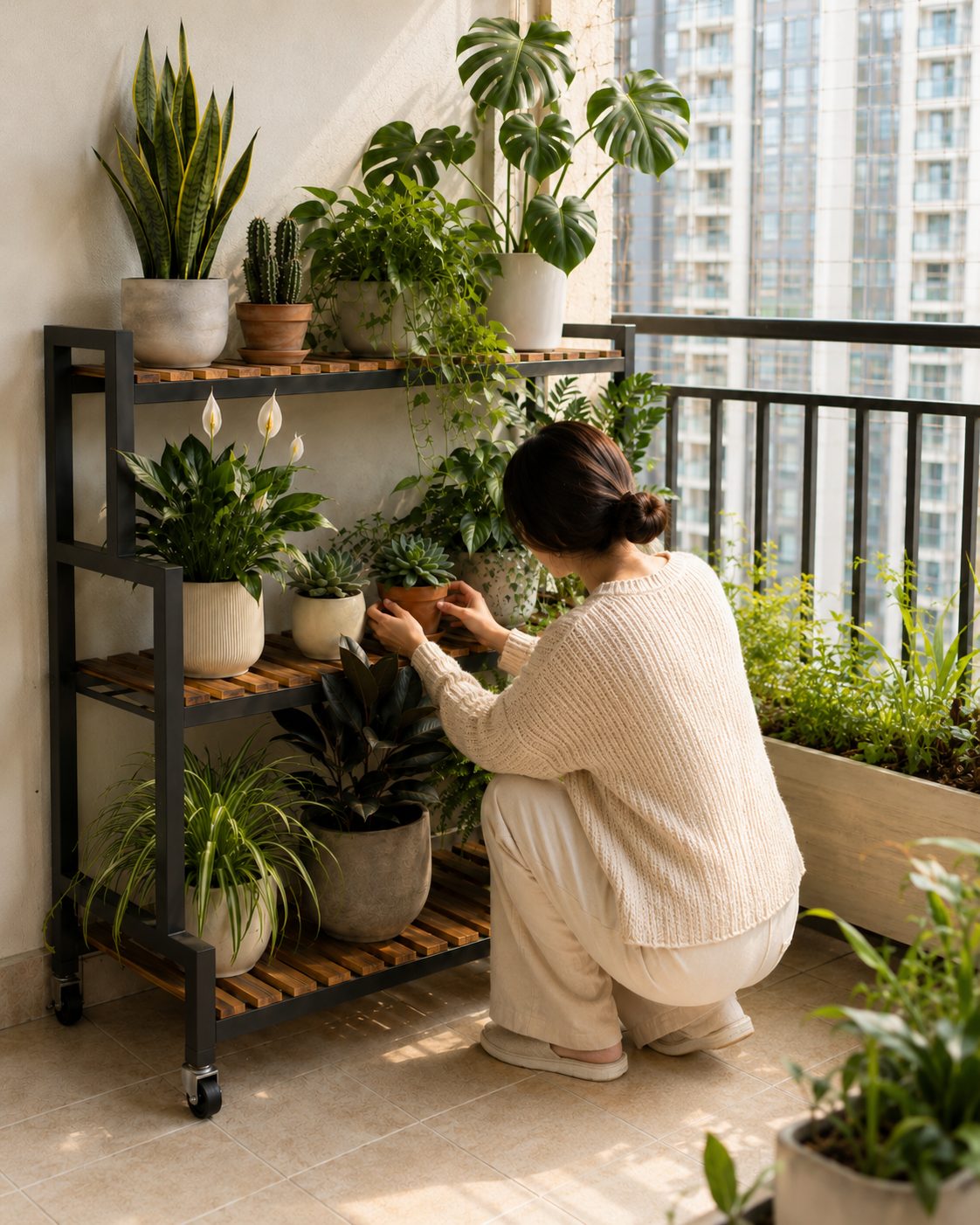
Clara Moss is the gardener behind Greenmuse. Over the past 10+ years, she has grown herbs on windowsills, tested cactus and succulent soil mixes, rescued struggling houseplants, and learned many lessons through trial and error. Greenmuse is where she shares honest, practical plant care advice for real homes — based on hands-on experience, not perfect greenhouse conditions. When she’s not writing, Clara is usually propagating succulents or trying to keep a calathea happy.