Why Create a Butterfly Garden?
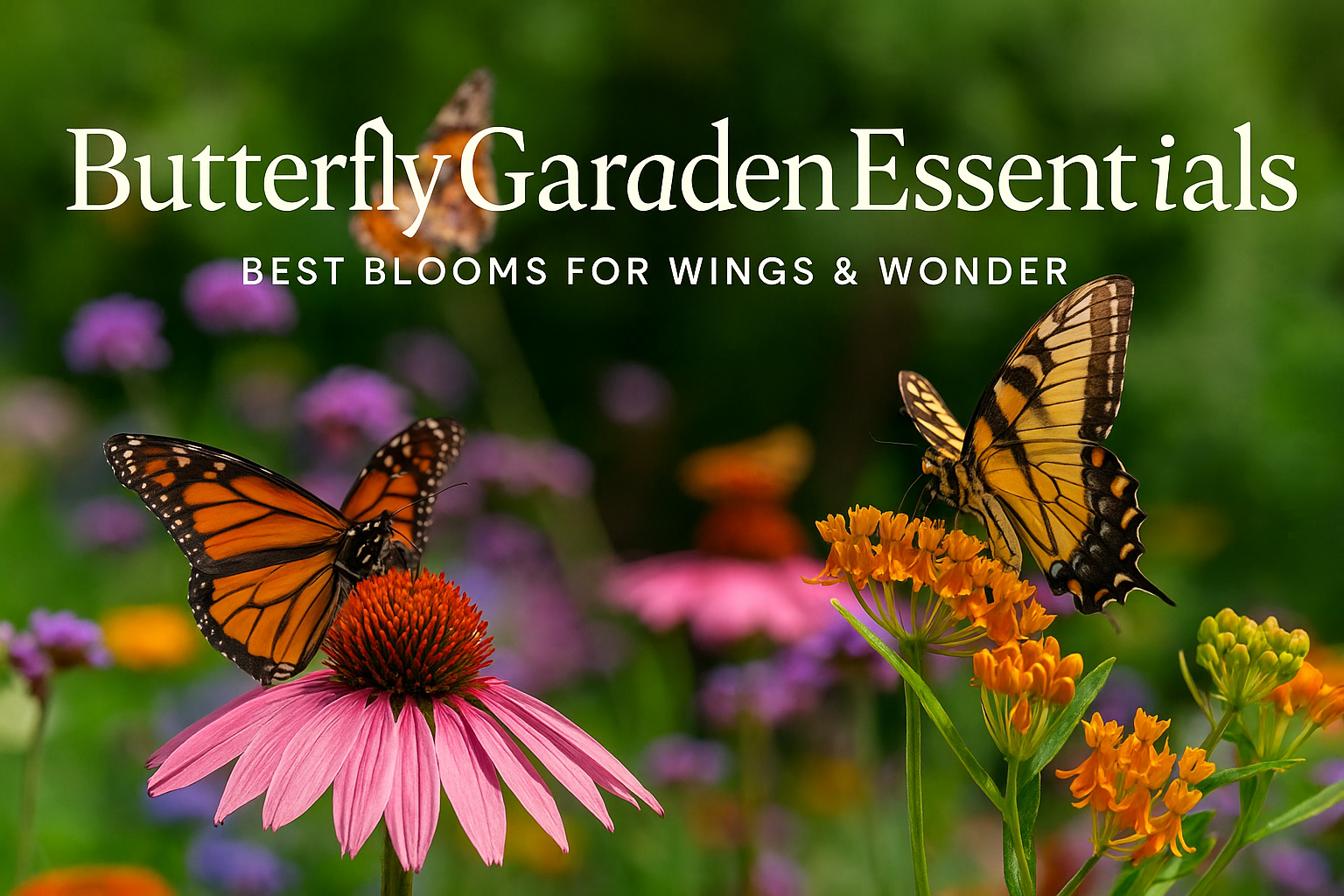
There’s magic in a garden filled with fluttering wings. A well-planned butterfly garden not only offers visual delight but also supports vital pollinator populations that help ecosystems thrive. By planting nectar-rich flowers and host plants for caterpillars, you create a sanctuary that nourishes every stage of a butterfly’s life.
How do I attract butterflies to my garden naturally? Start with native nectar plants, add caterpillar host plants, skip pesticides, and include sunny resting spots.
Whether you're working with a sunny border, container garden, or sprawling meadow, these essentials will help you welcome butterflies of all kinds—from monarchs to swallowtails.
Top Nectar-Rich Flowers for Adult Butterflies
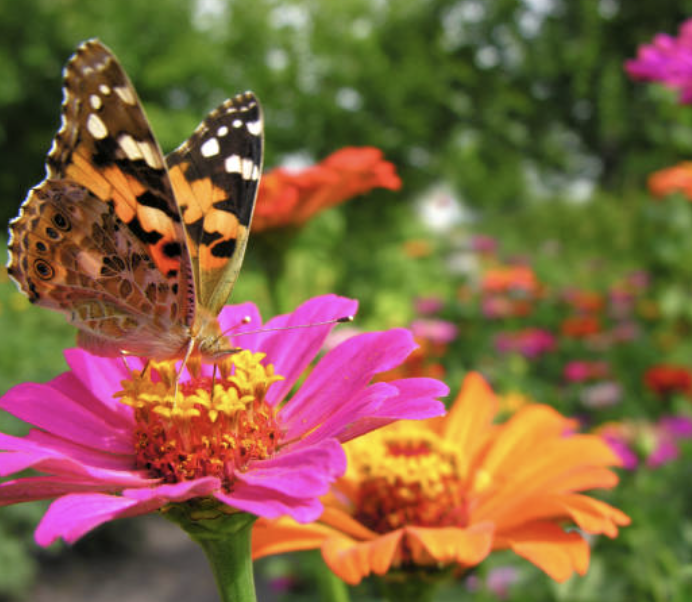
1. Zinnia (Zinnia elegans)
- Why Butterflies Love It: Bright, flat blooms are easy landing pads
- Bonus: Excellent for cut flowers and continuous blooms
- Zones: Annual in Zones 3–10
- Bloom Time: Mid-summer to frost
- Spacing: 8–12 inches apart
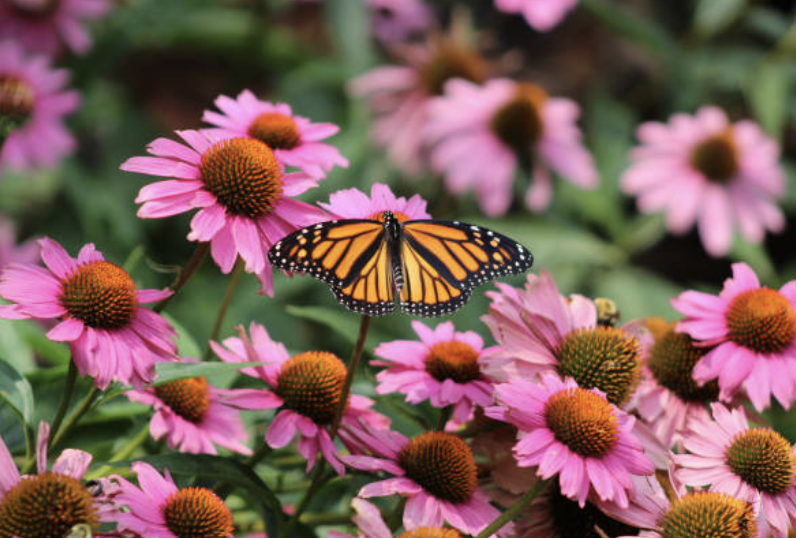
2. Coneflower (Echinacea purpurea)
- Why Butterflies Love It: Rich in nectar, long-blooming
- Bonus: Seeds also feed finches in fall
- Zones: Perennial in Zones 3–9
- Bloom Time: Summer through fall
- Spacing: 18–24 inches apart
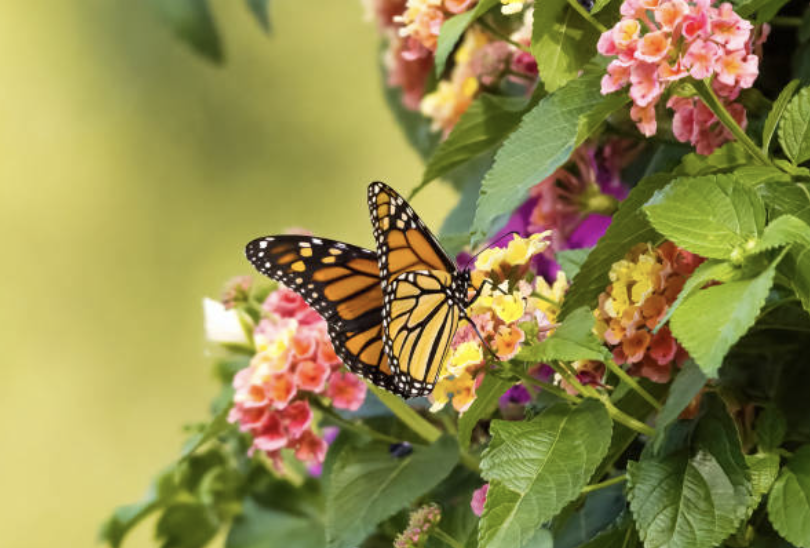
3. Lantana (Lantana camara)
- Why Butterflies Love It: Packed with nectar, loves heat
- Bonus: Low-maintenance and trailing varieties available
- Zones: Annual or perennial in Zones 9–11
- Bloom Time: Early summer to frost
- Spacing: 12–18 inches apart
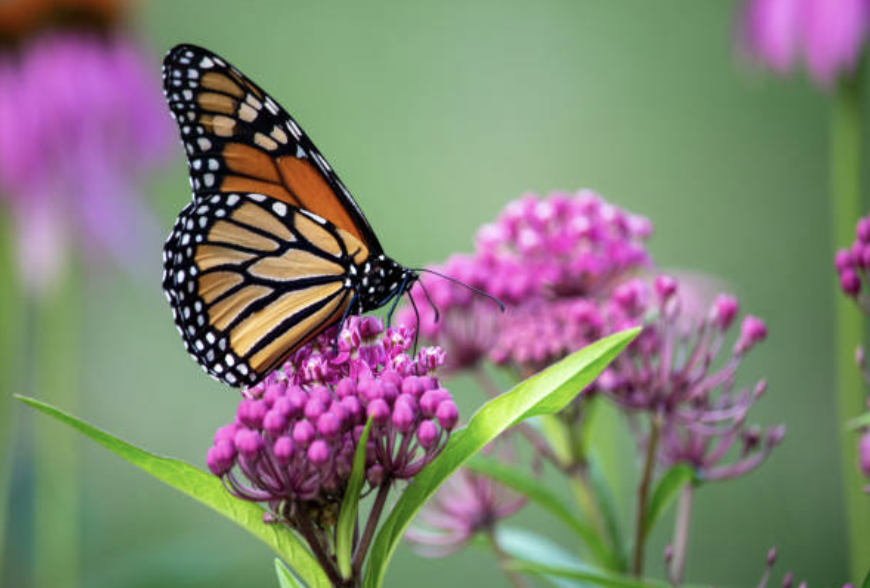
4. Milkweed (Asclepias spp.)
- Why Butterflies Love It: Monarchs depend on it for eggs and nectar
- Bonus: Includes native and tropical species
- Zones: Perennial in Zones 4–9
- Bloom Time: Late spring to mid-summer
- Spacing: 18–24 inches apart
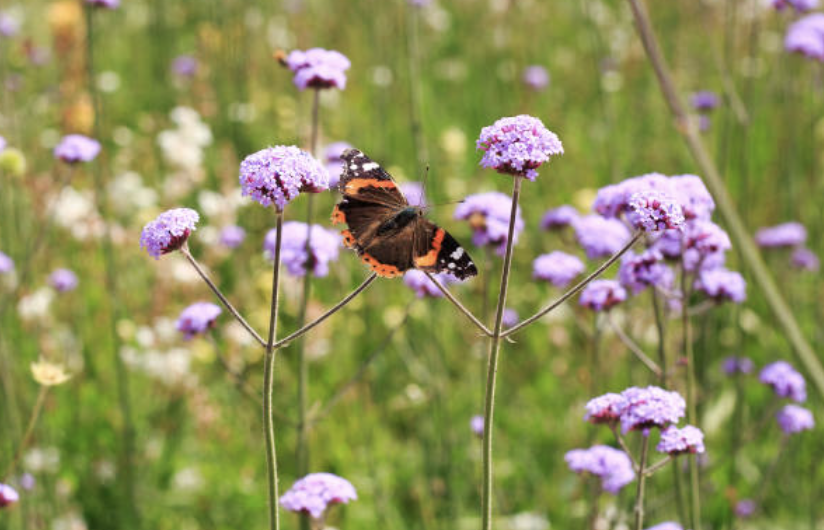
5. Verbena (Verbena bonariensis)
- Why Butterflies Love It: Tall, airy blooms with continuous nectar
- Bonus: Self-sows for naturalized borders
- Zones: Annual or tender perennial in Zones 7–10
- Bloom Time: Late spring to fall
- Spacing: 12–15 inches apart
Try a butterfly combo: Coneflower + Milkweed + Verbena = color, height, and host habitat all in one border.
Host Plants for Caterpillars
A true butterfly garden supports every life stage. Include these essential host plants:
- Milkweed – Monarchs
- Parsley, Dill, Fennel – Black swallowtail caterpillars
- Passionflower (Passiflora spp.) – Gulf fritillary and zebra longwing
- Snapdragon (Antirrhinum) – Buckeye butterflies
Tips for a Thriving Butterfly Garden
- Go organic: Avoid pesticides—even natural sprays can harm larvae
- Provide water: Use shallow dishes with pebbles for sipping
- Sun is key: Choose areas with at least 6 hours of sunlight per day
- Cluster plants: Group 3+ of the same flower for better visibility
- Zones 4–9: All selections here thrive in these regions with full-sun exposure
Design Ideas to Maximize Winged Visitors
- Use raised beds, containers, or layered borders for visual appeal
- Mix bloom shapes, heights, and colors to attract diverse species
- Add large flat rocks for sunbathing butterflies
- Leave a few wild corners or unmown patches as shelter
Turn Your Garden into a Butterfly Haven
With the right plants and a little intention, your garden can become a vibrant ecosystem for butterflies and other beneficial pollinators.
Download your free guide: “Butterfly Garden Blueprint: Blooms, Hosts & Habitat”
Pin this to your “Pollinator Garden Inspiration” board
Show off your butterfly visitors! Tag @Greenmuse with #WingsAndWonder or join the challenge: #ButterflyPatchChallenge
Clara Moss is the gardener behind Greenmuse. Over the past 10+ years, she has grown herbs on windowsills, tested cactus and succulent soil mixes, rescued struggling houseplants, and learned many lessons through trial and error. Greenmuse is where she shares honest, practical plant care advice for real homes — based on hands-on experience, not perfect greenhouse conditions. When she’s not writing, Clara is usually propagating succulents or trying to keep a calathea happy.