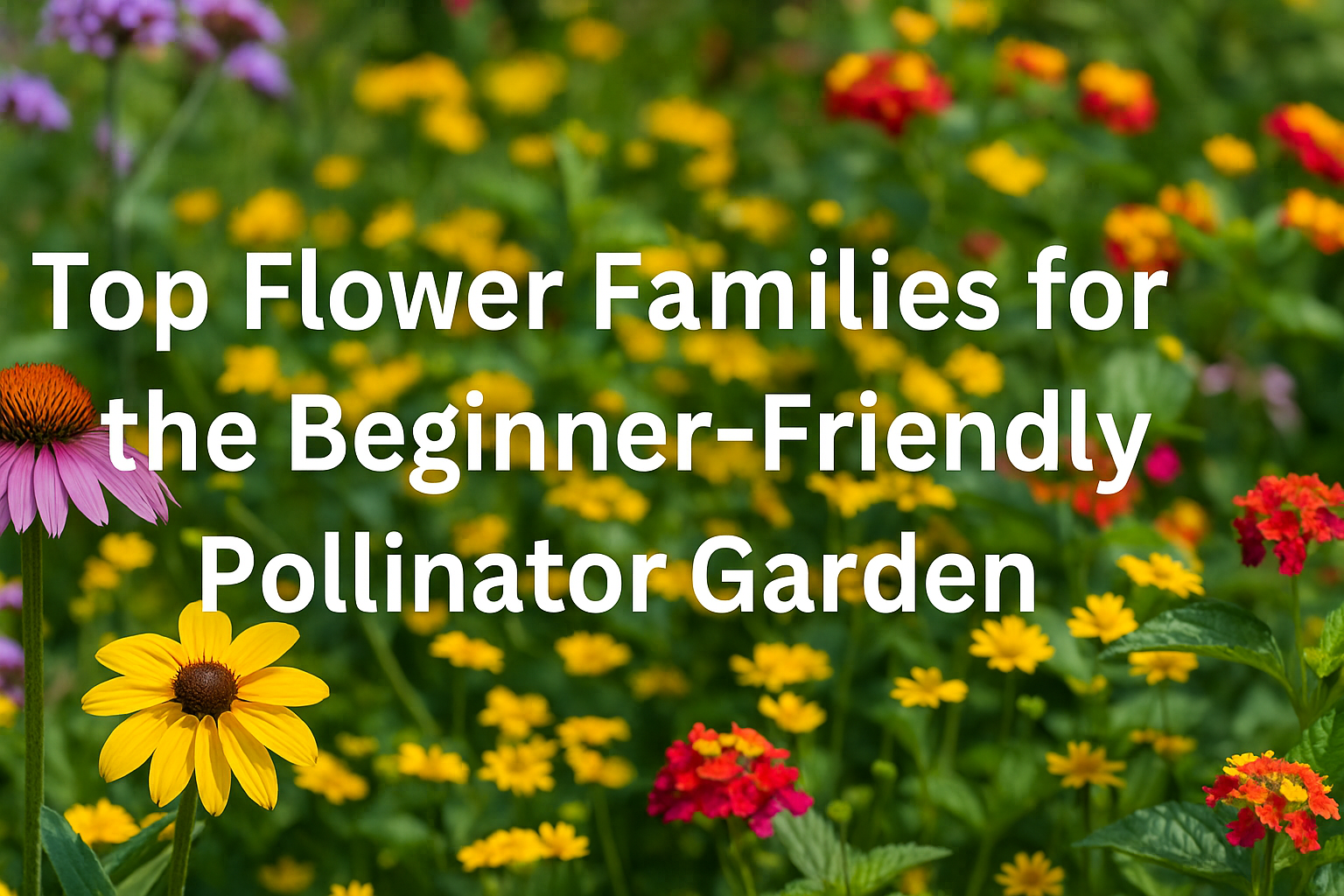
Why Start with Flower Families?
When designing a beginner-friendly pollinator garden, it’s easy to get overwhelmed by all the plant choices. A simple solution? Start with pollinator-approved flower families. These plant groups are reliable, widely available, and proven to attract bees, butterflies, and hummingbirds.
What are the easiest flowers to start a pollinator garden? Start with Aster, Mint, Milkweed, Verbena, and Pea families—they bloom reliably, attract a wide range of pollinators, and are beginner-friendly.
Below are the best beginner-friendly families to build your pollinator patch. These flowers are beautiful, bloom over long periods, and require minimal fuss.
1. Aster Family (Asteraceae)
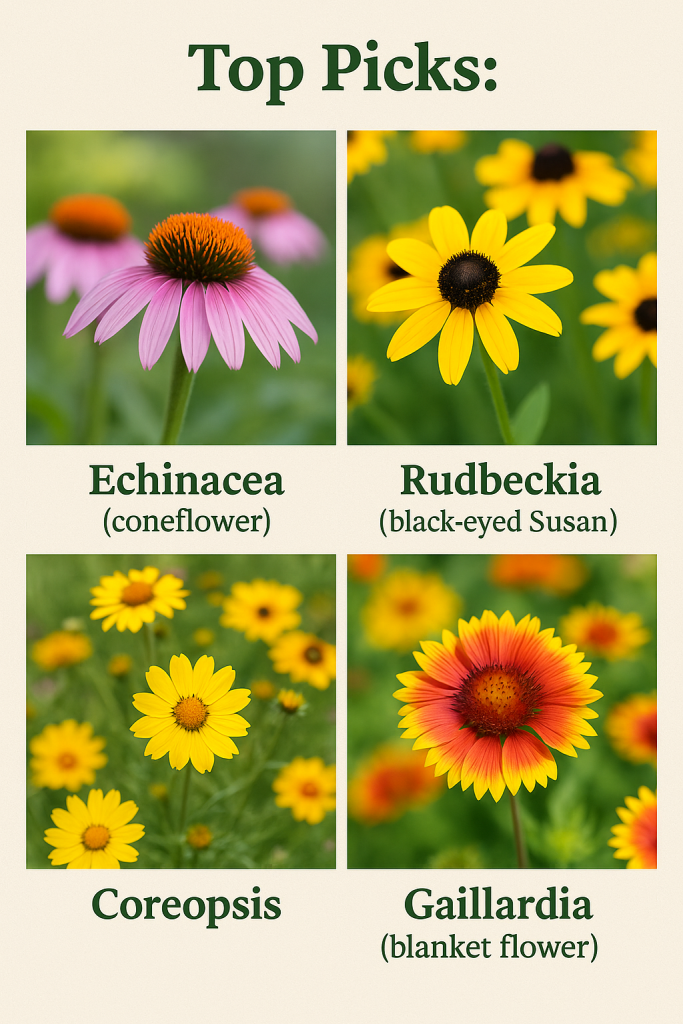
Top Picks:
- Echinacea (coneflower) – Zones 4–9, summer to fall
- Rudbeckia (black-eyed Susan) – Zones 3–9, midsummer to frost
- Coreopsis – Zones 4–9, late spring through summer
- Gaillardia (blanket flower) – Zones 3–10, late spring to fall
Why It Works:
- Daisy-like flowers are easy landing pads for pollinators
- Long bloom season and drought-tolerant
- Easy from seed, most are native to North America
Beginner Tip: Start with coneflowers and rudbeckia for long-lasting color. All are suitable for in-ground and container planting.
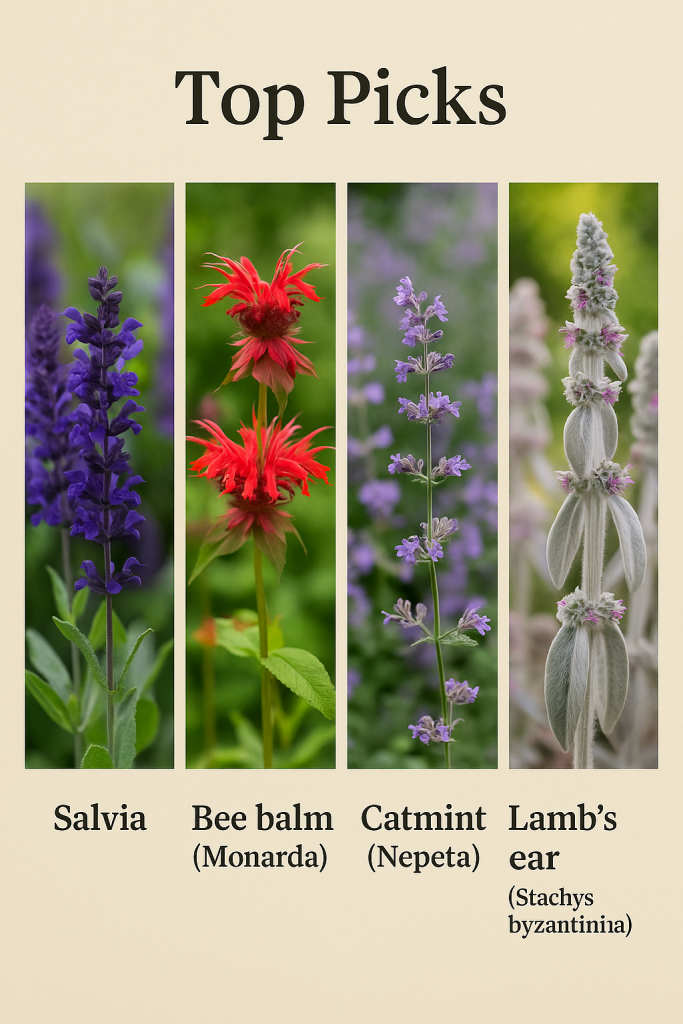
2. Mint Family (Lamiaceae)
Top Picks:
- Salvia – Zones 4–10, summer bloomers
- Bee balm (Monarda) – Zones 4–9, midsummer
- Catmint (Nepeta) – Zones 3–9, spring to fall
- Lamb’s ear (Stachys byzantina) – Zones 4–8, late spring
Why It Works:
- Tube-shaped blooms attract long-tongued bees and hummingbirds
- Strong fragrance deters deer but attracts beneficial insects
- Many are deer-resistant and heat-tolerant
Beginner Tip: Monarda and catmint bloom early and bounce back from neglect. Great for borders and herbaceous cottage-style beds.
3. Milkweed Family (Apocynaceae: Subfamily Asclepiadoideae)
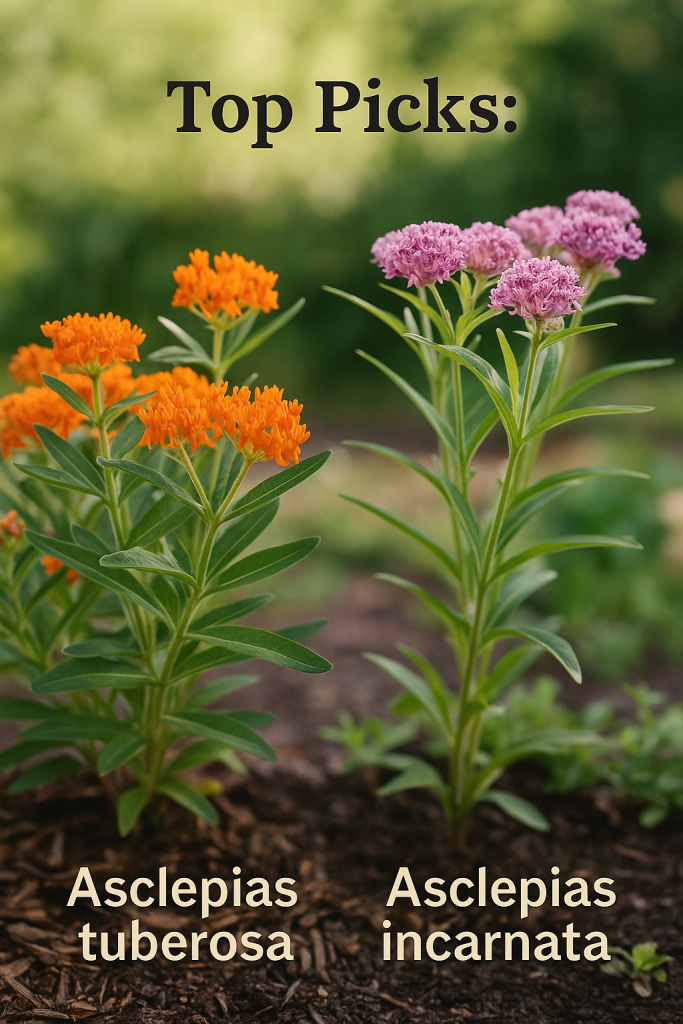
Top Picks:
- Asclepias tuberosa (butterfly weed) – Zones 4–9, summer
- Asclepias incarnata (swamp milkweed) – Zones 3–8, midsummer
Why It Works:
- Monarchs lay eggs only on milkweed
- Bright, nectar-rich blooms for butterflies and bees
- Native and low-maintenance in well-draining soil
Beginner Tip: Avoid tropical milkweed (A. curassavica) in cooler zones; stick with native types.
4. Verbena Family (Verbenaceae)
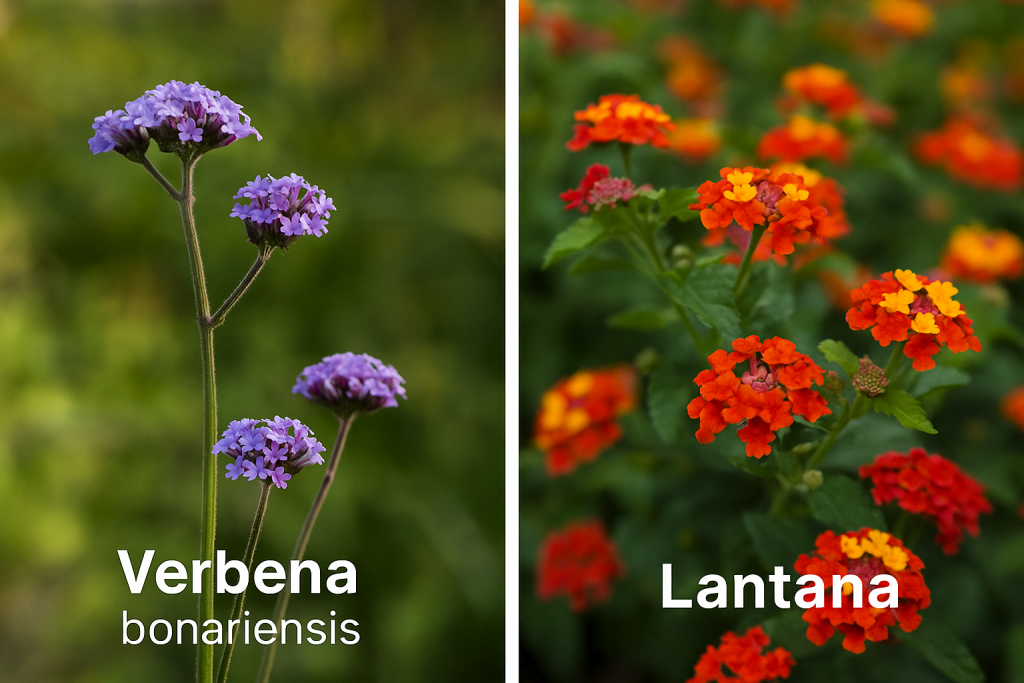
Top Picks:
- Verbena bonariensis – Zones 7–10, self-sowing annual elsewhere
- Lantana – Zones 9–11, annual in cooler zones
Why It Works:
- Continual blooms through heat and drought
- Loved by bees, butterflies, and hummingbirds
- Lantana adds bold color; verbena adds airiness
Beginner Tip: Try verbena in containers and lantana in sunny beds. Use in Zones 6–11 for best results.
5. Pea Family (Fabaceae)
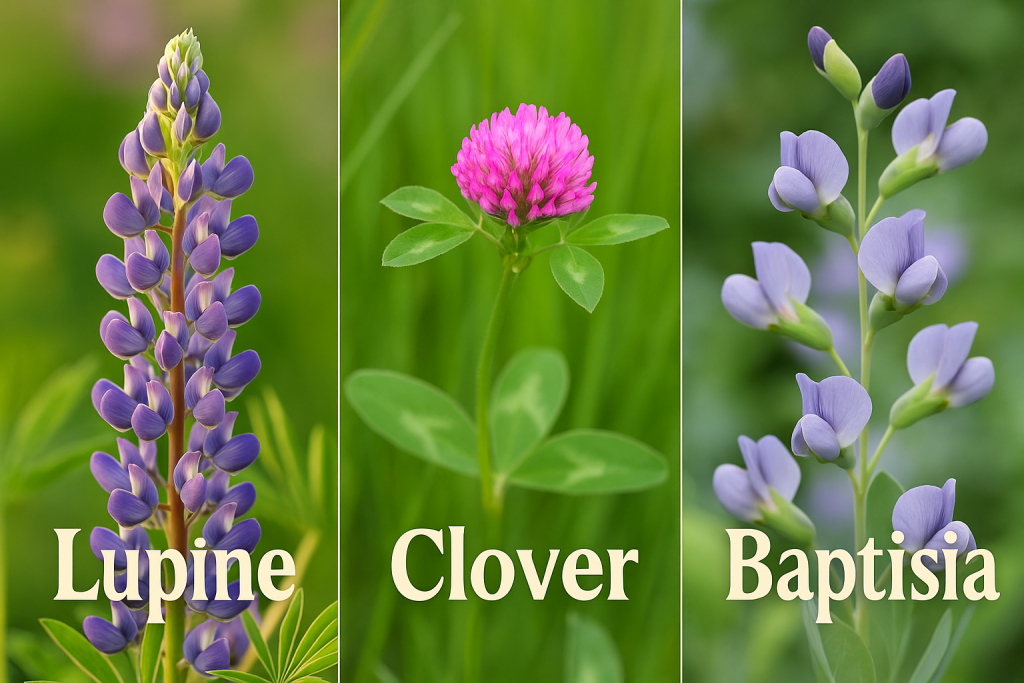
Top Picks:
- Lupine – Zones 4–8, spring
- Clover (Trifolium spp.) – Zones 3–9, cool season
- Baptisia (false indigo) – Zones 4–9, late spring
Why It Works:
- Nitrogen-fixing roots improve soil health
- Unique flower shapes for bee access
- Many native options that naturalize well
Beginner Tip: Clover is great for small patches, pollinator paths, and lawn alternatives.
Final Tips for New Pollinator Gardeners
- Group the same species in clumps of 3–5 plants for better visibility
- Avoid pesticides—even organic types may harm insects
- Choose single-flowered varieties (not double) for easier nectar access
- Provide a shallow water dish with pebbles
- Combine families to stretch bloom seasons and support more pollinators
Build Your Garden, One Family at a Time
Choosing plants by family is a simple way to create a balanced, effective pollinator garden. These floral dynasties offer blooms, habitat, and joy for gardeners and beneficial insects alike.
Download our free guide: “Beginner Pollinator Garden Families”
Pin this to your “Pollinator Gardening 101” board
Share your favorite flower family @Greenmuse and vote your match:
🔘 #TeamAsteraceae
🔘 #TeamLamiaceae
🔘 #TeamMilkweed
🔘 #TeamVerbena
🔘 #TeamFabaceae
🔘 #MixAndMatchFamily
Clara Moss is the gardener behind Greenmuse. Over the past 10+ years, she has grown herbs on windowsills, tested cactus and succulent soil mixes, rescued struggling houseplants, and learned many lessons through trial and error. Greenmuse is where she shares honest, practical plant care advice for real homes — based on hands-on experience, not perfect greenhouse conditions. When she’s not writing, Clara is usually propagating succulents or trying to keep a calathea happy.