A beginner’s guide to growing petunias with ease, purpose, and a touch of emotional beauty.
“A single bloom can soften a day — and petunias bloom by the thousands.”
What Is Petunia?
Botanical Name: Petunia spp.
Common Name: Petunia
Plant Type: Tender perennial often grown as annual
USDA Hardiness Zones: 9–11 (grown as annual elsewhere)
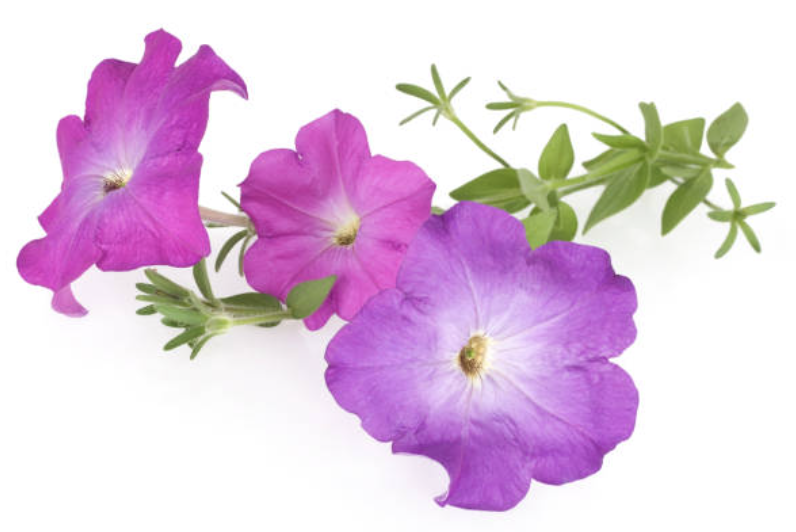
Why Choose Petunia for Your Garden?
- Long-lasting color: Petunias bloom from late spring to fall
- Sun-loving and drought-tolerant
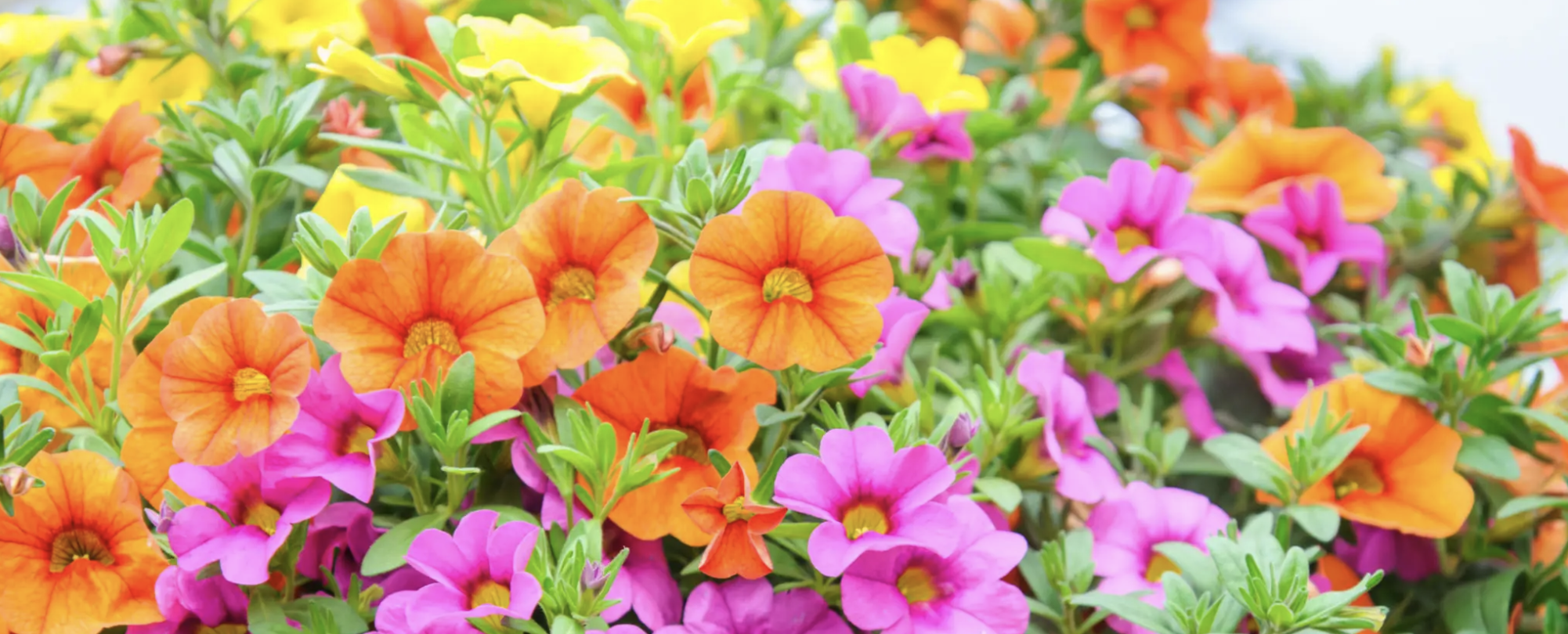
- Perfect for hanging baskets, balcony boxes, or ground cover
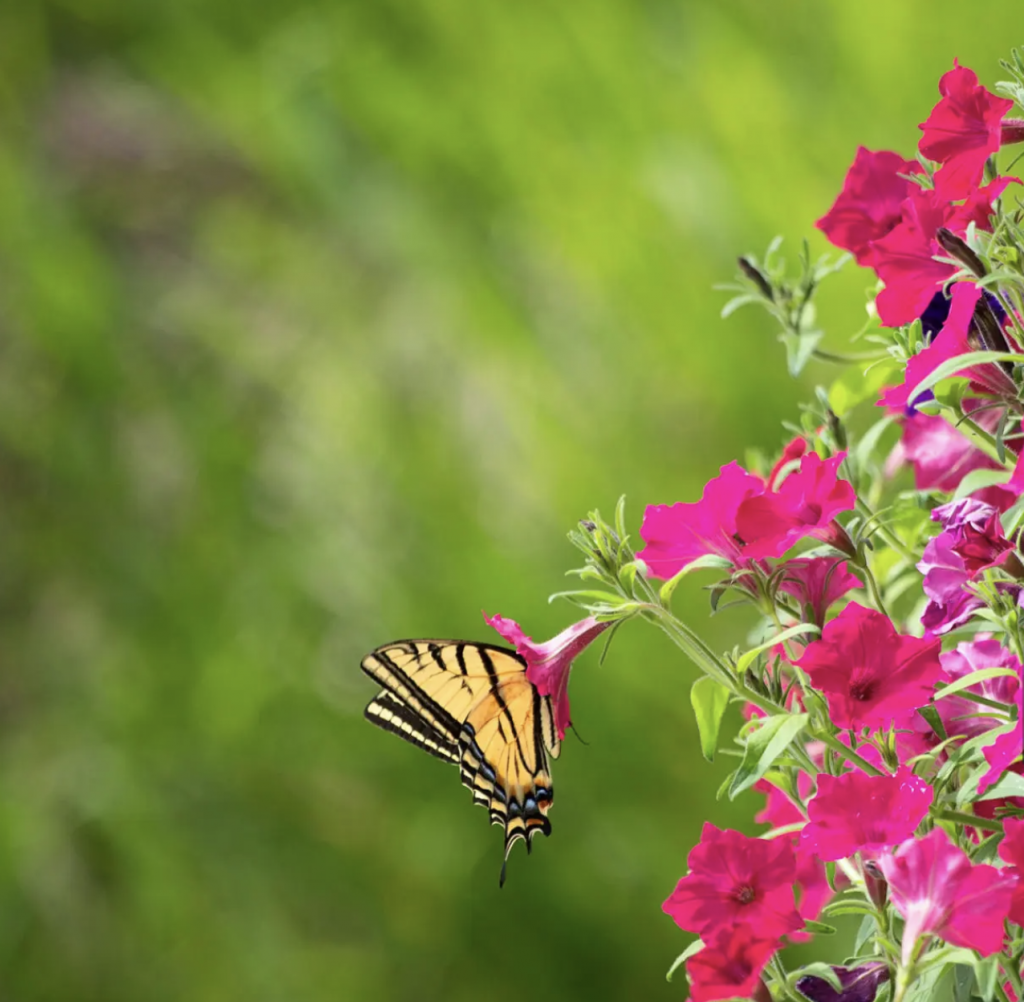
- Supports pollinators like hummingbirds and butterflies
- Colors that calm, uplift, or energize — depending on your soul’s season
Petunias are not just plants — they are a mood, a moment, a soft gesture in bloom.
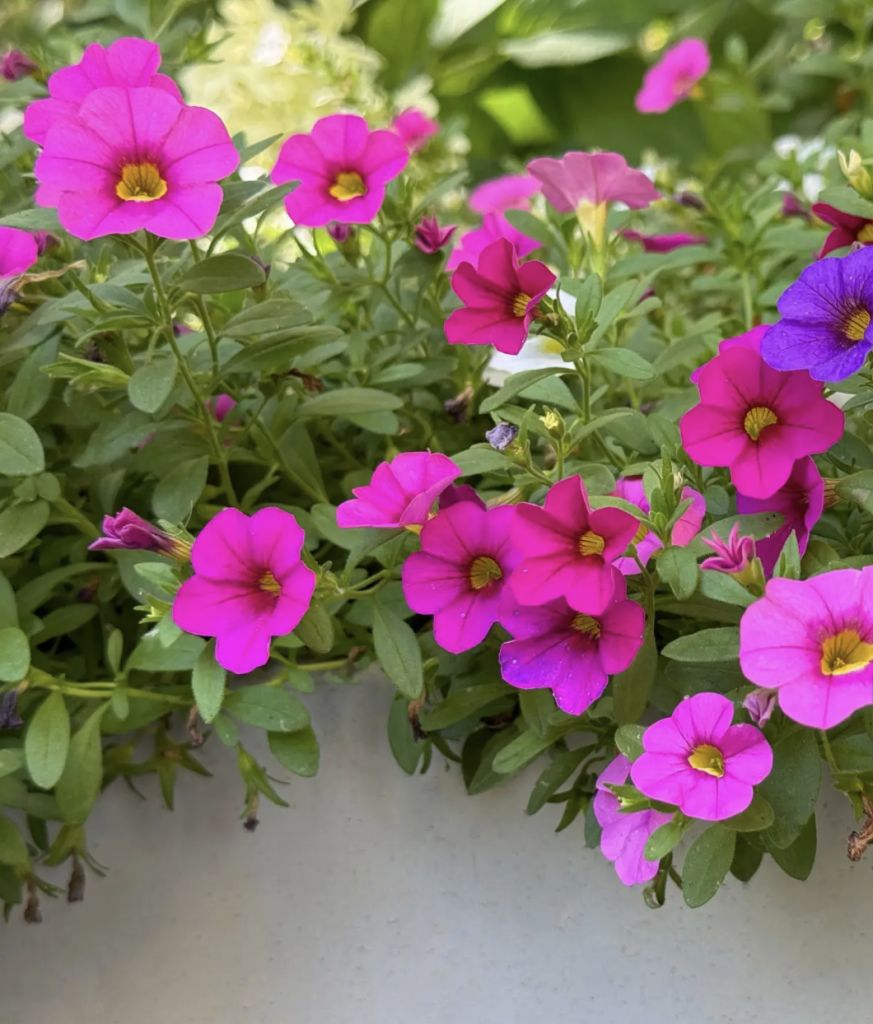
Popular Types of Petunias (For All Garden Sizes)
| Variety Type | Best For | Features |
| Grandiflora | Hanging baskets, containers | Large, ruffled blooms in vibrant shades |
| Multiflora | Mass planting, borders | Smaller flowers but more prolific |
| Wave Series | Spilling from boxes, ground cover | Self-cleaning, vigorous spreaders |
| Supertunia | Pollinator gardens, mixed pots | Hybrid, rain-tolerant, great branching |
Pro Tip: Mix wave types with upright herbs or trailing lavender for a vibrant healing container garden.
Light, Soil & Watering Needs
- Sunlight: Full sun (6+ hours daily) is essential for maximum bloom
- Soil: Well-draining, rich in organic matter
- Watering: Allow topsoil to dry slightly between waterings; reduce in cooler weather
- Fertilizer: Use a balanced liquid feed every 10–14 days during peak bloom
Sustainability & Emotional Wellness
- Petunias improve outdoor air quality by trapping dust and particulates
- When paired with native herbs or lavender, they support beneficial insects
- Their wide color range contributes to color therapy gardening — a mindful practice
- Easy to grow = low stress + high reward for urban gardeners
Inhale the fragrance. Touch the velvet petals. Let their softness soften your mind.
Beginner-Friendly Growing Tips
- Start with nursery transplants in early spring after frost
- Pinch back early growth to encourage branching
- Remove spent blooms weekly for nonstop flowers
- Use coco-lined hanging baskets for breathable root systems
- Group petunias near scented herbs or calming flowers like chamomile or thyme
Healing Garden Use Ideas
- Balcony therapy: Pair pink and lavender petunias with trailing lemon balm
- Color-coded mood box: Reds for energy, blues for calm, purples for creativity
- Hanging joy globe: Mixed-color petunias + scented geranium in a high basket
Frequently Asked Questions
Q: Do petunias need full sun?
A: Yes. At least 6 hours of direct sunlight per day is essential for optimal blooming.
Q: What is the best petunia for hanging baskets?
A: Wave and Supertunia series are popular choices due to their trailing growth and self-cleaning blooms.
Q: How do I keep petunias blooming all summer?
A: Regular deadheading, weekly fertilization, and full sun exposure will help maintain continuous bloom.
SEO Tip: Common Search Phrases
- how to grow petunias in pots
- best petunia varieties for baskets
- petunia bloom time
- wave petunia care
- sun or shade for petunias
Ecological Impact
- Petunias draw in pollinators, contributing to local biodiversity
- Grown with compost and organic methods, they leave a low environmental footprint
- Perfect for container gardens in urban environments to promote green mindfulness
Download Your Free Petunia Companion Planting & Mood Color Chart
Includes color therapy ideas + healing herb companions
👉 Explore more blooming guides at Greenmuse.io – your daily dose of garden calm.
Grow with joy. Heal with color. Bloom with Greenmuse.
Clara Moss is the gardener behind Greenmuse. Over the past 10+ years, she has grown herbs on windowsills, tested cactus and succulent soil mixes, rescued struggling houseplants, and learned many lessons through trial and error. Greenmuse is where she shares honest, practical plant care advice for real homes — based on hands-on experience, not perfect greenhouse conditions. When she’s not writing, Clara is usually propagating succulents or trying to keep a calathea happy.