Why Choose Balcony Flowers for Pollinators?
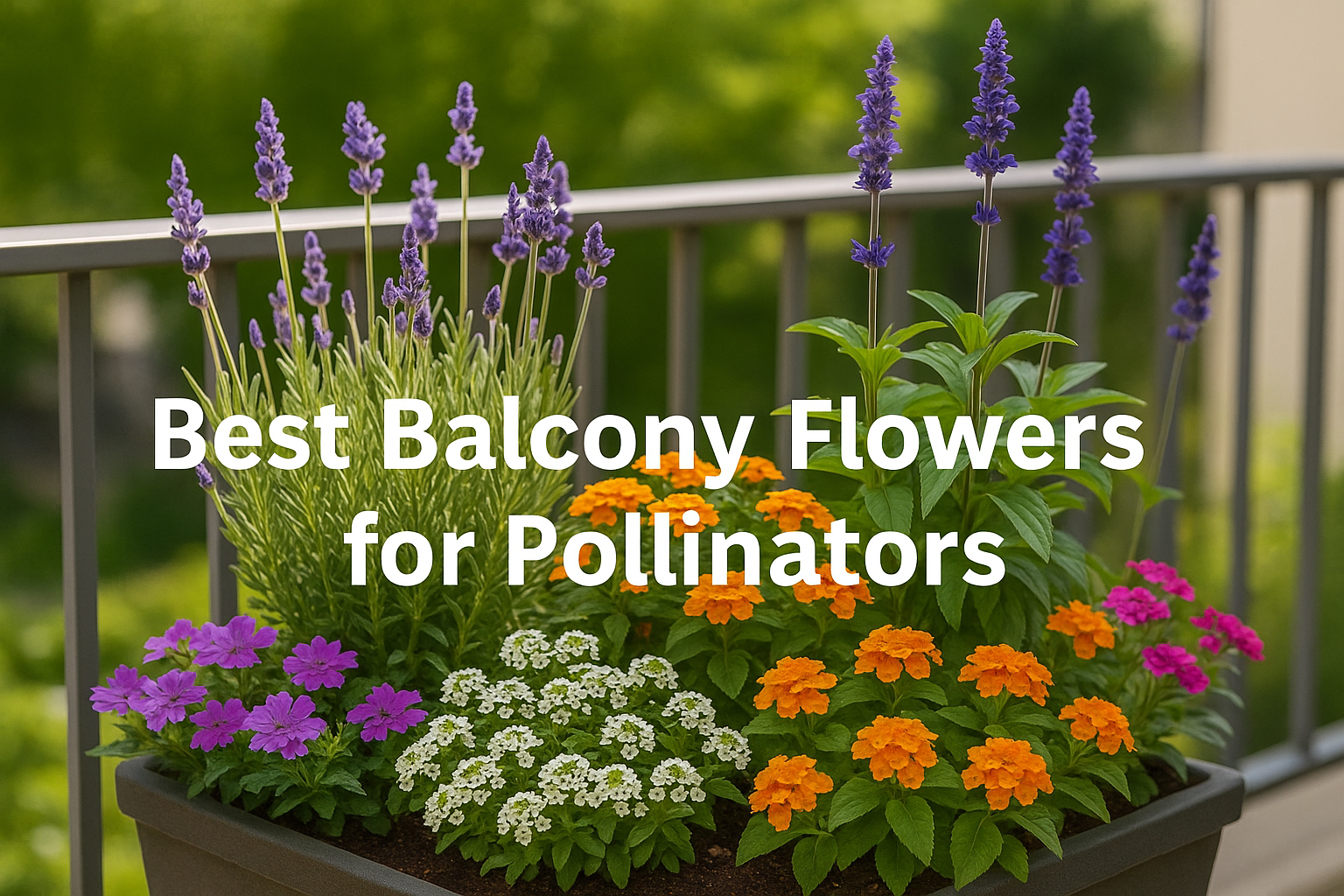
Tired of sterile city balconies? With just 3–4 well-chosen pots, you can create a buzzing micro-ecosystem that helps pollinators thrive.
Even in small urban spaces, balcony flowers can provide critical nectar and habitat for bees, butterflies, and hoverflies. These blooms aren’t just beautiful—they're functional, biodiversity-boosting, and perfect for climate-smart gardeners.
Do pollinator flowers really work in city balconies? Absolutely. If you plant it, they will come—especially if it's fragrant, nectar-rich, and pesticide-free.
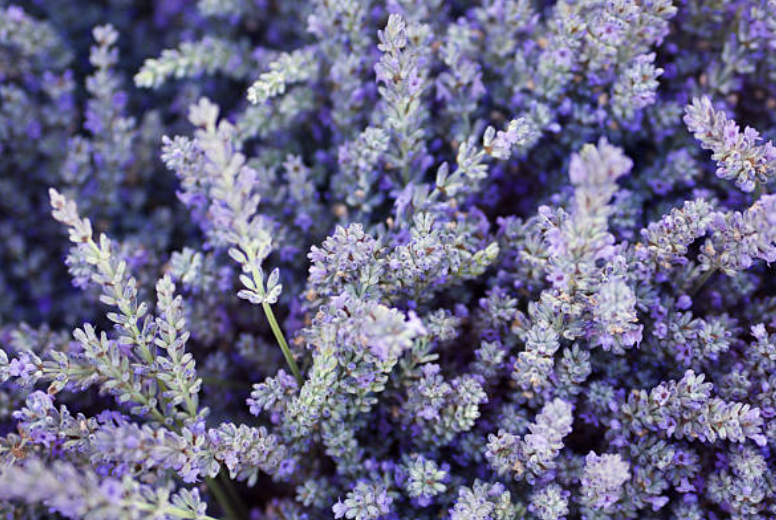
1. Lavender (Lavandula spp.)
- Best For: Sunny balconies, terracotta containers, narrow ledges
- Pollinator Benefits: Attracts honeybees, bumblebees, and hoverflies
- Why It Works: Long bloom time, drought-tolerant, fragrant
- Bonus: Great for DIY sachets or teas; can overwinter in Zones 6+
- Height/Spread: 12–24 inches high, bushy
- Flowering Duration: Late spring to early fall
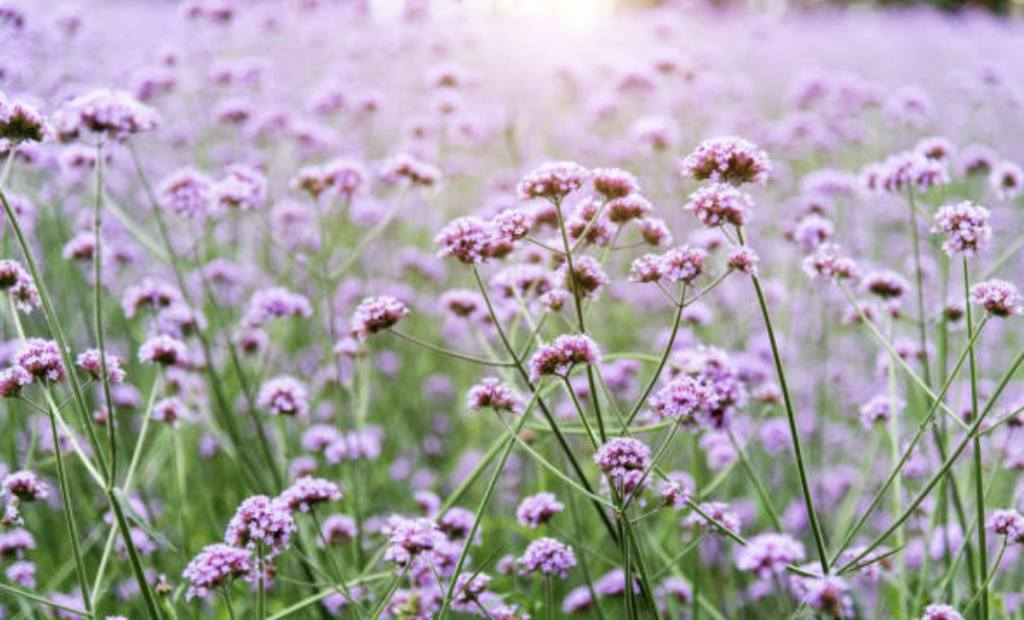
2. Verbena (Verbena rigida or hybrida)
- Best For: Hanging baskets, railing planters, window boxes
- Pollinator Benefits: Irresistible to butterflies
- Why It Works: Nonstop color, minimal care, tidy growth habit
- Bonus: Self-cleaning blooms = no deadheading required
- Height/Spread: 10–14 inches high, trails up to 18 inches
- Flowering Duration: Summer through frost
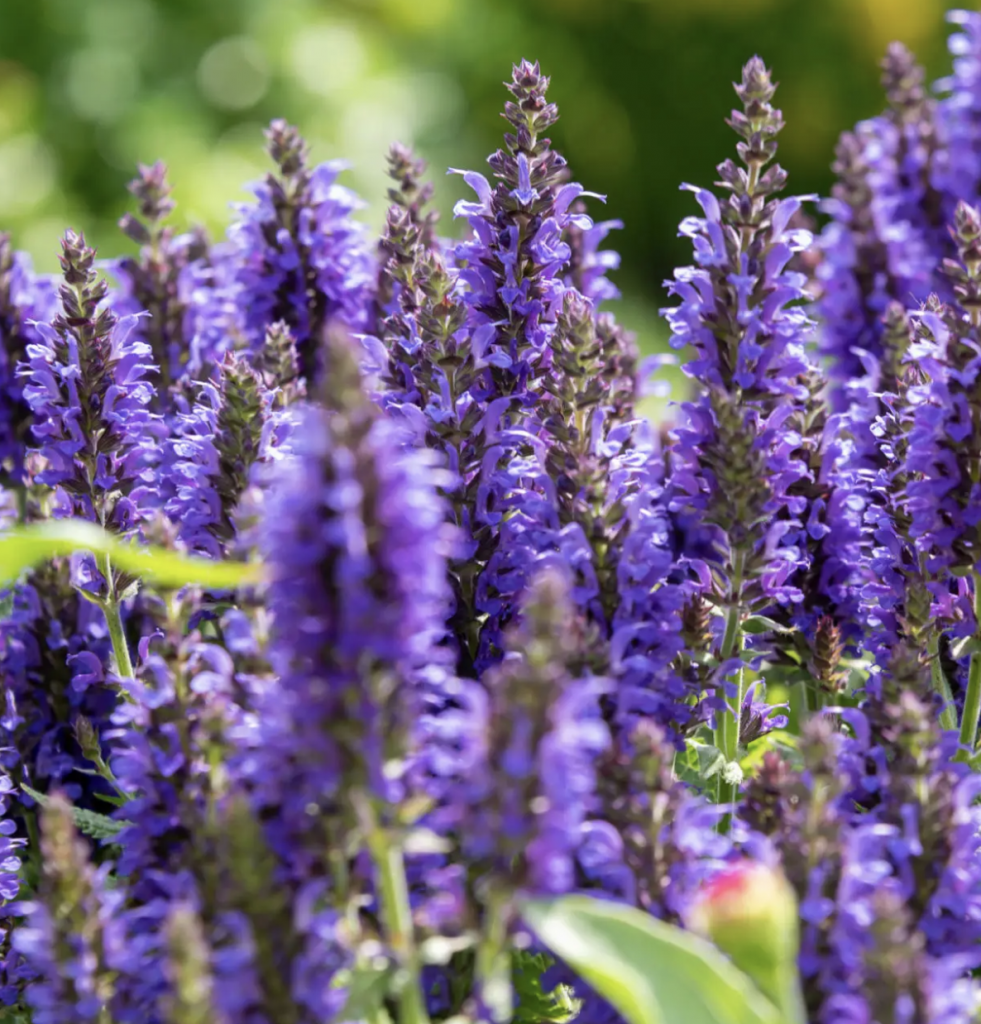
3. Salvia (Salvia farinacea or splendens)
- Best For: Vertical color, small-space borders, full-sun spots
- Pollinator Benefits: Loved by hummingbirds and long-tongued bees
- Why It Works: Heat-tolerant, easy to grow in pots
- Bonus: Available in compact varieties ideal for balconies
- Height/Spread: 12–18 inches high, upright
- Flowering Duration: Mid-spring to late fall
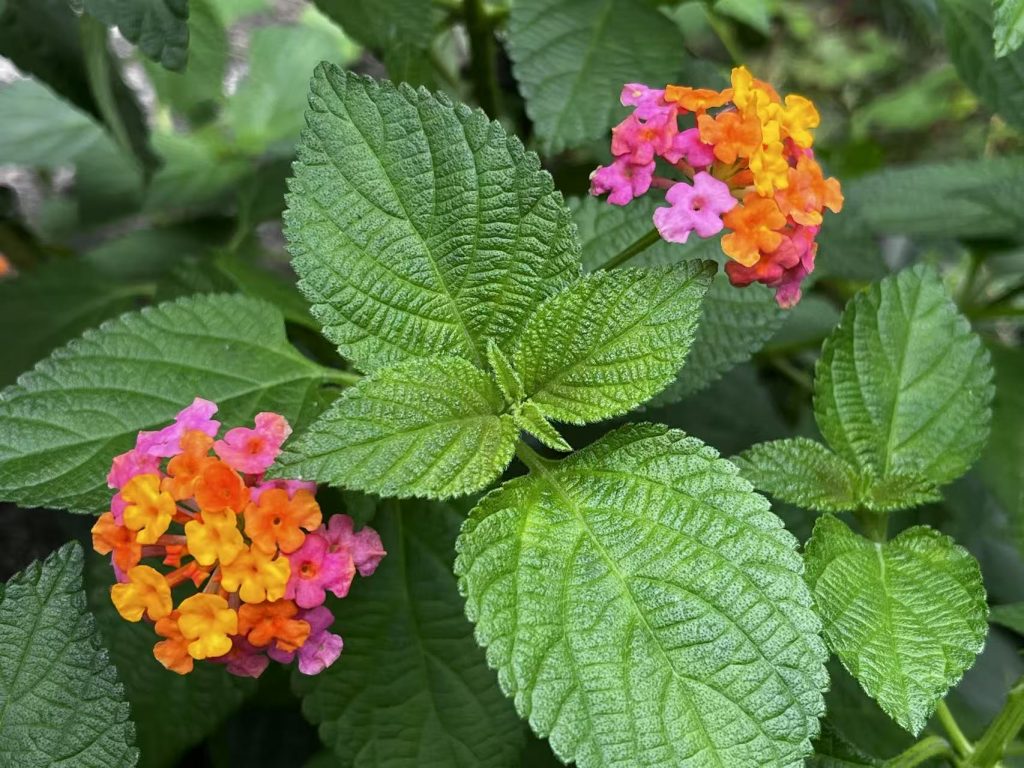
4. Lantana (Lantana camara)
- Best For: Full-sun balconies, railing boxes, trailing containers
- Pollinator Benefits: Excellent nectar source for bees and butterflies
- Why It Works: Bold color clusters, heat-loving, forgiving of dry spells
- Bonus: Deer- and drought-resistant
- Height/Spread: 8–12 inches high, trailing up to 24 inches
- Flowering Duration: Summer to frost
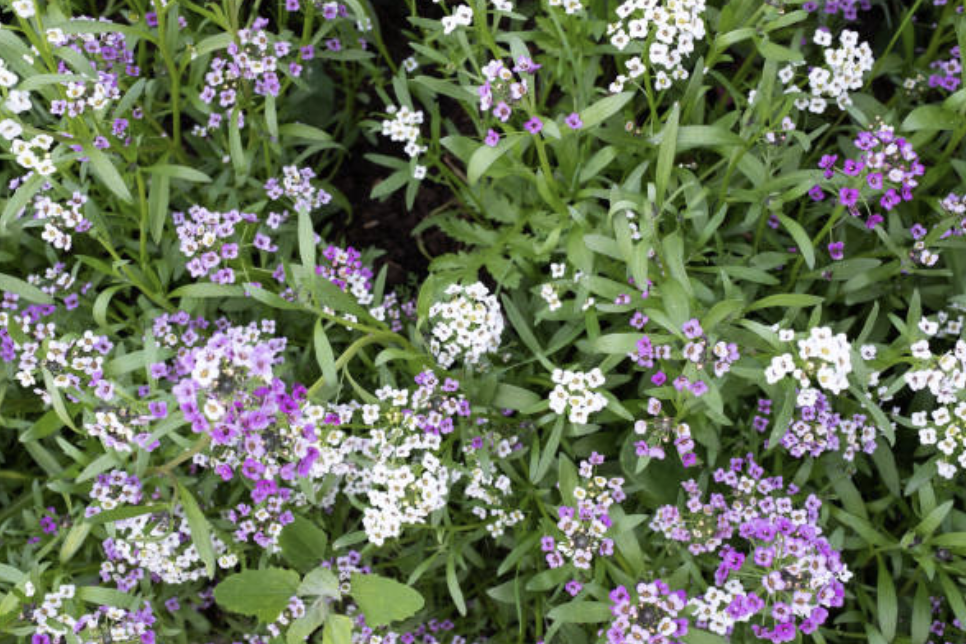
5. Alyssum (Lobularia maritima)
- Best For: Edging containers, hanging baskets, cool corners
- Pollinator Benefits: Attracts native bees, hoverflies, and lacewings
- Why It Works: Honey-scented, airy look, fast to flower
- Bonus: Can self-seed and rebloom into cooler months
- Height/Spread: 4–6 inches tall, spreads 8–12 inches
- Flowering Duration: Spring to early summer, again in fall
Bonus Picks for a Balcony Pollinator Mix
Nasturtium – Edible blooms with spicy scent and bee appeal
Petunia (heirloom scented) – Attracts moths and butterflies at dusk
Cosmos – Tall and airy, creates light movement and hover-friendly landing pads
Combo Tip: Try 1 Lavender (center) + 2 Alyssum (edges) + 1 trailing Lantana = Buzzing Balcony in 1 square foot
How to Create a Pollinator-Friendly Balcony
- Group same species: Visual mass attracts more insects
- Single flowers > double: Easier access to nectar
- No pesticides: Even organic sprays can harm beneficial insects
- Provide water: Use a shallow dish with pebbles so bees can land safely
- Consider wind: Use taller plants or bamboo screens as wind buffers
Your Balcony Can Bloom with Life
No matter how small your space, your balcony can become a pollinator magnet with thoughtful plant choices. With continuous blooms, fragrance, and a shallow water source, your high-rise haven might just become a winged visitor’s favorite stop.
Pin this to your “Bee-Friendly Urban Garden” board
Tag @Greenmuse and show us how you’re feeding pollinators from your balcony!
Clara Moss is the gardener behind Greenmuse. Over the past 10+ years, she has grown herbs on windowsills, tested cactus and succulent soil mixes, rescued struggling houseplants, and learned many lessons through trial and error. Greenmuse is where she shares honest, practical plant care advice for real homes — based on hands-on experience, not perfect greenhouse conditions. When she’s not writing, Clara is usually propagating succulents or trying to keep a calathea happy.