What if luck could grow on a stem? Meet Oxalis, more fondly known as Wood Sorrel, a charming and often underrated plant that blends ornamental appeal, traditional healing, and a touch of serendipity—all in one pot.
Whether you know it as the “Lucky Clover,” “Pink Shamrock,” or by its scientific name Oxalis, this perennial herbaceous plant is more than just a St. Patrick’s Day mascot. With its trifoliate leaves and bright blooms, Oxalis is winning hearts as a popular groundcover, houseplant, and wellness garden staple.
The Name Behind the Luck
In Chinese, it’s known as 酢浆草 (Cùjiāngcǎo), meaning “sour leafy herb,” a nod to the tangy, citrus-like flavor of its leaves (due to natural oxalic acid content). This sourness links it to its historical use in both traditional medicine and as a humble edible green.
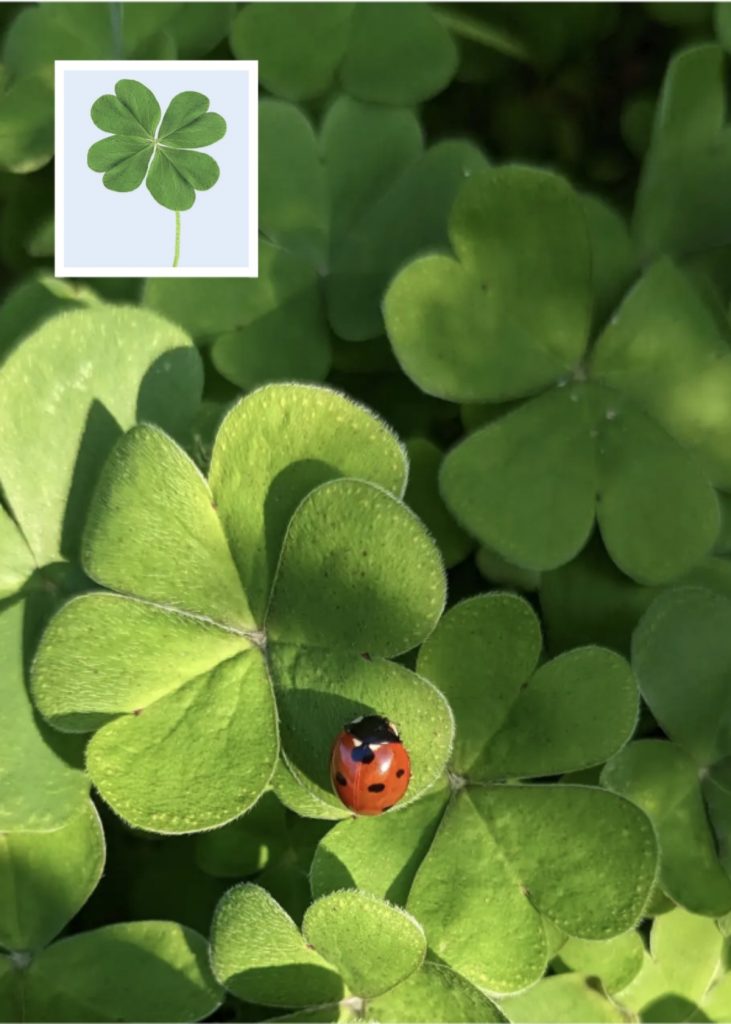
The Latin name Oxalis is derived from the Greek word oxys, meaning "sharp" or "acid," again referring to its sour taste. But it’s the three-lobed leaves that give it its global fame as a symbol of luck, especially when a rare four-leaf variation appears—a real-life lucky charm.
Visual Appeal & Botanical Features
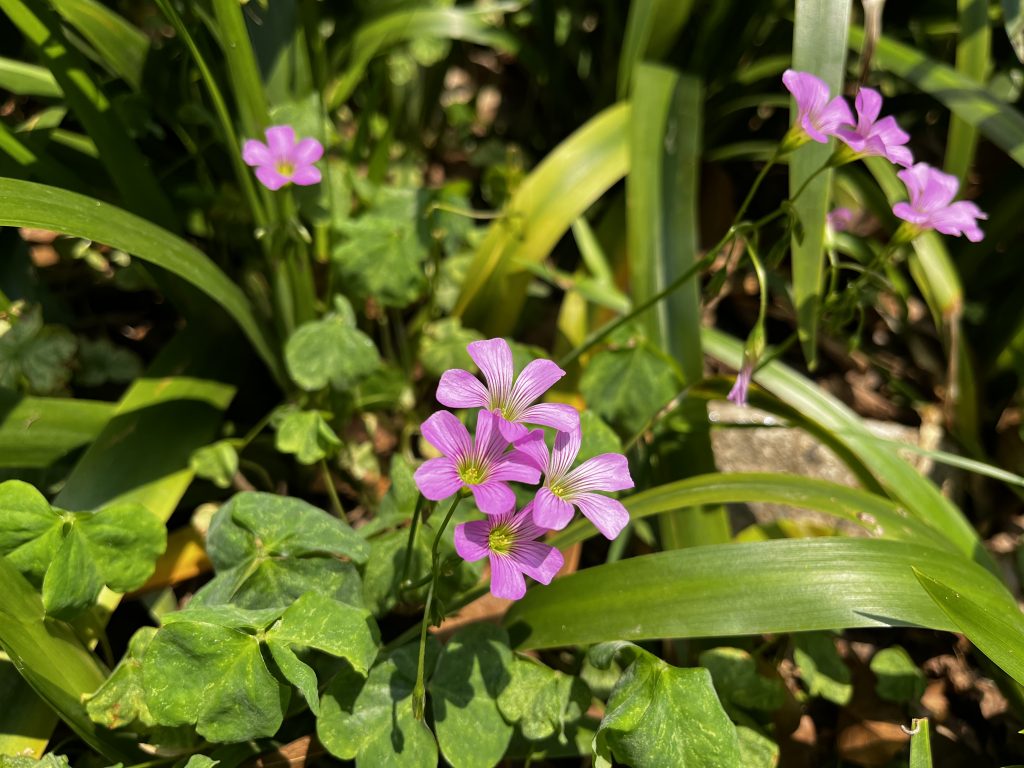
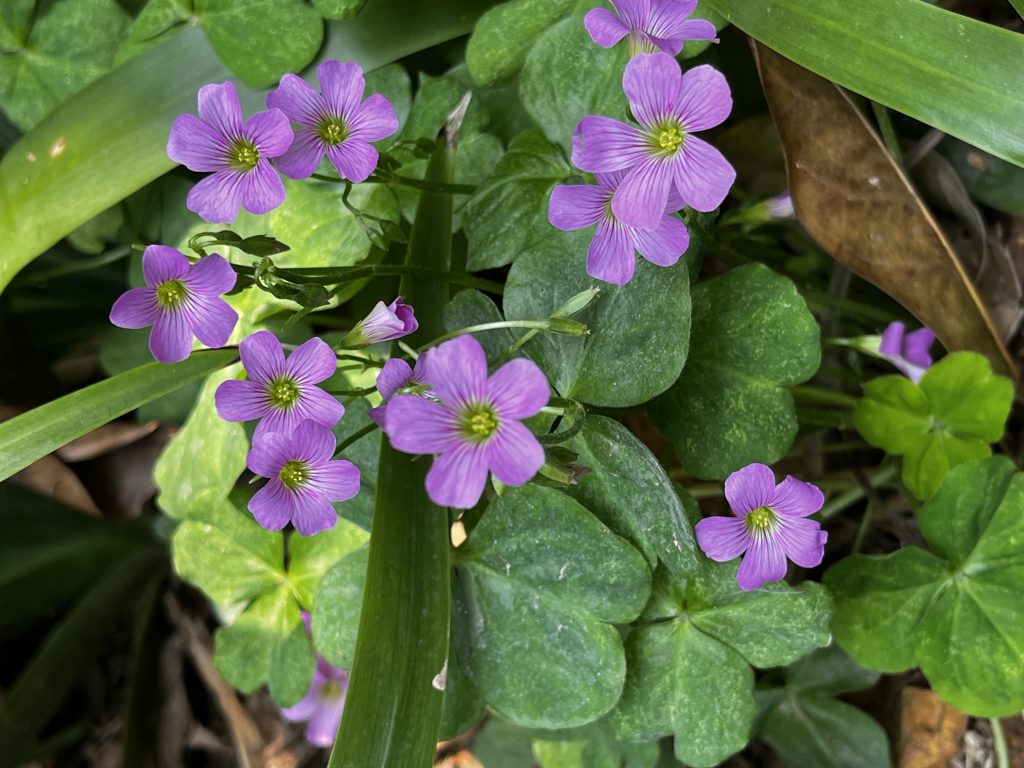
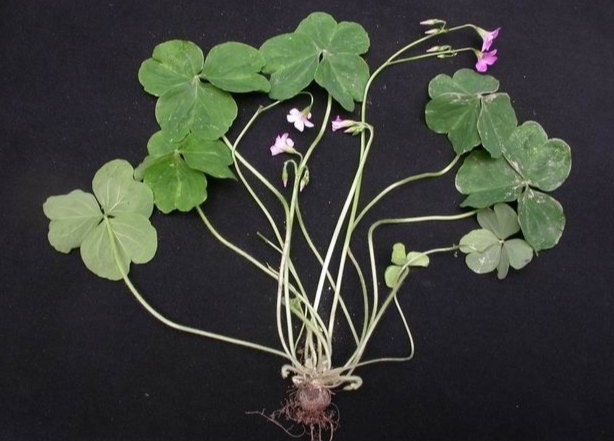
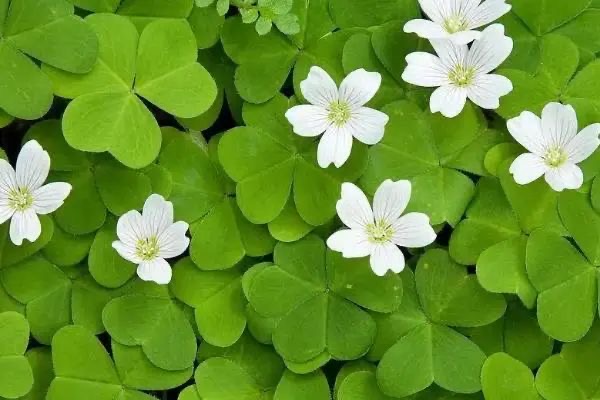
Oxalis is a low-growing, soft-stemmed plant with no prominent central stem. It produces long, delicate petioles (leaf stalks), each carrying a trifoliate (three-leaf) blade in a distinct heart or butterfly shape. The most familiar types bear purple-pink or bright yellow flowers, which bloom from late spring through fall.
Look closely and you might spot:
- Reversible leaves: Deep green on top, purplish underneath.
- Fine hairs along stems and leaf edges.
- Delicate flowers with five petals in umbrella-like clusters.
Occasionally, a mutation creates a four-leaf cluster—the so-called Lucky Leaf, bringing symbolism and curiosity together in one pot.

Growing Conditions & Habits
Originating in East and Southeast Asia, Oxalis thrives in warm, humid environments and prefers well-drained, slightly acidic soils rich in organic matter. It's commonly cultivated in regions like southern China but adapts well to temperate climates in pots or garden beds.
Ideal Growing Conditions:
- Light: Bright, indirect light to partial sun (avoid harsh midday rays)
- Water: Keep soil moist but not soggy; allow top layer to dry slightly between waterings
- Soil: Loose, fertile, and well-draining—add a bit of sand or perlite
- Humidity: Prefers moderate to high humidity, mimicking its tropical origins
Propagation and Care Tips
Oxalis is simple to propagate:
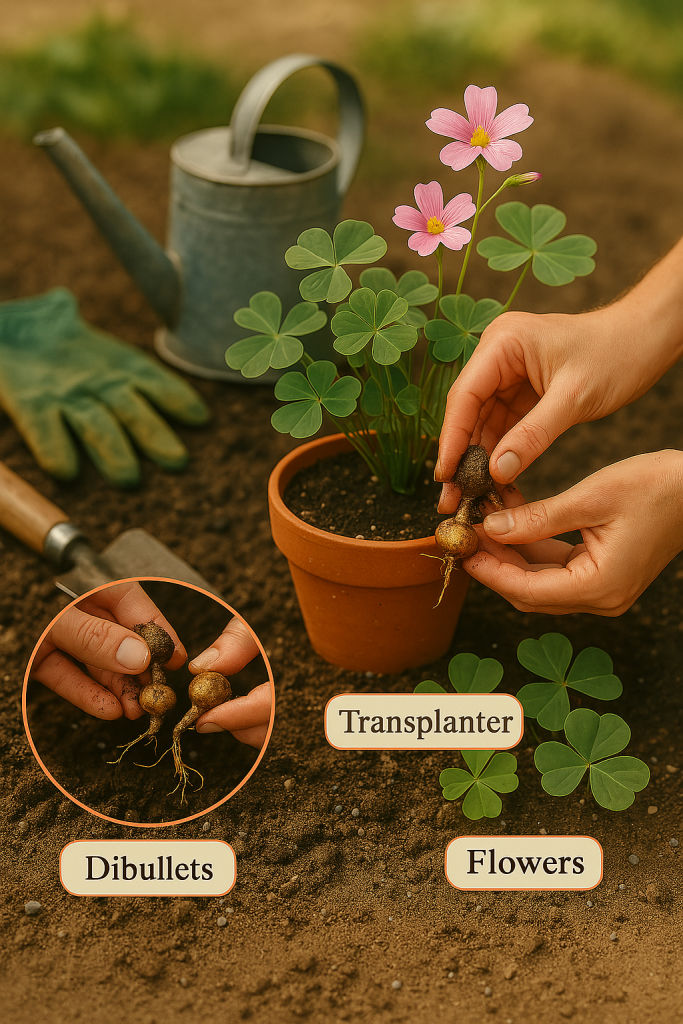
Division: Separate rhizomes gently and replant in fresh soil
Bulblets: In some species, bulb-like structures can be split and grown independently
Seed: Less common, but possible for larger cultivars
Ongoing Care:
- Fertilize lightly during the growing season (spring to early autumn)
- Trim dead leaves and faded flowers regularly to encourage blooming
- Overwinter: In cooler zones, bring pots indoors or mulch over garden plantings
Medicinal History & Modern Wellness
Oxalis has long been used in traditional Chinese medicine as a cooling, detoxifying herb. Known remedies include treatments for:
Inflammation, sore throat, and mouth ulcers
Skin irritation, wounds, and even minor burns
Digestive discomfort like diarrhea and jaundice
⚠️ Important Note: While historically used medicinally, the plant contains oxalic acid, which can be toxic in large quantities—especially to livestock or pets. Use responsibly and consult an expert before ingesting.
A Plant of Luck and Lifestyle
In today’s wellness-driven garden culture, Oxalis checks every box:
Low-maintenance
Visually soothing
Full of cultural symbolism
And it may just bring a bit of luck to your windowsill or backyard oasis.
It’s no surprise that Oxalis has found its way into everything from urban balcony gardens to eco-style floral arrangements. As more gardeners seek meaningful, multi-functional plants, the lucky Oxalis is having a moment.
Final Thought
Whether you’re seeking herbal nostalgia, minimalist aesthetics, or a little botanical magic, Oxalis brings it all. It’s small, strong, beautiful—and just might be your new favorite green companion.
Clara Moss is the gardener behind Greenmuse. Over the past 10+ years, she has grown herbs on windowsills, tested cactus and succulent soil mixes, rescued struggling houseplants, and learned many lessons through trial and error. Greenmuse is where she shares honest, practical plant care advice for real homes — based on hands-on experience, not perfect greenhouse conditions. When she’s not writing, Clara is usually propagating succulents or trying to keep a calathea happy.