With its silvery-green needles and invigorating scent, rosemary is more than just an herb—it's a timeless symbol of remembrance, resilience, and rustic charm. Whether you’re cultivating a kitchen garden, seeking a natural pest repellent, or adding a touch of Mediterranean flair to your home, rosemary is your steadfast companion through seasons of growth and flavor.
Quick Facts: Rosemary at a Glance
| Botanical Name | Salvia rosmarinus (formerly Rosmarinus officinalis) |
| Common Names | Rosemary, Dew of the Sea |
| Plant Type | Woody perennial shrub |
| Height | 2-4 feet (60-120 cm); up to 6 feet (180 cm) when mature |
| Sunlight | Full sun (6-8 hours/day) |
| Watering | Drought-tolerant once established; water sparingly |
| Soil | Well-draining, sandy or loamy, low in nutrients |
| USDA Zones | 7-10 (some hardy cultivars to zone 6) |
| Flowering | Late spring to early summer (blue, purple, or white flowers) |
Why Rosemary Deserves a Spot in Every Garden
1. The Memory Herb (Backed by Science and Shakespeare)
"There’s rosemary, that’s for remembrance."
Shakespeare wasn't wrong. Research supports that rosemary’s camphor-rich essential oils can enhance memory, focus, and cognitive performance.
A 2012 study published in Therapeutic Advances in Psychopharmacology found that participants exposed to rosemary scent had significantly improved memory compared to controls.【¹】
Gardener’s Tip:
Plant rosemary near doorways, windows, or garden paths—places where brushing against its leaves releases the uplifting aroma, sparking moments of clarity and calm.
2. Natural Pest Repellent & Companion Plant
Rosemary’s strong scent doesn’t just stimulate your brain—it repels garden pests like cabbage moths, carrot flies, and mosquitoes. It’s a natural bodyguard for neighboring plants, particularly brassicas and carrots.
Common Problem:
Urban gardeners struggle with chemical-free pest management.
Solution:
Use rosemary borders or place potted rosemary near vulnerable crops. It acts as a sustainable pest deterrent, reducing the need for sprays.

3. Drought Warrior: Thrives on Neglect
Where other herbs wilt, rosemary thrives in tough conditions—rocky soils, hot sun, dry spells. It’s a resilient companion for low-maintenance gardeners.
Try This:
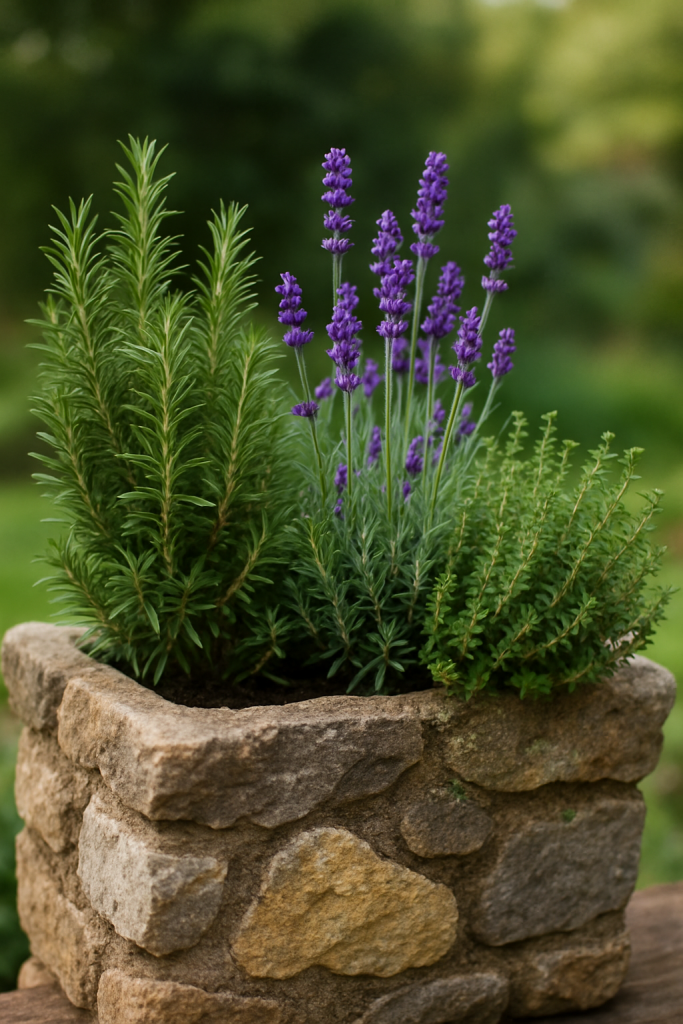
Design a Mediterranean-themed herb bed with rosemary, lavender, and thyme—perfect for xeriscaping (low-water landscaping).
Troubleshooting Rosemary: Common Issues Solved
| Problem | Cause | Solution |
| Root rot | Overwatering, poor drainage | Use sandy, well-draining soil; water sparingly |
| Leggy growth | Insufficient sunlight | Ensure at least 6-8 hours of full sun |
| Yellowing leaves | Overwatering or nutrient buildup | Reduce watering; avoid fertilizers high in nitrogen |
| Pests (spider mites) | Dry air, indoor conditions | Mist lightly or move outdoors for airflow |
Step-by-Step: Growing Rosemary Like a Pro (Indoors & Out)
- Start from Cuttings or Nursery Plants:
- Cuttings root in 3-4 weeks in water or sandy soil.
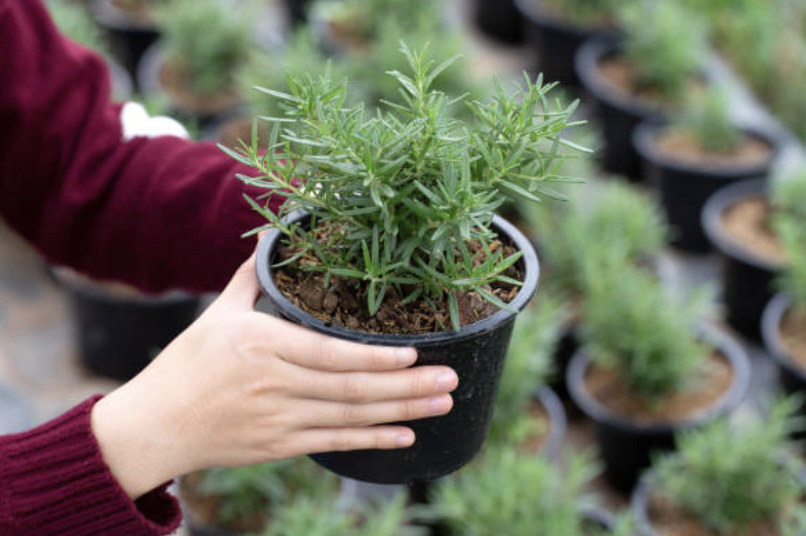
- Nursery plants establish quickly and are ideal for beginners.
- Sun, Soil, and Drainage:
- Full sun is essential.
- Use sandy, well-draining soil—avoid heavy clay or rich compost.
- Watering Wisdom:
- Let the top inch of soil dry before watering. Rosemary prefers to be on the dry side.
- Prune Regularly:
- Light pruning encourages bushy growth and prevents woody stems.
- Harvest year-round, but avoid cutting more than one-third at a time.
- Winter Care:
- In colder zones (6 and below), bring rosemary indoors during winter or grow hardy varieties like ‘Arp’ or ‘Hill Hardy’.

Creative Ways to Use Rosemary Beyond Cooking
- Herbal Smudge Sticks: Dry rosemary sprigs and combine with lavender for a natural cleansing bundle.
- Memory-Boosting Aromatherapy: Add a few sprigs to your shower or bath, releasing invigorating steam.
- DIY Pest Spray: Simmer rosemary with water and a touch of vinegar for a chemical-free insect repellent.

Fun Facts to Share (and Save!)
- Rosemary was burned in ancient Greek temples as a purifying incense.
- The name “Rosmarinus” means “dew of the sea”—rosemary thrives in coastal regions.
- Bees love rosemary’s nectar, making it a pollinator-friendly powerhouse.
Let’s Grow Together!
Have you tried growing rosemary indoors or used it in unexpected ways?
Share your rosemary garden hacks or favorite uses with us
SEO Meta Description:
Learn how to grow rosemary like a pro while unlocking its benefits for memory, pest control, and drought resilience. A complete rosemary care guide for every gardener!
Clara Moss is the gardener behind Greenmuse. Over the past 10+ years, she has grown herbs on windowsills, tested cactus and succulent soil mixes, rescued struggling houseplants, and learned many lessons through trial and error. Greenmuse is where she shares honest, practical plant care advice for real homes — based on hands-on experience, not perfect greenhouse conditions. When she’s not writing, Clara is usually propagating succulents or trying to keep a calathea happy.