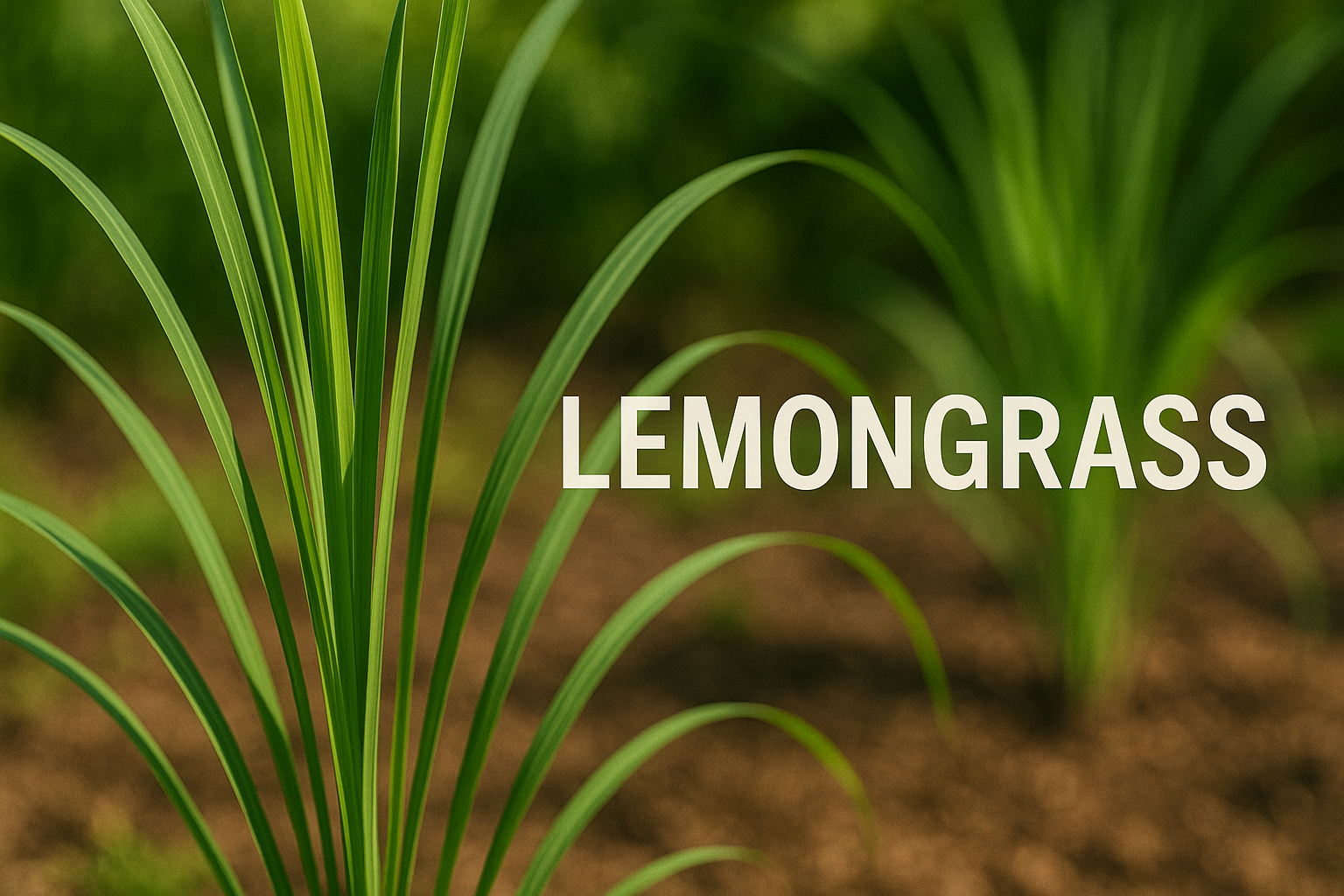
Lemongrass Overview
| Attribute | Description |
|---|---|
| Genus Name | Cymbopogon citratus |
| Common Name | Lemongrass |
| Plant Type | Tropical grass, Perennial (Zone-dependent) |
| Light | Full Sun |
| Height | 3 to 6 feet (90–180 cm) |
| Width | 2 to 4 feet (60–120 cm) |
| Foliage Color | Bright green |
| Zones | 9–11 (grown as annual or potted elsewhere) |
| Propagation | Division, Stalk rooting |
Why Grow Lemongrass?
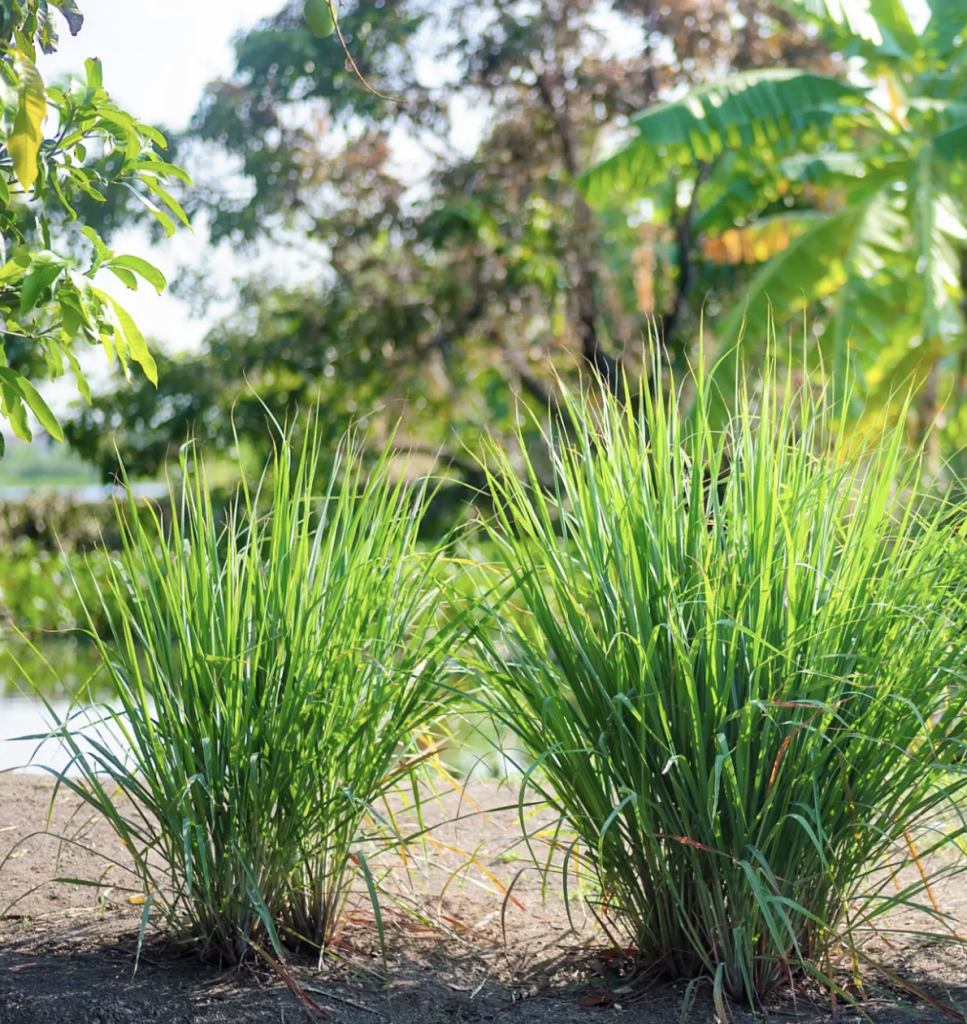
Lemongrass brings vibrant tropical aroma, striking vertical form, and powerful culinary potential. With its citrusy scent and anti-mosquito properties, this grass does more than decorate.
It’s an edible herb, a healing plant, and a natural fragrance diffuser for patios and kitchens alike.
Key Varieties for Home Gardeners
| Type | Use | Notes |
|---|---|---|
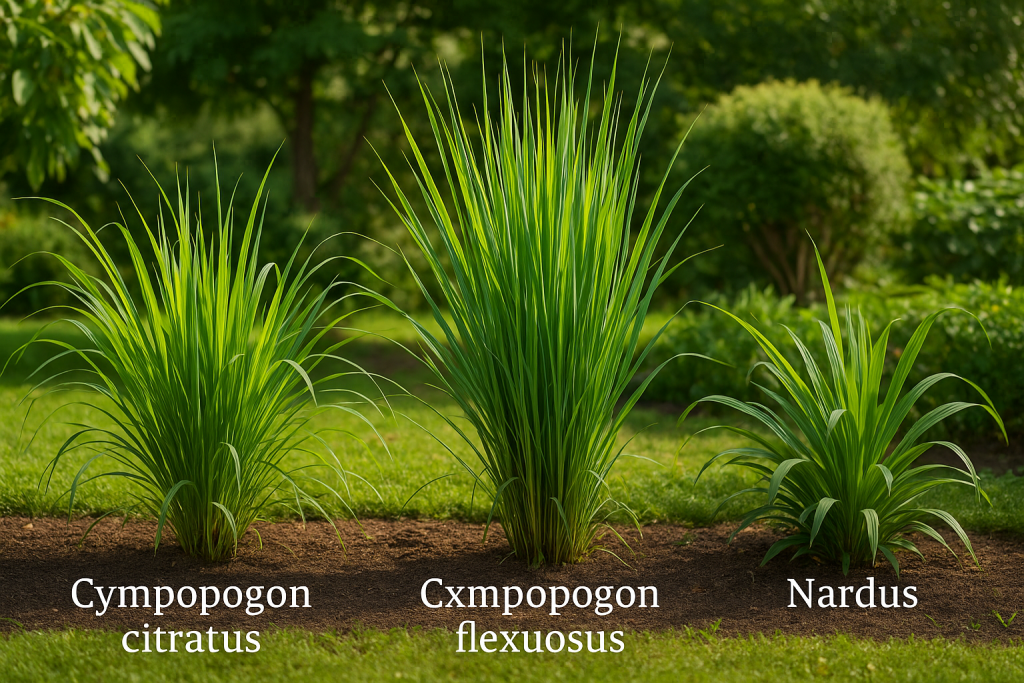
| Cymbopogon citratus | Culinary, Tea | Most flavorful; needs warmth |
| Cymbopogon flexuosus | Essential oils, Aroma | Higher citral content |
| Cymbopogon nardus | Mosquito repellent only | Not edible (citronella grass) |
✅ For cooking, choose Cymbopogon citratus—the classic Thai lemongrass.
How to Grow Lemongrass
Light
Full sun (6–8 hours daily). Lemongrass loves heat.
Soil
Well-drained, sandy or loamy soil. pH 6.5–7.5 is ideal.
Spacing
At least 24 inches apart — plants grow wide!
Temperature
Thrives in warm, humid conditions. Below 40°F (4°C), it may die back unless protected.
Container Gardening Tips
Lemongrass thrives in pots! Great for decks, patios, and balconies.
- Pot Size: Minimum 12–14" diameter
- Drainage: Essential—add coarse sand or perlite
- Winter Care: Bring indoors before frost or overwinter indoors in a sunny window
Bonus Tip: Place near seating areas to naturally repel mosquitoes!
Propagation Methods
| Method | How-to |
|---|---|
| Division | Dig up mature clump and separate stalks with roots |
| Rooting Stalks | Use grocery store stalks—trim and root in water |
Roots develop in 1–2 weeks when placed in clean water with sunlight.
Harvest & Culinary Use
- When to Harvest: After 4+ months, when stalks are thick and flavorful
- How to Harvest: Twist or cut stalks near the base
- Kitchen Uses:
- Thai curries and soups (Tom Yum, Tom Kha)
- Herbal teas and detox waters
- Stir-fries and marinades
Use lower stalks for cooking, and upper leaves for teas or mulching.
Lemongrass Care Schedule
| Season | Task |
|---|---|
| Spring | Plant divisions or rooted stalks |
| Summer | Water weekly, fertilize monthly |
| Fall | Harvest mature stalks |
| Winter | Move pots indoors or mulch deeply |
Common Problems & Solutions
| Issue | Cause | Solution |
|---|---|---|
| Browning tips | Drought or wind | Water regularly, protect from wind |
| Stunted growth | Cold or low light | Ensure warmth and full sun |
| Root rot | Poor drainage | Use sandy soil, avoid overwatering |
Healing & Garden Benefits
Lemongrass is known for:
- Stress relief through aromatherapy
- Digestive aid in teas
- Natural mosquito repellent
- Visual vertical accent in herbal gardens
It’s both a kitchen staple and a sensory companion, transforming patios into relaxing retreats.
Best Companion Plants
- Basil: Pairs well in cooking and visually
- Thai Chili: Create an Asian cuisine container combo
- Marigold: Adds color and repels insects

Fragrant, Functional, and Fabulous
Lemongrass is a multitasker: beautiful in form, healing in nature, and indispensable in cooking. Whether in a pot by your kitchen door or lining your garden path, it brings scent, purpose, and beauty in every blade.
Clara Moss is the gardener behind Greenmuse. Over the past 10+ years, she has grown herbs on windowsills, tested cactus and succulent soil mixes, rescued struggling houseplants, and learned many lessons through trial and error. Greenmuse is where she shares honest, practical plant care advice for real homes — based on hands-on experience, not perfect greenhouse conditions. When she’s not writing, Clara is usually propagating succulents or trying to keep a calathea happy.