Quick Cut: Summer Flower Pruning Tips for More Blooms
To begin with, your garden looked amazing in June. However, by mid-July, it can become a mix of brown seed heads, leggy stems, and flowers you barely recognize. In other words, that is not always just heat stress—most summer bloomers stop producing new flowers the moment they set seed. As a result, timely pruning can encourage another round of growth on plants that respond to deadheading or shearing.
For example, I learned this the hard way in 2024. My 'Pround Mari' marigolds went from 20+ open blooms per plant down to three in ten days because I let every fading head go to seed. Afterward, after deadheading every plant (it took about 40 minutes for a 4×8 ft bed), I counted 14 new buds within eight days. That ratio—40 minutes of work for 2+ extra weeks of color—is why pruning is the single highest-ROI task in your summer garden.
In this guide, you'll find three pruning techniques (deadheading, shearing, and rejuvenation cutback), when to use each, and specific instructions for 12 common summer flowers. Every recommendation comes from what I've tested in my own Zone 6b garden and from USDA Extension research.
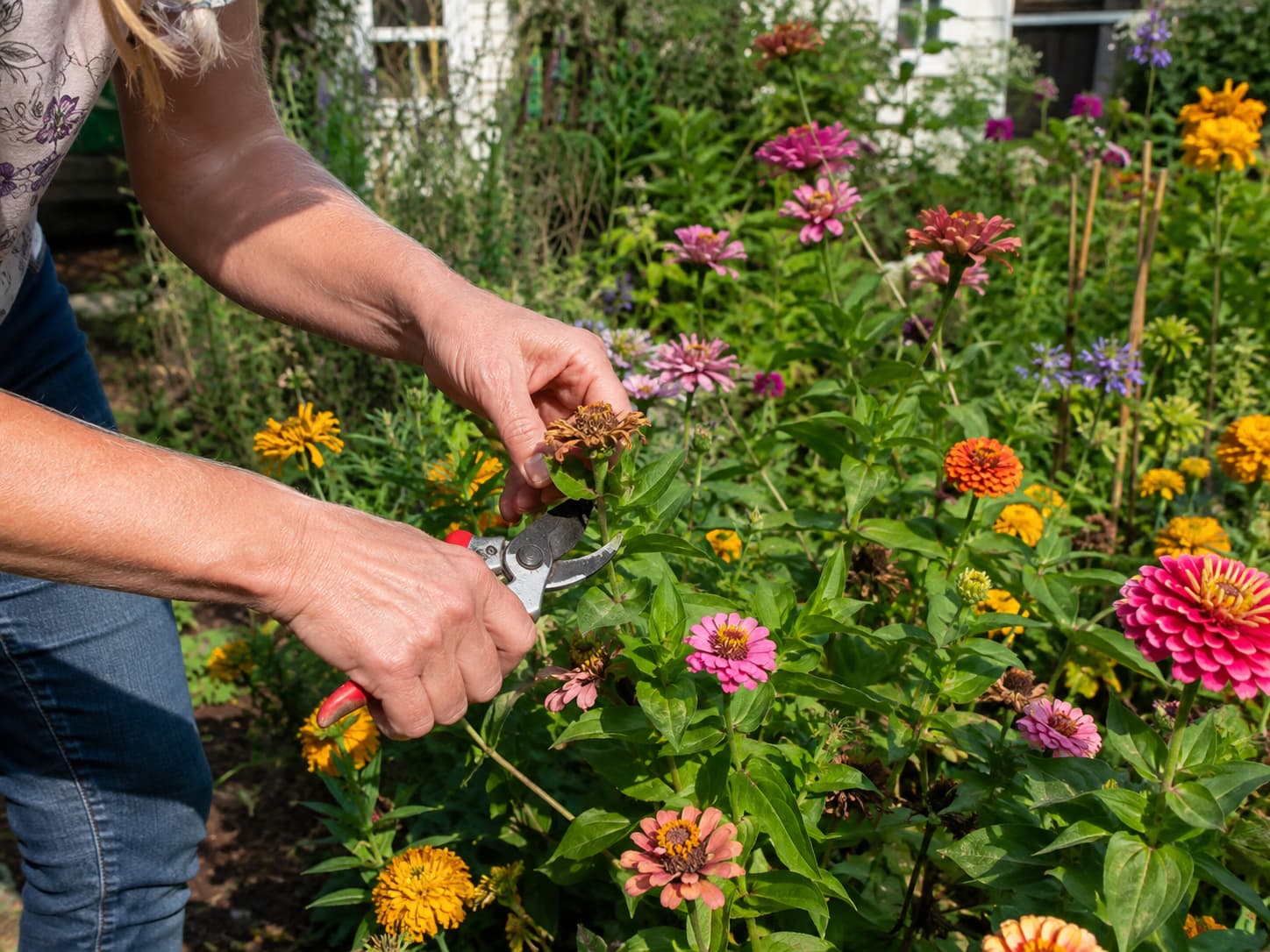
Why Summer Pruning Works: The Science in Plain Language
First, flowering plants have one biological imperative: reproduce. After pollination, a plant can shift resources, the plant shifts resources from making new flowers to maturing seeds inside that pod. For example, a single marigold flower head can contain 40–60 seeds—the plant "thinks" its job is done.
Therefore, removing a fading flower before seed matures can encourage some repeat bloomers to keep producing buds. before seeds mature, you trick the plant into starting over. It pushes new buds because its genetic program says "reproduction incomplete—try again." For example, the response differs by plant and pruning method:
- For example, deadheading extends bloom time by 3–6 weeks in most annuals (University of Minnesota Extension, 2023)
- Meanwhile, shearing stimulates a second flush in perennials like catmint and coreopsis
- Finally, cutback can prevent self-seeding of aggressive spreaders like morning glory and four o'clocks
3 Pruning Techniques: When to Use Each
| Technique | What You Do | Best For | Result Timeline |
|---|---|---|---|
| Deadheading | Snip off individual spent flower heads | Continuous bloomers (marigolds, zinnias, geraniums, petunias) | New buds in 5–10 days |
| Shearing | Trim top ⅓–½ of all stems at once | Perennials that bloom all at once, then flop (catmint, coreopsis, creeping phlox) | Second flush in 2–3 weeks |
| Cutback / Rejuvenation | Cut all stems to 3–4″ above ground | Leggy, overgrown, or diseased plants; late-summer rescue | Fresh growth in 2–4 weeks |
Swipe for more
How to Deadhead (Step by Step)
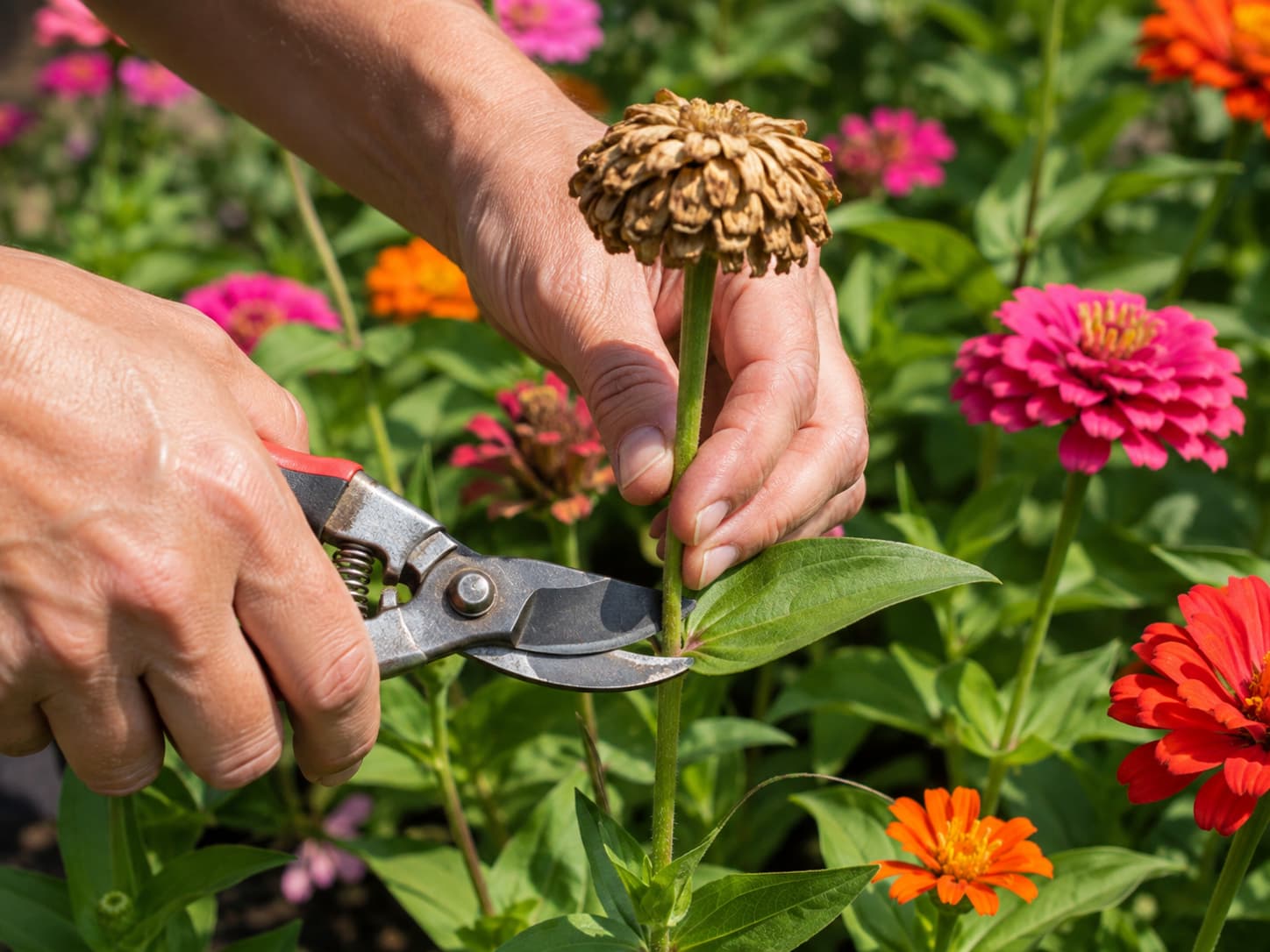
- First, find the spent flower. Look for petals that are browning, curling, or falling off. The seed pod behind the petals will look swollen or green—this is what you're removing.
- Next, follow the stem down to the first leaf node or lateral bud. This is where new growth will emerge. On marigolds and zinnias, cut just above a pair of leaves. On petunias, pinch back to a branching point.
- Then, make a clean cut at a 45° angle. In addition, a clean cut avoids the ragged damage caused by tearing. and is less prone to disease than a ragged tear. For example, if stems are soft enough (petunias, impatiens), you can pinch with your fingernails—no tool needed.
- Finally, drop the cutting in your bucket, not the soil. Therefore, collect spent flowers rather than leaving them around susceptible plants. slugs and fungal problems. Collect and compost them.
In practice, I keep a small bucket and a pair of snips by the back door from June through September. Five minutes after dinner most evenings keeps my containers looking fresh. Consistency beats marathon sessions.
How to Shear Perennials
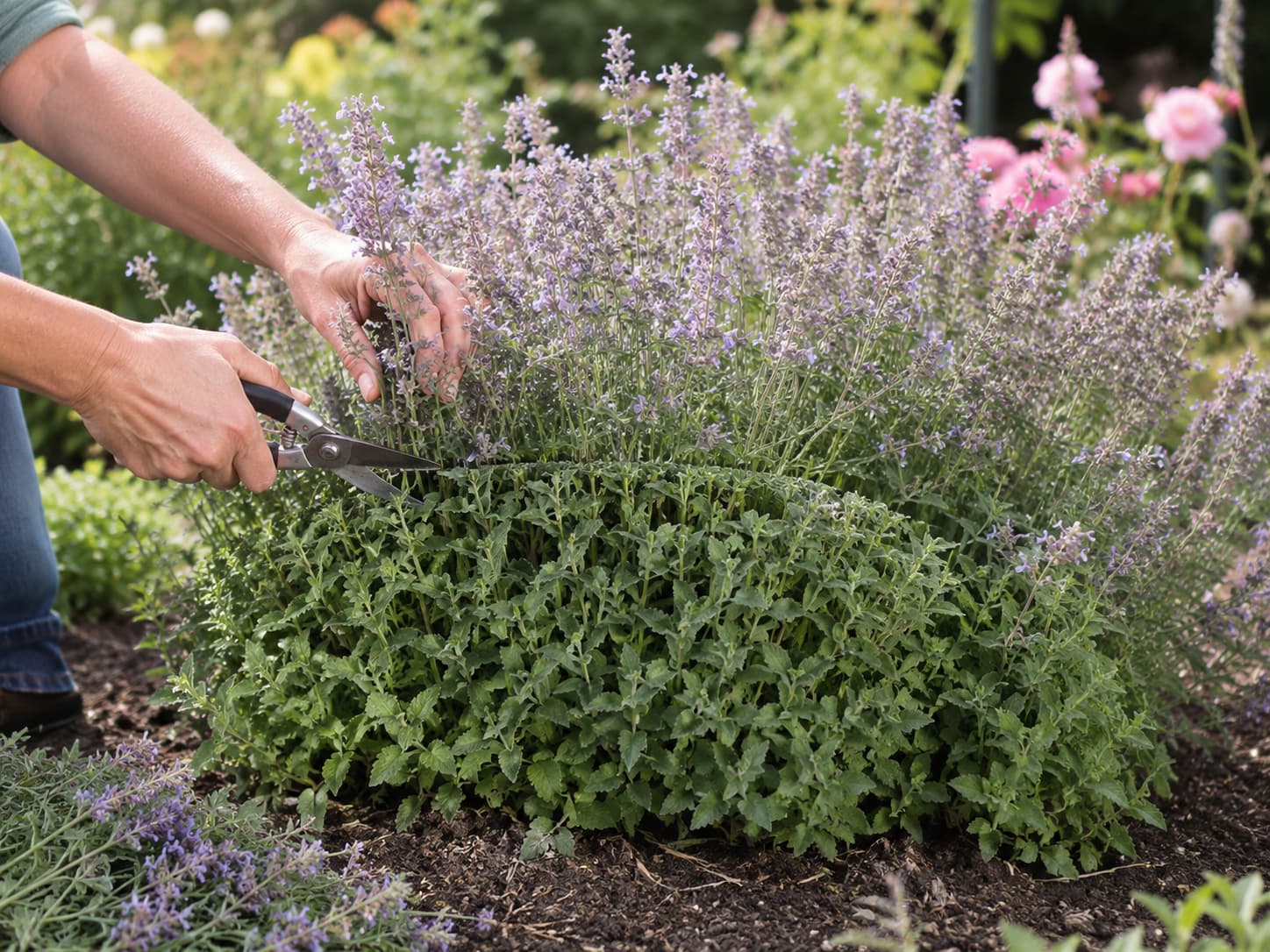
By comparison, shearing treats a larger section of the plant at once. Use hedge shears or hand pruners to cut the entire top third to half of the plant off at once. For example, this works for perennials that have finished their first big bloom and are starting to look unkempt. Afterward, focus on recovery care:
- First, water deeply (1 inch) and apply a diluted liquid fertilizer (half-strength 10-10-10 or fish emulsion)
- Next, watch for fresh basal growth in 7–10 days
- Finally, a second flush may follow as the plant recovers 14–21 days after shearing
For example, in August 2025, I sheared my 'Walker's Low' catmint that had been blooming since May and looked like a gray-brown haystack. Within three weeks, I had fresh silvery foliage and a lighter second bloom that lasted into October. Not as full as the first flush, but far better than the alternative (a dead-looking mound until frost).
12 Summer Flowers: Specific Pruning Instructions

Annuals & Container Bloomers
| Flower | Technique | When | How Low to Cut | Special Notes |
|---|---|---|---|---|
| Marigold | Deadhead | Every 3–4 days | To the next leaf node below the bloom | Pinch with fingers if stems are soft; wear gloves—scent lingers |
| Zinnia | Deadhead + cut for bouquets | Weekly | Above a pair of leaves | Cutting for arrangements IS deadheading; the more you cut, the more they bloom |
| Petunia | Deadhead + midsummer shear | Deadhead weekly; shear in late Jul | Shear back by ⅓ to ½ | Remove the sticky seed pods behind each flower—they're tiny and easy to miss |
| Geranium (Pelargonium) | Deadhead | Weekly | Remove entire flower stalk at the base | Don't just pull off petals—the bare stalk left behind rots and invites botrytis |
| Snapdragon | Deadhead | After lower flowers fade | Cut the spike down to the next side shoot | Sideshoots produce smaller but welcome second spikes |
| Calibrachoa | Shear | When stems get leggy (mid-Jul) | Trim by ⅓ | Self-cleaning, but shear to prevent the "baldfish" look in containers |
Swipe for more
Vines, Perennials & Repeat-Blooming Roses
| Flower | Technique | When | How Low to Cut | Special Notes |
|---|---|---|---|---|
| Morning Glory | Pinch tips | When vines reach desired length | Pinch growing tip | Encourages side shoots; remove seed pods before they drop or you'll have volunteers everywhere next year |
| Catmint (Nepeta) | Shear after first bloom | After first flush fades | Cut top ½ off | Best shearing candidate—forgiving, fast rebound |
| Coreopsis | Shear after first bloom | Late Jul–Aug | Cut top ⅓ off | Deadheading individual blooms is too tedious; shearing is faster |
| Shasta Daisy | Deadhead + cut back | As individual stems finish | Cut spent stems to basal foliage | Remove the entire stem, not just the flower—leaving bare stems looks messy |
| Cosmos | Deadhead + pinch | Weekly | Above a leaf pair | Pinch young plants at 12″ tall for bushier growth; like zinnias, cutting for bouquets doubles as deadheading |
| Roses (repeat-blooming) | Deadhead | As each bloom fades | Cut to the first 5-leaflet leaf facing outward | Cut at a 45° angle, ¼″ above the leaf; outward-facing bud directs new growth away from the center |
Scroll for more
Build a 5-Minute Daily Deadheading Routine
For a small garden, this route can keep the task manageable:, here's a system that takes less than 5 minutes a day:
- First, walk the route once. Know your plants and visit them in the same order every time.
- Next, carry snips and a bucket. Keep them staged by the door.
- Then, scan from top to bottom. Spent blooms are at the top; remove those first, then check for yellowing lower leaves.
- Meanwhile, work one plant at a time. Don't skip—consistency prevents the "overwhelming cleanup" that makes people quit.
- Finally, drop cuttings in the bucket. Never leave them on the soil.
As a result, this habit helps keep my balcony flower containers blooming from June through first frost.
The Midsummer Shear: How to Rescue a Tired Garden
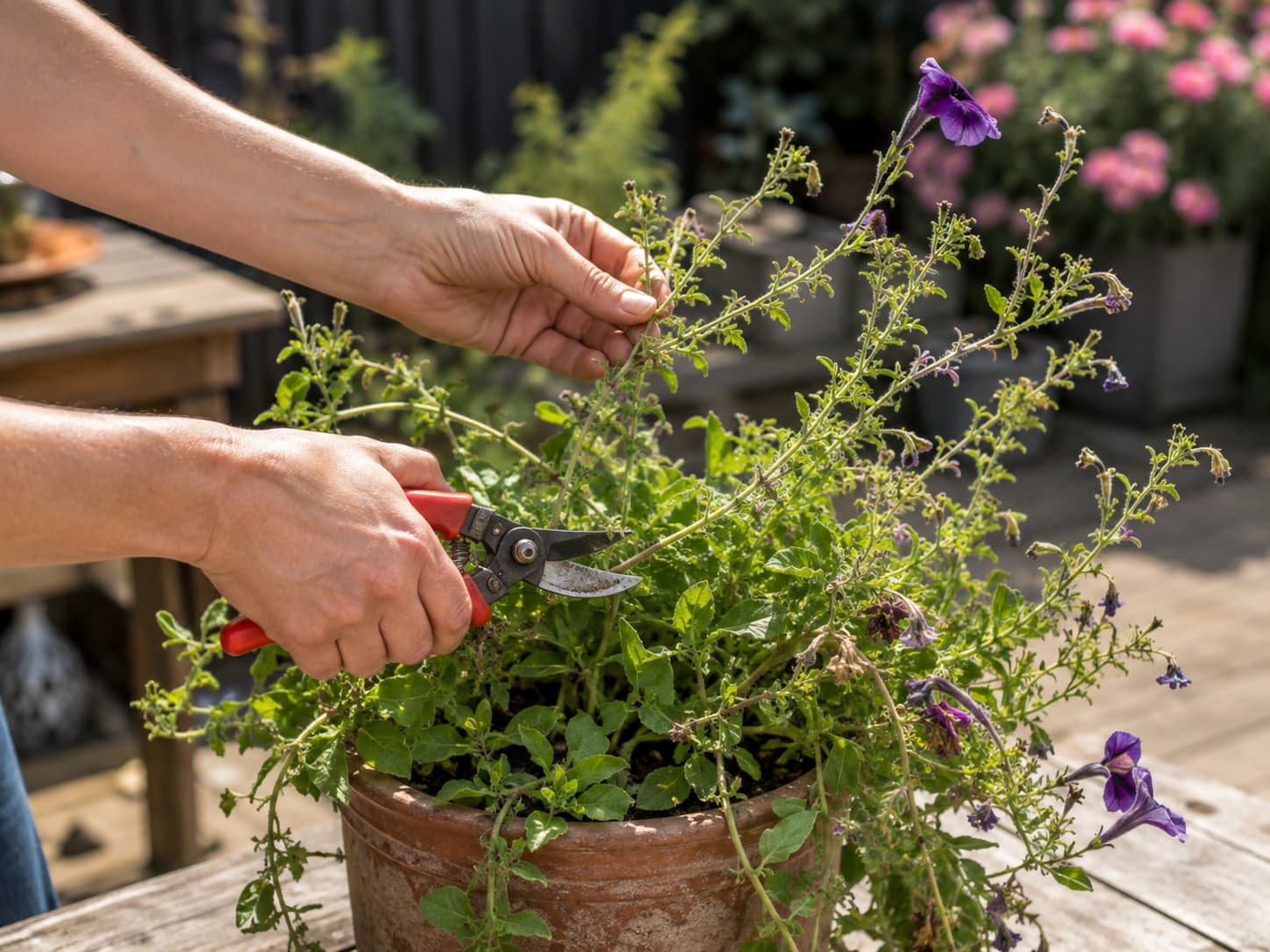
Meanwhile, by late July, many gardens hit the "summer slump"—perennials have finished their first flush, annuals are leggy, and everything looks exhausted. Therefore, this is when shearing can be especially useful.
Top Candidates for the July–August Shear
| Plant | Shear When | How Much to Remove | My Result (Zone 6b, 2025) |
|---|---|---|---|
| Catmint 'Walker's Low' | After first bloom fades (late Jun–Jul) | 50% | Second bloom in 18 days; lasted 5 weeks |
| Coreopsis 'Zagreb' | Late Jul when flowers dwindle | 33% | New buds in 12 days; bloom continued into Sep |
| Creeping Phlox | Immediately after spring bloom | 50% | Dense fresh foliage; some rebloom in fall |
| Calibrachoa (containers) | Mid-Jul when center thins out | 33% | Full recovery in 2 weeks; bloomed until Oct frost |
| Petunia (leggy baskets) | Late Jul | 50% | Looks terrible for 5 days, then bounces back stronger |
More columns available
Post-Shear Care: The 3-Step Recovery Plan
- Water deeply (1 inch at the root zone). Shearing stresses the plant; adequate moisture helps it push new growth fast. Avoid overhead watering—wet foliage on fresh cuts invites disease.
- Next, feed only when appropriate for the plant and current product directions. I use Neptune's Harvest fish emulsion (diluted to ½ tablespoon per gallon)—about $12 for a quart that lasts all season. Apply at the root zone, not on the cut stems.
- Finally, use a light compost mulch when it suits the species and container or bed conditions. This keeps roots cool and retains moisture while the plant rebuilds top growth.
What NOT to Prune in Summer (And Why It Matters)
However, not everything benefits from summer snips. Pruning the wrong plant at the wrong time can remove next year's blooms or create wounds that invite disease in hot, humid weather.
| Don't Prune Now | Why | When to Prune Instead |
|---|---|---|
| Spring-blooming shrubs (lilac, forsythia, rhododendron) | They set flower buds on old wood by midsummer; cutting now removes next spring's blooms | Immediately after they finish blooming (May–Jun) |
| Hydrangea macrophylla (bigleaf) | Most varieties bloom on old wood; summer pruning removes next year's buds | After blooming (Aug–Sep), only remove dead stems—see our complete hydrangea pruning guide |
| Roses (once-blooming types) | They only bloom once per season on old wood | After their single bloom finishes |
| Any plant showing signs of disease | Pruning spreads pathogens on tool blades; prune when dry and healthy | After treating the disease and waiting for dry weather |
Swipe sideways if needed
For example, this is also why I prune lavender by early spring—never in summer heat. Summer pruning of lavender invites stem dieback that can kill the entire plant.
Pruning Mistakes I've Made (So You Don't Have To)
1. Pruning During Peak Heat

For example, in July 2024, I deadheaded my entire garden at 1 PM on a 96°F day. However, the cuts I made on zinnias and marigolds healed fine, but the sunburn on exposed stems was worse than the seed heads I removed. Prune before 10 AM or after 6 PM. Therefore, avoid combining unnecessary pruning with the most stressful part of a very hot day.; direct sun on them causes tissue damage.
2. Using Dull, Dirty Tools
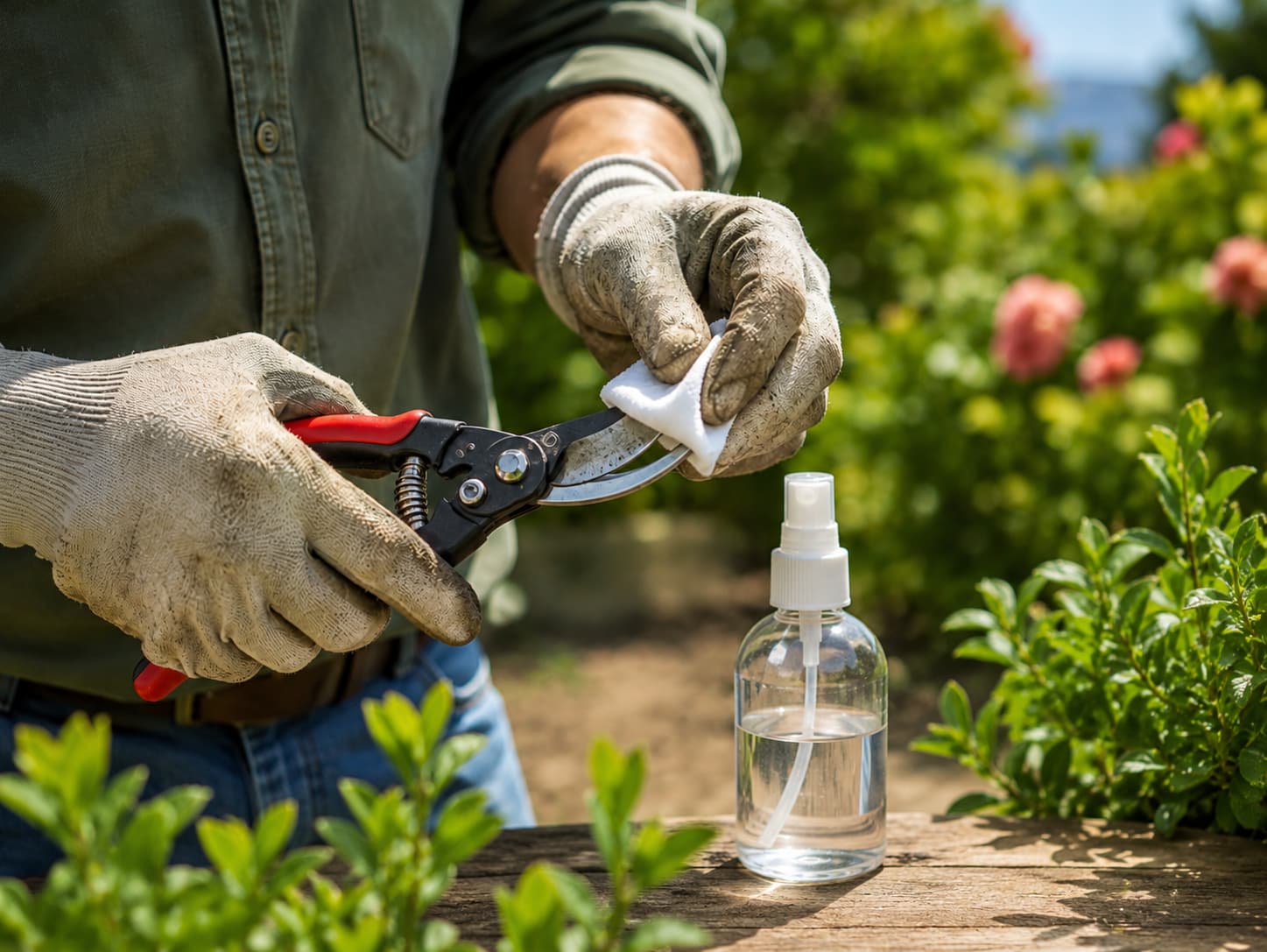
Meanwhile, my neighbor borrowed my pruners and returned them with sap-caked blades. As a result, I used them without cleaning and spread botrytis from one geranium to three others within a week. Wipe blades with 70% isopropyl alcohol between plants. For example, a small spray bottle of rubbing alcohol costs about $3 at any pharmacy—keep it in your garden bucket.
Two More Summer Pruning Mistakes to Avoid
3. Leaving Flower Stalks on Geraniums
Another common mistake: many beginners pull off just the petals of a fading geranium bloom. However, the flower stalk (the long stem that held the bloom) remains and begins to rot at the top. As a result, rot can move into vulnerable stem tissue. into the main stem and can kill the entire branch. Therefore, remove the entire spent flower stalk when that is the correct technique for the plant. at its base. Snap it sideways where it meets the main stem—it comes off cleanly with a slight twist.
4. Not Pruning Aggressive Self-Seeders
Finally, if you let morning glories, four o'clocks, or certain vine species go to seed, you'll be pulling volunteers for years. For example, I'm still fighting morning glory seedlings from a 2023 planting I neglected to deadhead. Therefore, remove unwanted seed pods before they mature and split.
Zone-by-Zone Pruning Calendar
In addition, timing matters as much as technique. Therefore, use the calendar as a starting framework and adjust for local conditions: each pruning task based on your USDA zone:
| Task | Zones 3–5 | Zones 6–7 | Zones 8–10 |
|---|---|---|---|
| Begin deadheading annuals | Mid-Jun | Early Jun | Late May |
| Midsummer shear perennials | Late Jul | Mid-Jul | Early Jul |
| Last shear date (allow recovery before frost) | Early Aug | Late Aug | Mid-Sep |
| Stop deadheading (let plants set seed for winter interest/wildlife) | Mid-Sep | Late Sep | Late Oct |
| Cut back perennials for winter | After first hard frost | After first frost | Optional; many perennials stay evergreen |
Horizontal scroll available
Recommended Tools: 4 Picks Under $20
In practice, you do not need a garage full of equipment. For example, these four tool types cover most routine summer pruning tasks: 95% of summer pruning tasks:
| Tool | What It's For | Budget Pick | Price |
|---|---|---|---|
| Bypass pruners | Stems up to ¾" thick (roses, shrubs, woody perennials) | Fiskars Softgrip (91095935J) | $12–15 |
| Snips / micro-tip shears | Deadheading soft stems, precision cuts in tight spaces | Vivosun 6.5" curved snips | $8–10 |
| Hedge shears | Shearing mass plantings (catmint borders, coreopsis swaths) | Corona HS 6850 | $18–20 |
| Isopropyl alcohol spray | Disinfecting blades between plants | Any 70% IPA in spray bottle | $3–4 |
Additional columns available
If you only buy one tool, make it the snips. For example, they handle deadheading on everything from marigolds to petunias, fit in a back pocket, and cost less than lunch. In practice, I've used the same pair of Vivosun snips for two seasons—they're still sharp enough to make clean cuts on zinnia stems.
Deadheading vs. Letting Plants Go to Seed: When to Stop
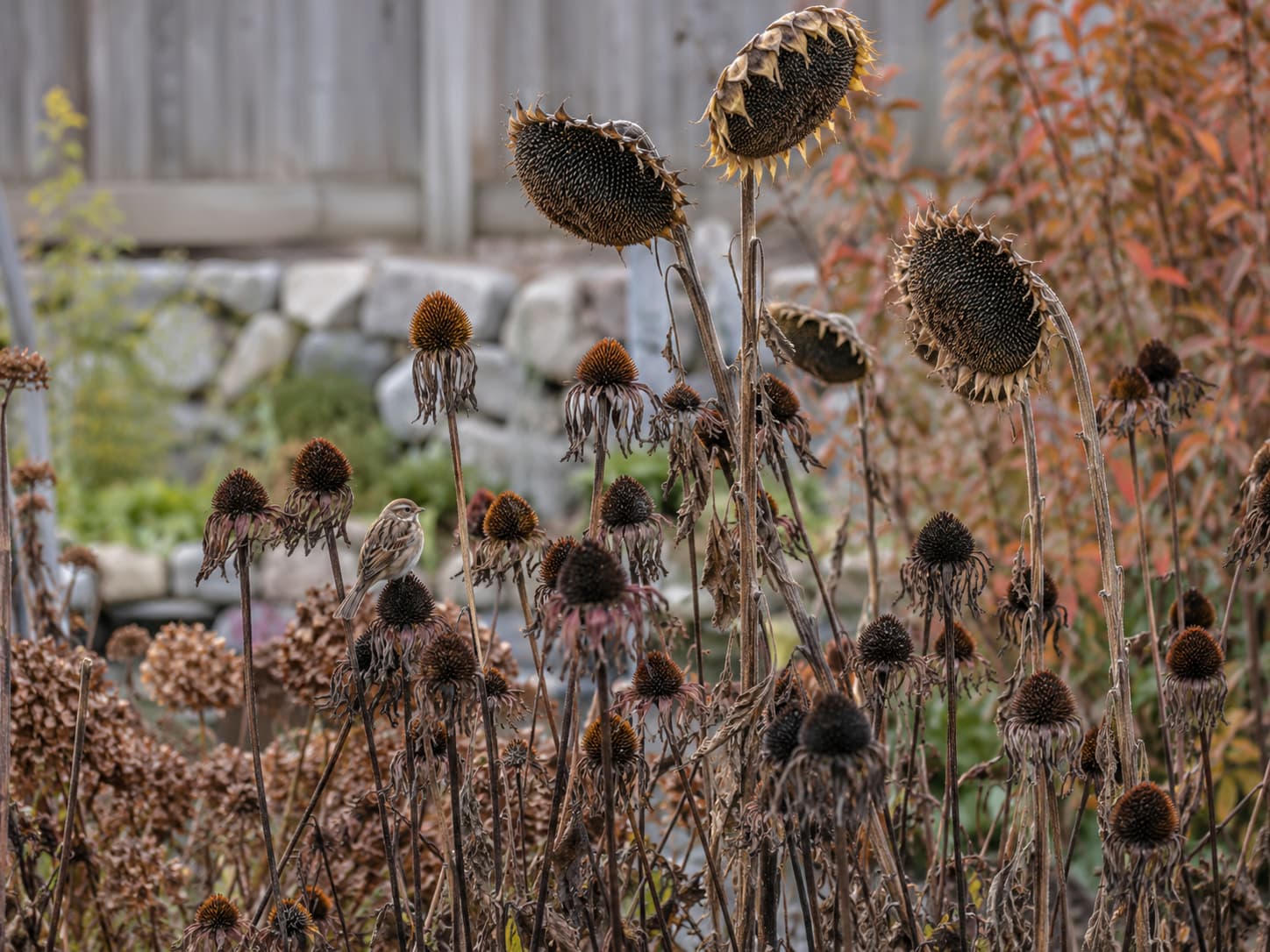
Finally, at some point in late summer, you should actually stop deadheading. For example, seed heads may be useful for wildlife, seed saving, or winter structure:
- First, let late-season flowers set seed if you want to feed birds (goldfinches love coneflower and sunflower seeds) or collect seeds for next year—similar to saving basil and dill seeds
- In addition, some plants have attractive seed heads that provide winter interest: coneflowers, black-eyed Susans, ornamental grasses, and alliums look striking with frost on them
- Finally, self-seeding annuals like cosmos and California poppies will volunteer next year if you let them drop seed
Rule of thumb: As a rule of thumb, stop deadheading early enough for wanted seed to mature before frost. before your first expected fall frost. This gives seeds time to mature before cold kills the plant.
Frequently Asked Questions
Deadheading, Pinching & Seed Pods
1. Does deadheading really make that much difference?
2. Can I just pinch off dead flowers with my fingers?
3. What if my plant already has seed pods forming?
Late-Summer Timing, Recovery & Disease
4. Is it too late to prune in August?
5. Why did my petunia basket look terrible after I cut it back?
6. Should I prune flowers that are diseased?
Quick-Reference: Your Summer Pruning Cheat Sheet
| Flower | Technique | Frequency | Key Detail |
|---|---|---|---|
| Marigold | Deadhead | Every 3–4 days | Pinch or snip; remove entire seed head |
| Zinnia | Deadhead / cut for bouquets | Weekly | Cut above a leaf pair; more cuts = more blooms |
| Petunia | Deadhead + midsummer shear | Weekly / shear Jul | Remove sticky seed pods; shear by ½ in Jul |
| Geranium | Deadhead | Weekly | Remove entire stalk at base, not just petals |
| Snapdragon | Deadhead | After bloom cycle | Cut spike to side shoot |
| Calibrachoa | Shear | Mid-Jul | Self-cleaning, but shear for fullness |
| Morning Glory | Pinch tips | As needed | Remove seed pods to prevent invasion |
| Catmint | Shear | After first bloom | Best candidate for shearing—very forgiving |
| Coreopsis | Shear | Late Jul–Aug | Cut top ⅓; faster than individual deadheading |
| Shasta Daisy | Deadhead | As stems finish | Cut spent stems to basal foliage |
| Cosmos | Deadhead | Weekly | Pinch at 12″ for bushier plants |
| Roses (repeat-blooming) | Deadhead | As each bloom fades | Cut to first outward-facing 5-leaflet leaf |
Swipe for more
Sources
- University of Minnesota Extension. "Deadheading Flowers." Extension.umn.edu, 2023. extension.umn.edu
- University of Georgia Trial Gardens. "Annual Flower Performance Trials." ugatrial.hort.uga.edu, 2022. ugatrial.hort.uga.edu
- USDA Natural Resources Conservation Service. "Plant Hardiness Zone Map." planthardiness.ars.usda.gov, 2023. planthardiness.ars.usda.gov
- Penn State Extension. "Pruning Herbaceous Perennials." extension.psu.edu, 2024. extension.psu.edu