Abelia Plant Guide: How to Grow and Care for Abelia
Quick Summary
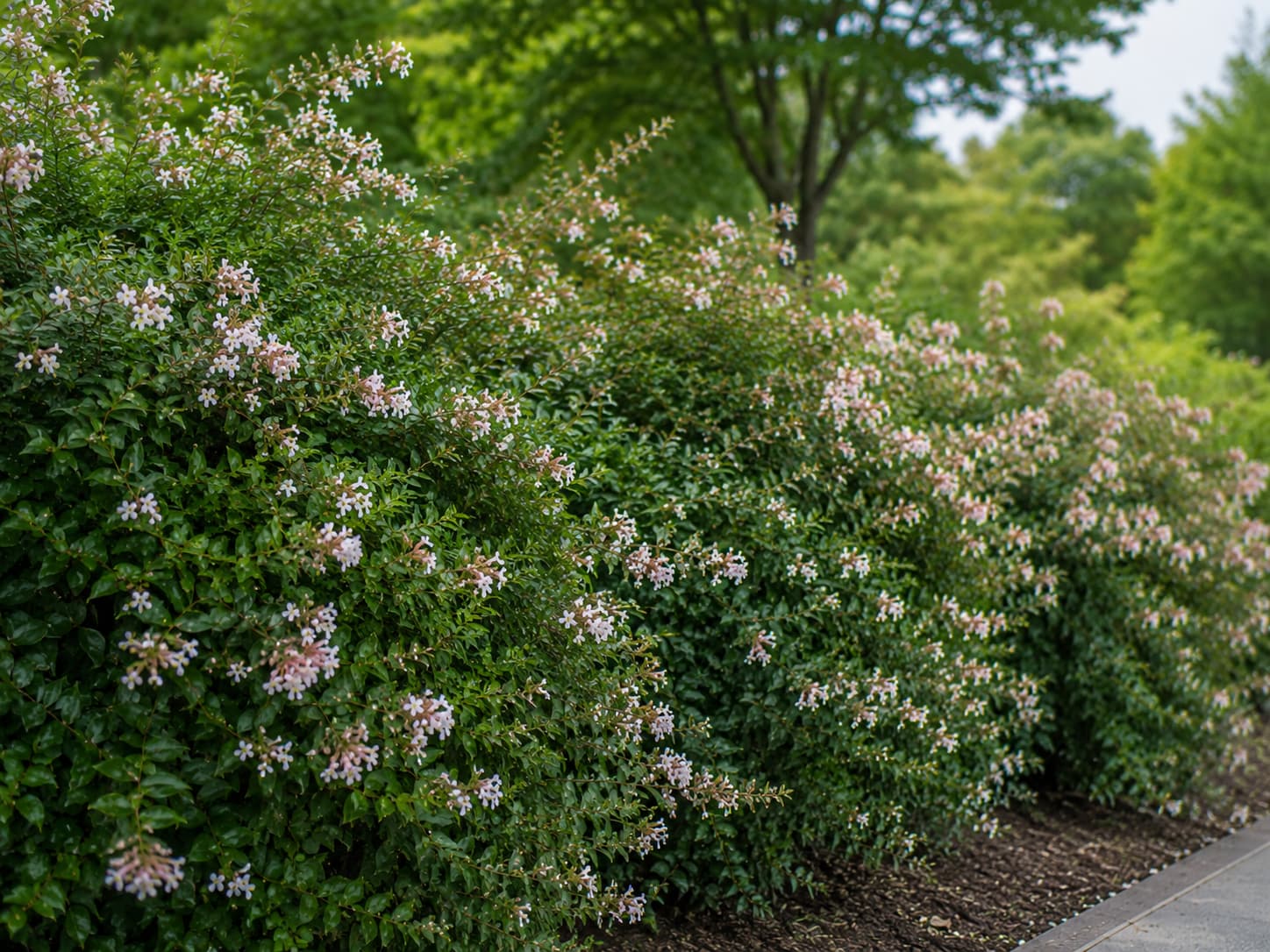
Abelia (Abelia × grandiflora and newer hybrids) is one of the most underappreciated shrubs in the landscape — a graceful, arching plant that produces fragrant, bell-shaped flowers continuously from late spring through the first hard frost. It's drought-tolerant, deer-resistant, nearly pest-free, and thrives in conditions that make most flowering shrubs struggle. But it has one quirk that confuses gardeners every spring: in Zones 6–7, it often looks completely dead after winter — bare twigs, no leaves, no signs of life — when it's actually just semi-dormant and waiting for warmer weather. This guide covers the winter dieback reality, the pruning routine that keeps it full and blooming, and why abelia might be the easiest flowering shrub you'll ever grow.
What Is Abelia? (And the Semi-Evergreen Confusion)
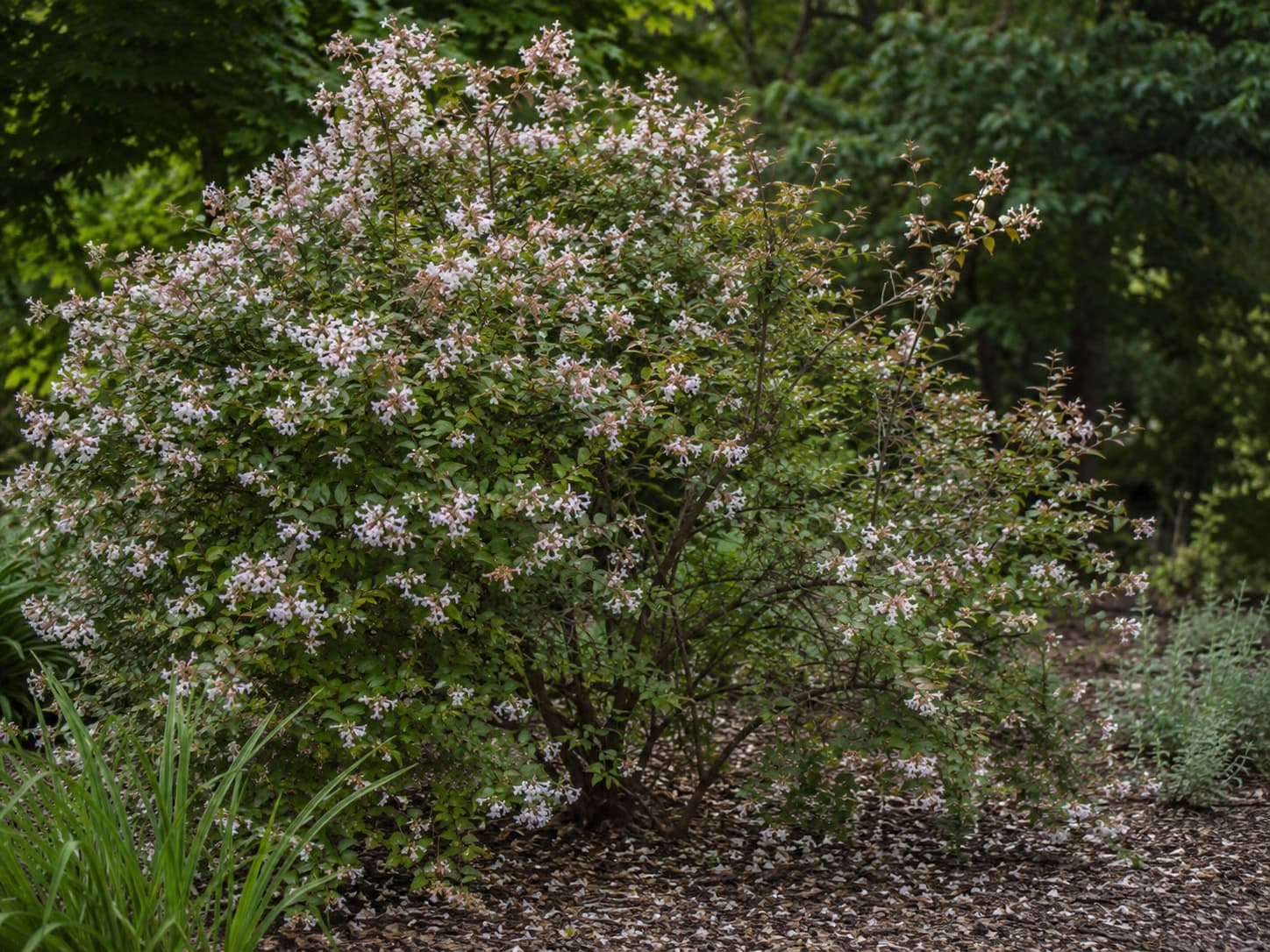
Abelia is a genus of about 30 species of shrubs in the honeysuckle family (Caprifoliaceae), native to eastern Asia and Mexico. The most commonly planted garden variety is Abelia × grandiflora (Glossy Abelia), a hybrid of A. chinensis and A. uniflora that has been cultivated since the 1880s. Recent breeding programs have produced dozens of compact, colorful cultivars — 'Kaleidoscope', 'Rose Creek', 'Edward Goucher' — with variegated foliage, richer flower colors, and smaller mature sizes.
The name confusion: "glossy abelia" refers specifically to A. × grandiflora, but the term "abelia" is now used generically for the whole group of garden hybrids. They all share the same core traits: arching branches, small glossy leaves, clusters of fragrant tubular flowers, and a very long bloom season.
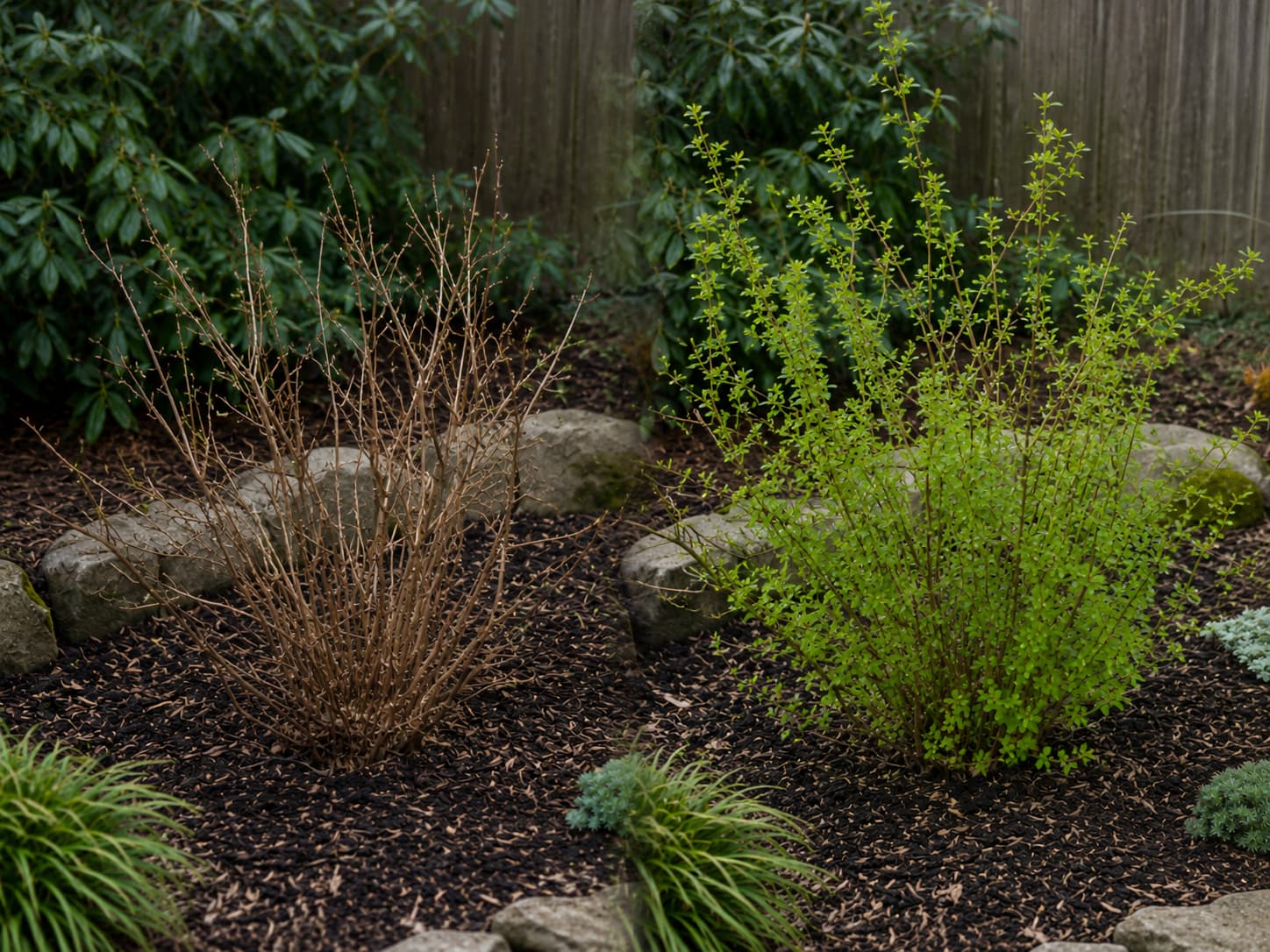
Here's the trait that causes the most confusion: abelia is semi-evergreen. In Zones 8–9, it holds its leaves through winter — often turning a rich bronze-purple — and looks good year-round. In Zones 6–7, it drops most or all of its leaves after hard freezes and can look like a pile of dead twigs from December through March. The plant is not dead. It's just behaving like a deciduous shrub in cold weather. This is the #1 source of spring panic among abelia owners.
The "It's March and My Abelia Looks Dead" Panic
Every spring, garden centers get calls from people who think their abelia died over winter. It didn't. Abelia is one of the last shrubs to leaf out in spring — it may not show new growth until April or even early May in Zones 6–7. Don't dig it up. Don't cut it to the ground in a panic. Wait. Do the scratch test: scrape a small patch of bark with your fingernail. Green underneath = alive, just slow to wake up. Brown and dry = that particular stem may be dead, but the roots are almost certainly alive and will send up new shoots.
Plant Profile at a Glance
| Feature | Details |
|---|---|
| Common Name | Abelia, Glossy Abelia |
| Scientific Name | Abelia × grandiflora (most common); many newer hybrids |
| Plant Type | Semi-evergreen to deciduous shrub (depending on zone) |
| USDA Zones | 6–9 (some newer hybrids to Zone 5) |
| Mature Size | 2–8 ft tall, 3–6 ft wide (varies dramatically by variety) |
| Bloom Time | Late spring through first hard frost — often 5+ months |
| Flower Colors | White, pink-tinged, lavender-pink; bell-shaped, fragrant |
| Foliage | Glossy green in growing season; bronze-purple in fall/winter (evergreen zones); may drop in cold zones |
| Sun Needs | Full sun for best bloom; tolerates partial shade |
| Soil | Well-drained; tolerates clay, sand, loam, and slightly alkaline soils |
| Deer Resistance | Excellent — rarely browsed |
| Toxicity | Non-toxic — safe for children and pets |
The Winter Dieback Reality: "It Looks Dead, But It's Not"
This section exists because abelia's winter behavior causes more unnecessary plant removals than any pest or disease ever could. Here's what happens and why you shouldn't panic:
| Zone | Winter Behavior | What to Expect in Spring |
|---|---|---|
| Zones 8–9 | Fully evergreen. Leaves may turn bronze-purple but stay on the plant. Plant looks good year-round. | Normal spring leaf-out with old foliage dropping as new leaves emerge. No dieback unless there was an unusual hard freeze. |
| Zone 7 | Semi-evergreen. Holds some leaves through winter. Some stem tips may die back after temperatures in the teens. | Old leaves drop as new growth begins in April. Minor tip dieback can be pruned off. Plant recovers quickly. |
| Zone 6 | Deciduous in practice. Drops all leaves. May die back partially or fully to the ground after temperatures below 0°F. The roots survive. | New shoots emerge from the base in late April to early May. Cut dead stems to the ground. Plant regrows to 3–4 feet and blooms normally by summer. |
| Zone 5 | Dies to the ground most winters. Roots survive with mulch protection. | Treat like a perennial. Cut all dead stems to the ground in early spring. New shoots emerge from roots in May. Blooms on new growth by mid-to-late summer. |
The Scratch Test
In spring, before you declare your abelia dead: use your fingernail or a knife to scrape a small patch of bark on a few stems. Green tissue underneath = alive. Brown, dry tissue = that stem is dead, but try scraping a stem closer to the ground. If the base is green, the roots are alive and the plant will regrow. Even if every above-ground stem is dead, the roots usually survive and push new shoots by late spring.
The key to abelia in cold zones: be patient in spring. It's one of the last shrubs to wake up. Don't dig it out in March just because everything else is leafing out and your abelia looks like kindling. Give it until mid-May. If you see no growth by then, check the roots — but in 95% of cases, the plant is just slow, not dead.
How to Plant Abelia
When to Plant
Early spring or early fall. In Zones 6–7, spring planting is preferred — it gives the shrub a full growing season to establish roots before winter. Fall-planted abelias in Zone 6 need a thick layer of mulch over the root zone for their first winter.
Where to Plant
- Full sun for maximum bloom. Abelia flowers most heavily in 6+ hours of direct sun. In partial shade, it grows fine but produces fewer flowers and a looser, more open habit.
- Well-drained soil. Abelia adapts to clay, sand, loam, and alkaline soils, but it will not tolerate standing water or persistently soggy conditions.
- Give it room. Standard varieties reach 5–6 feet wide. Dwarf varieties stay 2–3 feet. Check the tag — newer compact cultivars are much smaller than the old-fashioned A. × grandiflora.
- Sheltered location in Zone 6. Plant near a south-facing wall, fence, or evergreen windbreak to reduce winter wind damage.
Planting Steps
- Dig a hole twice as wide as the root ball, exactly as deep.
- Position so the top of the root ball is level with the soil surface.
- Backfill with native soil. No heavy amending needed — abelia thrives in lean soil.
- Water deeply. Apply 2 inches of mulch, keeping it away from the stems.
- Water weekly for the first 8 weeks. After that, abelia is drought-tolerant.
Complete Care Guide
Light
Full sun (6+ hours direct) for maximum bloom. In partial shade, abelia survives and looks acceptable but produces noticeably fewer flowers and a more open, leggy habit. In deep shade, flowering is minimal and the plant stretches toward light.
Watering
First 8 weeks: Water deeply once a week. Established plants: Abelia is genuinely drought-tolerant — one of the best shrubs for low-water landscapes. Water during extended dry periods (3+ weeks without rain). Overwatering reduces blooming and can cause root rot in heavy soils.
Fertilizing
Abelia is a very light feeder. Apply a balanced slow-release fertilizer (10-10-10) once in early spring at half the recommended rate — if at all. In average garden soil, abelia needs no supplemental fertilizer. Over-fertilizing produces leggy growth with fewer flowers. If your abelia is near a fertilized lawn, it's already getting more nitrogen than it wants.
Too Much Love = Fewer Flowers
Abelia blooms best when slightly stressed — lean soil, minimal water, no fertilizer. The most flower-covered abelias are usually the most neglected ones. If yours is lush, green, and barely blooming, stop watering and fertilizing entirely. It will respond.
Pruning Abelia: The New Wood Advantage
Here's the best news about abelia: it blooms on new wood. Unlike lilacs, forsythias, and rhododendrons — which require precise post-bloom pruning to avoid removing next year's flowers — abelia flowers on the current season's growth. This means:
- You can prune in late winter or early spring without losing flowers. In fact, this is the best time.
- Winter dieback doesn't ruin the bloom season. Even if every stem dies to the ground in Zone 6, the new shoots will produce flowers by summer.
- Hard pruning for rejuvenation is safe. You can cut the entire shrub to 6–12 inches and it will regrow and bloom the same season.
The Annual Pruning Routine
- Timing: Late winter to early spring, before new growth begins. In Zones 6–7, wait until the worst of winter has passed (late March to early April).
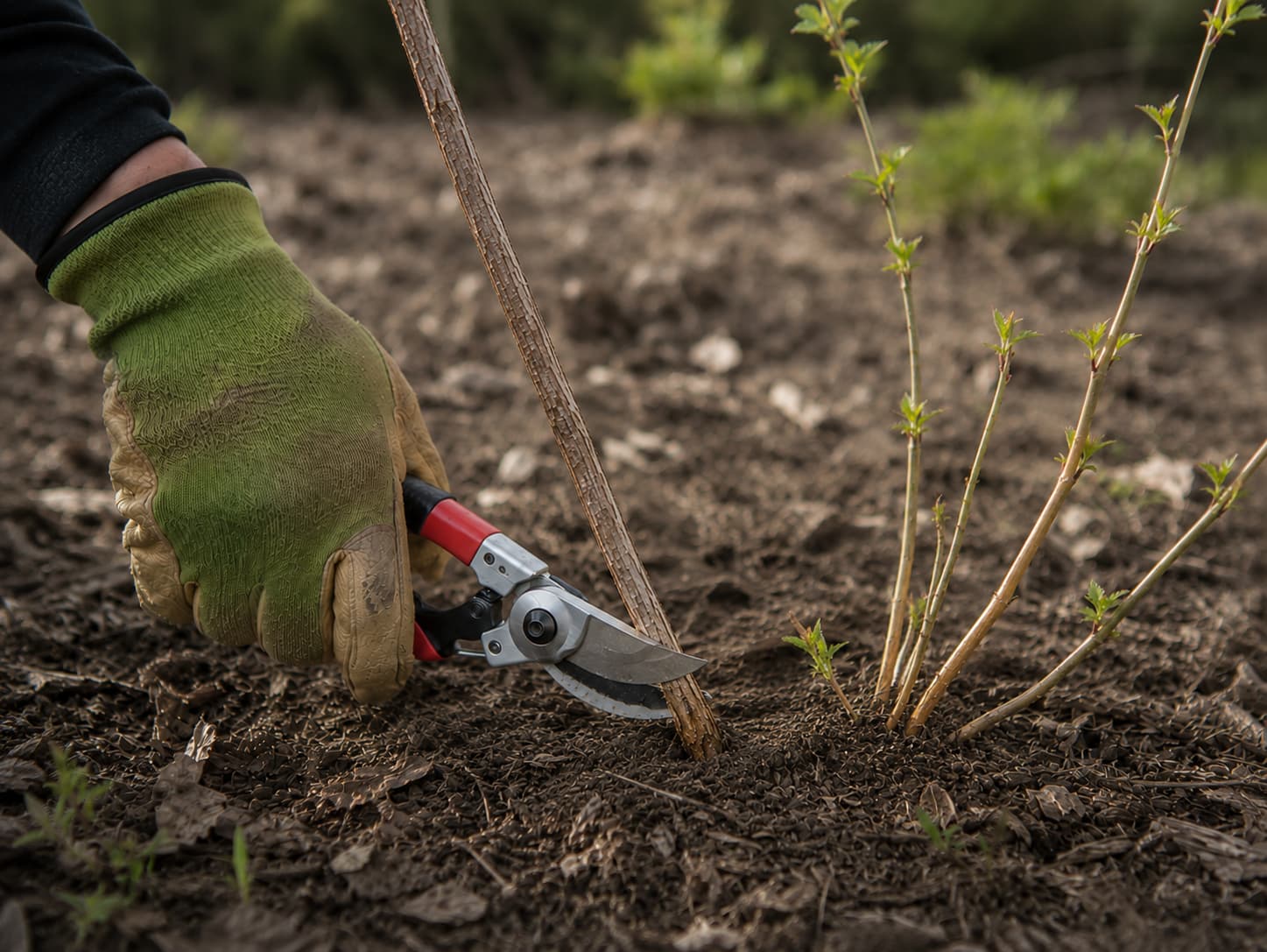
- Remove any dead stems — those that didn't survive winter. In Zone 6, this may be all above-ground growth. Cut dead stems to the ground.
- Remove 20–25% of the oldest, thickest stems at ground level to encourage vigorous new shoots from the base. This keeps the shrub renewing itself and prevents the twiggy, bare-bottomed look.
- Shape lightly if desired. Abelia has a naturally graceful, arching form. Avoid shearing into tight geometric shapes — you'll remove the new growth where flowers form and destroy the plant's natural beauty.
Rejuvenating an Old, Overgrown Abelia
If your abelia has become a tangled, leggy mess, cut the entire shrub to 6–12 inches above the ground in late winter. It will regrow vigorously from the base, reach 3–4 feet by mid-summer, and bloom normally. This can be done every 5–7 years or whenever the shrub needs a reset. Because abelia blooms on new wood, you won't lose a season of flowers.
Why Isn't My Abelia Blooming?
1. Not Enough Sun (Most Common)
Abelia needs full sun for heavy bloom. In partial shade, flowers are sparse. In deep shade, almost none. If nearby trees have grown and cast more shade, that's your cause.
2. Too Much Nitrogen / Over-Fertilized
Lush, green, leggy growth with few flowers = nitrogen overdose — usually from lawn fertilizer runoff. Stop all fertilizing and wait a season.
3. Pruned at the Wrong Time (Less Common with Abelia)
Abelia blooms on new wood, so early spring pruning is safe. However, shearing or heavy pruning in late spring or summer — after new growth has begun — can remove developing flower buds. Prune only in late winter or very early spring.
4. Winter Dieback in Cold Zones
In Zone 6, if the plant died to the ground over winter, new shoots emerging in May will bloom — but the bloom may start later and be somewhat reduced. This is normal. By July, the plant should be flowering normally.
5. Plant Is Too Young
A newly planted abelia may bloom lightly in its first year. Full bloom production typically begins in year two or three.
Best Abelia Varieties
| Variety | Size | Foliage | Flowers | Notes |
|---|---|---|---|---|
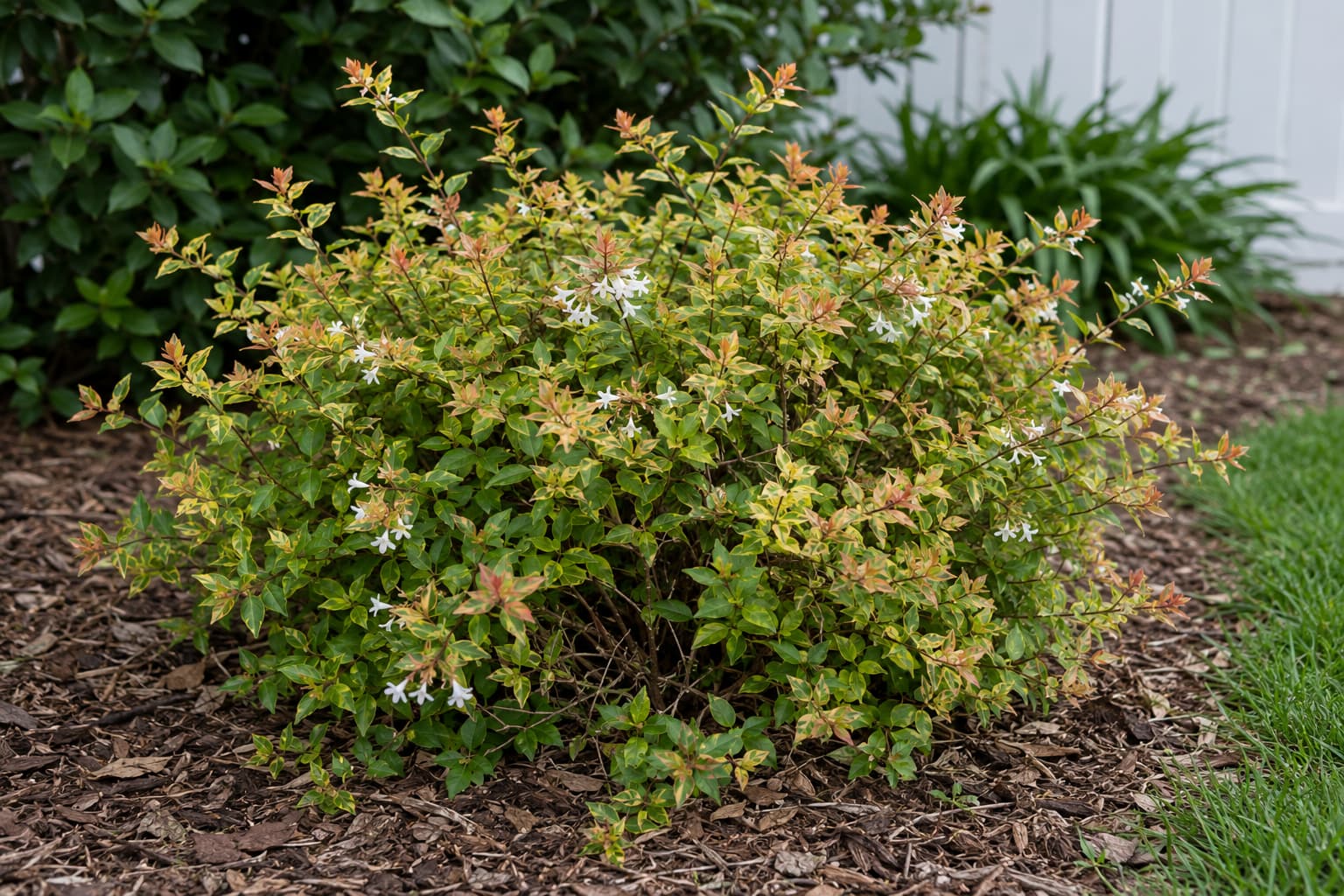
| 'Kaleidoscope' | 2–3 ft | Variegated: green centers, yellow margins; pink-orange in fall/winter | White | Dwarf. Grown primarily for foliage. Excellent in containers and front of border. |
| 'Rose Creek' | 2–3 ft | Glossy green; purple-bronze in winter | White with pink calyx | Compact, dense. The pink sepals persist after flowers drop, extending color. Very tidy habit. |
| 'Edward Goucher' | 4–5 ft | Glossy dark green; bronze in fall | Lavender-pink | Larger, more colorful flowers than standard abelia. Slightly less cold-hardy (Zone 7+). |
| 'Canyon Creek' | 3–4 ft | Copper-pink new growth; matures to yellow-green | Light pink | Stunning foliage color. New growth emerges copper. Excellent three-season interest. |
| 'Radiance' | 3–4 ft | Silver-green with cream margins | White | Very cold-hardy for an abelia (Zone 5b with protection). Clean variegation holds well in heat. |
| Standard A. × grandiflora | 5–8 ft | Glossy green; purple-bronze in winter | White with pink tinge | The original. Larger than newer cultivars. Excellent for hedges and screening. Very tough. |
Frequently Asked Questions
Why does my abelia look dead in spring?
It's probably not dead. Abelia is one of the last shrubs to leaf out in spring — it may not show new growth until April or even early May in Zones 6–7. In cold zones, it drops its leaves and looks like bare twigs through winter. Do the scratch test: scrape a small patch of bark. Green = alive. Even if all above-ground stems are dead, the roots usually survive and send up new shoots. Wait until mid-May before declaring it dead.
Is abelia evergreen?
It depends on your zone. In Zones 8–9, abelia is fully evergreen — leaves may turn bronze-purple but stay on the plant. In Zone 7, it's semi-evergreen — holds some leaves. In Zone 6, it's deciduous in practice — drops all leaves in winter and may die back partially or fully to the ground. The roots survive in all zones down to Zone 5–6 with mulch. This is normal behavior, not a sign of poor health.
When should I prune my abelia?
Late winter to early spring, before new growth begins. Abelia blooms on new wood — growth made in the current season — so spring pruning is safe and will not reduce flowering. Remove dead stems, remove 20–25% of the oldest stems at ground level for renewal, and shape lightly. Avoid pruning after new growth has started in spring — this can remove developing flower buds. Hard rejuvenation (cutting to 6–12 inches) can be done in late winter if the shrub has become overgrown.
Why isn't my abelia blooming?
The most common causes: not enough sun (needs 6+ hours direct), too much nitrogen from lawn fertilizer (lush leaves, few flowers), pruned in late spring or summer (removed developing buds), winter dieback in cold zones (new shoots will bloom but start later), or plant is too young (first-year abelias bloom lightly).
Is abelia deer-resistant?
Yes — excellent deer resistance. Deer almost never browse abelia. Combined with its drought tolerance and pest resistance, this makes it one of the most trouble-free flowering shrubs available. It's not toxic — deer simply don't prefer it.
Can abelia grow in containers?
Yes — dwarf varieties like 'Kaleidoscope', 'Rose Creek', and 'Radiance' are excellent container plants. Use a pot at least 16–18 inches wide with good drainage. Container plants need more frequent watering than in-ground plants but still prefer to dry out between waterings. In Zones 6–7, overwinter containers in an unheated garage or against a sheltered wall with mulch over the pot. Abelia in containers may need more winter protection than in-ground plants.
How long does abelia bloom?
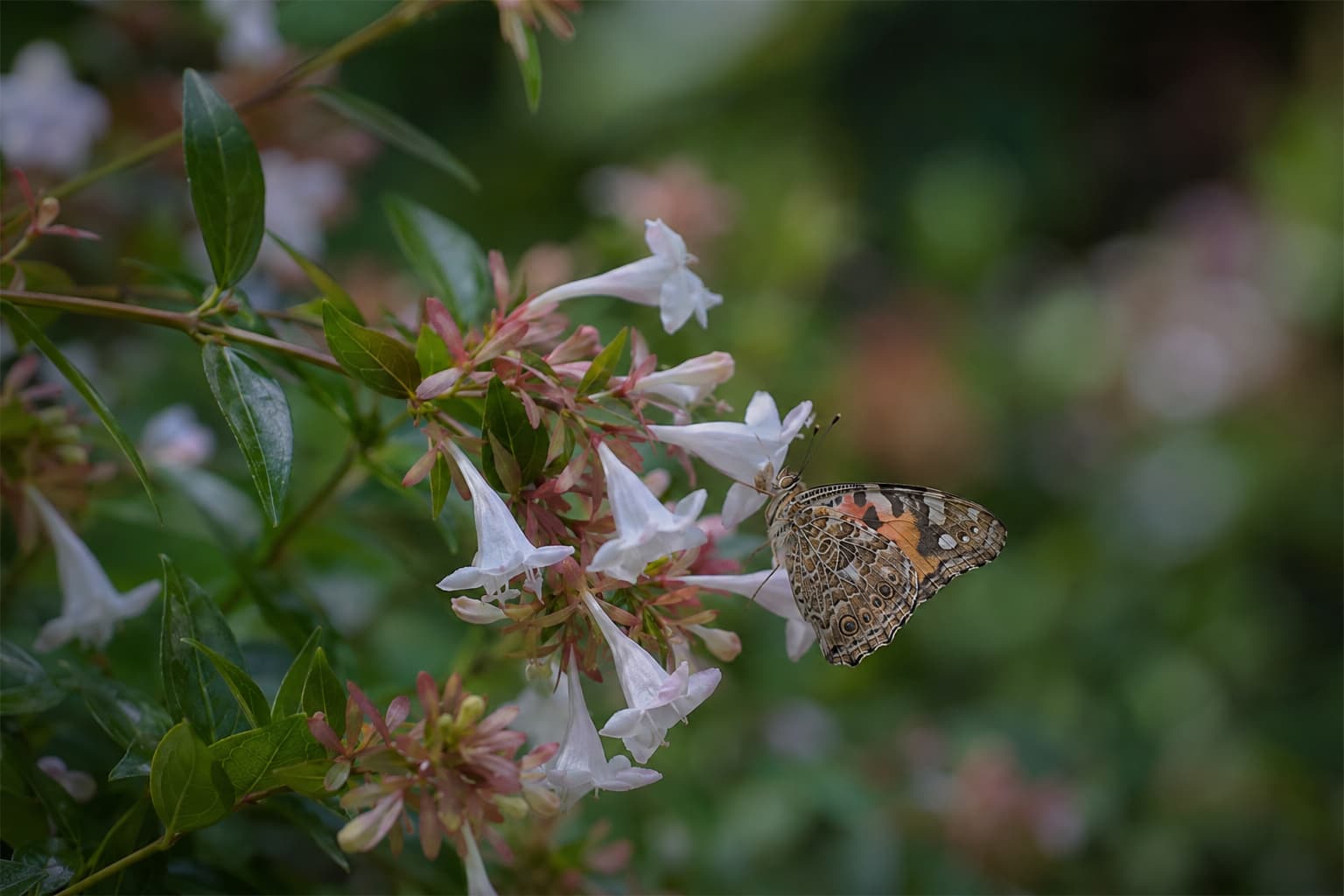
5+ months — from late spring through the first hard frost. The main bloom flush begins in May–June and continues in waves through October or November, depending on your climate. Each individual flower is short-lived, but the plant produces new ones continuously. This is one of the longest bloom periods of any flowering shrub. The pink sepals (the base of the flower) often persist after petals drop, extending the color display.
Is abelia toxic to dogs or children?
No — abelia is non-toxic. All parts are safe for children and pets. It's in the honeysuckle family (Caprifoliaceae), which contains mostly non-toxic plants. Combined with its deer resistance, drought tolerance, and near-immunity to pests and diseases, this makes abelia one of the safest and easiest flowering shrubs for family gardens.
Sources & Further Reading:
- Royal Horticultural Society — Abelia Growing Guide
- NC State Extension — Abelia × grandiflora (Glossy Abelia)
- Missouri Botanical Garden — Abelia × grandiflora Plant Finder
- University of Georgia Extension — Abelia: A Landscape Shrub for the South
- Arnold Arboretum of Harvard — Abelia Collection
- ASPCA — Toxic and Non-Toxic Plants List
Final Thoughts
Abelia is the shrub you recommend to someone who says they kill everything. It's drought-tolerant, deer-resistant, nearly pest-free, non-toxic, and blooms for half the year. The only thing it asks is that you don't panic in March when it looks dead — because it's not. Wait for warm soil, prune out the dead stems, and it will reward you with another season of graceful, fragrant, pollinator-filled blooms.
Here's what to remember:
- It looks dead in spring but it's not. Wait until May before giving up. Scratch test for green tissue.
- Blooms on new wood. Prune in late winter. Even hard pruning won't cost you flowers.
- Full sun = maximum bloom. Less sun = fewer flowers.
- Don't fertilize. Especially near lawns. Lean soil = more flowers.
- Drought-tolerant, deer-resistant, pest-free, non-toxic. One of the easiest flowering shrubs available.
- Blooms for 5+ months. Few shrubs can match this duration.
If you found this guide helpful, you might also enjoy our guides on Potentilla Care and Smoke Bush Care — two more shrubs that thrive on neglect.