Daphne Plant Guide: How to Grow Daphne Without Losing It
Daphne rewards a careful gardener with remarkable late-winter fragrance—but it needs sharp drainage, a settled root zone, and a light touch.
Quick Summary
Daphne (Daphne spp.) produces one of the most intoxicating fragrances in the plant world — a sweet, citrusy, clove-like scent that can fill an entire garden from a single shrub in late winter or early spring. But daphne also has a reputation as one of the most frustrating shrubs to grow. The #1 question on every gardening forum: "Why did my daphne suddenly die?" The answer usually comes down to three things: root disturbance (never transplant an established daphne), poor drainage (they rot in wet soil), or a fungal pathogen that kills the plant before you notice symptoms. This guide covers the honest reality of growing daphne — the fragrance is worth it, but only if you get the fundamentals exactly right.
In This Guide
- What Is Daphne? (And Why Gardeners Love and Fear It)
- Plant Profile at a Glance
- Why Daphnes Suddenly Die (The Honest Answer)
- How to Plant Daphne: Get It Right the First Time
- Complete Care Guide: Light, Water, Soil, Fertilizer
- Pruning Daphne: Less Is More
- Daphne Toxicity: Critical Warning
- Best Daphne Varieties for Home Gardens
- Frequently Asked Questions
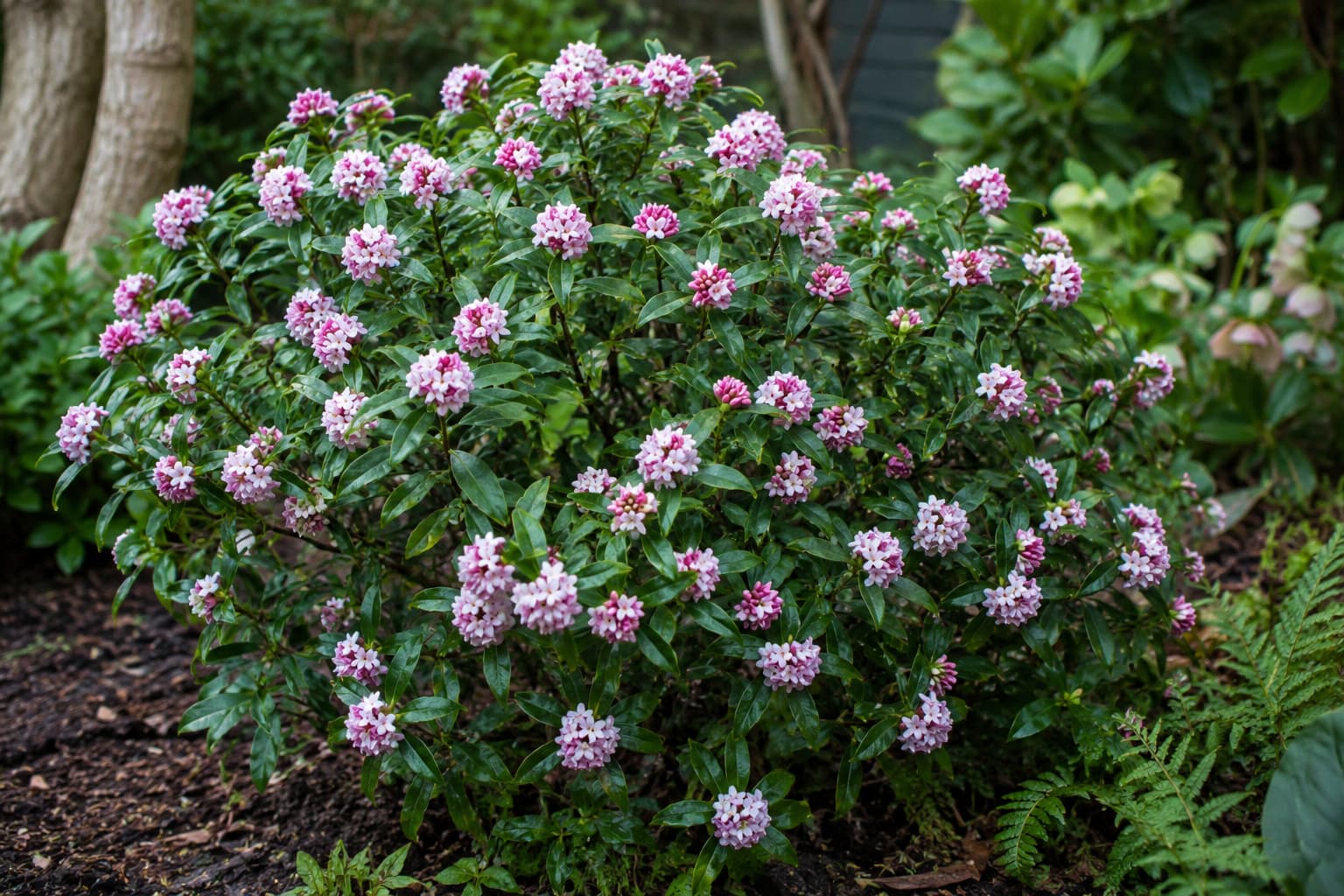
What Is Daphne? (And Why Gardeners Love and Fear It)
Daphne is a genus of about 95 species of deciduous and evergreen shrubs in the family Thymelaeaceae, native to Europe, North Africa, and temperate and subtropical Asia. The name comes from the Greek nymph Daphne, who was transformed into a laurel tree — fitting, because daphne shrubs are almost mythologically beautiful and equally elusive.
What makes daphne special: the fragrance. It's one of the most powerful and complex scents in the plant kingdom — sweet but not cloying, with notes of citrus, clove, honey, and jasmine. A single mature Daphne odora can scent a 50-foot radius on a warm day in late winter, when almost nothing else is blooming. This is why gardeners keep trying to grow daphne despite its difficult reputation.
What makes daphne difficult: it's finicky about almost everything. It hates wet feet but needs consistent moisture. It needs good light but scorches in hot afternoon sun. It resents root disturbance so deeply that simply transplanting it can kill it. And it's susceptible to a handful of fungal diseases that can kill a seemingly healthy plant in a matter of weeks. Daphne is not a "set it and forget it" shrub — it's a plant that rewards precision and punishes carelessness.
⚠️ The Daphne Reality Check
Daphne typically lives a variable number of years in a garden setting — sometimes up to 15–20 in ideal conditions. This is not a long-lived shrub compared to rhododendrons or camellias. Some plants die sooner for no obvious reason. If you're looking for a bulletproof, plant-it-and-forget-it shrub, daphne is not it. If you're willing to give it exactly what it needs in exchange for some of the best fragrance in gardening, it's worth every effort.
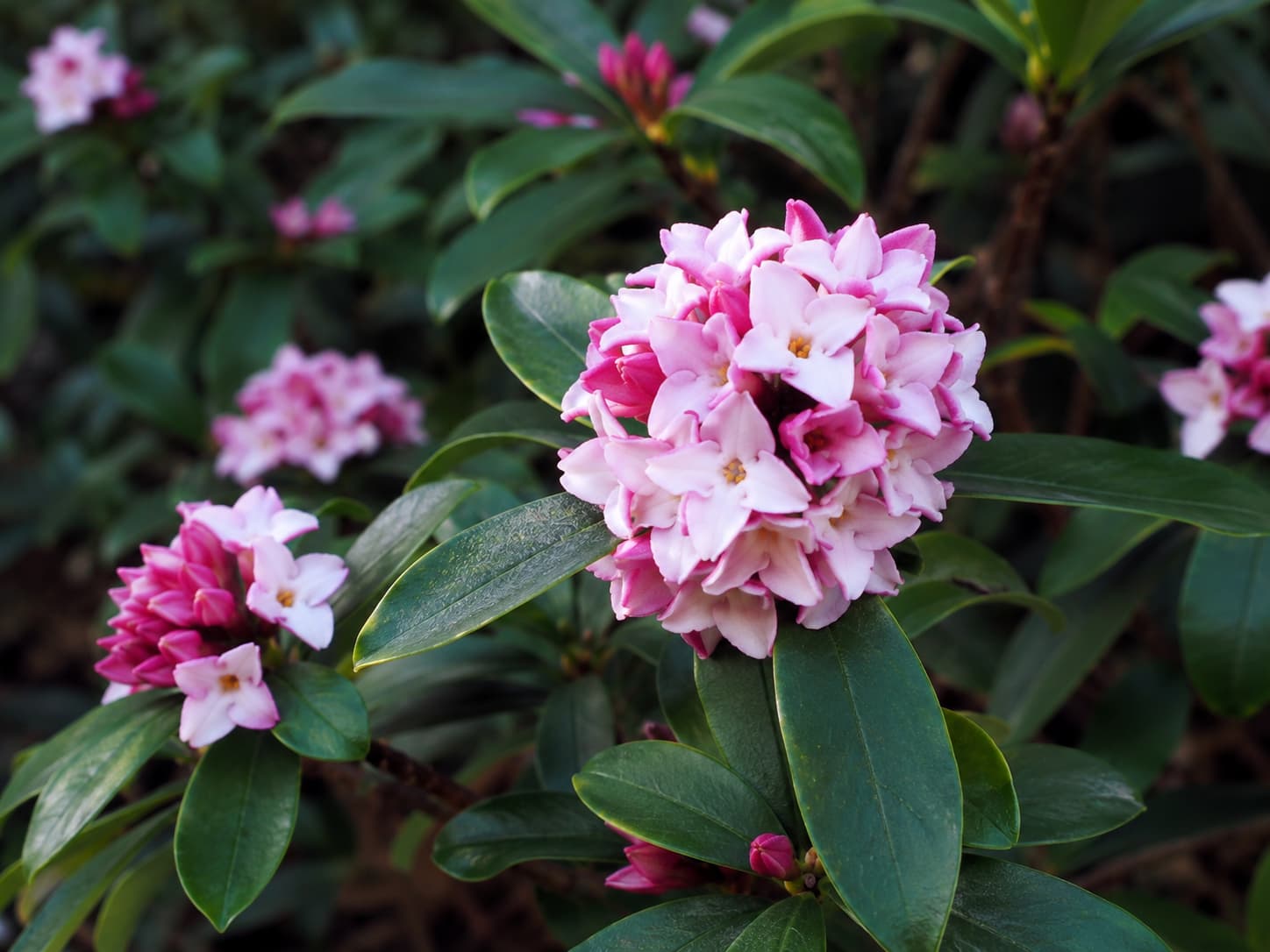
Plant Profile at a Glance
| Feature | Details |
|---|---|
| Common Name | Daphne |
| Scientific Name | Daphne spp. (most commonly D. odora, D. × burkwoodii, D. cneorum) |
| Plant Type | Evergreen or semi-evergreen shrub (some species deciduous) |
| USDA Zones | 4–9 (varies widely by species; D. odora is Zones 7–9) |
| Mature Size | 2–4 ft tall and wide (most garden varieties); some species to 6 ft |
| Bloom Time | Late winter to early spring (February–April in most regions) |
| Flower Colors | White, pink, rose, purple, sometimes with darker throats |
| Fragrance | Intensely sweet, citrus-clove-honey; among the strongest of any shrub |
| Sun Needs | Partial shade to morning sun; protect from hot afternoon sun |
| Soil | Well-drained, neutral to slightly alkaline (pH 6.5–7.5); rich in organic matter |
| Lifespan | 8–15 years typical; 20+ in ideal conditions |
| Toxicity | All parts toxic if ingested — leaves, bark, flowers, and especially berries |
⚠️ Why Daphnes Suddenly Die (The Honest Answer)
This is the section that should be in every daphne guide but almost never is. Search "daphne suddenly died" on any gardening forum and you'll find thousands of confused, frustrated posts. The plant looked fine yesterday. Today it's wilting. Tomorrow it's dead. What happened?
The Three Most Common Causes of Sudden Daphne Death
1. Root Rot (Phytophthora and Other Water Molds)
This is the #1 killer. Daphne roots are extremely sensitive to poor drainage. In heavy clay, compacted soil, or any spot where water sits after rain, the roots are attacked by soil-borne pathogens — primarily Phytophthora species. The roots rot, the plant can't take up water, and the top growth collapses. By the time you see wilting, the roots are already destroyed.
Prevention is the only cure. Once severe root rot has destroyed much of the root system, recovery is unlikely. Plant daphne in well-drained soil or on a slight mound. If your soil is heavy clay, either amend it extensively with organic matter and coarse sand, grow daphne in a raised bed, or choose a different plant.
2. Root Disturbance
Daphne has a brittle, sensitive root system that does not recover well from disturbance. This is the plant's most famous quirk: avoid transplanting an established daphne unless it is genuinely necessary. Even careful transplanting can kill it. Even digging near its roots to plant something else can cause fatal stress. If you need to move a daphne, do it when the plant is very young (first year in the ground) — and even then, expect it to sulk for a season.
The Golden Rule of Daphne
Plant it in the right spot the first time, and avoid moving it once established. Choose your location carefully — light, drainage, proximity to paths (for fragrance), and protection from wind. Once it's in the ground and established, consider it permanent. This is the single most important piece of daphne advice, and violating it is the most common cause of death after root rot.
3. Environmental Stress Cascades
Daphnes have a frustrating tendency to die from what looks like a minor problem — a week of unusually wet weather, a late hard freeze after a warm spell, a hot dry week when you forgot to water. They don't have the reserves to ride out stress the way a tougher shrub would. A small stressor weakens the plant, a secondary pathogen moves in, and the plant collapses. The "sudden" death often had a trigger you didn't notice two weeks earlier.
Other Causes of Decline (Slower, but Still Fatal)
- Planting too deep. The root flare must be at or slightly above the soil surface. Buried crowns rot.
- Mulch against the stem. Traps moisture, invites rot. Keep mulch 2–3 inches away from the base.
- Overwatering. More daphnes die from too much water than too little. Let the top inch of soil dry between waterings.
- Heavy pruning. Daphne blooms on old wood and resents hard cutting. More on this in the pruning section.
How to Plant Daphne: Get It Right the First Time
When to Plant
Early fall is ideal — the soil is still warm, rainfall is usually reliable, and the plant has months to establish before summer heat. Early spring is the second-best option. Avoid planting in summer — heat stress on a newly planted daphne is a recipe for failure.
Where to Plant
- Light: Morning sun with afternoon shade is ideal. In cool coastal or northern climates, daphne can handle full sun. In Zones 8+, afternoon shade is essential.
- Drainage: This is non-negotiable. If water pools after rain, plant elsewhere or create a raised mound 6–8 inches above grade.
- Wind protection: Daphne benefits from a sheltered spot — near a wall, fence, or larger evergreen — especially in cold climates where winter wind can desiccate leaves.
- Near a path or door: The fragrance is wasted if you have to walk to the far end of the yard to smell it. Plant near an entryway, along a garden path, or beside a patio where you'll catch the scent in late winter and early spring.
- Soil pH: Unlike rhododendrons, daphne prefers neutral to slightly alkaline soil (pH 6.5–7.5). It does not need ericaceous compost. If your soil is strongly acidic, test it before changing the pH and follow local guidance for the species you are growing.
Planting Steps
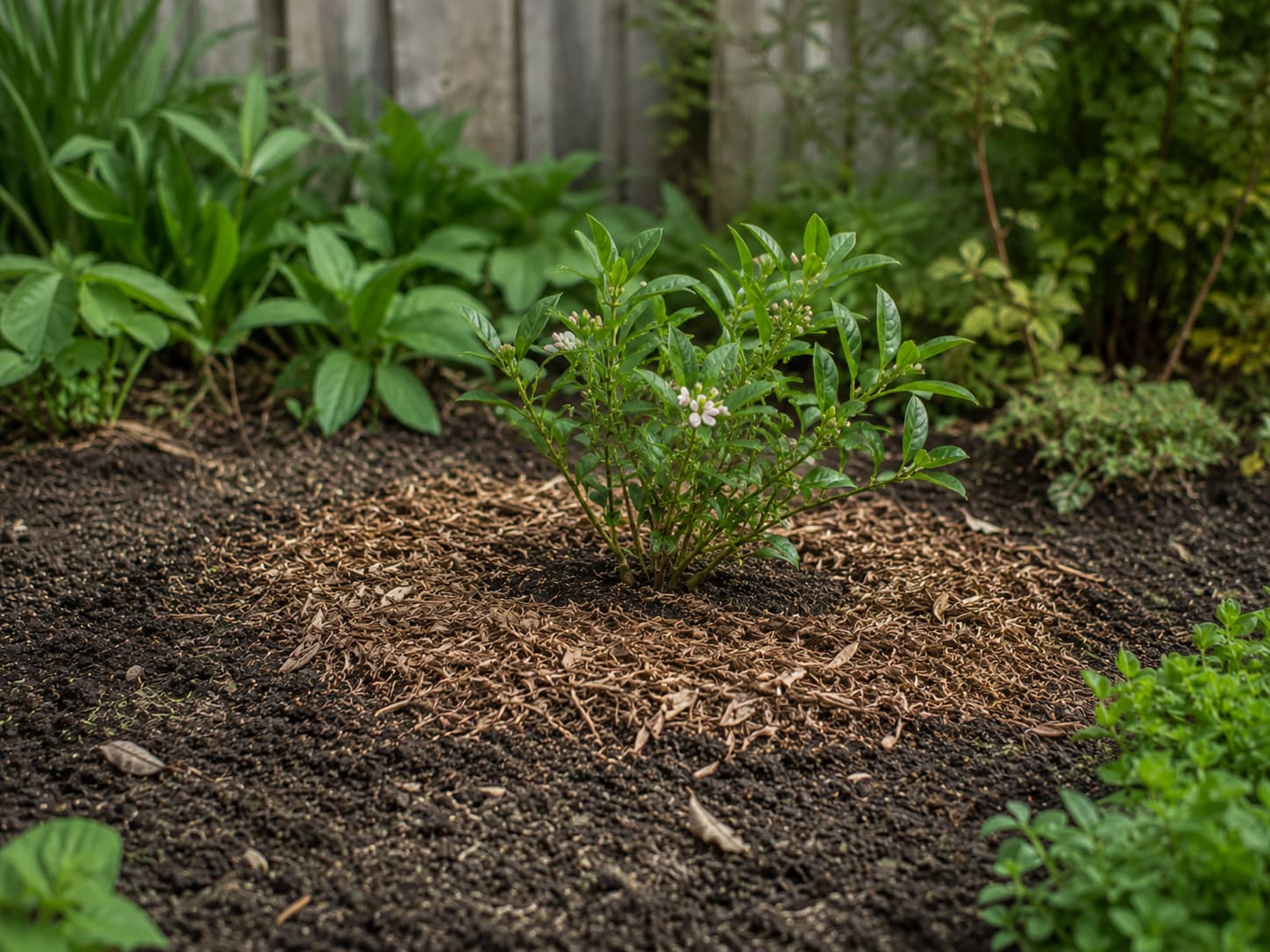
- Dig a hole twice as wide as the root ball and exactly as deep — no deeper.
- Position the plant so the top of the root ball is level with or slightly above the surrounding soil.
- Backfill with the native soil. If drainage is poor, improve the wider planting area or use a raised bed rather than adding a small pocket of sand to heavy clay. Don't create a sump of rich organic matter in heavy clay — it'll fill with water like a bathtub.
- Water deeply once. Apply 2 inches of mulch in a ring around the plant, keeping it 2–3 inches away from the stem.
- Do not fertilize at planting time. Daphne has sensitive roots; fertilizer burn at this stage is common. Wait until the plant shows new growth.
Complete Care Guide: Light, Water, Soil, Fertilizer
Light
Daphne grows best with morning sun and afternoon shade, or in dappled light under deciduous trees. Too much hot afternoon sun causes leaf scorch and stress. Too much deep shade reduces flowering and makes the plant leggy. The sweet spot: a location that gets good light from sunrise through midday, then protection during the hottest hours.
Watering
Daphne needs consistent moisture but absolutely cannot tolerate soggy soil. This is the tightrope. Water deeply when the top 1–2 inches of soil feel dry. During the growing season, that might be once or twice a week depending on your climate and soil. In winter, reduce frequency — the plant's water needs are much lower, and cold wet soil is especially dangerous.
Critical watering periods: late summer through fall, when next year's flower buds are forming. Drought stress during this window means fewer flowers next spring. Also, the first year after planting — the root system is small and needs consistent moisture to establish.
Signs of underwatering: leaves droop, curl, or develop brown crispy edges. Signs of overwatering: leaves turn yellow and drop, stems feel soft at the base, soil smells sour.
Fertilizing
Daphne is a light feeder and easily damaged by over-fertilization. Apply a balanced, slow-release fertilizer (like 10-10-10) at half the recommended rate in early spring as new growth begins. Alternatively, a 1-inch layer of well-rotted compost spread around the root zone (not against the stem) in spring provides all the nutrition most daphnes need.
Do not use high-nitrogen lawn fertilizers — they push weak, sappy growth that attracts pests. Do not fertilize after mid-summer — late feeding encourages tender growth that winter will kill. If in doubt, fertilize less, not more.
Pruning Daphne: Less Is More
Daphne requires very little pruning — and the less you do, the better it usually looks. It has a naturally compact, rounded form that needs minimal shaping.
The Pruning Rules
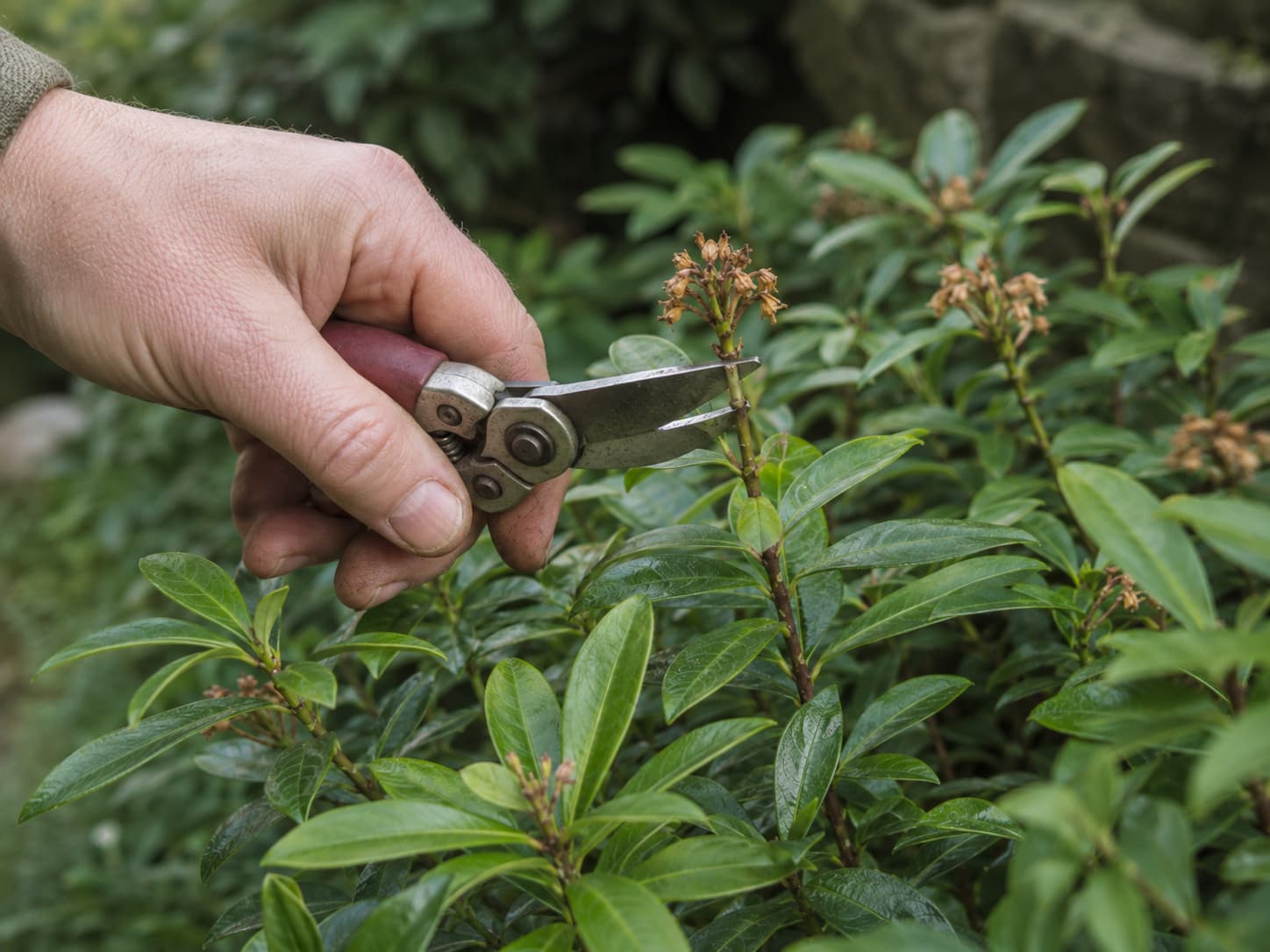
- Timing: Prune immediately after flowering finishes (late spring). Daphne blooms on old wood — buds for next year form on growth made this summer. Pruning in fall or winter removes next year's flowers.
- What to remove: Dead, damaged, or diseased wood. Spent flower clusters (light deadheading is fine). Branches that cross and rub.
- What NOT to do: Hard pruning into old wood. Daphne does not regenerate reliably from bare stems the way many shrubs do. Cutting back into leafless branches often results in dieback rather than new growth.
- Shaping: If you must shape, take no more than 10–15% of the plant at a time. Light tip-pruning of over-long shoots is safer than cutting back entire branches.
⚠️ Heavy Pruning Can Kill a Daphne
Unlike roses, hydrangeas, or spirea — which bounce back vigorously from hard pruning — daphne often does not recover from being cut back severely. If your daphne has become leggy or misshapen, accept it or replace it. Trying to "fix" it with a hard prune is more likely to kill it than improve it.
⚠️ Daphne Toxicity: Critical Warning
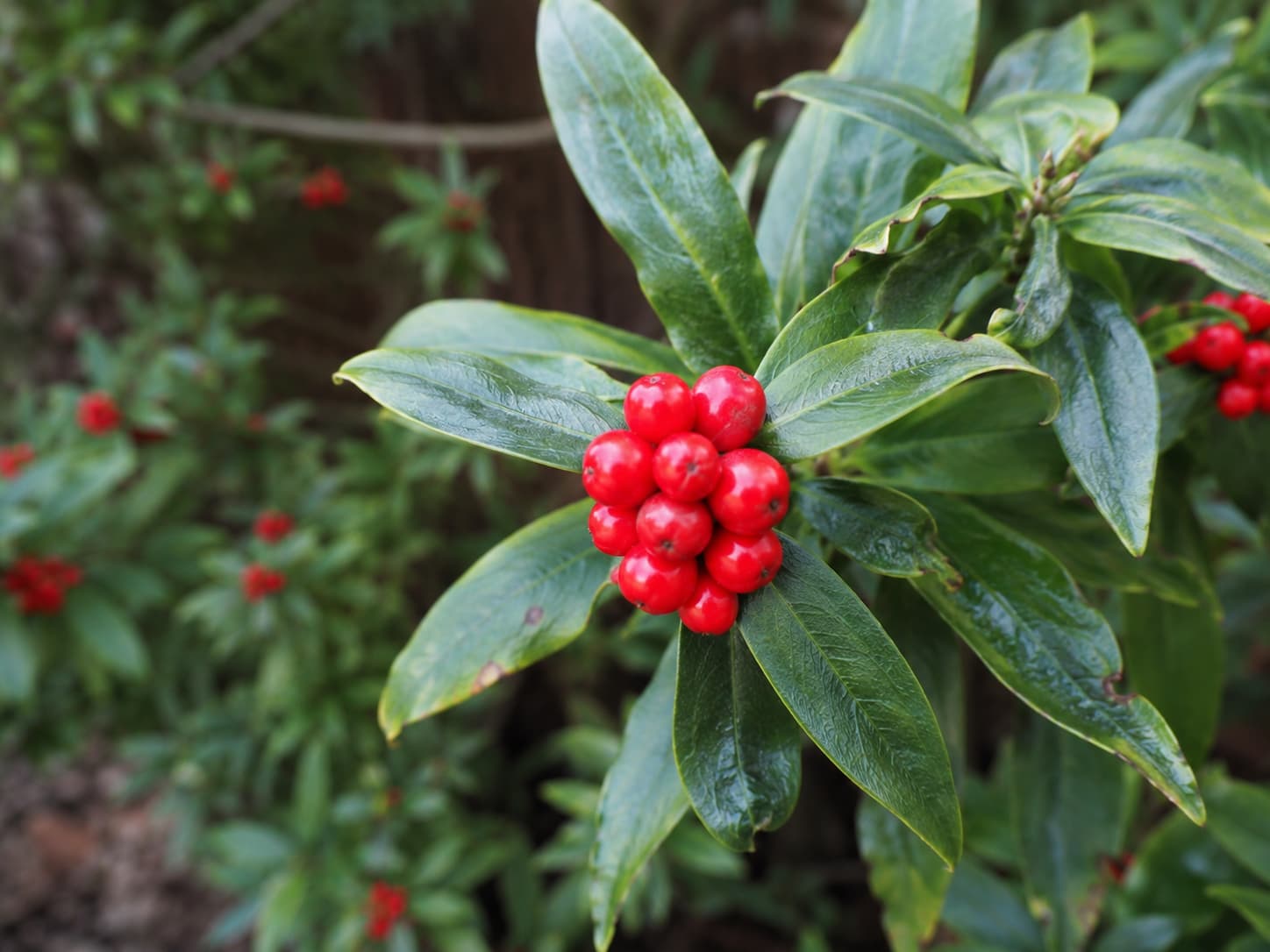
All parts of daphne are toxic if ingested. The bark, leaves, flowers, and sap contain diterpenoid compounds (mezerein and daphnetoxin) that cause severe irritation and poisoning. The berries are especially dangerous — they're bright red, produced in clusters after flowering, and could be mistaken for something edible by a child.
Toxicity Summary
Ingestion of any part — especially the berries — can cause: burning and swelling of the mouth and throat, severe gastrointestinal distress (vomiting, diarrhea, abdominal pain), internal bleeding in severe cases, and kidney damage. Ingestion can cause serious poisoning and requires prompt professional advice. Skin contact with the sap can cause blistering and dermatitis in sensitive individuals. If ingestion is suspected, call Poison Control (1-800-222-1222 in the U.S.) or seek emergency medical attention immediately.
Safety Precautions
- If you have young children, do not plant daphne where they can access the berries. Remove spent flowers before berries form, or choose a different plant.
- Wear gloves when handling daphne — pruning, transplanting, or even just deadheading. The sap is a skin irritant.
- Wash hands thoroughly after any contact with the plant. Do not touch your face or eyes while working with daphne.
- Do not plant near vegetable gardens or anywhere food is harvested.
- Pets: While dogs and cats rarely eat enough to cause severe poisoning (the taste is unpleasant), keep daphne out of areas where pets have unsupervised access. The berries are the main risk.
Safer Fragrant Shrubs for Families with Young Children
If the toxicity is a deal-breaker, consider: Lilac (Syringa — non-toxic, intensely fragrant spring blooms), Mock Orange (Philadelphus — non-toxic, citrus-scented white flowers), or Witch Hazel (Hamamelis — non-toxic, fragrant winter blooms). None match daphne's exact combination of winter bloom and fragrance intensity, but they're much safer choices.
Best Daphne Varieties for Home Gardens
| Variety | Size | Flowers | Zones | Notes |
|---|---|---|---|---|
|
Daphne odora Winter Daphne |
3–4 ft | Pink and white, intensely fragrant | 7–9 | The classic winter daphne, valued for its powerful fragrance and evergreen foliage. It commonly blooms from late winter into early spring. Excellent drainage, a sheltered position, and protection from weather extremes are especially important. |
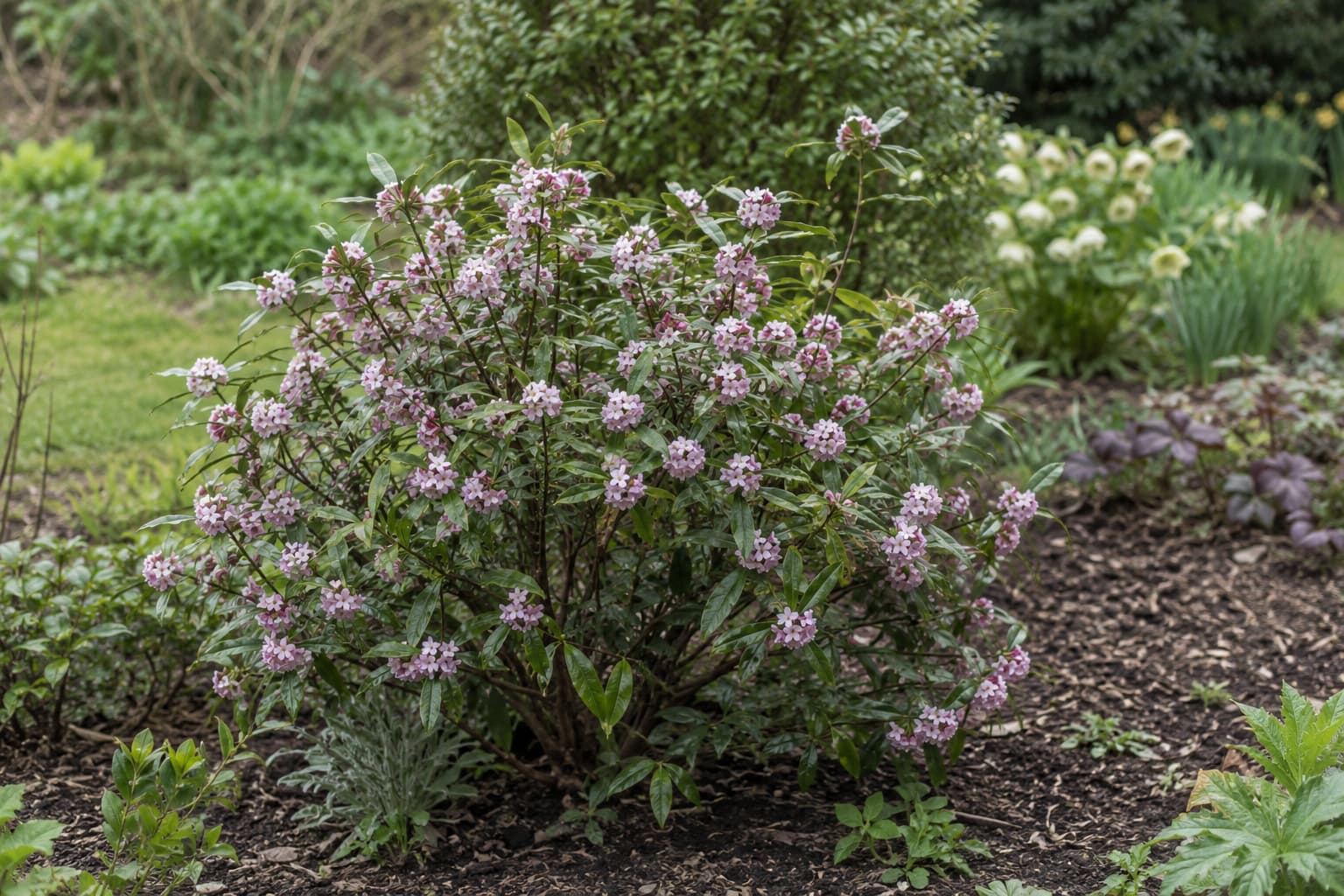
| Daphne odora ‘Aureomarginata’ | 3–4 ft | Pink-purple buds opening to pale pink flowers | 7–9 | A variegated form with cream-edged evergreen leaves. It provides year-round foliage interest and the familiar winter-daphne fragrance. Site it away from harsh afternoon sun, which can scorch the pale leaf margins. |
|
Daphne × burkwoodii Burkwood Daphne |
3–4 ft | Pale pink and strongly fragrant | 4–8 | A compact, often semi-evergreen hybrid suited to many cooler gardens. It usually flowers later than Daphne odora. Hardiness, foliage retention, and mature shape vary among individual cultivars. |
|
Daphne cneorum Garland Daphne |
6–12 in | Deep pink and intensely fragrant | 4–8 | A low, spreading evergreen suitable for rock gardens, raised beds, slopes, and the front of a border. It needs sharp drainage and should not sit in cold, wet soil during winter. |
| ‘Perfume Princess’ | 2–4 ft | Pink buds opening to pale pink or white flowers | Varies by source | A modern fragrant hybrid selected for an extended flowering period and compact garden habit. Confirm local hardiness, mature size, and container suitability with the nursery supplying the plant. |
|
Daphne mezereum February Daphne |
3–5 ft | Pink-purple flowers on bare stems | 4–7 | A deciduous, cold-hardy species that flowers before the leaves emerge. Bright red toxic fruits may follow the blooms, so it requires careful placement in gardens used by children or animals. |
Frequently Asked Questions
1. Why did my daphne suddenly die?
The most common causes include root rot associated with poor drainage, damage caused by transplanting or digging around the roots, and a sequence of environmental stresses such as saturated soil followed by freezing weather or drought followed by extreme heat. The visible collapse may appear sudden even though root damage began earlier. Check soil moisture, drainage, the stem base, and recent weather before assuming there was no identifiable cause.
2. Can I transplant my daphne?
Transplanting is possible, but established daphnes often respond poorly to root disturbance. Moving a young plant is generally less risky than relocating a mature shrub. When a move is unavoidable, preserve a generous root ball, replant promptly at the original depth, and avoid breaking apart the roots. Choosing the permanent location carefully at planting time remains the safer approach.
3. Why isn't my daphne blooming?
Common reasons include pruning after flower buds have begun developing, insufficient light, drought stress during bud formation, cold damage, excessive nitrogen, or a plant that is still establishing. Confirm the species or cultivar first because different daphnes flower at different times. A bright site with protection from harsh afternoon sun usually provides a better balance than either deep shade or intense heat.
4. Are daphne berries poisonous?
Yes. The fruits and all other parts of daphne are toxic if eaten. The bright berries deserve particular attention because they may look attractive to children. Keep the plant away from unsupervised play areas, collect fallen fruits and prunings, and contact an appropriate poison-control service, medical professional, or veterinarian promptly after suspected ingestion.
5. When should I prune my daphne?
Complete light shaping soon after flowering. Remove dead, damaged, or crossing growth and shorten only shoots that disrupt the shrub’s natural outline. Avoid severe pruning into old, leafless wood because many daphnes do not regenerate reliably from bare stems. A light annual correction is safer than allowing the shrub to outgrow its space and then cutting it back heavily.
6. What is the easiest daphne for beginners?
Daphne × burkwoodii is often a practical choice for gardeners in colder regions because many cultivars are hardier than Daphne odora. Low-growing Daphne cneorum can suit sharply drained rock gardens and raised beds. Performance still depends heavily on climate, summer heat, winter wet, and drainage, so choose a cultivar recommended by a reliable local nursery.
7. Does daphne need acidic soil like rhododendrons?
Not necessarily. Daphne species and cultivars vary in their soil preferences. Many tolerate neutral or mildly alkaline soil, while others also grow well in slightly acidic conditions. Good drainage is usually more important than reaching one exact pH. Test the soil before adding lime, sulfur, or another amendment rather than changing the root zone by guesswork.
8. How long do daphne plants live?
Lifespan varies widely. Some daphnes remain healthy for many years in a sheltered, freely draining site, while others decline sooner after root damage, extreme weather, or disease. There is no dependable fixed lifespan for every species or garden. Careful siting and minimal disturbance improve the odds, but they cannot guarantee how long an individual shrub will live.
Sources & Further Reading
Final Thoughts
Daphne is not the easiest shrub to grow, but its late-winter fragrance makes it unforgettable. Success depends less on constant attention and more on choosing a sheltered, freely draining site and then resisting the urge to overwater, overfeed, move, or heavily prune the plant.
Choose the planting position carefully from the beginning. Keep the top of the root ball visible, protect the roots from prolonged wetness, and disturb the surrounding soil as little as possible. Established daphnes can respond poorly to transplanting, although this does not mean that every moved plant will automatically die.
Even with thoughtful care, individual plants can be unpredictable. Some remain healthy for many years, while others decline after difficult weather, root damage, or disease. The goal is not to control every variable—it is to give the shrub the stable conditions it needs to settle in and flower well.
Five Things to Remember
- Prioritize drainage. Prolonged wetness around the roots and crown is one of the most common causes of serious daphne decline.
- Choose a long-term planting position. Avoid unnecessary transplanting and digging close to an established root system.
- Water according to the soil, not the calendar. Keep newly planted shrubs evenly moist, but always check that excess water can drain away.
- Prune lightly after flowering. Remove damaged growth and shorten only shoots that disturb the shrub’s natural shape.
- Take the toxicity risk seriously. Keep fruits and prunings away from children and animals, and choose a safer shrub where accidental ingestion is a realistic concern.
How is your daphne behaving? Share your climate, variety, soil drainage, light conditions, and symptoms with the Greenmuse community.
Clara Moss is the gardener behind Greenmuse. Over the past 10+ years, she has grown herbs on windowsills, tested cactus and succulent soil mixes, rescued struggling houseplants, and learned many lessons through trial and error. Greenmuse is where she shares honest, practical plant care advice for real homes — based on hands-on experience, not perfect greenhouse conditions. When she’s not writing, Clara is usually propagating succulents or trying to keep a calathea happy.