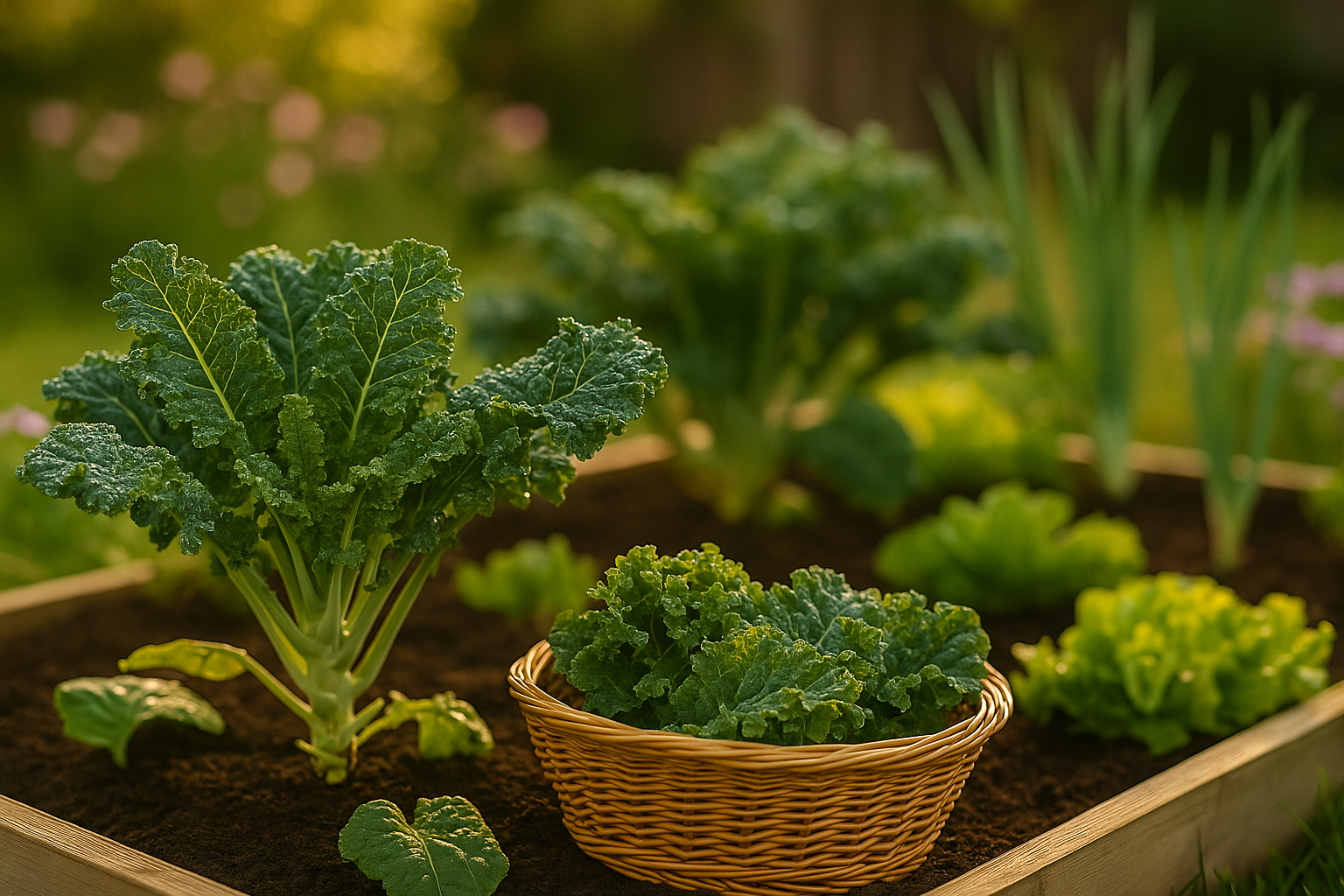
Kale is no longer just a “superfood” trend — it’s a garden staple for anyone who loves resilience, nutrition, and beauty. From frost-sweetened fall harvests to colorful container displays, kale proves that leafy greens can be as versatile as they are delicious.
Botanical Overview
- Family: Brassicaceae (Cabbage family)
- Scientific Name: Brassica oleracea, Acephala Group
- Plant Type: Biennial grown as annual
- Bloom Time: Year-round in mild climates, peak fall–spring
- USDA Zones: 3–10
Appearance & Garden Value
- Frilly, flat, or lacinato (dinosaur) leaves in shades of green, purple, or blue-gray.
- Decorative enough for ornamental borders or edible landscaping.
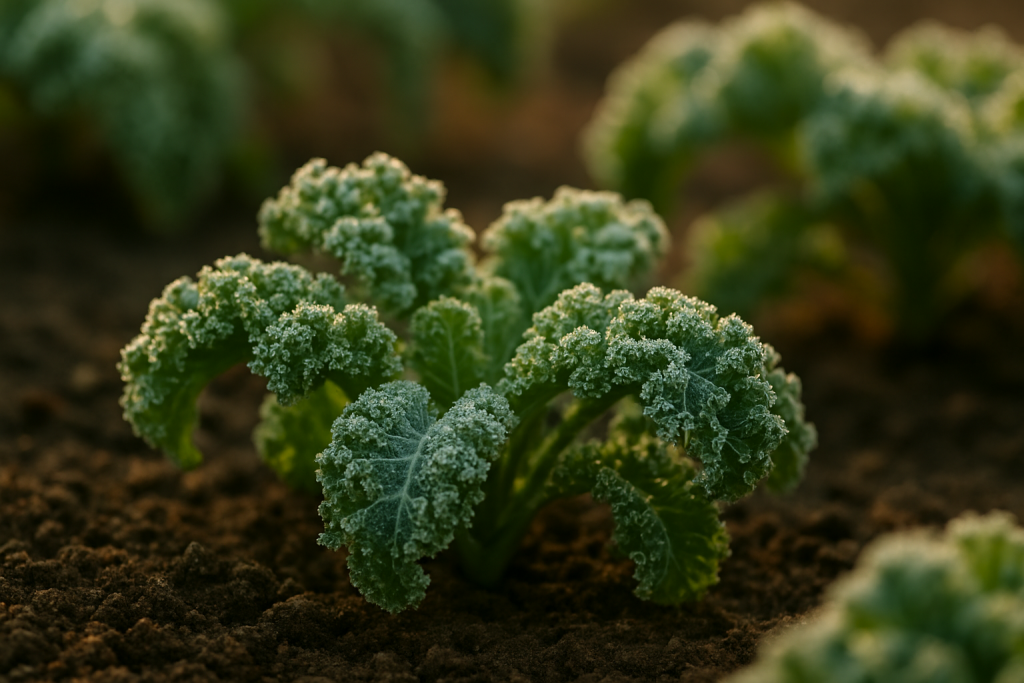
- Frost enhances sweetness, making kale an ideal late-season performer.
Cultivation & Care
- Light: Full sun; tolerates partial shade.
- Soil: Fertile, well-drained, pH 6.0–7.5.
- Watering: ~1–1.5 inches per week, evenly distributed.
- Spacing: 12–18 inches apart.
Tips:
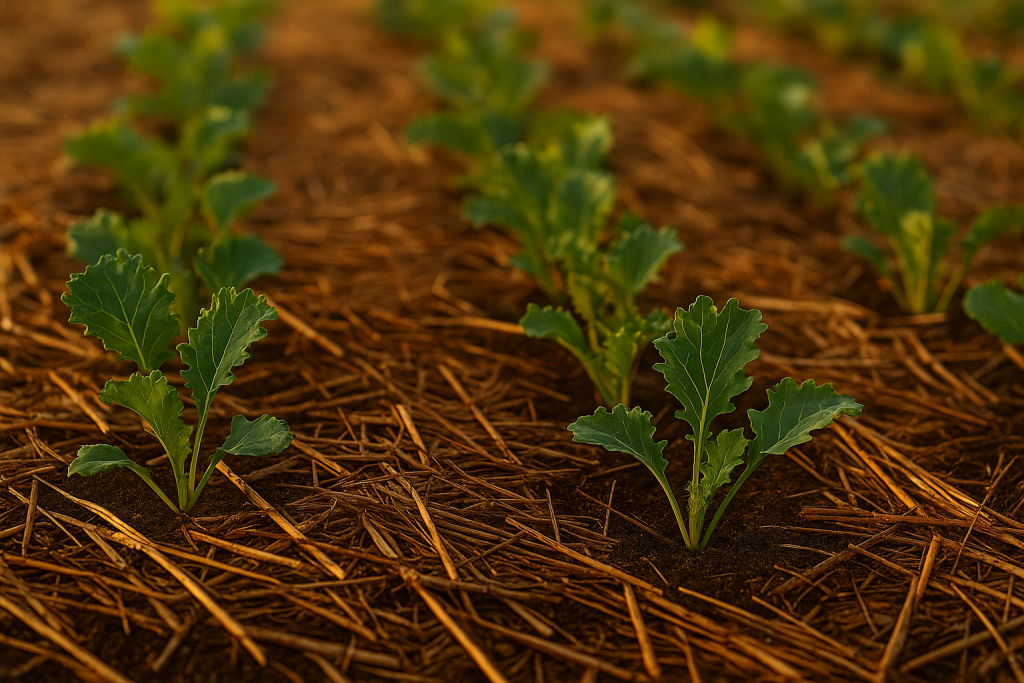
- Mulch 2–3 inches to regulate soil temperature and moisture.
- Fertilize with balanced organic compost or fish emulsion every 3–4 weeks.
- Pinch off yellowing leaves to reduce disease risk.
Popular Varieties to Try
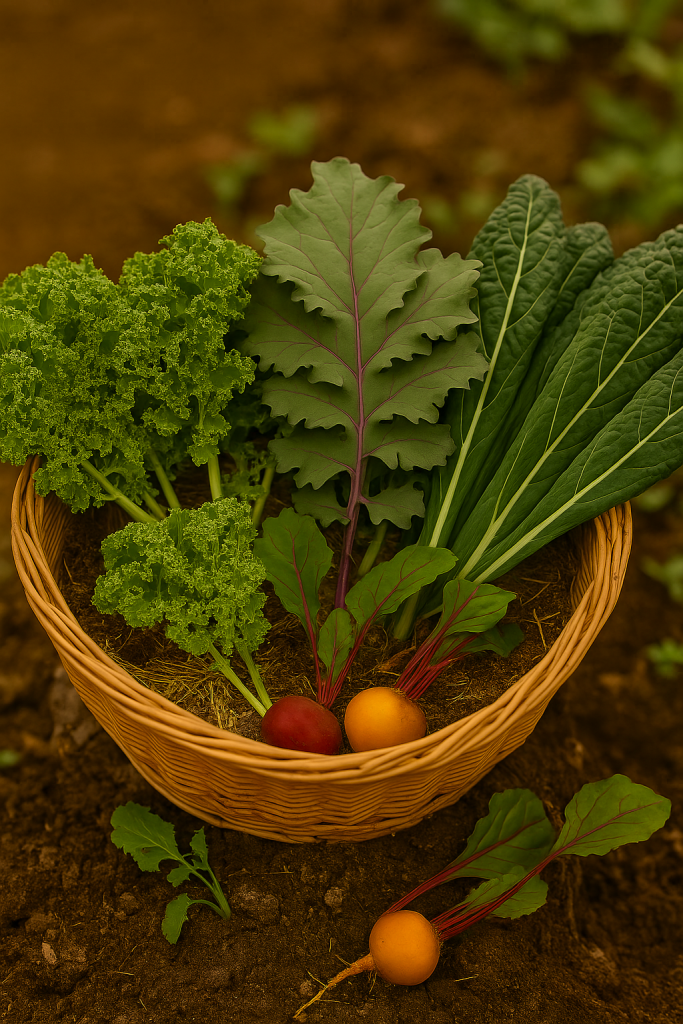
- Lacinato / Tuscan Kale (“Dinosaur Kale”) – Dark, strap-like leaves, mild flavor.
- Red Russian Kale – Tender leaves with purple veins, great for salads.
- Winterbor Kale – Curly, extremely cold-hardy, ideal for overwintering.
- Scarlet Kale – Vibrant purple foliage, ornamental + edible.
Companion Planting for Kale
Kale thrives when paired with the right garden allies:
- ✅ Good Companions:
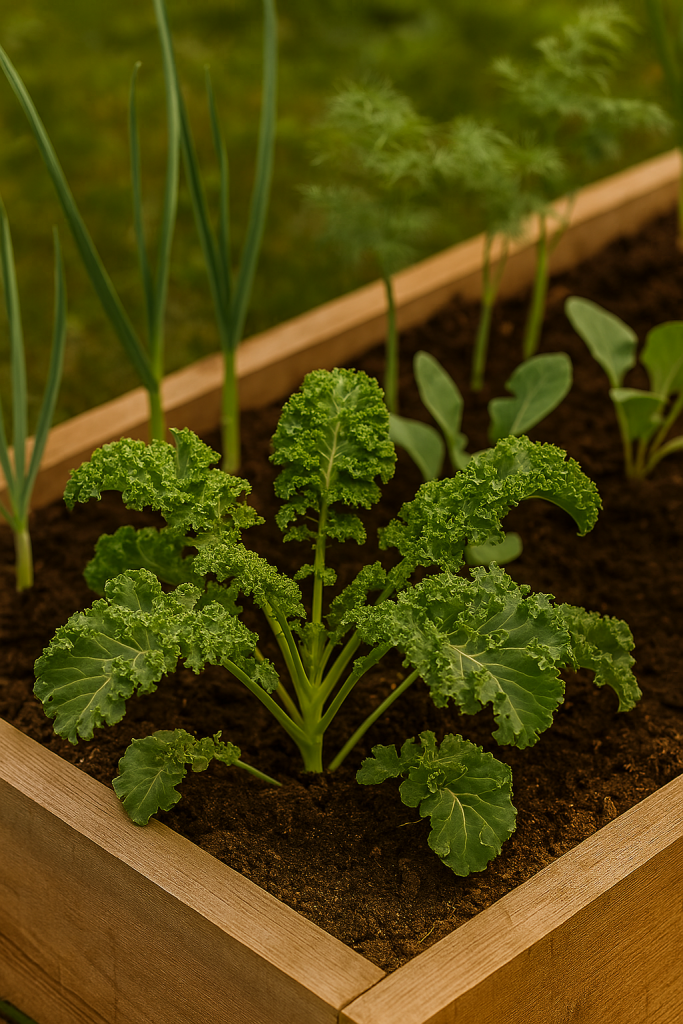
- Garlic & Onions → repel cabbage worms & aphids.
- Beets & Carrots → utilize different root zones, reduce competition.
- Herbs (Dill, Chamomile) → attract beneficial insects.
- ❌ Avoid:
- Other brassicas (cabbage, broccoli, Brussels sprouts) → same pests, nutrient competition.
Harvest & Storage
- Harvest outer leaves once 6–8 inches tall; let inner leaves continue growing.
- Continuous picking encourages new growth.
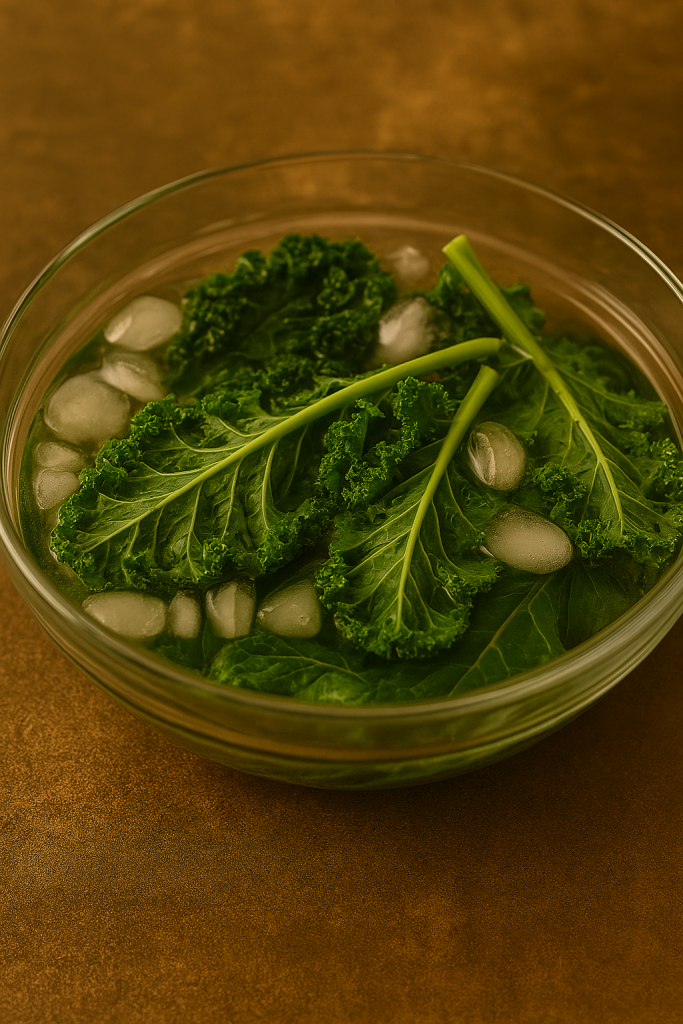
Freezing & Long-Term Storage:
- Wash thoroughly.
- Blanch 2–3 minutes in boiling water.
- Shock in ice water, drain well.
- Store in freezer-safe bags up to 8–12 months.
Medicinal & Nutritional Benefits
- High in vitamins A, C, K, calcium, and antioxidants.
- Anti-inflammatory, supports bone and eye health.
- Historically used as a healing winter green in European diets.
⚠️ Note: Overconsumption may interfere with thyroid function in those with iodine deficiency.
Common Pests & Diseases
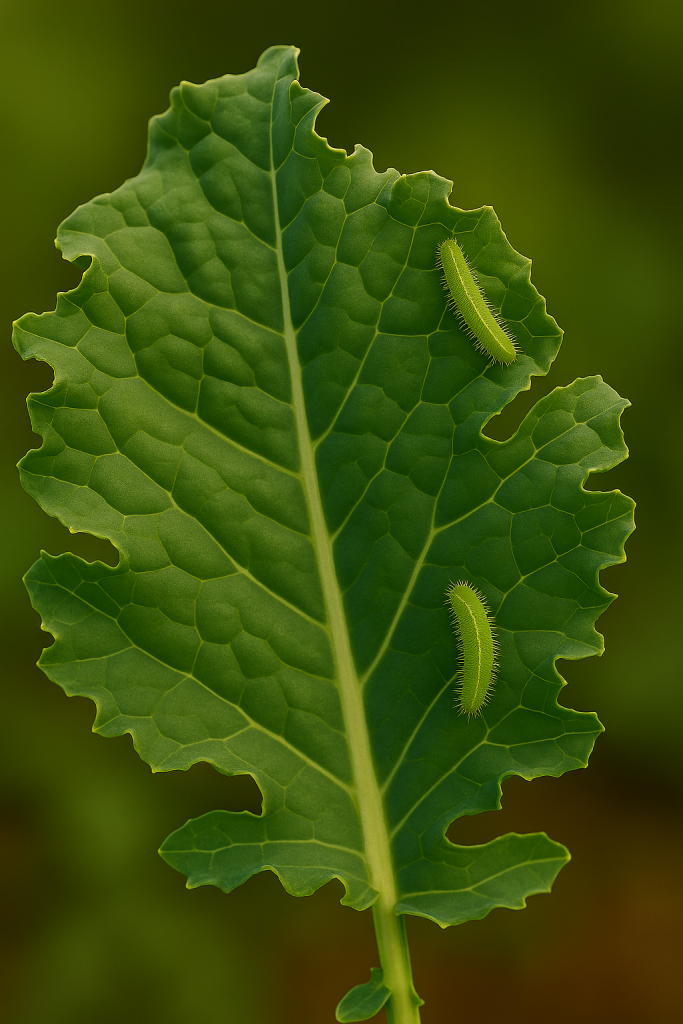
- Cabbage Worms → Use row covers or Bt spray.
- Aphids → Blast with water or apply neem oil.
- Downy Mildew → Improve airflow; water at soil level.
Regional Care Tips
- Cold Climates (Zones 3–5): Mulch heavily; try ‘Winterbor’ or ‘Redbor’.
- Mild Climates (Zones 6–10): Grow nearly year-round; protect from summer heat with shade cloth.
- Urban/Containers: Use pots at least 12 inches deep; pair with garlic or herbs to maximize space.
FAQ
Q: Can I grow kale indoors?
A: Yes, with grow lights or a sunny south-facing window.
Q: Why is my kale bitter?
A: Heat stress causes bitterness. Harvest in cooler months for sweeter leaves.
Q: Can kale survive snow?
A: Yes! Many varieties withstand light to moderate snow with improved sweetness.
Kale isn’t just a trendy green — it’s a resilient, nutrient-rich powerhouse that keeps giving through fall, winter, and beyond. Whether in soups, smoothies, or simply steamed, kale is your partner in healing and sustainable gardening.
CTA
👉 Save this guide for your fall & winter garden.
👉 Follow Greenmuse for more healing plant wisdom.
👉 [Download the FREE Printable Kale Care Guide PDF]
Clara Moss is the gardener behind Greenmuse. Over the past 10+ years, she has grown herbs on windowsills, tested cactus and succulent soil mixes, rescued struggling houseplants, and learned many lessons through trial and error. Greenmuse is where she shares honest, practical plant care advice for real homes — based on hands-on experience, not perfect greenhouse conditions. When she’s not writing, Clara is usually propagating succulents or trying to keep a calathea happy.