Why Chrysanthemum Tea Is Trending Again in the U.S.
If you’ve noticed chrysanthemum tea popping up in wellness cafés, quiet tea corners, and even home gardens lately—you’re not imagining it.
Across the U.S., more people are rediscovering this classic flower tea, not as a cure-all or trendy supplement, but as something much simpler and more sustainable:
a calm, caffeine-free drink that fits easily into everyday life.
Americans aren’t searching for chrysanthemum tea because it promises miracles.
They’re drawn to it because it meets three very modern needs:
- Gentle relaxation without caffeine
- Flavorful hydration that doesn’t feel heavy
- A plant-based ritual that feels intentional—not medicinal
At its core, chrysanthemum tea is a light, caffeine-free floral tea enjoyed for its flavor, simplicity, and calming routine.
That’s exactly how this guide approaches it—practically, thoughtfully, and with respect for both tradition and modern habits.
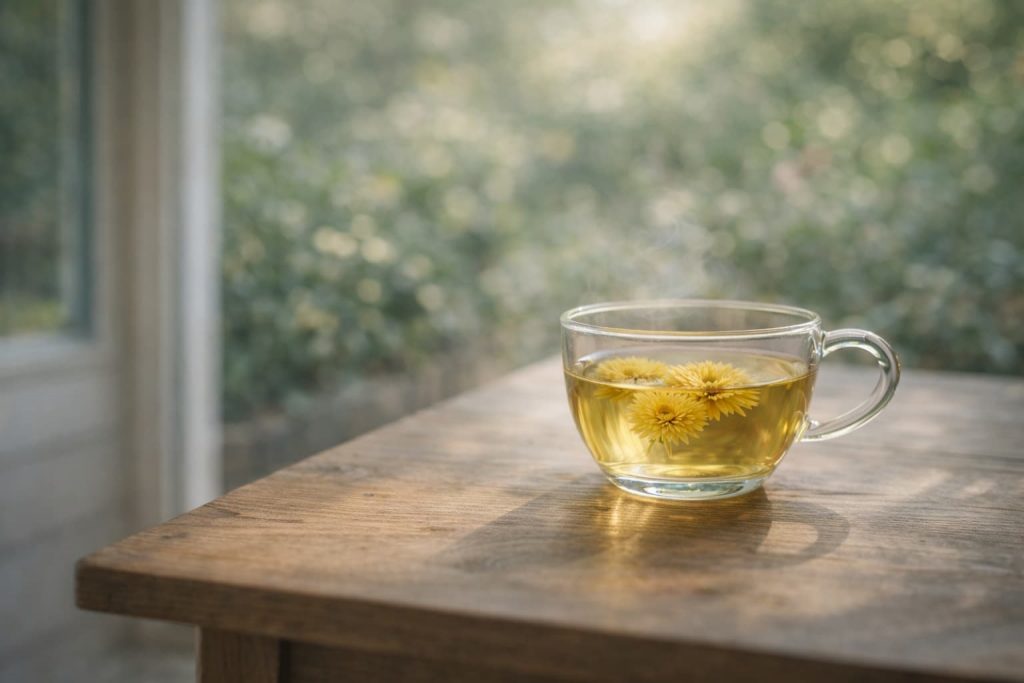
What Is Chrysanthemum Tea?
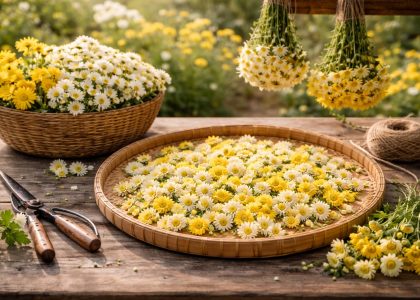
Chrysanthemum tea is a simple floral infusion made from dried chrysanthemum flowers, most commonly Chrysanthemum morifolium.
For centuries, it has been enjoyed throughout East Asia as an everyday beverage—served warm during cooler months and iced when the weather turns warm.
In the U.S., it’s helpful to think of chrysanthemum tea this way:
A flower tea, not a supplement
Top 5 Chrysanthemum Tea Benefits
Gentle, practical, and everyday-friendly
1. A Caffeine-Free Ritual That Supports Relaxation
One of the biggest reasons people reach for chrysanthemum flower tea is how naturally it fits into quieter moments of the day.
- Naturally caffeine-free
- Soft, floral aroma
- Often enjoyed in the evening or during downtime
Chrysanthemum tea isn’t a sedative—and it doesn’t need to be.
For many people, the simple act of brewing a pot and sipping slowly helps create a sense of calm, especially when it replaces coffee or strongly caffeinated drinks later in the day.
2. A Flavorful Way to Stay Hydrated—Without Sugar or Caffeine
Let’s be honest: plain water isn’t always exciting.
Chrysanthemum tea offers a gentle alternative:
- Light, slightly sweet floral flavor
- No added sugars
- No artificial flavors
Because of this, many people enjoy it as a hydration-friendly drink, especially:
- Iced in summer
- Warm in fall and winter
It often replaces flavored waters or sweetened herbal teas for those who want something lighter and cleaner.
3. Traditionally Enjoyed as a “Cooling” Flower Tea
In traditional use, chrysanthemum tea is often described as a cooling beverage, particularly popular in warm climates.
In everyday terms, that usually translates to:
- A refreshing mouthfeel
- A clean, crisp finish
- No spicy or heavy aftertaste
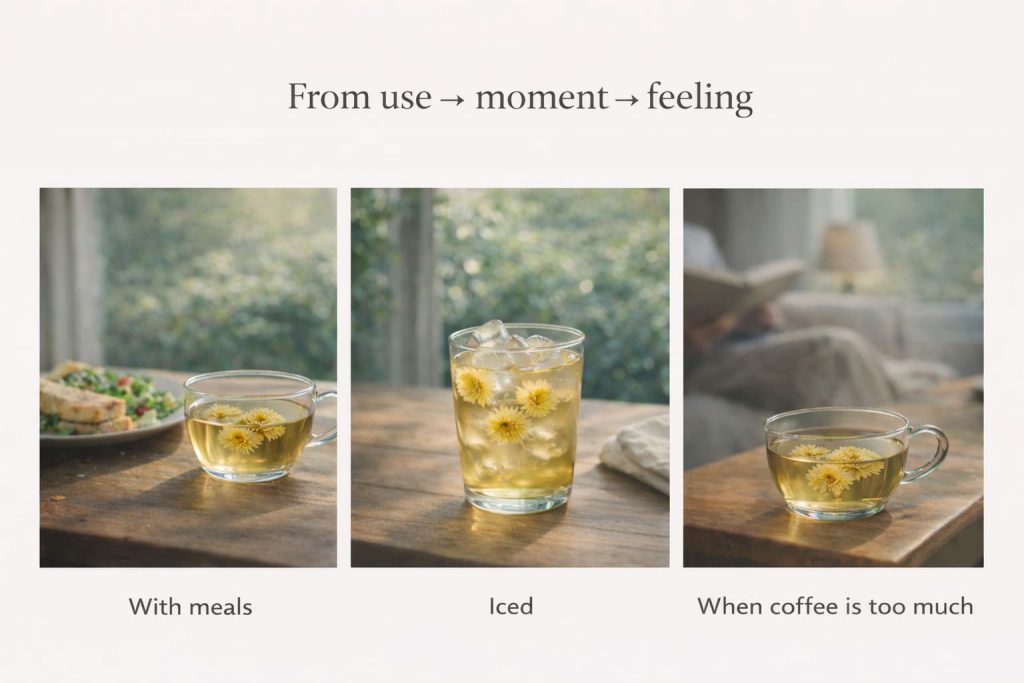
That’s why many people enjoy it:
- With light meals
- As an afternoon iced tea
- On days when coffee feels like too much
4. Naturally Aromatic—No Blends Required
Unlike many herbal teas, chrysanthemum tea doesn’t need extra ingredients to taste good.
- No citrus
- No spices
- No sweeteners
The flower itself provides the aroma and flavor.
This makes it especially appealing to people who prefer:
- Minimal ingredient lists
- Single-plant teas
- Clean, uncomplicated flavors
For gardeners and plant lovers, this simplicity is part of the charm.
5. A Beginner-Friendly Introduction to Flower Teas
If you’re curious about flower teas but not sure where to start, chrysanthemum tea is often a comfortable entry point.
Compared to stronger floral infusions like lavender or hibiscus, it’s typically:
- Less intense
- Less acidic
- More familiar in flavor
For many people, it becomes a gateway tea—opening the door to other botanical infusions without overwhelming the palate.
What Chrysanthemum Tea Is Not
For clarity and trust:
- Not a medicine
- Not a treatment
- Not a detox
Chrysanthemum tea works best when enjoyed as part of a daily routine, not as a promise.
What Does Chrysanthemum Tea Taste Like?
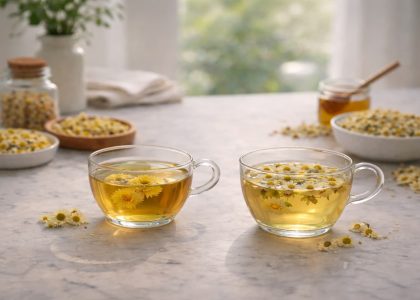
If you’re trying it for the first time, expect:
- A light floral aroma (often compared to chamomile, but brighter)
- Subtle natural sweetness
- A clean, refreshing finish
Many people describe it as “quietly pleasant”—noticeable, but never overpowering.
How We Are Enjoying Chrysanthemum Tea at Home
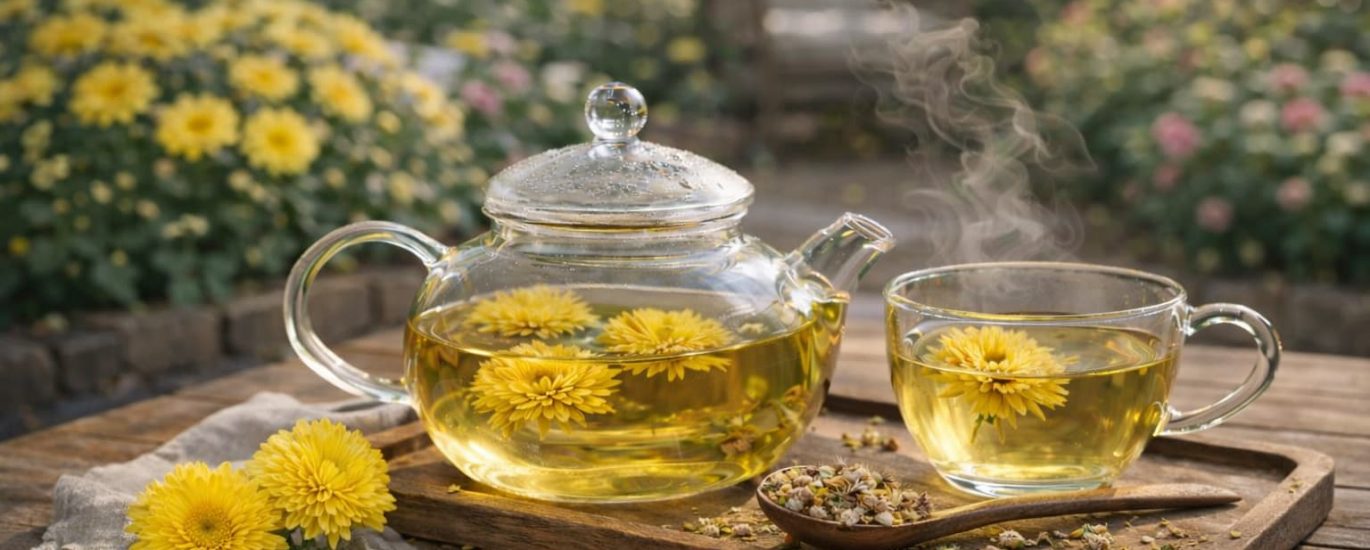
Preparation is refreshingly simple:
- Dried chrysanthemum flowers
- Hot water (not boiling)
- Steep for 3–5 minutes
It’s commonly enjoyed:
- Iced on warm days
- With a small drizzle of honey (optional)
- Blended lightly with green tea for added depth (for more experienced tea drinkers)
Is Chrysanthemum Tea Safe?
For most people, chrysanthemum tea is widely enjoyed as a beverage.
As with any plant-based tea:
- Start with small amounts
- Avoid if you have known plant allergies
- Check with a professional if you’re unsure
This guide focuses on everyday enjoyment and traditional use, not medical advice.
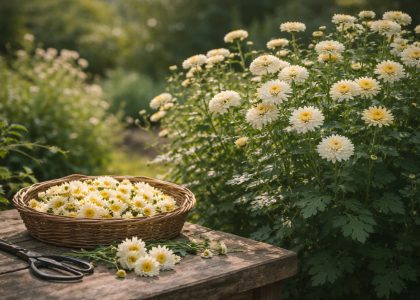
Why Gardeners Are Especially Drawn to Chrysanthemum Tea
For many U.S. gardeners, chrysanthemum tea creates a satisfying connection between:
- Growing plants
- Seasonal living
- Everyday rituals
It turns a familiar ornamental flower into something you can use, not just admire.
Final Thoughts
Chrysanthemum tea benefits aren’t about bold claims.
They’re about small, gentle habits:
- Relaxation through ritual
- Hydration with flavor
- A deeper appreciation for plants beyond decoration
That’s why chrysanthemum tea continues to find new fans in the U.S.—
quietly, consistently, and safely.