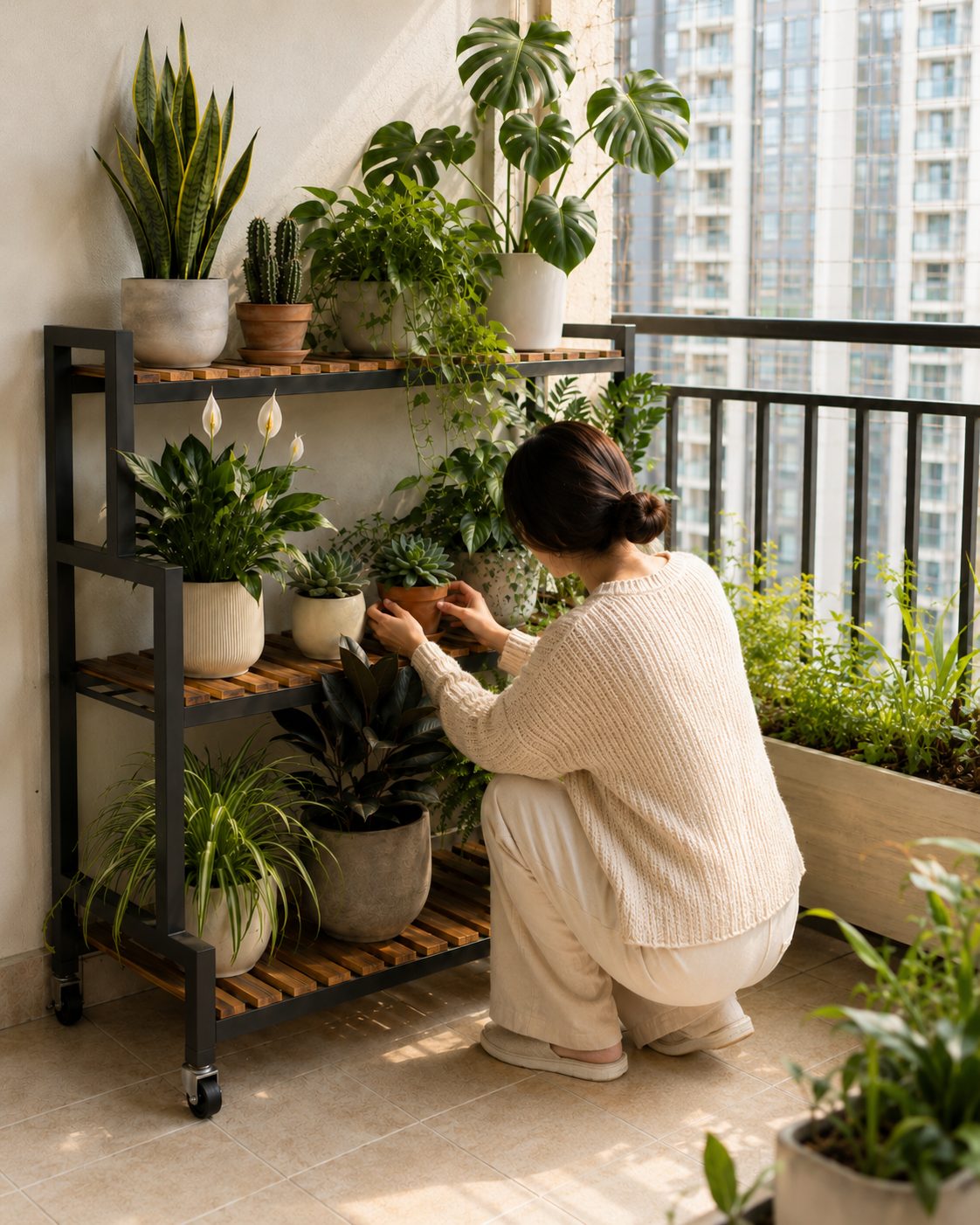
5 Easy Balcony Plants for Beginners (And What They Really Do About Pests)
Looking for balcony plants that are useful, forgiving, and easy to enjoy every day? Mint, marigold, lemongrass, lavender, and basil can all work well in containers when their basic needs are matched to your space. They also smell good, attract pollinators, or fit naturally into an integrated pest-management plan—but none of them creates a magic “bug-free balcony.”
Quick Answer
The best easy balcony plants for beginners are plants that fit your light, container size, and watering habits. Mint is vigorous and forgiving but should stay contained. Marigolds add long-season color and can support pest-management strategies in some crop systems. Lemongrass loves heat and makes a bold container plant. Lavender is excellent for sunny, sharply drained balconies. Basil is productive in warm weather if you keep up with watering and harvesting.
If pest control is your main goal, treat these plants as supporting tools—not replacements for monitoring, sanitation, physical removal, or labeled pest-control products.
What Balcony Plants Can—and Cannot—Do About Pests
Fragrant plants are often marketed as living mosquito repellents or “natural pesticides.” That is usually too simple. The effect of a living plant in a pot is not the same as the effect of a concentrated essential oil, registered repellent, or carefully tested companion-planting system.
For example, EPA recognizes oil of citronella as an insect-repellent ingredient, but commercial citronella oil is traditionally derived from Cymbopogon nardus or C. winterianus. Culinary lemongrass, Cymbopogon citratus, is a different species. Likewise, a pot of mint or lavender may smell strong to us, but that does not mean it reliably protects people from mosquito bites or keeps aphids away from neighboring plants.
University of Minnesota Extension takes a more useful view of companion planting: some combinations have shown measurable benefits in specific trials, while many internet “repellent plant” claims have little research behind them. Basil and marigolds, for instance, have reduced thrips or other pest pressure in some tomato and vegetable studies—but that is different from saying one pot will repel every pest on a balcony.
Greenmuse rule
Choose these plants because they fit your balcony and you enjoy using them. Treat any pest-management benefit as a bonus that depends on the plant, pest, crop, and growing conditions.
5 Easy Balcony Plants at a Glance
| Plant | Best light | Watering style | Why it earns a balcony spot |
|---|---|---|---|
| Mint | Sun to partial shade | Evenly moist | Fast-growing, harvestable, tolerant, easy to contain in a pot |
| Marigold | Full sun | Water when the mix begins to dry | Long-season color and useful companion-planting potential in some systems |
| Lemongrass | Full sun, warm position | Regular moisture during active growth | Architectural shape, edible stems, strong summer presence |
| Lavender | Full sun | Allow more dry-down | Fragrance, pollinator value, drought tolerance once established |
| Basil | Warm sun, sheltered | Consistent moisture | Quick harvests, compact size, ideal for summer cooking |
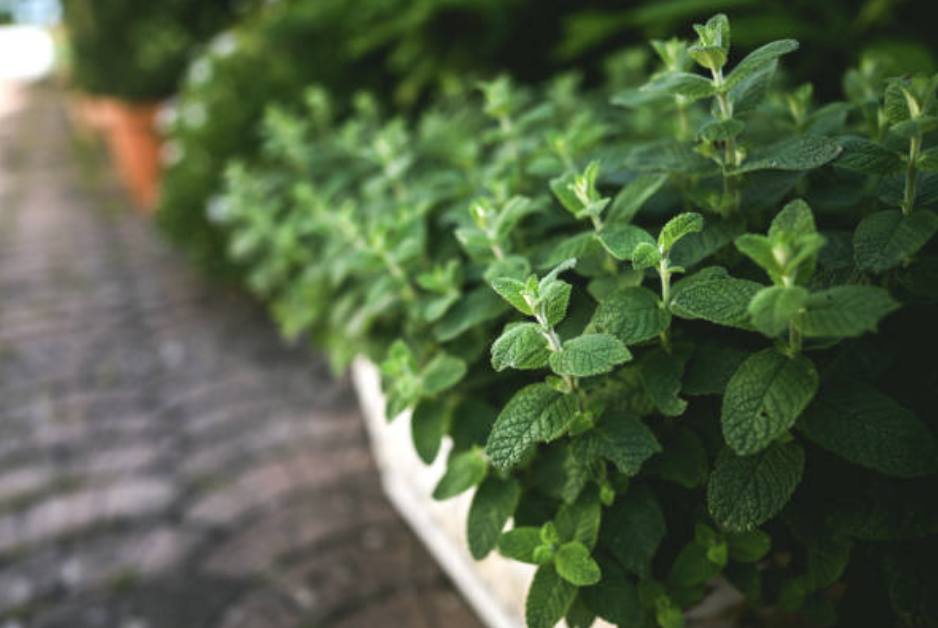
Mint: The Easiest Herb—If You Keep It Contained
Mint is one of the most forgiving herbs for a beginner balcony. RHS describes many mints as vigorous spreaders and recommends growing them in pots so underground rhizomes do not run into surrounding soil. That same trait makes mint productive in a container: give it light, regular water, and room to regrow after harvest, and it can stay useful for months.
Best setup: use a dedicated pot rather than mixing mint into a permanent herb planter. Keep the compost evenly moist during active growth and harvest shoot tips regularly to encourage fresh leaves.
Pest reality: mint aroma is often promoted as a mosquito, ant, or aphid repellent, but a living mint plant should not be treated as dependable pest protection. Grow it for flavor, fragrance, and easy harvests—not as a substitute for proven control.
Want the full mint routine?
Our complete guide to growing mint covers watering, pruning, propagation, varieties, indoor growing, and how to keep vigorous runners under control.
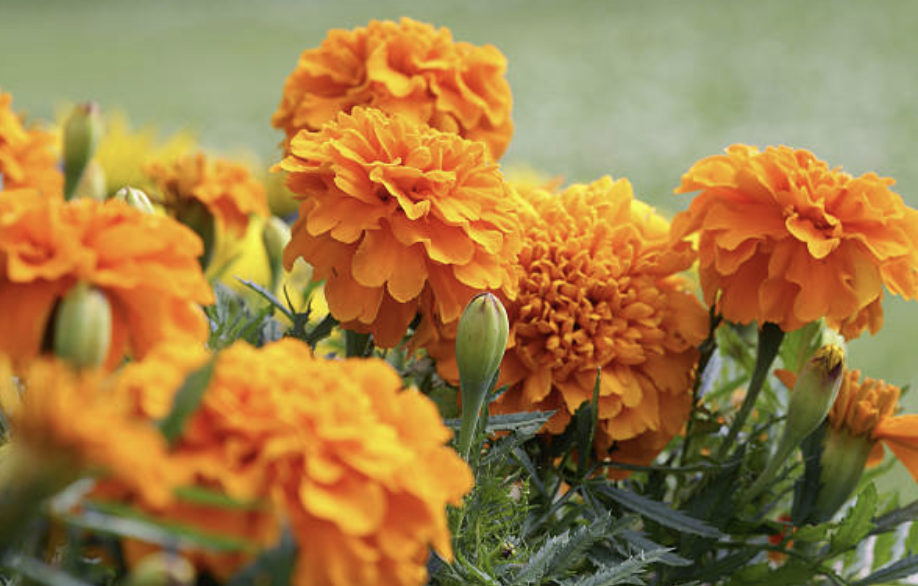
Marigold: Easy Color with Some Evidence-Based Companion Value
Marigolds are useful balcony plants because they flower generously in sun, fit easily into containers, and add visual contrast around herbs and vegetables. They are also one of the few classic “companion plants” with some research behind specific pest-management uses.
That does not mean marigolds repel whiteflies, aphids, beetles, and nematodes everywhere. University of Minnesota Extension notes that marigolds have helped reduce certain pest populations or damage in some vegetable trials, while other popular claims have failed in studies.
Best setup: give marigolds a sunny pot with drainage and remove spent flowers if you want to keep the display tidy. In a mixed balcony garden, use them for color and pollinator support first; consider pest effects a context-dependent bonus.
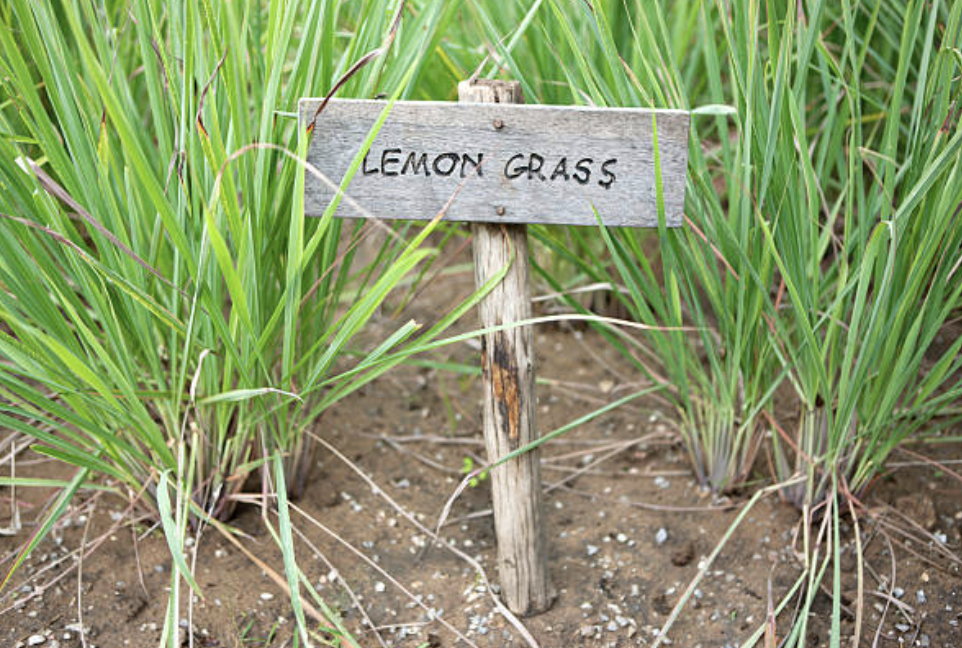
Lemongrass: A Warm-Weather Container Plant, Not a Citronella Force Field
Culinary lemongrass (Cymbopogon citratus) loves warmth and full sun. RHS recommends growing it in a container in cooler climates so the plant can be moved indoors before frost. It forms a dramatic fountain of narrow leaves and can become a substantial plant when heat, water, and pot volume are generous.
Best setup: use a stable pot with room for the clump to expand. During warm active growth, check container moisture regularly rather than letting the root ball stay dry for long periods.
Mosquito reality: lemongrass is often confused with the grasses used to make commercial citronella oil. EPA's citronella information refers mainly to oils from Cymbopogon nardus and C. winterianus. A living pot of C. citratus should not be relied on as mosquito-bite protection.
Lavender: Best for Sunny, Fast-Draining Balconies
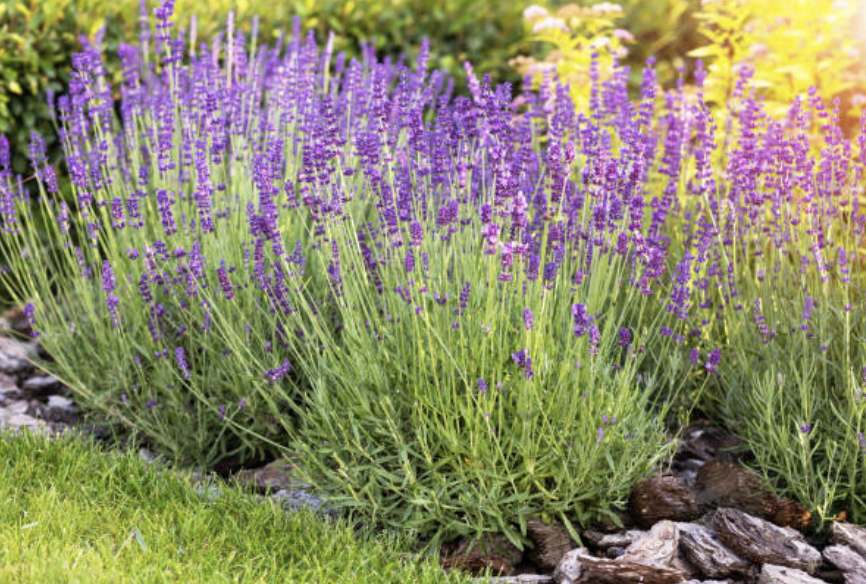
Lavender is a strong choice when the balcony gets plenty of sun and the pot can drain quickly. RHS describes lavender as an easy-to-grow shrub that thrives in full sun and free-draining soil and is drought tolerant once established. Its flowers are also highly attractive to bees and other pollinating insects.
Best setup: use a pot with excellent drainage and avoid keeping the root zone continuously wet. This is not the plant to pair in the same small container with mint, which prefers a more consistently moist root zone.
Pest reality: lavender's scent is pleasant and its aromatic foliage may be less appealing to some herbivores, but the plant is not a reliable balcony-wide repellent for moths, fleas, flies, or mosquitoes.
Basil: Fast Summer Rewards for a Warm Balcony
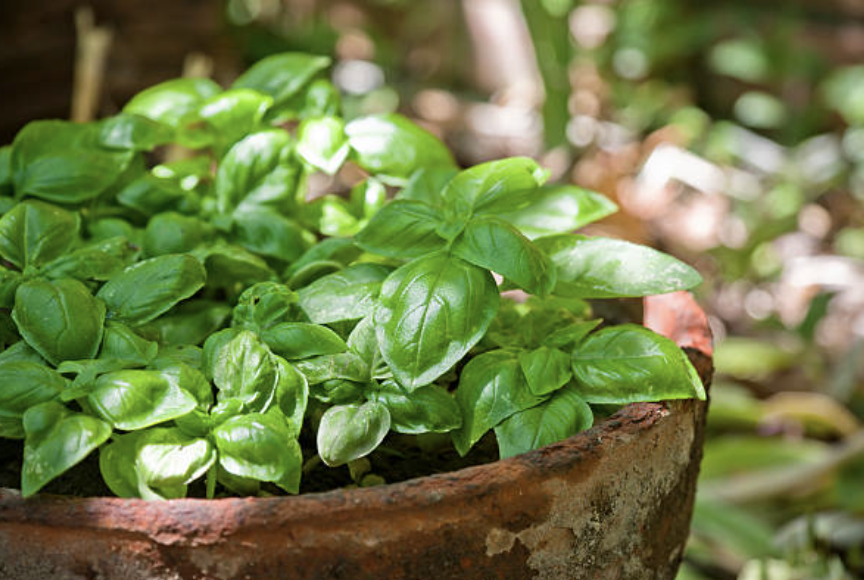
Basil is ideal for a sheltered summer balcony because it is compact, fast-growing, and useful in the kitchen. RHS recommends warm, sunny conditions and enough moisture to keep plants productive during dry weather. Regular harvesting of shoot tips helps keep the plant bushy and delays flowering.
Best setup: use a pot that does not dry out too quickly in hot weather. Basil is tender, so gardeners in colder climates should wait until frost risk has passed before leaving plants outside permanently.
Pest reality: University of Minnesota Extension notes that basil has reduced thrip populations in tomatoes in some field and greenhouse studies. That is encouraging, but it does not justify saying a basil pot will “keep flies away” from a whole balcony.
The Greenmuse 3-Step Balcony Setup
Step 1: Group by Watering Needs
Do not put every fragrant plant into one oversized “pest-repellent” basket. Lavender prefers a faster-drying root zone, while mint and basil generally need more consistent moisture. Separate pots make care easier.
Step 2: Match the Pot to Mature Size
Lemongrass can become much larger than basil or marigold. Mint can fill its root zone quickly. Choose containers based on the plant you expect in August—not the nursery pot you bought in May. If you are deciding between open soil and pots, our container vs in-ground guide explains when root-zone control is worth the extra watering.
Step 3: Check Plants Before You Treat Pests
If aphids, mites, whiteflies, or another pest shows up, identify the problem first. Start with simple physical and cultural controls when appropriate. If you need a spray, use a product and rate suited to the plant and pest. Our neem oil spray guide explains a label-first approach and the phytotoxicity risks of oil-based sprays.
A calmer balcony is easier to maintain
The goal is not to build a “self-defending” garden. A better goal is a balcony where each plant has the right pot, light, and watering rhythm. Healthy plants are easier to inspect, easier to prune, and easier to troubleshoot before a small pest problem becomes a large one.
Turn the Group into a Practical Green Gift
The original version of this Greenmuse article was built around Father's Day, and the gift idea still works. Instead of promising a “bug-free balcony kit,” build a simple starter set around what the recipient will actually use.
| Recipient | Good choice | Why |
|---|---|---|
| Tea drinker | Mint in its own pot | Easy harvests and simple care |
| Home cook | Basil + separate mint pot | Useful all summer in the kitchen |
| Sunny, dry balcony | Lavender + marigold | Color, fragrance, and lower-water potential once established |
| Warm-climate gardener | Lemongrass | Bold foliage and edible stems |
| Complete beginner | Marigold + mint in separate pots | Clear visual rewards and forgiving growth |
Keep the old printable if it is still useful
If your existing Father's Day Balcony Garden Kit PDF is still current, you can continue offering it here: Father's Day Balcony Garden Kit PDF. Before promoting it heavily, check that its pest-control claims match this refreshed article.
Frequently Asked Questions
01Which balcony plant is easiest for a complete beginner?
Mint is one of the easiest if you can keep the pot evenly moist and give it its own container. Marigolds are also straightforward in a sunny position and provide fast visual rewards through flowering.
02Do pest-repellent plants actually keep mosquitoes away?
A living aromatic plant should not be treated as dependable mosquito-bite protection. Repellent effects demonstrated for concentrated oils or formulated products do not automatically apply to an intact plant sitting on a balcony. Use proven personal-protection methods when mosquito exposure matters.
03Is lemongrass the same as citronella grass?
No. Culinary lemongrass is usually Cymbopogon citratus. Commercial citronella oil is traditionally derived from Cymbopogon nardus or C. winterianus. They are related grasses, but they should not be treated as interchangeable.
04Can mint, lavender, and basil grow in the same container?
They are easier in separate root zones. Mint and basil generally appreciate more regular moisture during active growth, while lavender needs excellent drainage and dislikes staying wet. Mint is also vigorous enough to crowd neighboring plants.
05Do marigolds repel every garden pest?
No. Research supports useful effects against some pests in particular crop systems, but other popular marigold claims are weak or inconsistent. Grow marigolds for their color and pollinator value first, then treat any pest-management benefit as context specific.
06Is basil low maintenance on a balcony?
Basil is easy when the balcony is warm and sheltered, but it is not a plant you can ignore during hot weather. Container-grown basil needs enough moisture to stay productive, and regular harvesting helps keep it bushy.
07What should I do if pests still appear?
Identify the pest, inspect the undersides of leaves and new growth, remove heavily affected material when appropriate, and improve airflow or watering if plant stress is contributing. Use any pesticide or oil product according to its label rather than assuming a neighboring aromatic plant will solve the problem.
- Royal Horticultural Society — How to Grow Mint
- Royal Horticultural Society — How to Grow Basil
- Royal Horticultural Society — How to Grow Lemongrass
- Royal Horticultural Society — How to Grow Lavender
- University of Minnesota Extension — Companion Planting in Home Gardens
- US EPA — Skin-Applied Repellent Ingredients
- US EPA — Oil of Citronella Fact Sheet
Final Takeaway
Mint, marigold, lemongrass, lavender, and basil can all earn a place on a small balcony—but for different reasons. Choose them for fragrance, harvests, color, pollinators, and the way they fit your growing conditions. If they also contribute to a broader pest-management strategy, that is useful. Just do not ask a fragrant pot to do the job of accurate pest identification or proven mosquito protection.
What does your balcony get—full sun, morning sun, or mostly shade? Share your light and climate in the comments, along with the plant you want to grow. Greenmuse can help you build a simpler container setup around the conditions you actually have.