How to Grow Mint: Complete Care and Containment Guide
Quick Summary
Mint (Mentha spp.) is simultaneously the easiest and most dangerous herb you can grow. Easiest because it's nearly impossible to kill — it thrives in poor soil, partial shade, and neglect. Dangerous because it's a relentless invader: a single plant can send runners 10+ feet in every direction, emerging through pavement cracks, strangling neighboring plants, and surviving every attempt at removal short of a backhoe. This guide covers the container-only rule, the essential oil chemistry that determines whether your mint tastes like candy canes or cough medicine, how to harvest for peak menthol and carvone levels, steam distillation at home, and the food safety warning most guides skip: fresh mint + oil = botulism risk.
What Is Mint? (Mentha Genetics and the Hybrid Mess)
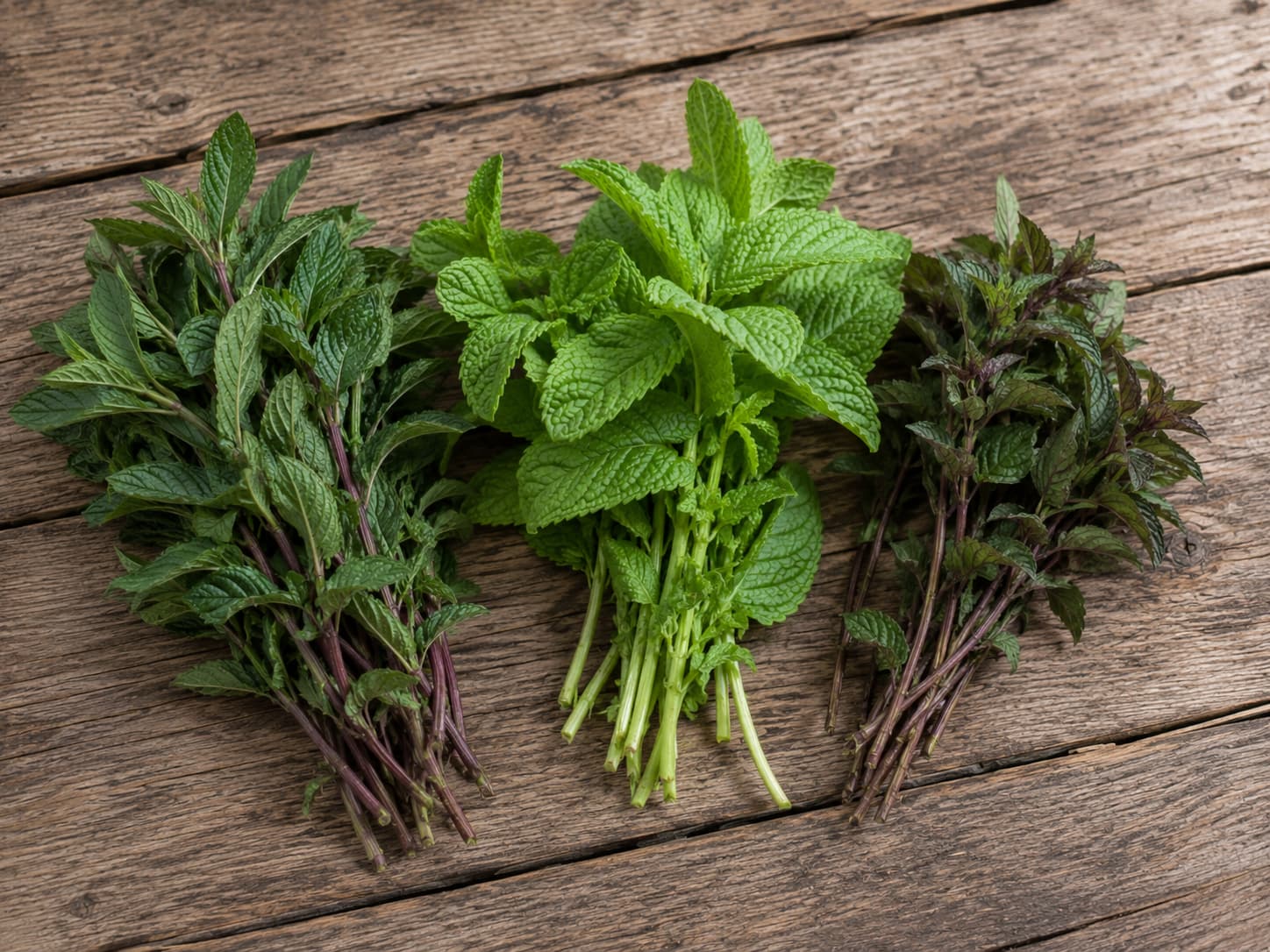
Mint (Mentha spp.) is a genus of about 25 species in the mint family (Lamiaceae), native across Europe, Asia, Africa, and North America. But that number — 25 species — is deceptively simple. Mint is promiscuous: species hybridize freely where their ranges overlap, producing fertile offspring with intermediate characteristics. Peppermint (Mentha × piperita) is itself a naturally occurring sterile hybrid between watermint (M. aquatica) and spearmint (M. spicata). It doesn't produce viable seed — all peppermint plants worldwide are clones propagated from runners or cuttings.
This genetic fluidity is why mint varieties are so diverse and why the "chocolate mint" or "pineapple mint" you buy may not match the description in a reference book. Mint freely cross-pollinates, and seeds from a single plant can produce offspring with wildly different oil profiles.
The key compounds that define mint's flavor and aroma:
| Compound | Aroma | Dominant In | Notes |
|---|---|---|---|
| Menthol | Cooling, sharp, medicinal | Peppermint (up to 50% of oil) | Activates TRPM8 cold receptors — the "cooling" sensation is not actually a temperature change |
| Carvone | Sweet, herbal, spearmint gum | Spearmint (up to 70% of oil) | The molecule that makes spearmint gum taste like spearmint gum. Peppermint contains almost none |
| Limonene | Citrus, fresh, orange peel | Lemon mint, bergamot mint | Same compound found in citrus peels. Provides the "lemon" note in lemon-scented mints |
| Pulegone | Pungent, medicinal, sharp | Pennyroyal (M. pulegium) | Hepatotoxic in high doses. Pennyroyal oil should never be ingested. Banned as a food additive in the U.S. |
Plant Profile at a Glance
| Feature | Details |
|---|---|
| Common Name | Mint |
| Scientific Name | Mentha spp. (most commonly M. × piperita, M. spicata, M. suaveolens) |
| Plant Type | Herbaceous perennial; spreads by underground runners (stolons) |
| USDA Zones | 3–11 (dies back in winter in cold zones; regrows from roots) |
| Mature Size | 1–3 ft tall; spreads indefinitely if not contained |
| Sun Needs | Full sun to partial shade (4–6 hours); more sun = more oil |
| Soil | Moist, well-drained, rich; pH 6.0–7.0 |
| Invasiveness | Extremely aggressive spreader. Container growing strongly recommended. |
| Toxicity | Non-toxic. Culinary herb. Pennyroyal (M. pulegium) oil is toxic — do not ingest. |
The Container Rule: Never Plant Mint in the Ground
This is the most important rule in mint growing, and the one most regretted by people who ignored it. Never plant mint directly in the ground unless you want it to become your permanent ground cover.
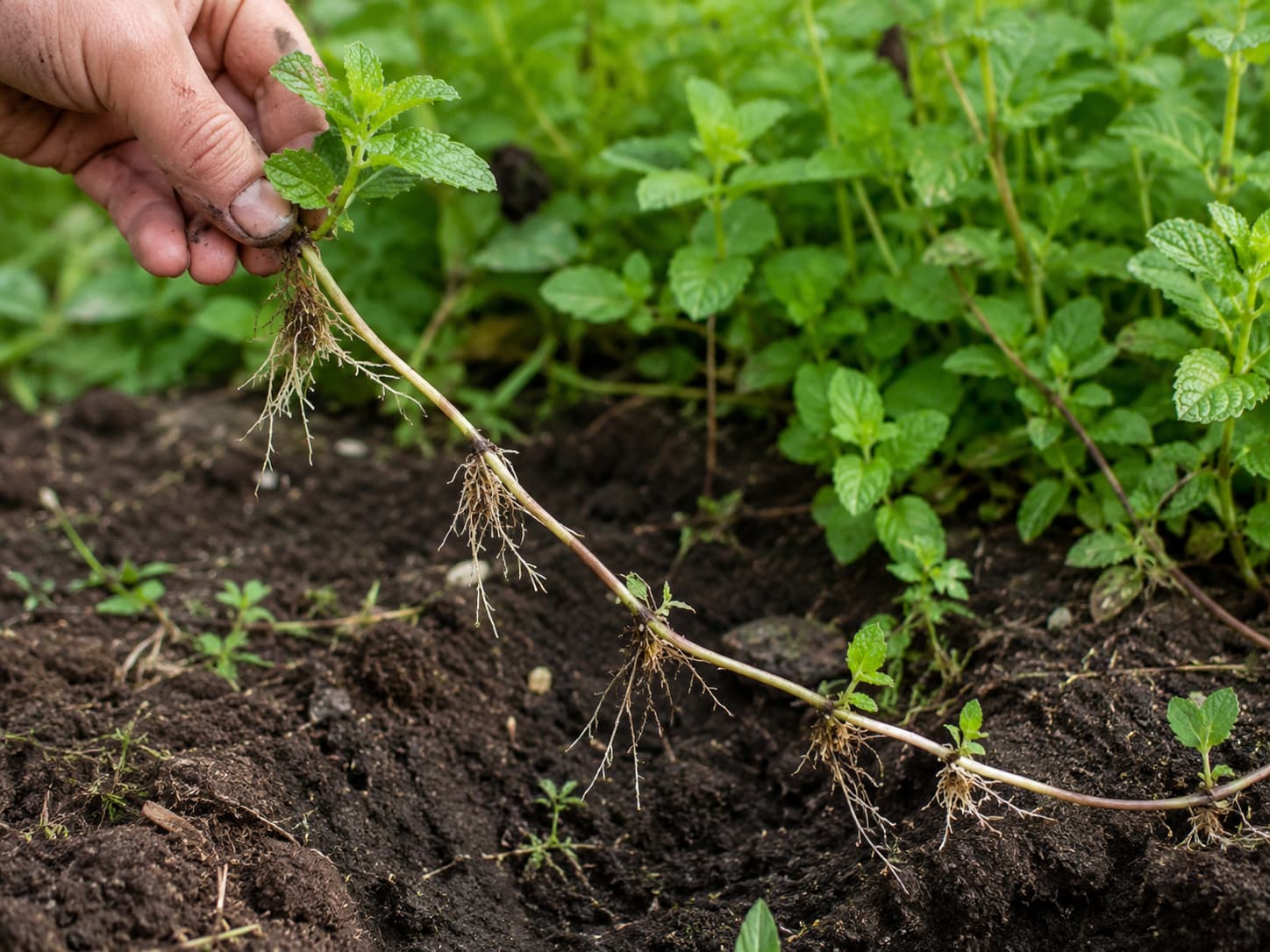
Mint spreads via underground stolons — horizontal stems that run just below or at the soil surface, rooting at every node and sending up new shoots. A single plant can send runners 10–15 feet in a single growing season. These runners travel under sidewalks, through mulch, between paving stones, and into neighboring garden beds. Once established, mint is extraordinarily difficult to eradicate — every fragment of runner left in the soil will regenerate. Even glyphosate often fails to kill it completely.
The Only Safe Way to Grow Mint
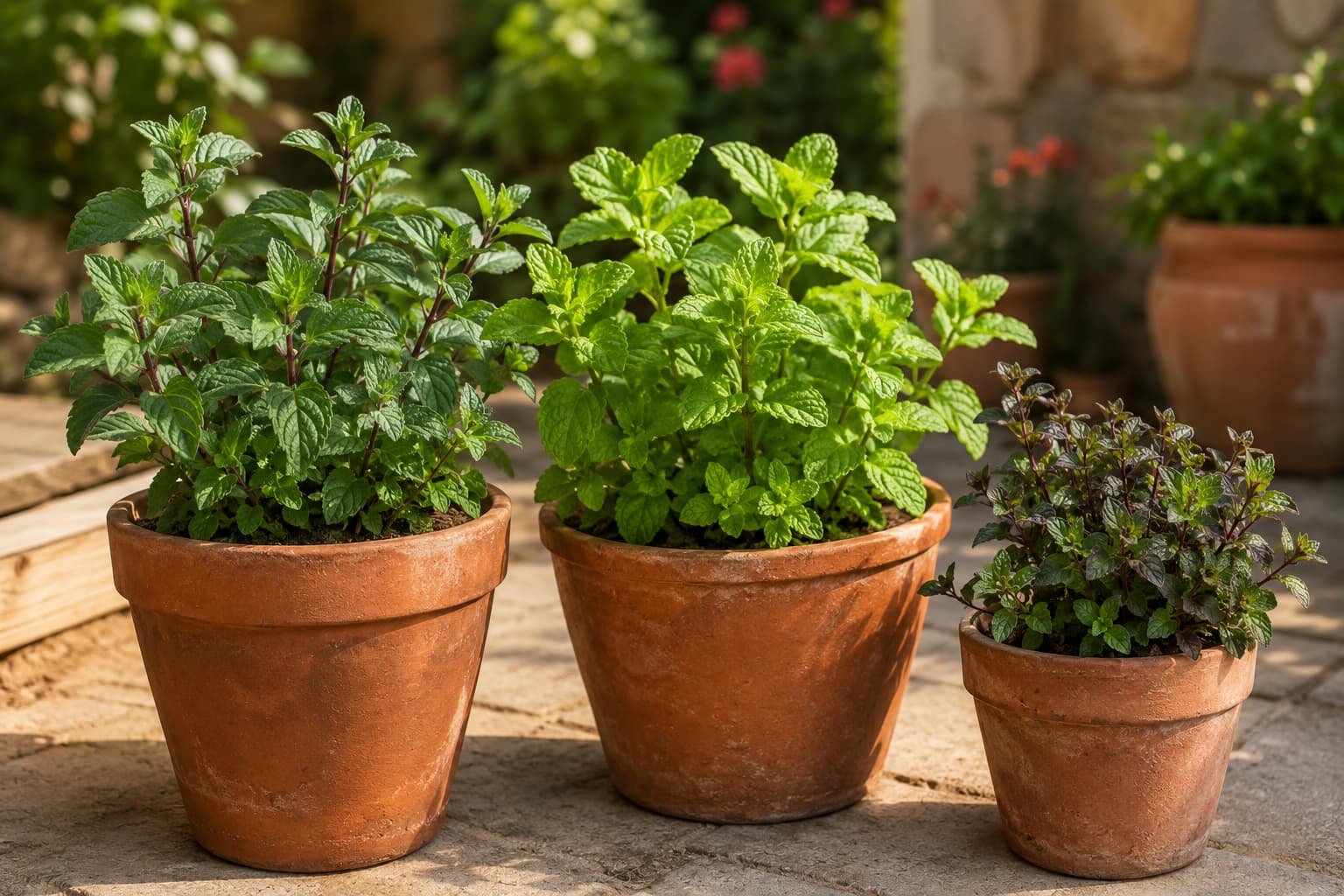
Grow mint exclusively in containers. A 12–14 inch pot with drainage holes is ideal. Even if you want mint in a garden bed, sink the entire pot into the ground — this contains the roots while giving the appearance of in-ground planting. Check the pot annually: runners can escape through drainage holes and over the rim. If you want a mint "patch," use a raised bed with solid sides buried at least 12 inches deep, or a bottomless container with the rim extending 2 inches above the soil surface to prevent runners from crossing over.
"But I Planted It in a Bottomless Bucket and It Still Escaped"
This is one of the most common gardening forum posts. Mint runners will find drainage holes. They'll climb over the rim of a container that's sunk flush with the soil. They'll send runners under the edge of a raised bed. The only truly safe approach is an above-ground container with the bottom completely intact and drainage holes monitored. Check your mint container monthly during the growing season and trim any escaping runners immediately.
Mint Oil Chemistry: Menthol, Carvone, and Peak Flavor
If you've ever bitten into a mint leaf and thought it tasted harsh, medicinal, or vaguely like Vicks VapoRub instead of sweet and refreshing, you're experiencing the difference between menthol-heavy peppermint and carvone-heavy spearmint — or you're tasting mint that was harvested at the wrong time.
How Growing Conditions Affect Oil Composition
- Sunlight: Full sun increases total essential oil concentration but shifts the ratio toward menthol (cooler, sharper flavor). Partial shade produces slightly less total oil but a higher proportion of carvone (sweeter, more herbal flavor). For the sweetest spearmint, give it morning sun and afternoon shade.
- Water stress: Moderate drought stress increases essential oil concentration. Mint grown slightly on the dry side produces more intense flavor. Overwatered mint grows lush, tender, and relatively bland.
- Soil fertility: Rich, heavily fertilized soil produces abundant growth but lower oil concentration. Leaner soil produces slower growth with more concentrated oils. This is the same tradeoff seen in rosemary, lavender, and most Mediterranean herbs.
- Temperature: Cool nights (50–60°F) during the growing season increase menthol production. Hot nights reduce it. This is why peppermint grown in northern climates often has a better flavor profile than the same variety grown in the South.
When to Harvest for Peak Oil
- Time of day: Harvest in the morning after the dew dries. Essential oil concentration peaks in the morning and declines through the afternoon.
- Growth stage: Harvest just before flowering. Oil concentration peaks as flower buds form and declines sharply once flowers open. After flowering, leaves become tougher and more bitter.
- Leaf age: Young, fully expanded leaves (2–3 inches long) have the best flavor. Old, large leaves are tougher and more bitter. The top 4–6 inches of each stem produces the best-quality harvest.
Complete Care Guide: Sun, Soil, Water, Pruning
Light
4–6 hours of direct sun. Mint tolerates partial shade better than almost any other herb — it will grow in as little as 3 hours of direct sun, though growth is slower and flavor less intense. In hot climates (Zones 9+), afternoon shade prevents leaf scorch. Full sun produces the highest oil concentration but can make leaves slightly tougher.
Soil
Mint is less demanding about soil than rosemary or lavender. A moist, well-drained, loamy mix with 20–30% compost works well. Unlike Mediterranean herbs, mint tolerates and even prefers slightly richer soil. However, it still requires good drainage — standing water causes root rot. pH 6.0–7.0 is ideal.
Watering
Mint likes consistent moisture — more than rosemary, lavender, or sage. Water when the top inch of soil feels dry. In containers in summer, this may be every 1–2 days. In the ground (if you've ignored the container rule), established mint is surprisingly drought-tolerant but produces fewer leaves and less oil when stressed. Mint in containers needs more frequent watering than in-ground mint.
Pruning and Harvesting
- Pinch tips regularly — every 1–2 weeks during the growing season. This is the single most important maintenance practice: it prevents flowering (which makes leaves bitter), encourages bushiness, and gives you a continuous harvest.
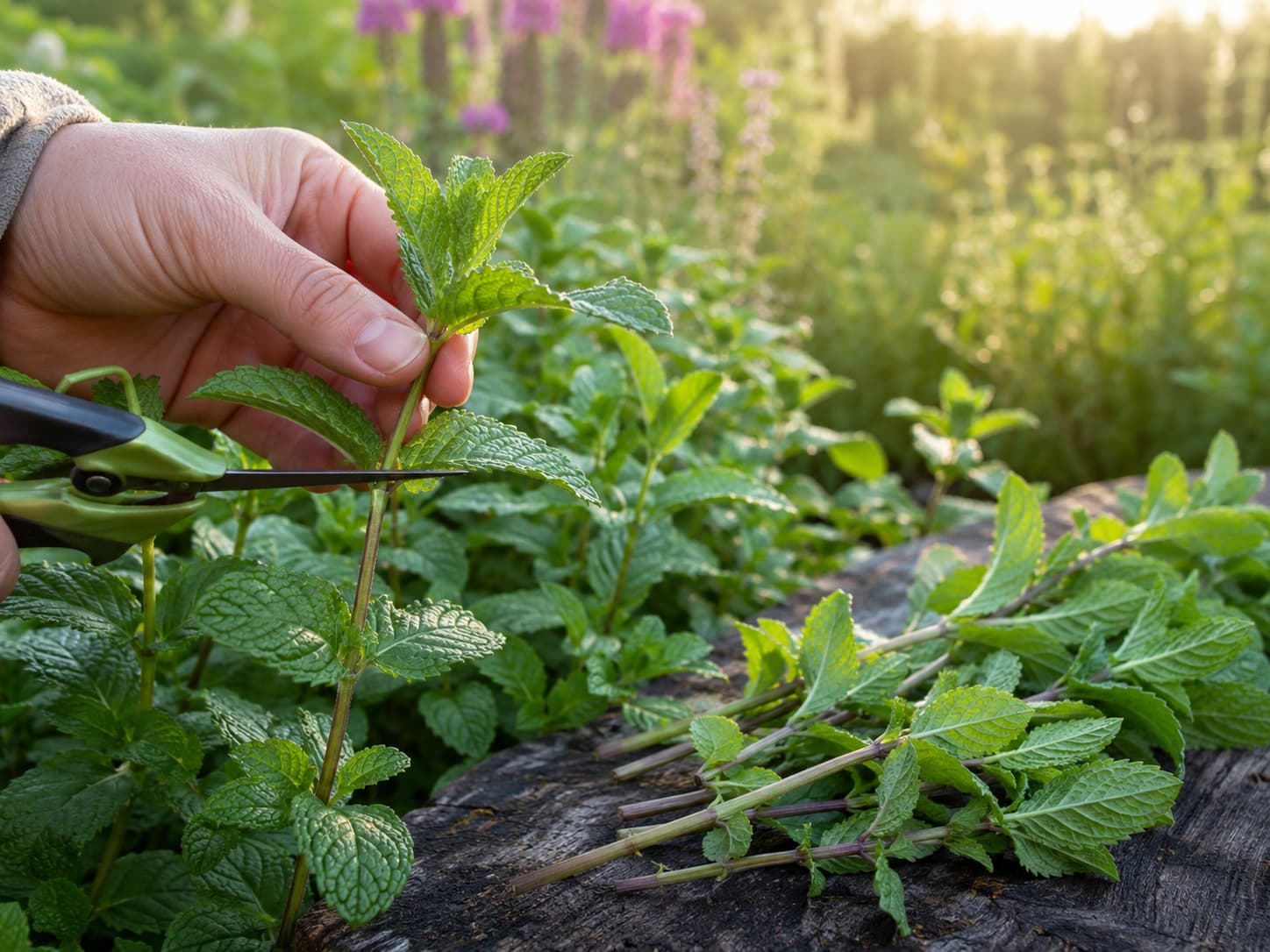
- Cut stems, don't pull leaves. Harvest by cutting entire stems 2–3 inches above the soil, just above a pair of leaves. The plant will branch from that point.
- Cut back hard mid-season. If your mint becomes leggy or starts flowering heavily, cut the entire plant back to 2–3 inches. It will regrow with fresh, tender, flavorful leaves within 2–3 weeks.
- Divide every 2–3 years. Container-grown mint becomes root-bound quickly. In spring, remove the plant from its pot, cut the root ball into quarters with a sharp knife, repot one quarter in fresh soil, and give away or discard the rest.
Essential Oil Extraction: Steam Distillation at Home
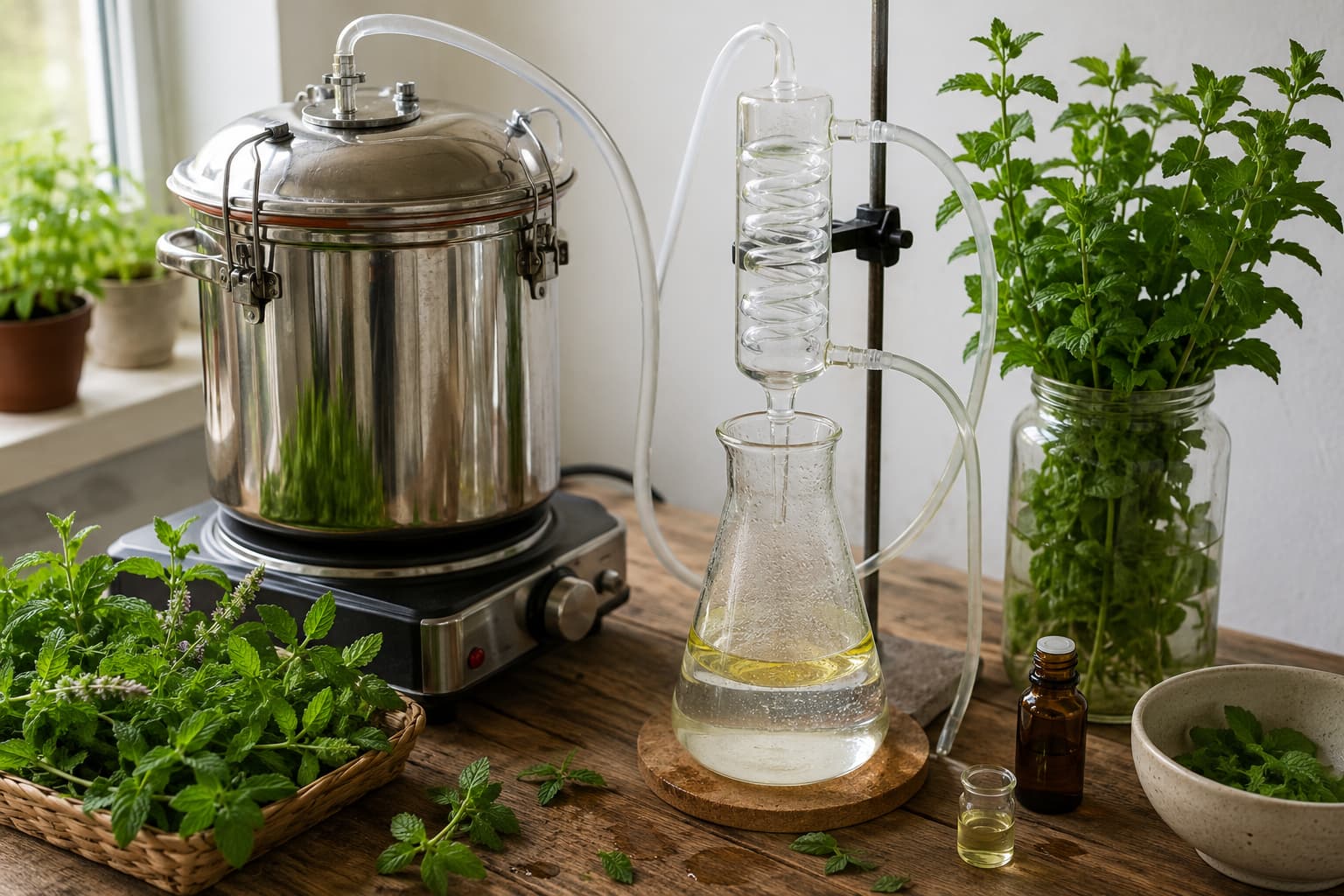
Steam distillation is the method that produces true essential oil — the concentrated, aromatic liquid used in aromatherapy, cosmetics, and flavoring. It requires specific equipment but produces a product that can be stored for years.
Equipment Needed
- Steam distillation apparatus (tabletop units available for $100–300) — or a DIY setup using a pressure cooker, copper tubing, and a condenser
- Freshly harvested mint (harvest just before flowering for peak oil)
- Clean glass bottles for collection
- Separatory funnel (for separating oil from hydrosol)
Parameters
| Parameter | Value |
|---|---|
| Leaf maturity | Harvest just before flowering — oil content peaks at bud stage |
| Steam temperature | 100–102°C (212–215°F) — just above boiling |
| Distillation time | 60–90 minutes per batch |
| Expected oil yield | 0.3–0.5% of fresh leaf weight (peppermint); 0.2–0.3% (spearmint) |
| Plant material needed for 5ml oil | Approximately 2.2–3.3 lbs (1–1.5 kg) of fresh peppermint |
The Hydrosol Bonus
Steam distillation produces two products: essential oil (floats on top) and hydrosol (the fragrant water underneath). Mint hydrosol is wonderful as a room spray, linen mist, or skin toner. Don't discard it — it has a mild minty fragrance and all the water-soluble aromatic compounds that don't make it into the essential oil.
Cold Infusion: The Botulism Risk You Need to Know
Cold infusion — steeping mint in oil to produce a flavored culinary oil — is popular and simple. But using fresh mint in oil creates a botulism risk. This is the same issue covered in the lavender oil guide, and it applies equally here.
Fresh Herbs + Oil = Botulism Risk
Fresh mint contains water. Submerging fresh plant material in oil creates an anaerobic (oxygen-free) environment where Clostridium botulinum spores can germinate and produce toxin. This is the same bacteria that causes botulism — a potentially fatal paralytic illness. For cold-infused oils intended for consumption, use thoroughly dried mint only. If you want to infuse with fresh mint for non-culinary use (skincare, aromatherapy), the risk is lower but not zero — dried is always safer.
Safe Cold Infusion Method (for Culinary Use)
- Use completely dried mint leaves. Air-dry for 1–2 weeks in a dark, well-ventilated space until leaves crumble when crushed.
- Pack dried leaves loosely in a clean, sterilized glass jar — fill about ⅓ full.
- Pour oil (olive, grapeseed, or almond) over the leaves until completely submerged by at least 1 inch.
- Seal and place in a cool, dark location for 1–2 weeks. Shake gently every 2–3 days.
- Strain through cheesecloth into a dark glass bottle. Label with the date.
- Refrigerate. Homemade infused oils have a short shelf life — use within 1–2 weeks if refrigerated, or freeze for up to 6 months.
Commercial vs. Homemade Infused Oils
Commercial garlic and herb-infused oils are preserved with acidification and other processes that prevent botulism. Homemade infused oils do not have these protections. Never store homemade herb-infused oil at room temperature. Refrigerate and use quickly, or freeze. If an infused oil smells off, shows any cloudiness, or has been at room temperature for more than a few hours — discard it.
Companion Planting with Mint
| Good Companions | Why |
|---|---|
| Tomatoes | Mint repels aphids and whiteflies; may improve tomato flavor when planted nearby (in a buried container) |
| Cabbage, kale, broccoli (brassicas) | Mint's strong scent masks brassicas from cabbage moths and flea beetles |
| Carrots | Deters carrot rust flies; the two don't compete for root space |
| Peas and beans | Mint repels bean beetles; beans fix nitrogen that mint can use |
| Onions and garlic | Mutual pest-repelling benefits; compatible water needs |
| Bad Companions | Why |
|---|---|
| Parsley | Mint can overwhelm and outcompete parsley through root competition |
| Chamomile | Mint's aggressive roots stunt chamomile growth |
| Rosemary and lavender | Incompatible water needs — rosemary wants dry soil, mint wants moist |
| Other mint varieties | Different mints will cross-pollinate and lose their distinct flavors. Keep varieties in separate containers at least 10 feet apart if you want to maintain pure strains |
Best Mint Varieties and Their Uses
| Variety | Flavor Profile | Best Use | Notes |
|---|---|---|---|
| Peppermint (M. × piperita) | High menthol — strong, cooling, sharp | Tea, essential oil, medicinal use, desserts | Sterile hybrid; propagates by runners only. The classic for peppermint tea. |
| Spearmint (M. spicata) | High carvone — sweet, mild, herbal | Culinary, cocktails (mojitos), tabbouleh, yogurt sauces | The best all-purpose culinary mint. Milder and sweeter than peppermint. |
| Chocolate Mint (M. × piperita cv.) | Menthol with subtle cocoa notes | Desserts, hot chocolate, ice cream | A peppermint cultivar. The chocolate note is subtle — don't expect actual chocolate flavor. |
| Apple Mint (M. suaveolens) | Mild, fruity, low menthol | Fruit salads, herbal teas, garnishes | Large, fuzzy, rounded leaves. Very mild flavor — good for people who find peppermint too strong. |
| Pineapple Mint (M. suaveolens 'Variegata') | Mild, fruity, variegated leaves | Decorative, garnishes, light teas | Beautiful cream-variegated foliage. Less vigorous than green mints. |
| Pennyroyal (M. pulegium) | High pulegone — pungent, medicinal | NOT for consumption. Insect repellent only. | Toxic if ingested. Do not use in food or tea. Historically used to induce abortion — extremely dangerous. |
Frequently Asked Questions
How do I stop mint from taking over my garden?
Grow it only in containers. A 12–14 inch pot above ground, with intact bottom and monitored drainage holes, is the only reliable method. If mint is already in the ground and spreading: dig out as much as possible, then cover the area with heavy black plastic for a full growing season (solarization). Check monthly and remove any surviving shoots. Complete eradication may take 2–3 years. There is no quick fix for established in-ground mint.
What's the difference between peppermint and spearmint?
Chemistry: Peppermint oil is up to 50% menthol — it tastes cool, sharp, and medicinal. Spearmint oil is dominated by carvone — it tastes sweet, mild, and herbal (like chewing gum). Botanically: Peppermint is a sterile hybrid (M. × piperita) with dark green leaves and purple-tinged stems. Spearmint (M. spicata) has lighter green, crinkled leaves and green stems. Use: Peppermint for tea and medicine; spearmint for cooking and cocktails.
Can I use fresh mint to make infused oil?
Not for culinary use. Fresh mint contains water, and submerging fresh plant material in oil creates a botulism risk. Use only thoroughly dried mint leaves for oil infusions intended for consumption. For non-culinary use (skincare, aromatherapy), dried is still safer. See the cold infusion section above for the complete safety protocol.
Why does my mint taste bitter?
The most common causes: harvested after flowering (leaves become tougher and more bitter once flowers open — harvest just before bloom), old, large leaves (young leaves 2–3 inches long have the best flavor), heat stress (prolonged temperatures above 90°F increase bitter compounds), or natural menthol content (peppermint is inherently sharper than spearmint — you may simply prefer spearmint).
How do I dry mint for tea?
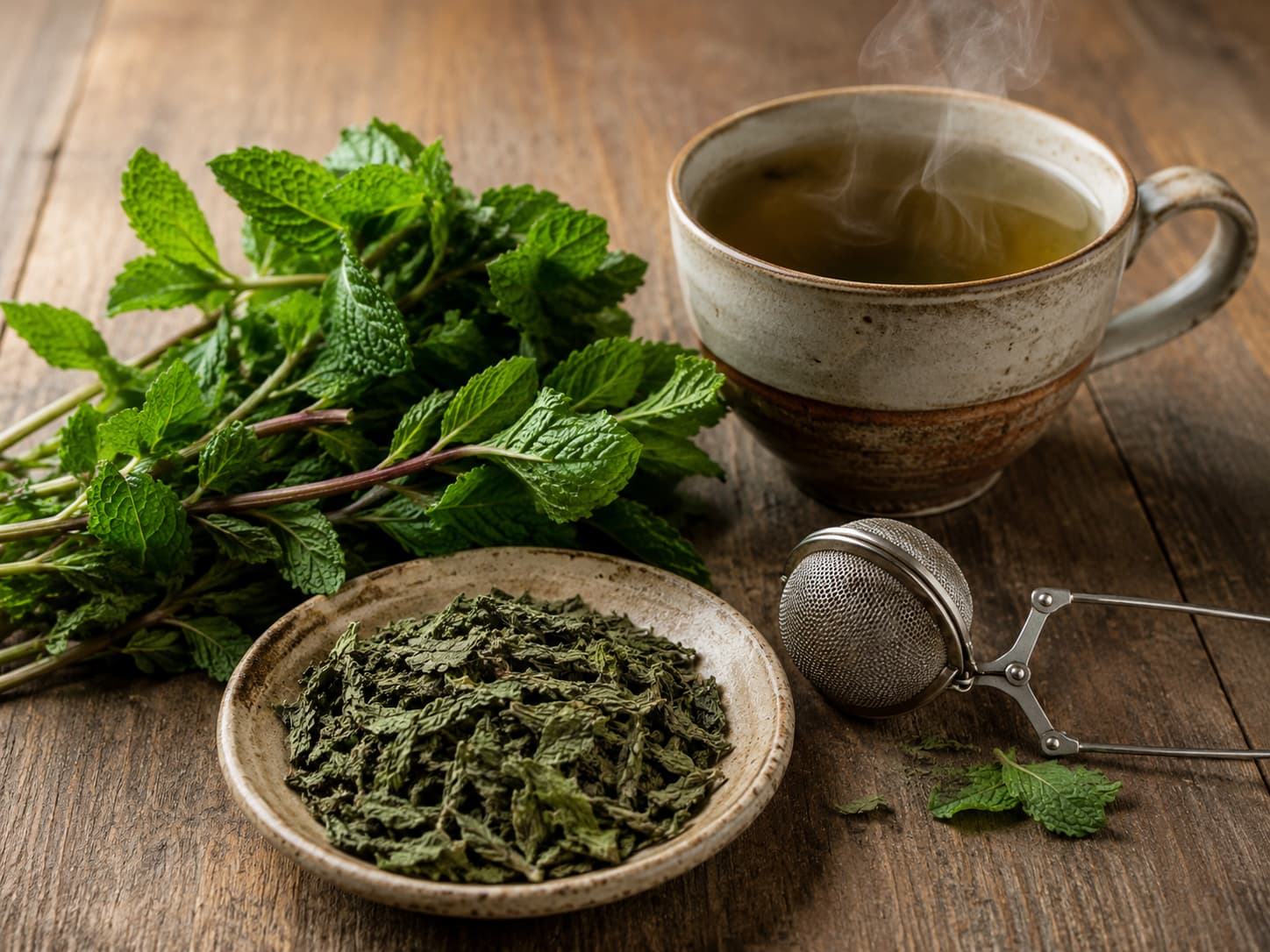
Harvest stems in the morning, just before flowering. Rinse and pat dry. Bundle 10–15 stems, tie with twine, and hang upside down in a dark, well-ventilated space. Light degrades essential oils — drying in the dark preserves flavor. After 1–2 weeks, leaves should crumble when crushed. Strip leaves from stems, store in an airtight glass jar in a dark cupboard. Properly dried mint retains good flavor for 6–12 months.
Can different mint varieties be planted together?
Not if you want to maintain distinct flavors. Different mint varieties cross-pollinate freely when in flower. While this doesn't affect the current season's leaves, seeds from cross-pollinated plants produce hybrid offspring with unpredictable oil profiles. If you want to keep pure strains (especially for essential oil production), keep varieties in separate containers at least 10 feet apart, and remove flower heads before they open.
Is mint toxic to dogs and cats?
Garden mints (peppermint, spearmint) are non-toxic in small amounts. However, concentrated peppermint essential oil can cause gastrointestinal upset in pets and should never be applied to their skin or fur. Pennyroyal (M. pulegium) is toxic — its high pulegone content can cause liver damage in dogs, cats, and humans. Keep pennyroyal out of pet-accessible areas. The fresh or dried leaves of common culinary mints are safe.
How do I make mint essential oil at home without a still?
True essential oil requires steam distillation — you cannot make it by simply soaking mint in oil (that produces infused oil, which is much milder). If you don't have a still: infused oil is your best alternative. Use thoroughly dried mint leaves and a carrier oil. See the cold infusion section above for the safe method. The resulting oil will have a mild mint fragrance suitable for skincare and massage but won't have the potency of steam-distilled essential oil.
Sources & Further Reading:
- Royal Horticultural Society — How to Grow Mint
- Oregon State University Extension — Growing Mint
- NIH — Essential Oil Composition of Mentha Species
- USDA Food Safety and Inspection Service — Herb-Infused Oils Safety
- Missouri Botanical Garden — Mentha × piperita Plant Finder
- ASPCA — Toxic and Non-Toxic Plants List
Final Thoughts
Mint is the herb that teaches you the most important lesson in gardening: some plants want to take over the world, and your job is to say no. Grown in containers, harvested at the right time, and processed correctly, mint rewards you with some of the most versatile flavors and fragrances in the plant kingdom — from a cup of peppermint tea to a drop of essential oil to a mojito on a summer evening.
The key is respect. Respect its invasiveness (containers only). Respect its chemistry (harvest before flowering for peak oil). And respect food safety (dried herbs for oil infusions, never fresh). Get those three things right and mint goes from a garden thug to an indispensable ally.
Here's what to remember:
- Containers only. Never in the ground. Sink pots if you want the in-ground look.
- Harvest before flowering, in the morning. This is when essential oil concentration peaks.
- Spearmint for cooking, peppermint for tea. Know which variety you have and use it accordingly.
- Dried mint only for oil infusions. Fresh herbs + oil = botulism risk.
- Keep varieties separated. Cross-pollination dilutes distinct flavors.
- Pennyroyal is toxic — do not ingest. It's for insect repellent only.
If you found this guide helpful, you might also enjoy our guide on How to Grow Rosemary — another Mediterranean herb, with the exact opposite water requirements.