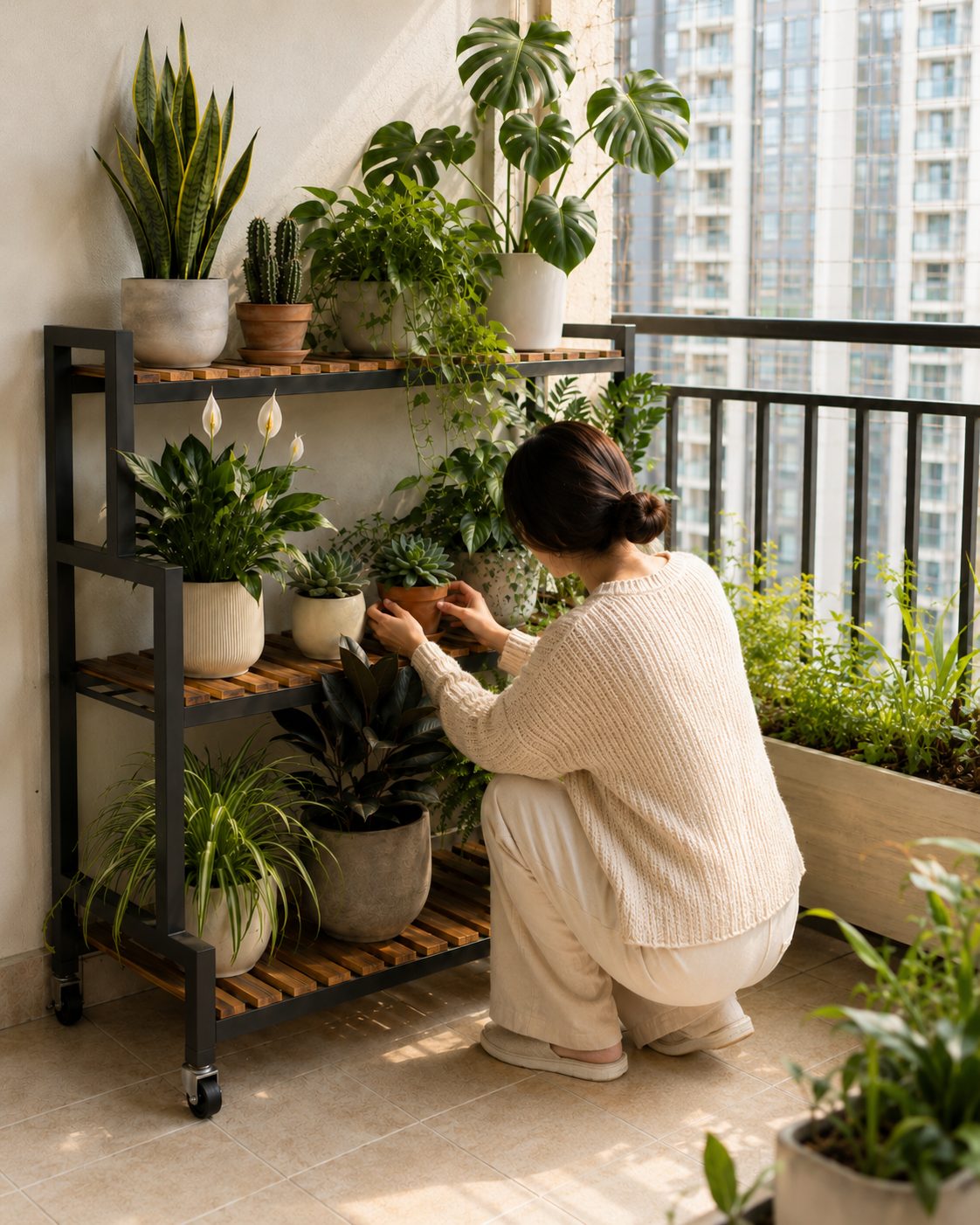
5 Heat-Tolerant Houseplants for Bright Summer Windows
A bright summer window can be one of the best places in the home for a houseplant—and one of the easiest places to overheat roots, scorch leaves, or encourage overwatering. The key is choosing plants that tolerate warmth while matching each species to the right distance from the glass.
These five dependable houseplants handle warm summer rooms better than many humidity-loving tropicals. Some can accept acclimated direct sun; others should sit behind a sheer curtain or a few feet back. That distinction matters because heat tolerance and direct-sun tolerance are not the same thing.
- Aloe vera, jade plant, and ponytail palm are the strongest choices for an acclimated sunny window.
- Snake plants tolerate warm rooms well but may scorch against very hot glass.
- ZZ plants prefer warmth with bright, filtered light rather than intense afternoon sun.
- Let the potting mix—not the room temperature—decide when it is time to water.
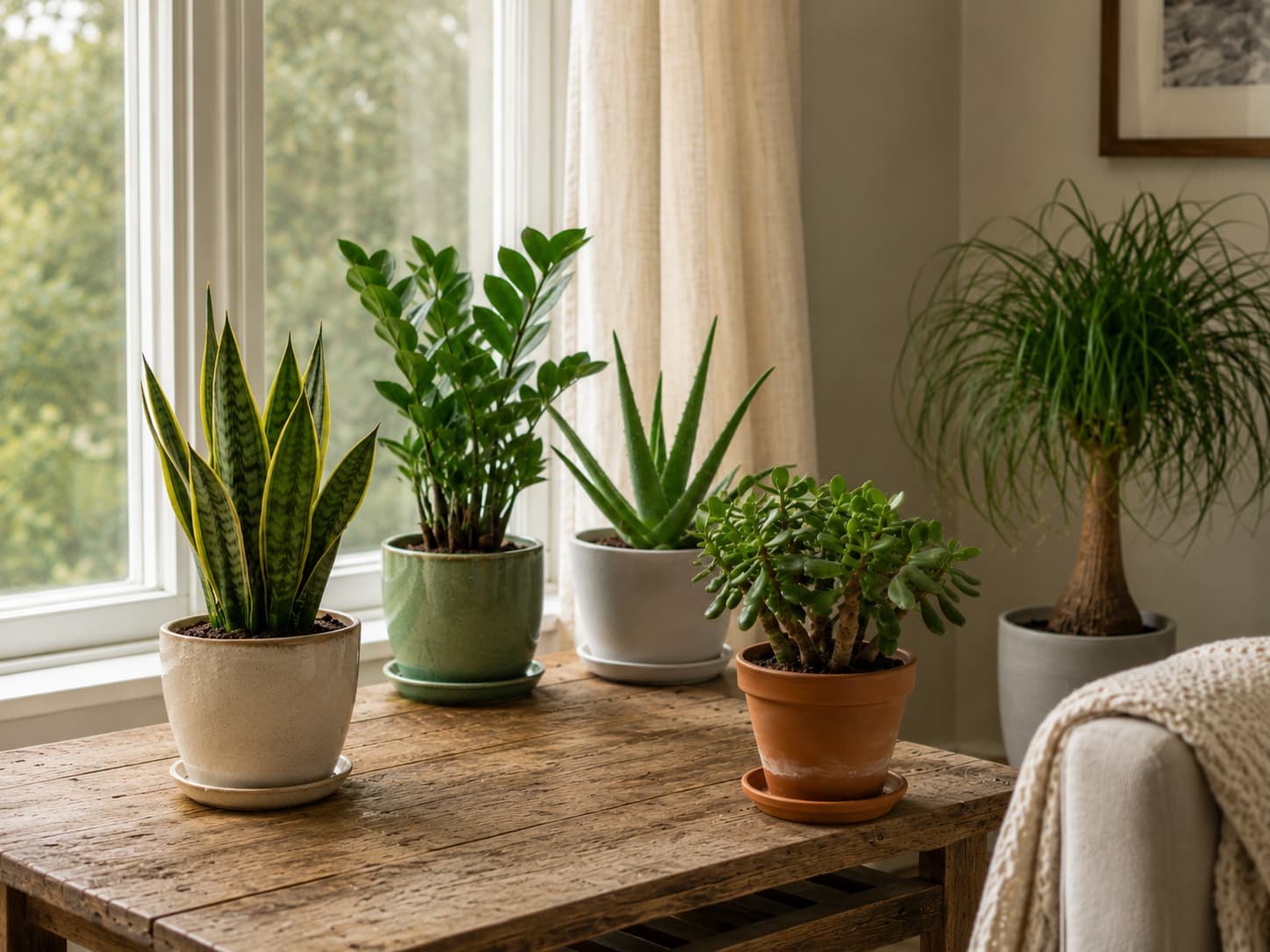
At a Glance: Which Plant Fits Your Window?
| Plant | Best summer position | Light tolerance | Watering cue | Main risk |
|---|---|---|---|---|
| Snake plant | Near a bright window; pull back from very hot glass | Low light to acclimated sun | Mix fully dry | Wet soil and sun scorch |
| ZZ plant | A few feet back or behind a sheer curtain | Low to bright indirect light | Mix dry through most of the pot | Overwatering and bleached leaves |
| Aloe vera | Sunny sill after gradual acclimation | Bright light and direct sun | Mix completely dry | Sudden sun exposure and root rot |
| Jade plant | Bright sill with several hours of sun | Bright light to direct sun | Leaves slightly less firm and mix dry | Rapid temperature change and wet soil |
| Ponytail palm | Bright or sunny window with drainage | Bright light and acclimated sun | Mix dry and pot noticeably lighter | Frequent watering |
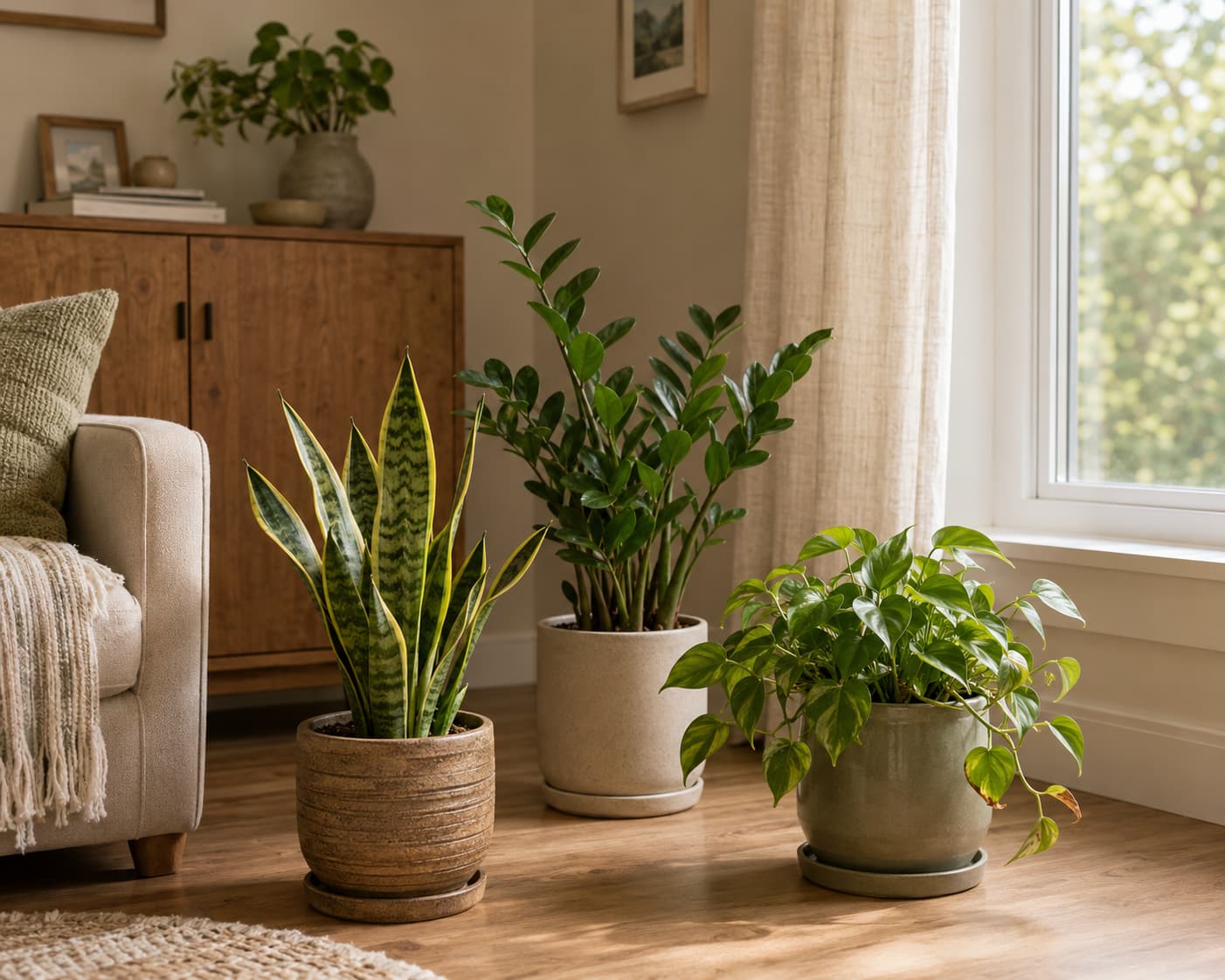
1. Snake Plant
Dracaena trifasciata, still commonly sold as Sansevieria trifasciata, is exceptionally forgiving in warm indoor conditions. Its thick leaves store moisture, and its CAM photosynthesis helps reduce daytime water loss.
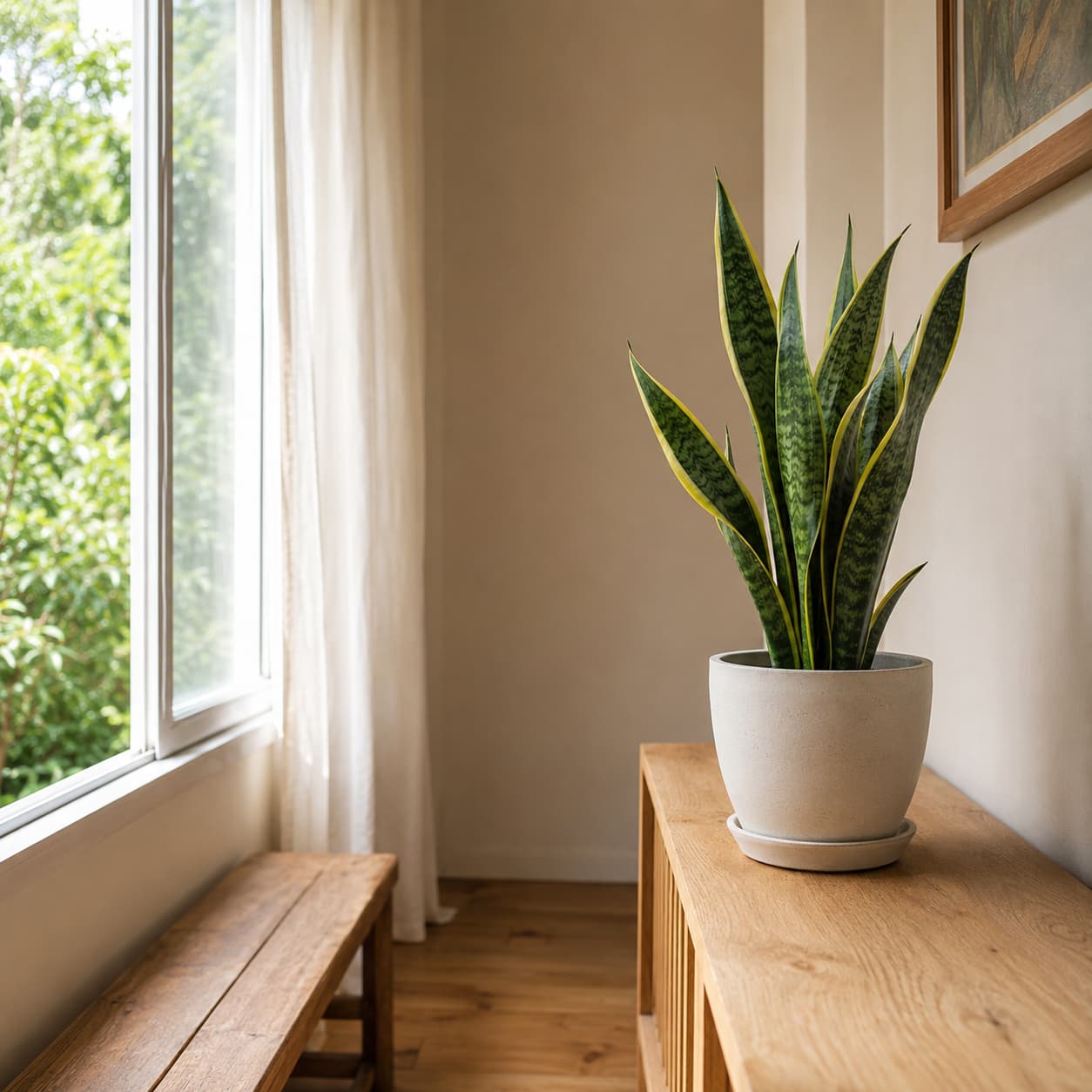
For summer care, avoid watering by the calendar. Check deeper in the pot and wait until the mix is fully dry. Warm weather may shorten drying time, but a plant in a large pot or dense mix can remain wet much longer than expected.
Watch for: Soft tissue at the base usually points to excess moisture. Dry, localized patches on the window-facing side are more consistent with sun or heat damage.
2. ZZ Plant
ZZ plants store water in thick underground rhizomes and fleshy stems, making them reliable in warm rooms. They tolerate heat better than many soft-leaved tropicals, but they are not ideal candidates for intense, unfiltered afternoon sun.
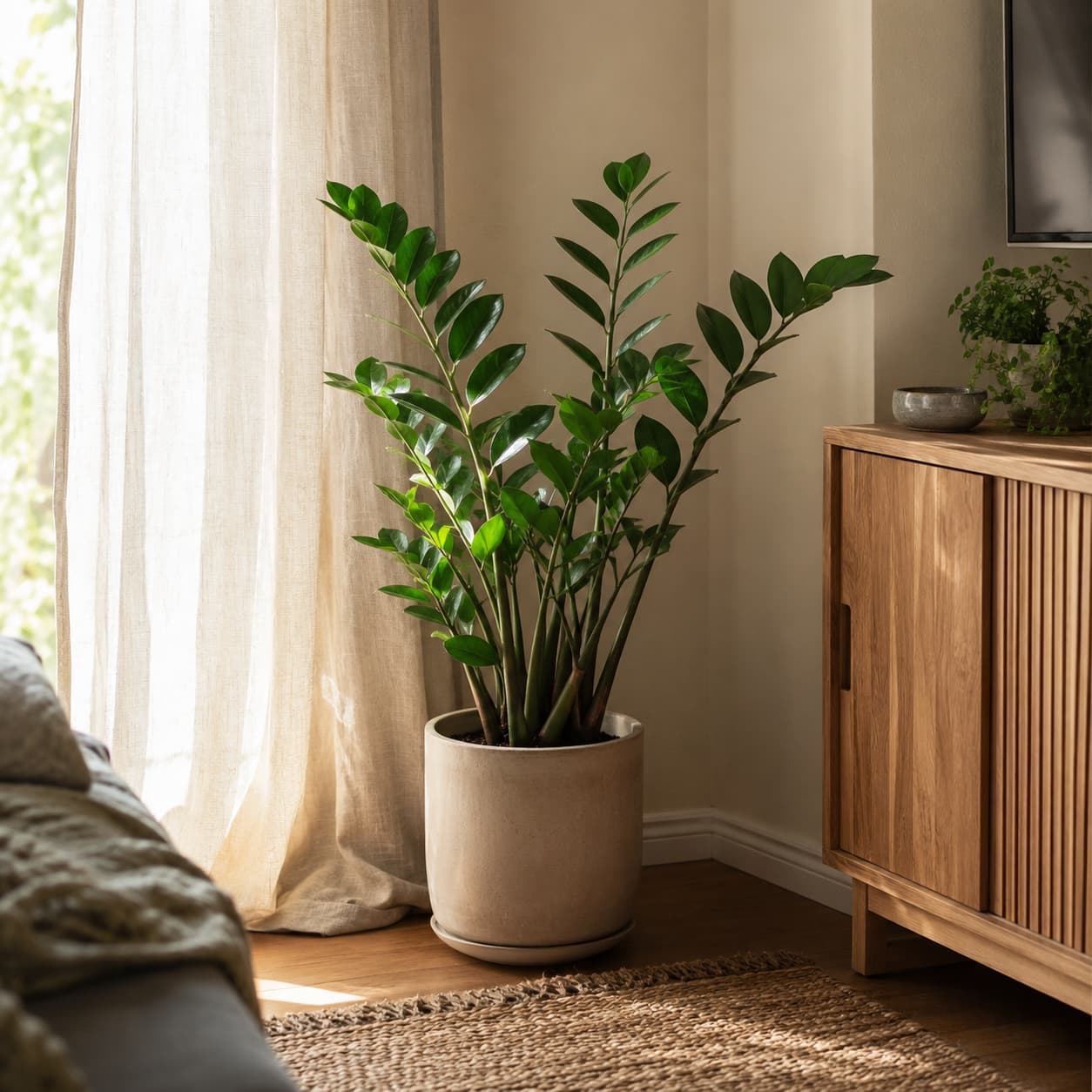
Water thoroughly and allow excess water to drain. Then wait. Yellowing stems, persistently wet mix, or a sour smell from the pot are reasons to inspect the roots rather than add more water.
3. Aloe Vera
Aloe vera is naturally suited to bright conditions, but even an aloe can burn when moved abruptly from a dim shelf to a hot summer sill. Gradual acclimation is the difference between firm, upright growth and bleached or scorched patches.
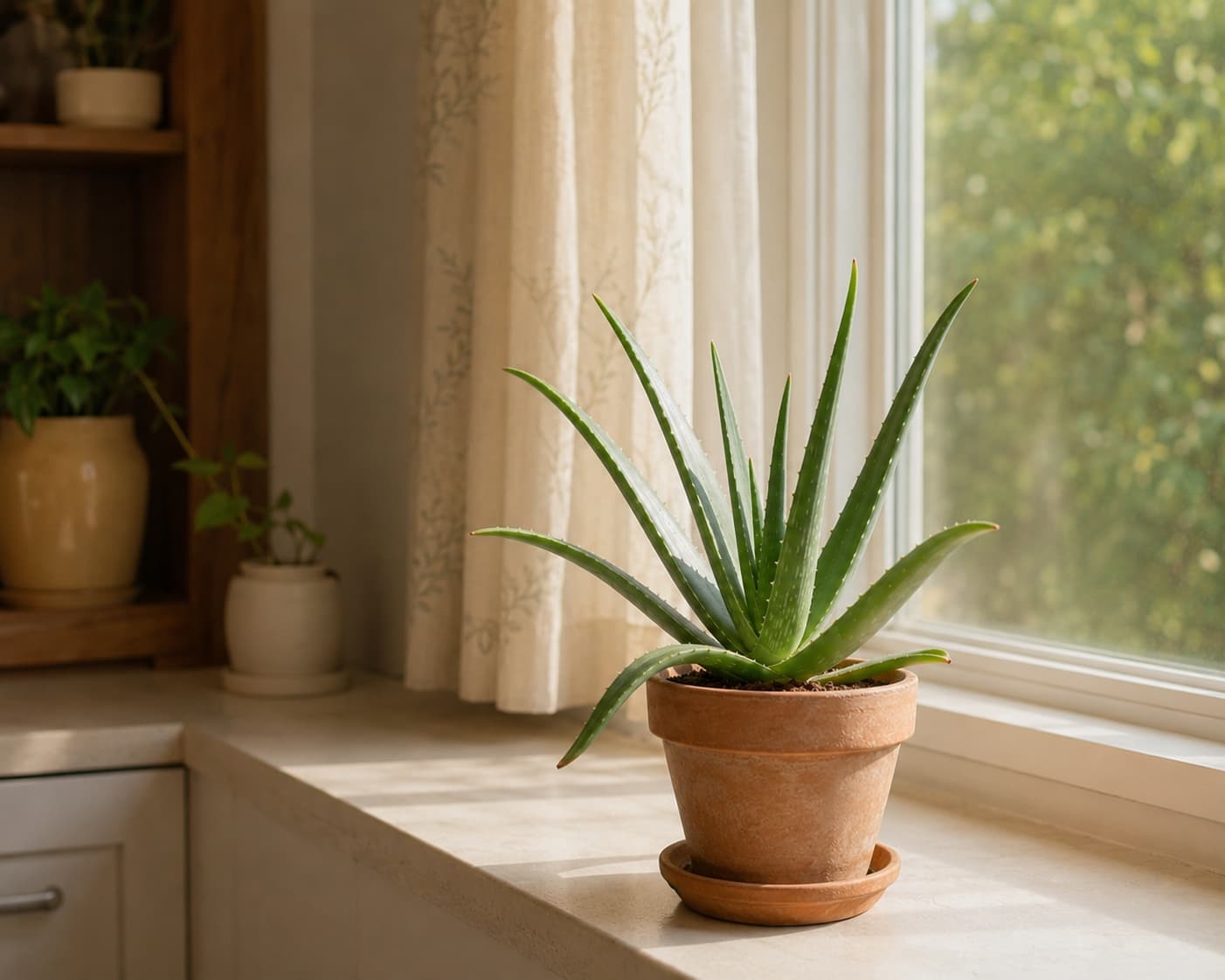
Use a pot with a drainage hole and a fast-draining mix. Water deeply, allow the pot to drain, and do not leave water standing in the saucer. Firm leaves are generally a better sign than a rigid watering schedule.
4. Jade Plant
Jade plants store water in thick leaves and perform best with abundant light. A well-acclimated plant can handle a bright summer window, and modest red edging may appear under strong light without indicating damage.
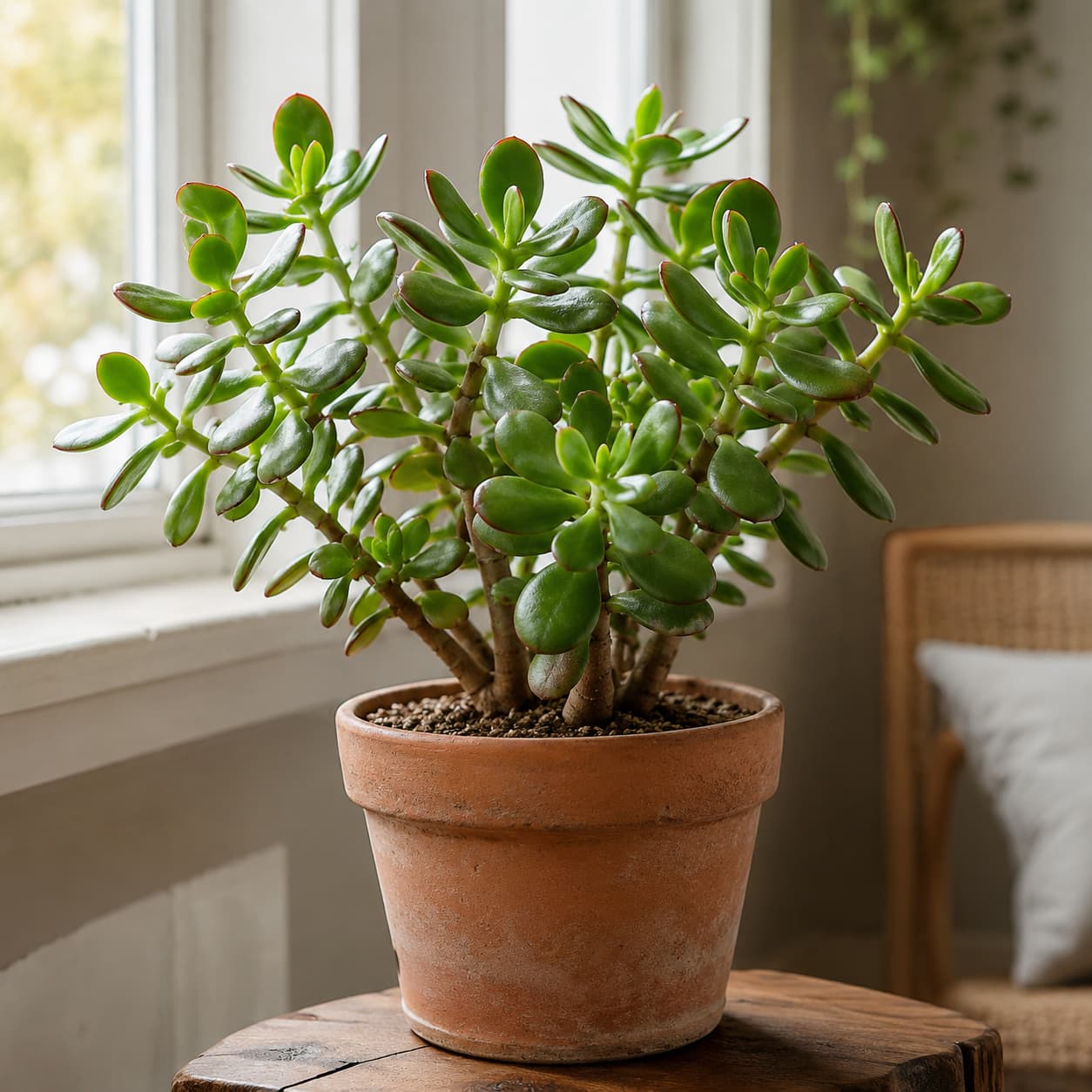
Avoid placing jade directly in the path of cold air-conditioning. Sudden temperature swings can trigger leaf drop even when light and watering are otherwise suitable.
5. Ponytail Palm
Ponytail palm is a drought-adapted plant with a swollen trunk base that stores water. It handles bright, warm rooms extremely well and is usually more vulnerable to frequent watering than to short periods of dryness.
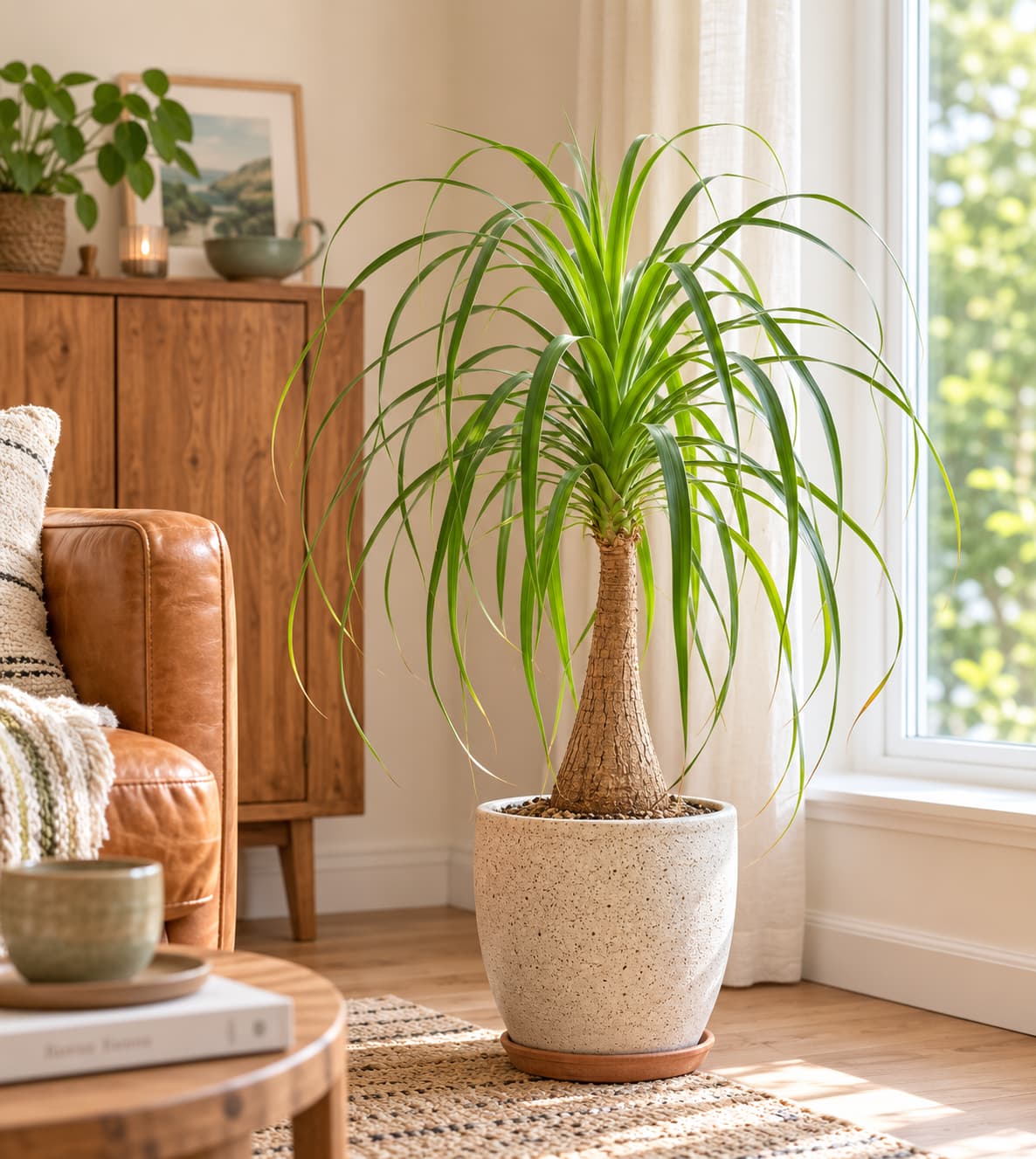
Some brown tips are cosmetic and may relate to dry air, mineral buildup, or normal aging. Widespread yellowing and a soft base are more concerning because they can signal excess moisture around the roots.
Three Rules for Summer Window Success
Frequently Asked Questions
1. Can every succulent sit in a hot summer window?
No. Many succulents tolerate warmth, but some—including Haworthia and Gasteria—prefer bright, filtered light and may scorch in intense direct sun through glass. Introduce stronger light gradually and check the foliage each day during the transition.
2. Should I water more often during a heat wave?
Only when the potting mix is drying faster. Check the mix and the weight of the pot rather than assuming every hot day requires water. Overwatering during summer is especially risky when the plant sits in dense soil or a decorative pot without drainage.
3. How can I tell sunburn from thirst?
Sunburn usually appears as localized tan, bleached, or dry tissue on the side facing the window. Thirst is more likely to cause broader wilting, wrinkling, or loss of firmness throughout the plant.
4. Are red aloe or jade leaves always damaged?
Not always. Mild red or purple pigmentation can be a protective response to stronger light. It becomes more concerning when the color is paired with bleaching, crisp tissue, thinning leaves, or rapid decline.
5. Should I fertilize a heat-stressed plant?
Wait until the plant is stable and producing healthy growth. Fertilizer does not repair scorched leaves or overheated roots, and feeding a stressed plant can add unnecessary strain. Resume light feeding only after normal growth returns.
The Bottom Line
The best summer-window plant is not simply the one labeled “heat tolerant.” It is the plant whose light needs, root conditions, and watering rhythm match the exact spot in your home.
Aloe vera, jade plant, and ponytail palm are strong choices for bright windows after acclimation. Snake plants are flexible but may need a little distance from hot glass. ZZ plants belong in the same warm room, but usually behind filtered light rather than in harsh afternoon sun.