The Little Surprise Every Plant Parent Knows
If you've owned a Philodendron for more than a few months, chances are you've looked over one day and thought:
“Wait… when did you get this big?”
Philodendrons have a habit of settling into a home quietly and then growing as if they’ve signed a private lease somewhere behind your back. What makes this more fascinating is that many people believe their homes are “not bright enough” or that they're “not great with plants.”
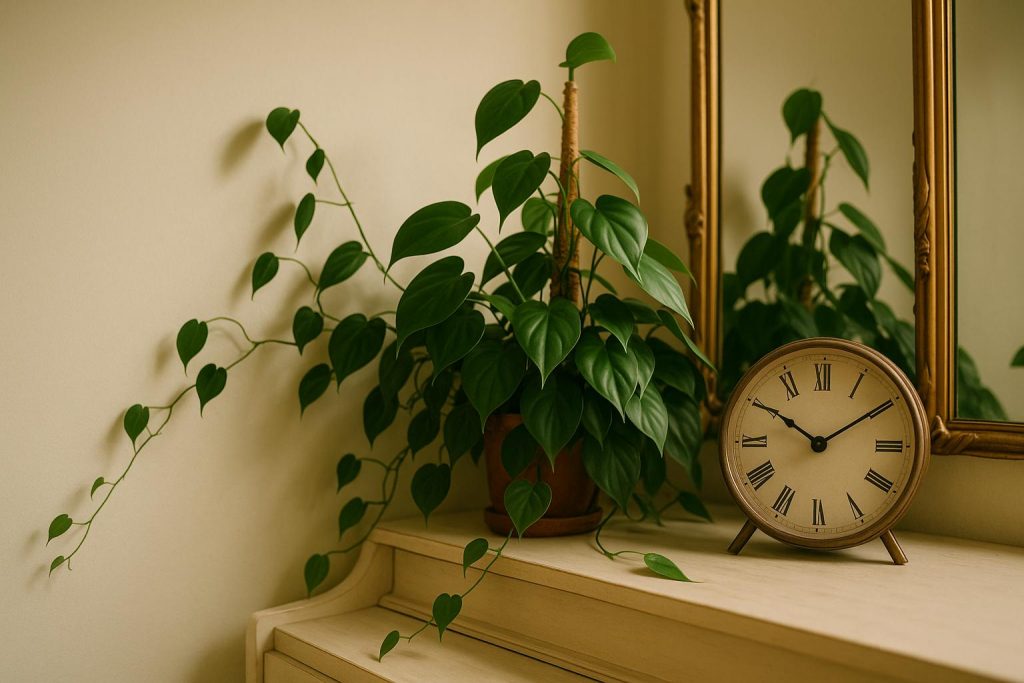
And yet—
the Philodendron thrives anyway.
This “unexpected success” isn’t a mystery. It’s a combination of unique plant biology, smart survival instincts, and the surprisingly plant-friendly environments modern homes naturally create.
Let’s explore why your Philodendron is doing so well—and how you can help it continue this gentle takeover of your indoor space.
1. Philodendrons Are Built for Survival (And Your Home Is Perfect for Them)
Philodendrons come from tropical forests where sunlight is filtered through layers of foliage.
They evolved to grow under tree canopies, adapting to:
- inconsistent light
- shifting humidity
- bursts of moisture
- climbing opportunities on nearby surfaces
So when your Philodendron ends up in a living room with soft daylight and minimal drafts, what it experiences is not “low light”—it’s home.
Why it thrives in typical homes:
✔ Indirect light mimics forest shade
✔ Stable temperatures (65–75°F / 18–24°C) are ideal
✔ Indoor humidity tends to be higher than we think, especially in kitchens & bathrooms
✔ Lack of strong direct sun prevents leaf burn
Your home might not feel tropical to you—but to a Philodendron, it’s a cozy understory paradise.
2. Aerial Roots Mean “I’m Comfortable Here” — Not Trouble
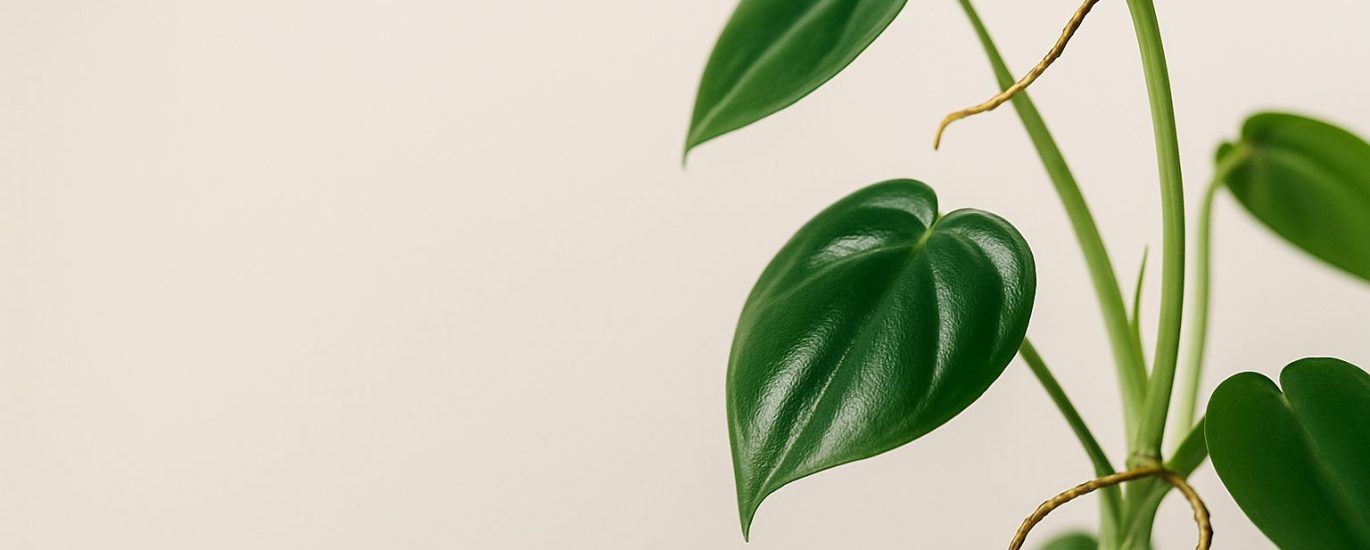
One of the most common surprises among new plant owners is how quickly aerial roots appear.
These thick little nubs or thin brown strands aren’t a sign that something’s wrong.
They're proof your Philodendron is:
- happy,
- actively exploring, and
- ready to climb or anchor itself.
What aerial roots tell you:
- The plant senses stable humidity
- It has enough energy to expand its footprint
- It’s preparing to support more foliage
In nature, these roots help Philodendrons pull themselves up trees. Indoors, they may reach toward furniture, walls, support poles, or even the pot’s rim.
You didn’t do anything wrong.
You did something right.
3. Indoor Light Is Better Than You Think (Especially for Philodendrons)
People often underestimate indoor light.
Even a room that feels "dim" can be enough for Philodendrons, because they’re adapted for:
- dappled light
- shade
- long hours of indirect brightness
If your Philodendron is suddenly pushing out large leaves, it's reacting to:
- consistent, non-harsh light
- long daylight hours in summer
- reflective surfaces (walls, floors, windows)
- stable light direction
Signs your light is just right:
✔ New leaves unfurl smoothly
✔ Petioles stay relatively short
✔ Leaves get larger over time
✔ The plant leans gently toward a single direction
✔ Steady growth without yellowing
Your home doesn’t need to feel bright to you—it only needs to be bright compared to a rainforest floor.
4. The “Underwatering Paradox”: Using Less Water Helps It Grow Faster
Here’s the twist:
Philodendrons hate soggy soil, but they absolutely love a light dry-down.
If your watering is inconsistent or if you forget occasionally, the plant adapts—and often grows better than if you watered constantly.
Why mild underwatering helps:
- Roots get more oxygen
- Soil bacteria stay healthy
- Rot risk decreases
- The plant grows deeper, stronger roots
Your “forgetfulness” might be the plant’s favorite feature about you.
5. Philodendrons Look for Support — So They “Make Themselves at Home”
If you see your Philodendron leaning toward a wall, trying to climb your bookcase, or sprawling over furniture, this is natural behavior.
In the wild, they climb trees.
Indoors, they climb whatever feels closest.
What triggers this behavior:
- Increased leaf size
- More aerial root growth
- Stable humidity
- The plant “mapping” vertical surfaces
This is also why many people suddenly realize their Philodendron has doubled in size—it’s found a structure that feels secure and begins to grow more confidently.
6. Why It Feels Like the Plant Grew Overnight
Because Philodendrons unfurl leaves in stages, you often don’t notice new growth until:
- a leaf pops open
- a node elongates
- an aerial root matures
Growth happens slowly, then becomes visually obvious all at once.
This creates the impression:
“It grew while I wasn’t looking.”
And honestly?
It kind of did.
7. How to Support Its Continued Growth (Without Changing Your Routine)
If your Philodendron is thriving naturally, you don’t need dramatic adjustments.
Here’s how to help it continue:
✔ Light
Bright, indirect light. Rotate every 2–4 weeks for even growth.
✔ Water
Allow the top 2 inches of soil to dry before watering again.
✔ Climbing support
A moss pole, bamboo stake, or even a decorative ladder will make your plant noticeably happier.
✔ Soil
Use chunky, airy soil:
potting mix + perlite + orchid bark.
✔ Fertilizer
Monthly, spring through summer.
None in winter.
✔ Humidity
40–60% is ideal but not mandatory.
✔ Pruning
Trim leggy growth to encourage fullness.
These are small steps, but they dramatically boost health and leaf size.
8. Common Misconceptions New Plant Parents Have
“It’s growing too fast, something must be wrong.”
Fast growth = a good sign.
“Aerial roots mean my plant is unhappy.”
They mean it feels secure enough to expand.
“My home is too dark.”
If you can read a book without turning on a light, your Philodendron is probably fine.
“The soil dried too quickly.”
That’s actually ideal for this species.
Your Philodendron Thrives Because Your Home Works for It
Your Philodendron isn’t just surviving—it’s adapting, exploring, and settling into the environment you’ve unintentionally made perfect.
You’re not “bad with plants.”
You’re just growing a plant that knows what to do.
And your Philodendron is telling you: “This is a good home.”