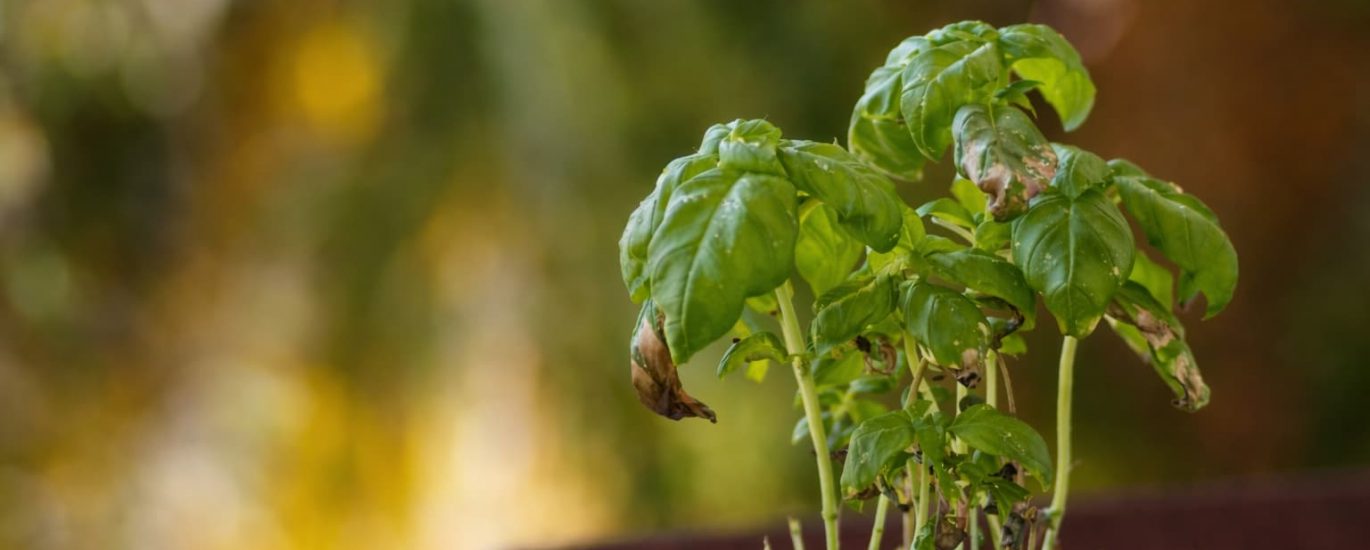
7 Quiet Mistakes That Kill Basil Plants And How to Fix Them
Basil has a reputation for being easy.
Fast-growing. Fragrant. Forgiving.
Yet few herbs frustrate gardeners more.
One week it looks healthy. The next, leaves yellow, stems collapse, and the plant seems to give up overnight. If you’ve ever thought “I did everything right”, you’re not alone.
Basil rarely dies from one big mistake. It declines through small, quiet problems that accumulate.
Let’s identify them — and correct what matters.
Quick Check: What Does Your Basil Look Like Right Now?
Take a moment to observe.
- Leaves yellowing from the bottom upward
- Wilting even when soil feels wet
- Long, thin stems that fall over
- Growth slowing after transplanting
If one or more apply, the issue is likely already happening below the surface.
Mistake #1 – Overwatering
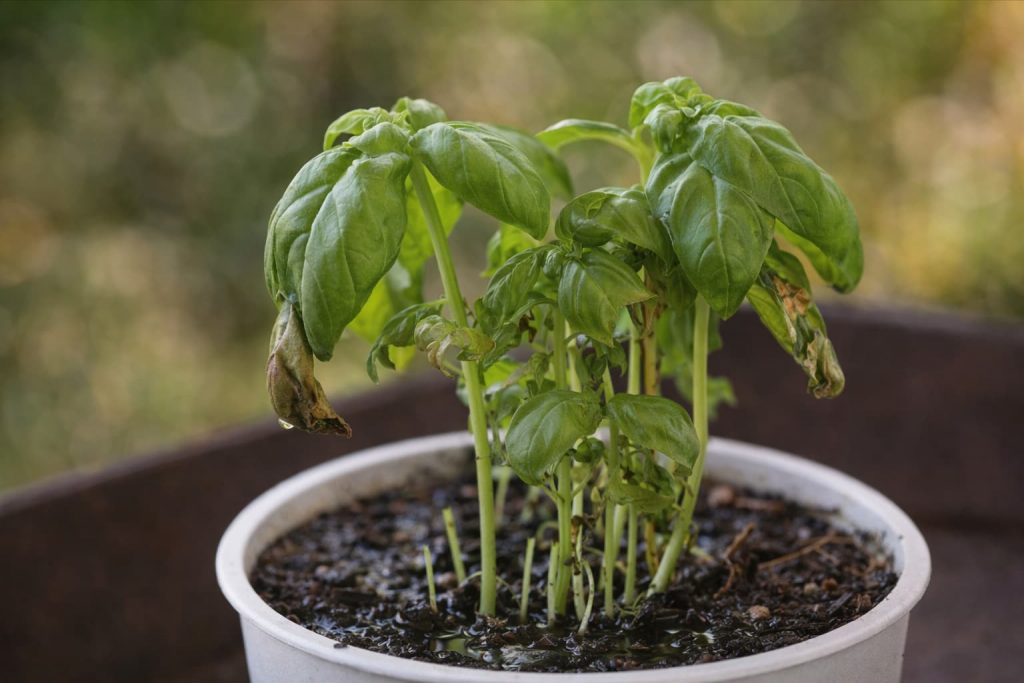
Overwatering doesn’t always look excessive.
In basil, it often appears as:
- Drooping leaves
- Pale yellow color
- Weak, soft stems
Basil roots need oxygen as much as moisture. When soil stays wet, oxygen is displaced, roots suffocate, and water uptake drops.
This is why basil can wilt in soggy soil.
Fix it:
- Water only when the top inch of soil is dry
- Avoid fixed schedules
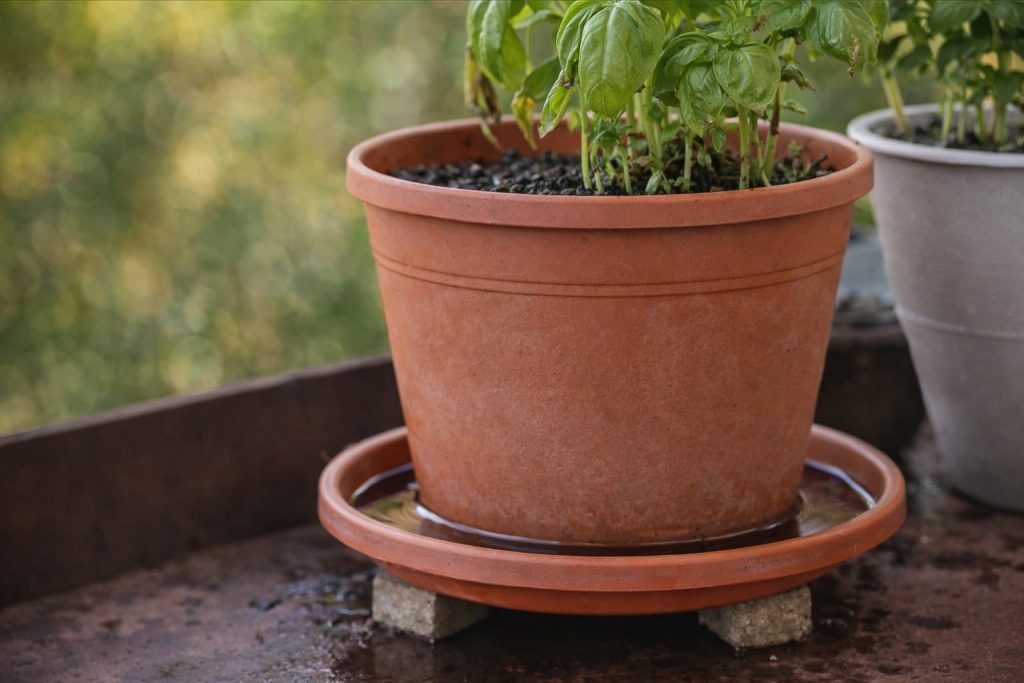
- Empty saucers after watering
Mistake #2 – Poor Drainage
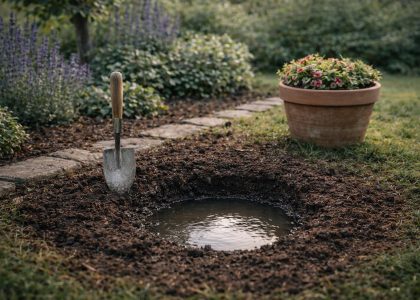
Even quality potting mix can drain poorly.
Common causes include:
- No drainage holes
- Compacted soil
- Pots sitting in water
- Garden soil used in containers
Basil roots are shallow and sensitive. When excess water cannot escape, stress develops quickly — even before visible symptoms appear.
Fix it:
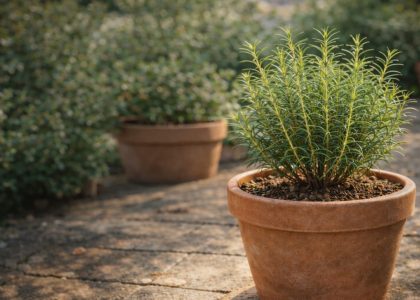
- Use containers with open drainage
- Avoid compressing soil
- Elevate pots to allow runoff
Drainage isn’t about how much you water.
It’s about how fast water leaves.
Mistake #3 – Not Enough Light
Basil needs strong light — especially indoors.
Bright rooms are not the same as bright exposure.
Signs include:
- Leggy growth
- Wide spacing between leaves
- Pale coloration
- Slow recovery after watering
Most indoor basil requires 6–8 hours of direct light or supplemental lighting.
Fix it:
- Use south- or west-facing windows
- Rotate plants regularly
- Add a grow light if needed
Mistake #4 – Cold Stress
Basil slows dramatically in cool conditions.
Problems arise when:
- Night temperatures fall below 10–12°C (50–55°F)
- Plants sit near cold glass
- Outdoor planting happens too early
Cool soil limits root activity even when air temperatures feel mild.
Fix it:
- Keep basil warm, especially overnight
- Wait for soil to warm before planting
- Bring containers inside during cold spells
Mistake #5 – Poor Airflow & Crowding
Dense growth traps moisture and restricts airflow.
Leaves may yellow or spot without obvious pests.
Fix it:
- Thin seedlings early
- Prune to open the center
- Space plants generously
Airflow is invisible — until it’s missing.
Mistake #6 – Nutrient Imbalance
Basil does not need constant feeding.
Excess fertilizer causes:
- Fast but weak growth
- Large leaves with poor flavor
- Increased stress sensitivity
In containers, nutrients accumulate quickly.
Fix it:
- Fertilize lightly during active growth
- Use diluted feeds
- Flush soil occasionally with water
Steady growth is healthier than rapid growth.
Mistake #7 – Letting Basil Flower Too Early
Once basil flowers, leaf production slows.
Energy shifts to reproduction. Leaves become smaller and tougher.
Fix it:
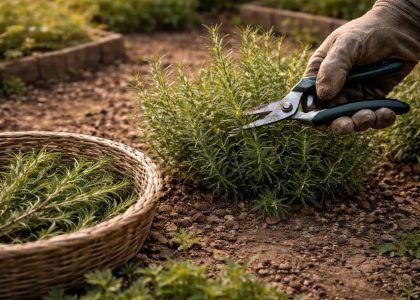
- Pinch buds early
- Cut back to a leaf node
- Harvest regularly
Flowering is a signal — not a failure.
How to Save a Dying Basil Plant
If green tissue remains, recovery is possible.
- Stop watering if soil is wet
- Improve drainage immediately
- Increase light and warmth
- Prune lightly
- Wait several days before feeding
Recovery requires restraint, not force.
Container vs In-Ground Basil
Containers offer control but demand consistency.
In-ground basil benefits from:
- Stable moisture
- Temperature buffering
- Reduced intervention
Containers work best when:
- Drainage is excellent
- Conditions are uncertain
- Mobility matters
Neither method is superior by default.
Context determines success.
When to Start Fresh
Basil grows quickly.
Sometimes restarting with better soil and drainage is more effective than prolonged rescue attempts. Experience compounds faster this way.
Final Thought
Basil responds to conditions, not attention.
When soil drains well, light is sufficient, and temperatures remain warm, basil grows with little resistance.
When it struggles, it isn’t stubbornness.
It’s information.