Intro|Why Most Planting Problems Start Underground
When a plant struggles, we often look upward first.
More sun. Less water. A different fertilizer.
But in many gardens, the real problem is already settled — quietly — beneath the surface.
Roots don’t respond to good intentions. They respond to oxygen, moisture balance, and space. And all three are controlled by one factor gardeners too often overlook: drainage.
Before you choose plants, before you dig holes, before you invest time or money, learning how to read your soil’s drainage can save seasons of frustration.
Good gardening doesn’t start with planting.
It starts with understanding what happens after the water goes in.
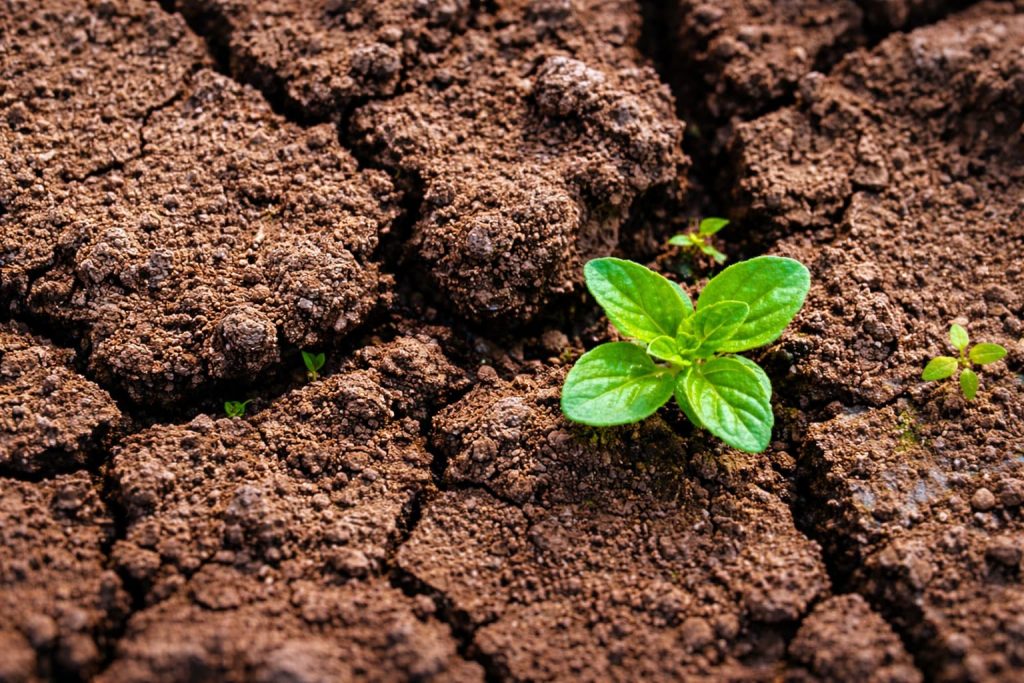
Why Drainage Matters More Than Temperature
Temperature gets most of the attention, but drainage is often the deciding factor between survival and decline.
Here’s why:
- Roots need air as much as water
- Poor drainage pushes oxygen out of the soil
- Without oxygen, roots suffocate — even in cool, mild weather
In waterlogged soil, plants may look fine at first. Leaves stay green. Growth seems normal. But underground, roots are stressed, shallow, and vulnerable.
This is why many plants fail not during heat waves or frost — but during ordinary seasons with excess moisture.
Drainage determines:
- How quickly soil warms in spring
- How long roots stay wet after rain
- Whether beneficial microbes thrive or rot takes over
Temperature influences growth.
Drainage determines whether growth is even possible.
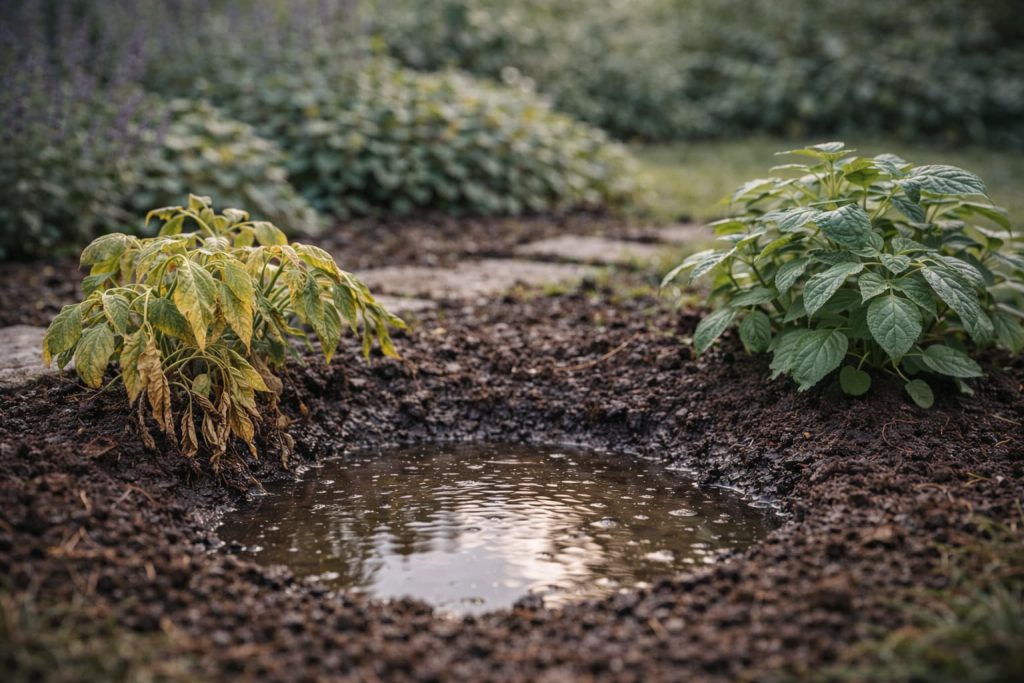
The Simple Hand & Spade Test
You don’t need lab results to understand your soil. You need observation.
Step 1: The Hand Test
Grab a handful of moist soil (not soaking wet).
- Squeeze it firmly, then open your hand.
What you’re looking for:
- Falls apart easily → likely good drainage
- Holds a tight, sticky ball → high clay, slow drainage
- Feels gritty but won’t clump → sandy, fast drainage
Good soil holds together briefly — then breaks apart with a gentle poke.
Step 2: The Spade Test
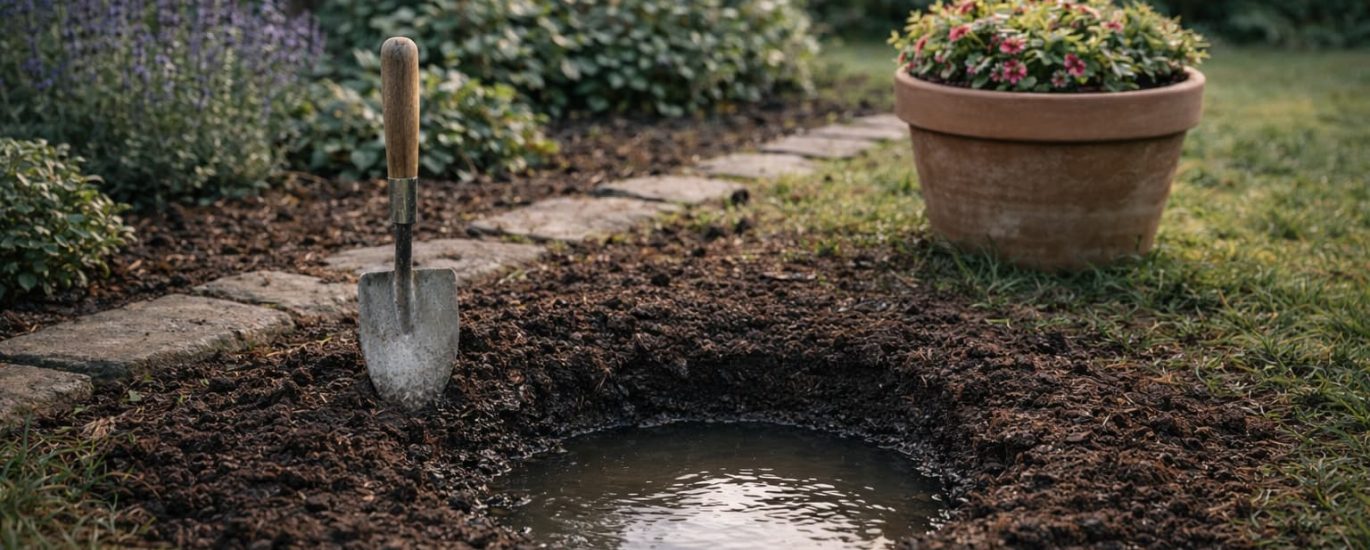
Dig a hole about 12 inches (30 cm) deep and wide.
- Fill it with water.
- Let it drain completely.
- Fill it again and time how long it takes to empty.
General guideline:
- 2–4 hours → workable drainage
- More than 6 hours → drainage limitations
- Still full after 12 hours → planting risk zone
This test tells you more than any label on a plant tag ever will.
What “Good Soil” Actually Looks Like
Good soil is not one thing — but it has consistent characteristics.
Visually and physically, it tends to:
- Crumble rather than smear
- Smell earthy, not sour
- Contain visible organic matter
- Drain without cracking or crusting
When watered, good soil absorbs moisture evenly and releases excess slowly — never pooling for long, never drying instantly.
Importantly, good soil changes with depth.
A surface layer may look perfect while compacted subsoil below traps water. Always check below the planting depth — that’s where roots live longest.
Fixing Drainage Without Rebuilding Your Garden
Improving drainage doesn’t always mean starting over.
Here are realistic, experience-tested approaches:
Add Organic Matter — Strategically
Incorporate compost into the top 8–12 inches, not just the surface. Organic matter improves structure, but only where roots can access it.
Avoid creating a “pot effect” by amending a small hole in otherwise compacted soil — roots may stall at the boundary.
Avoid Overworking Wet Soil
Digging or tilling when soil is wet compresses structure further. If soil sticks to tools, wait.
Patience protects drainage more than effort.
Use Raised Beds Where Water Collects
Even modest elevation — 6–8 inches — can dramatically improve drainage without changing soil chemistry.
Raised beds work best when blended into existing soil, not isolated boxes.
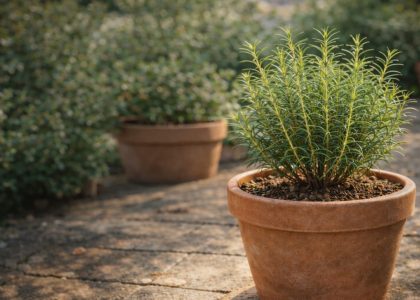
When Containers Are the Smarter Move
Sometimes, soil improvement isn’t practical — or necessary.
Containers are the better choice when:
- Drainage problems persist despite amendments
- Soil stays cold and wet into spring
- Plants are moisture-sensitive or seasonal
- You’re testing a plant’s suitability before committing
Containers don’t bypass good gardening. They reintroduce control where the ground won’t cooperate.
Used intentionally, they reduce risk and expand what’s possible — without waiting years for soil to change.
A Final Perspective
Soil tells the truth early.
Long before leaves yellow or growth stalls, drainage reveals whether a plant will thrive — or struggle quietly.
If you learn to read it first, planting becomes less about hope and more about alignment.
Good drainage doesn’t guarantee success.
But without it, even perfect conditions above ground rarely matter.