How to Prune Lavender: 4 Rules You Shouldn’t Skip
Lavender stays fuller and more balanced when pruning is timed carefully and kept in healthy green growth. The goal is not to cut as hard as possible—it is to remove spent growth while preserving the shoots that will carry the plant forward.
For the pruning approach described in this guide, focus on four things: prune after flowering, cut above healthy green growth, protect new shoots, and keep the plant rounded rather than flat-topped. Lavender type and climate can change how hard or how often you trim, so use the plant’s green growth as your guide.
Rule 1: Get the Timing Right
Prune after the first bloom rather than waiting until late in the season
Late spring to early summer is the main pruning window described in this guide. The original article recommends pruning after the first flush of flowers and avoiding a late fall prune before dormancy.
Rule 2: Know Where to Cut
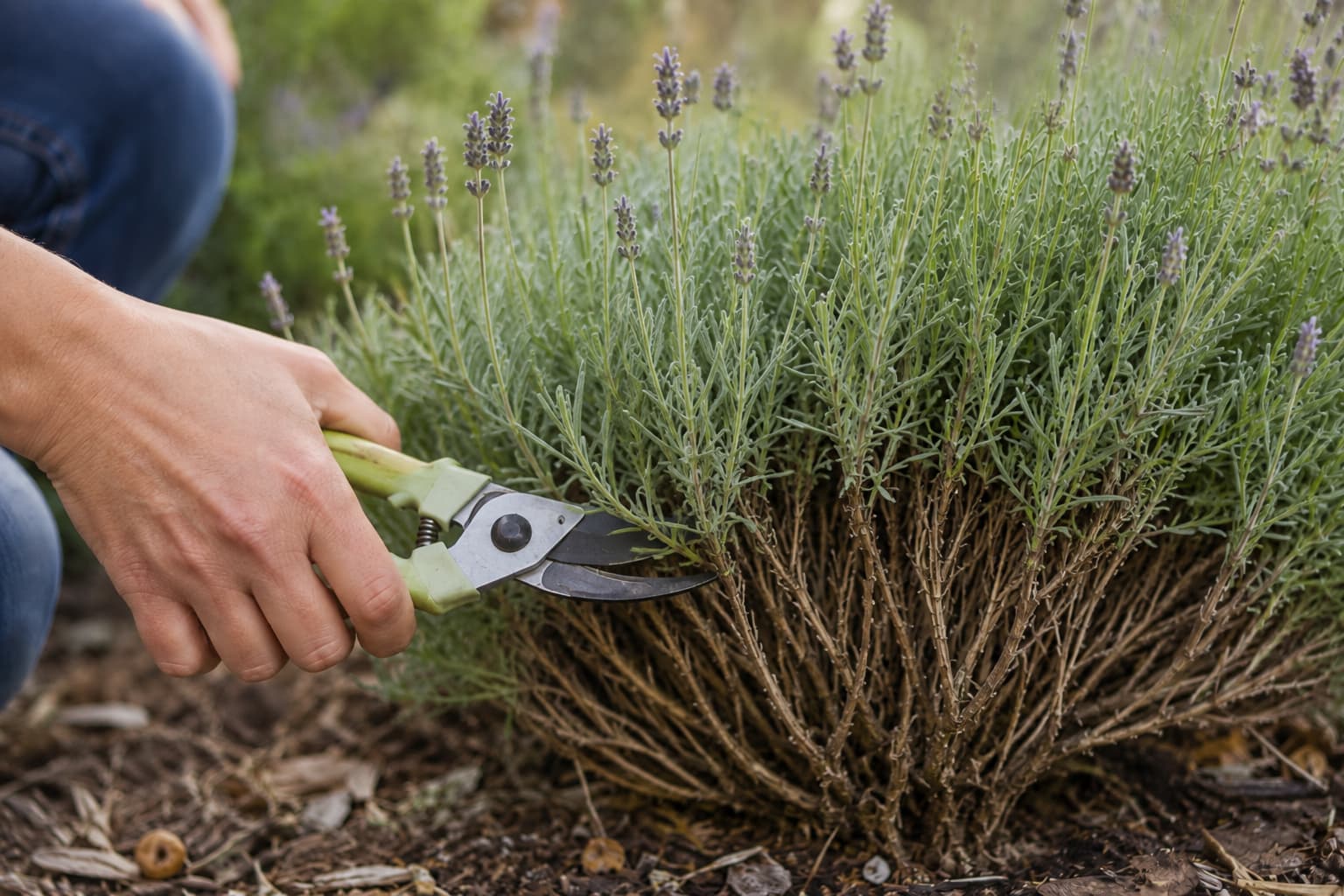
Stay above healthy green growth
The original guide recommends trimming about 1 inch above green growth and avoiding deep cuts into the brown woody base. The practical goal is to leave healthy leafy growth below the cut.
Rule 3: Watch for New Buds and Shoots
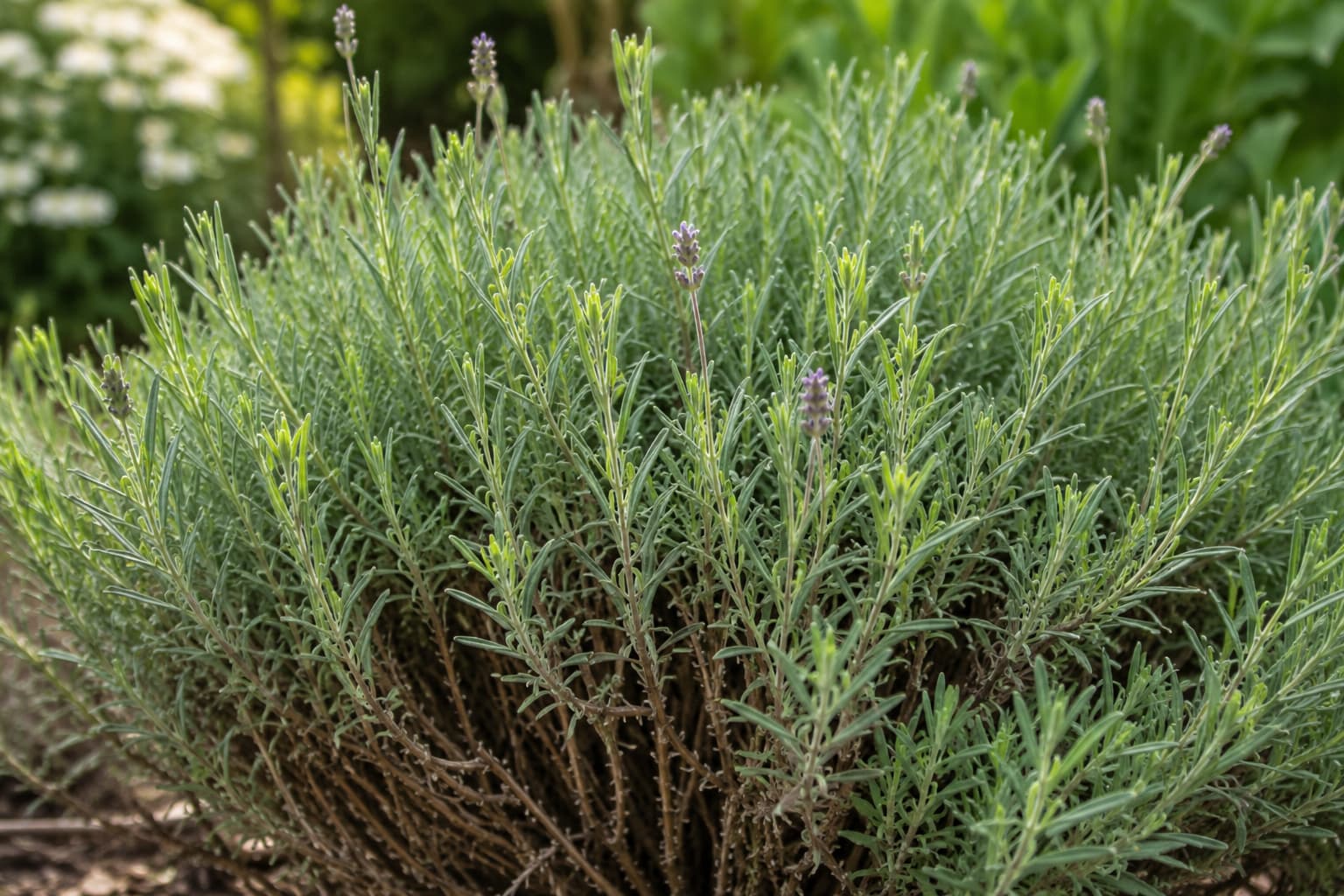
Leave small new shoots that can become future flowering stems
The original guide emphasizes preserving fresh green shoots. These are the parts of the plant you want to keep while removing spent flower stems and excess top growth.
Rule 4: Shape the Plant Into a Soft Dome
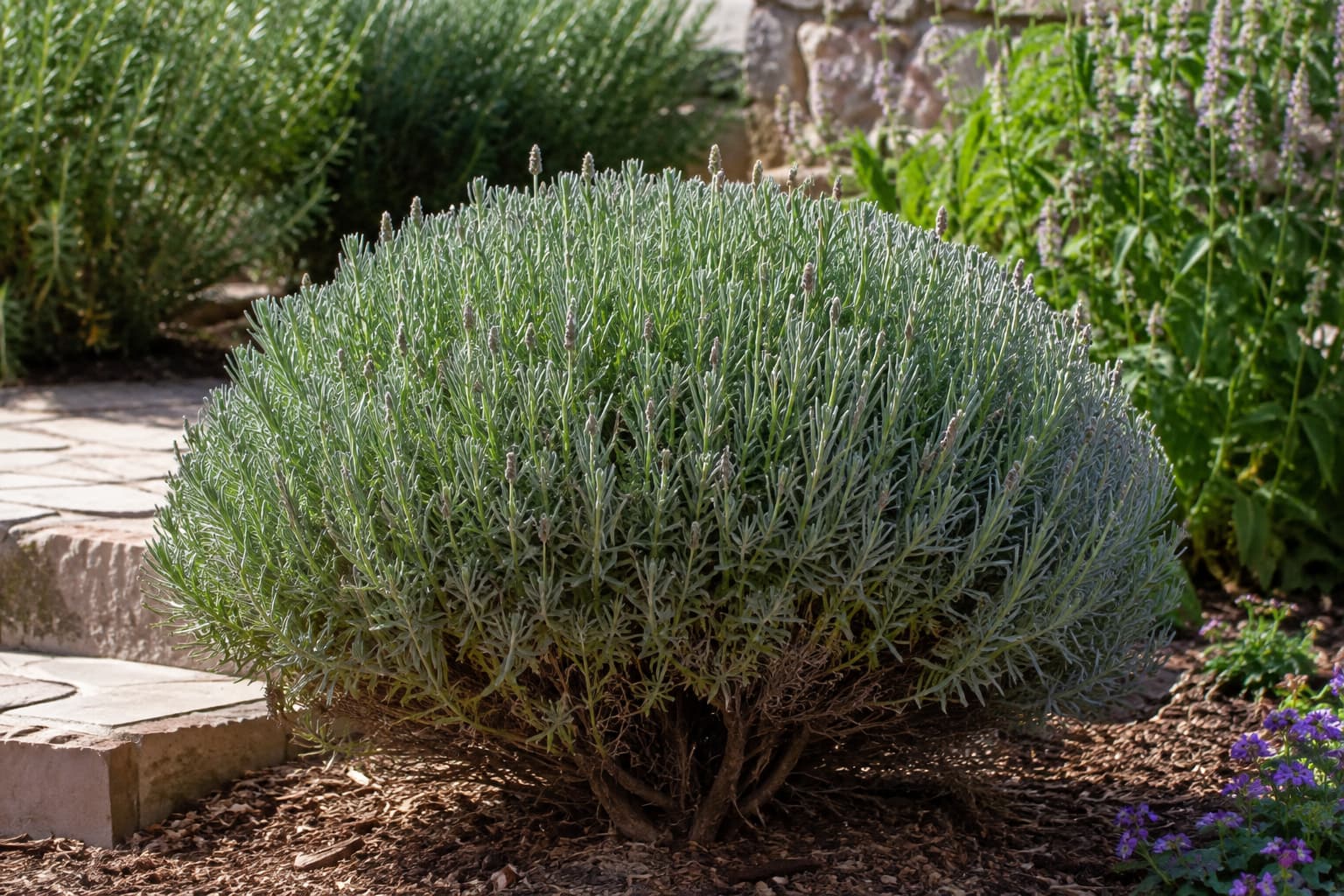
Use a rounded shape for more balanced regrowth
The original guide recommends a tidy dome rather than a flat or uneven cut. A rounded outline keeps the plant visually balanced and helps light reach more of the outer growth.
Lavender Type Tips
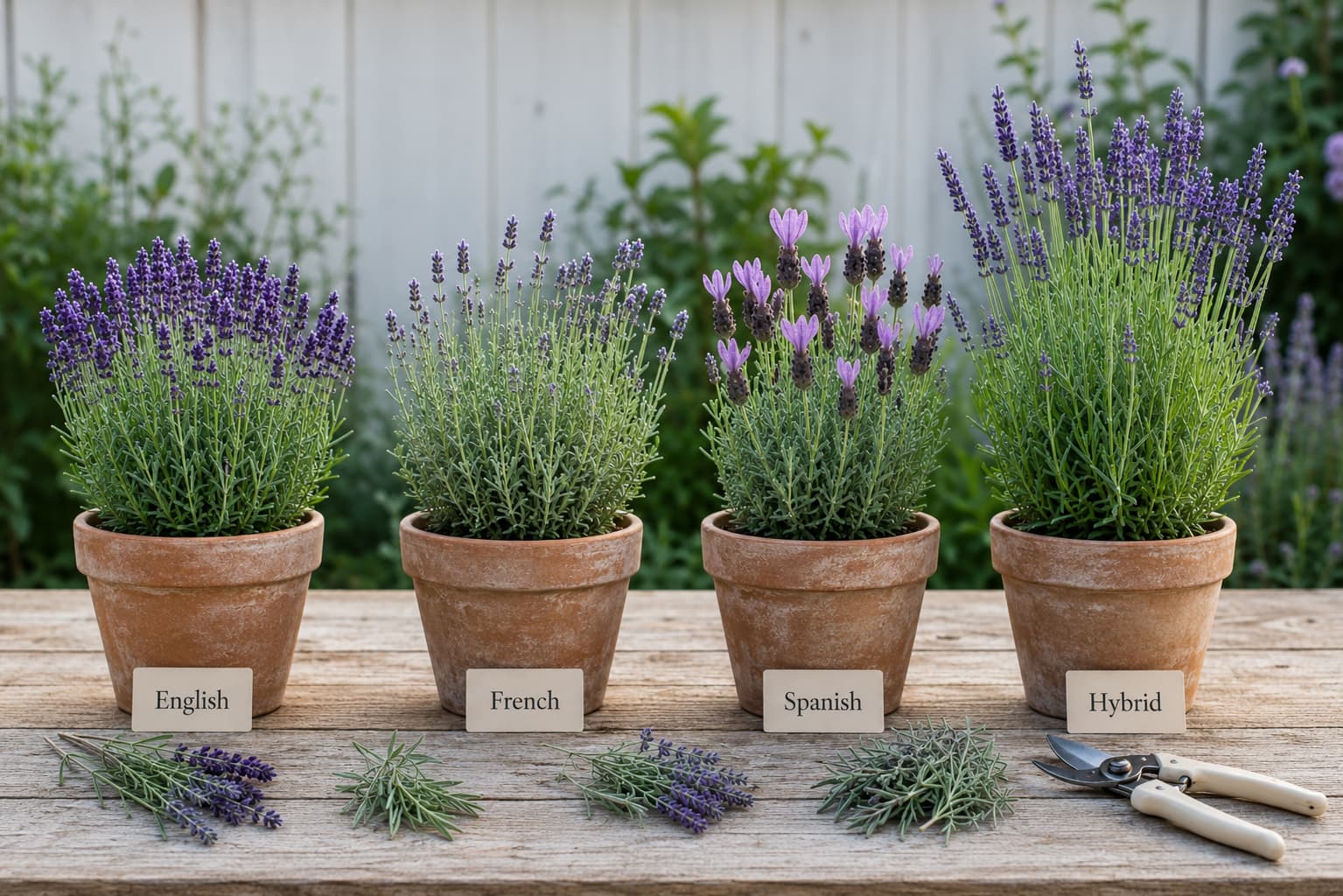
The original guide separates lavender types because they are not all pruned in exactly the same way.
| Lavender type | Pruning approach in the original guide | Main caution |
|---|---|---|
| English lavender Lavandula angustifolia | Can handle a firmer post-bloom shaping cut. | Keep healthy green growth below the cut. |
| French & Spanish lavender | Lighter, more frequent trims. | Avoid harsh pruning. |
| Hardy hybrids such as ‘Grosso’ | Summer pruning is emphasized in the source. | Avoid leaving the plant unmanaged heading toward winter. |
Frequently Asked Questions
1. Can I prune lavender in fall?
The original guide advises against fall pruning because it may leave plants more vulnerable heading into dormancy and can affect the following flowering season.
2. How often should I prune lavender?
The source suggests once or twice a year: a main trim after the first bloom, with an optional lighter trim later in summer where conditions allow.
3. Why should I avoid cutting deeply into woody stems?
The original guide warns that old woody stems may not regrow reliably. Its recommendation is to keep pruning cuts above healthy leafy growth whenever possible.
4. What tools should I use?
Use clean, sharp shears or scissors. The original guide also recommends disinfecting tools before use to reduce the risk of spreading disease.
Bonus Printable: Lavender Pruning Card
The original article suggests a one-page pruning reminder for garden journals, Pinterest saving, or quick reference in the shed. If you publish a printable, link the actual downloadable file here rather than sending readers to the homepage.
Final Thoughts
Good lavender pruning is mostly about restraint: choose the right moment, keep cuts in healthy green growth, protect fresh shoots, and finish with a balanced rounded shape.
When do you usually prune your lavender? Share your climate, lavender type, and timing so other Greenmuse readers can compare what works in different gardens.