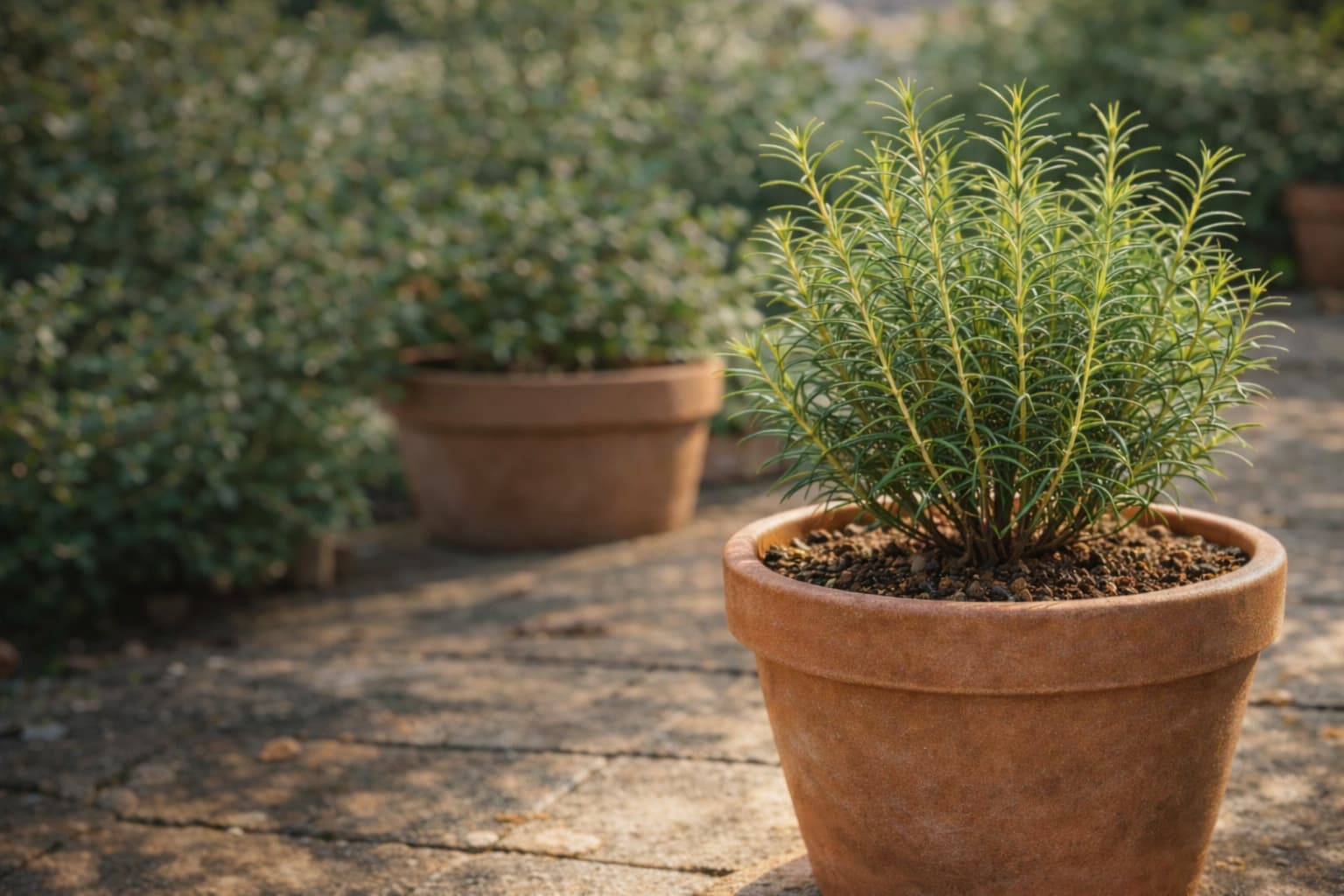
Growing rosemary in pots isn’t a compromise. For many gardeners, it’s the most reliable way to grow healthy, long-lived plants—especially in small spaces. Once you get container basics right, rosemary
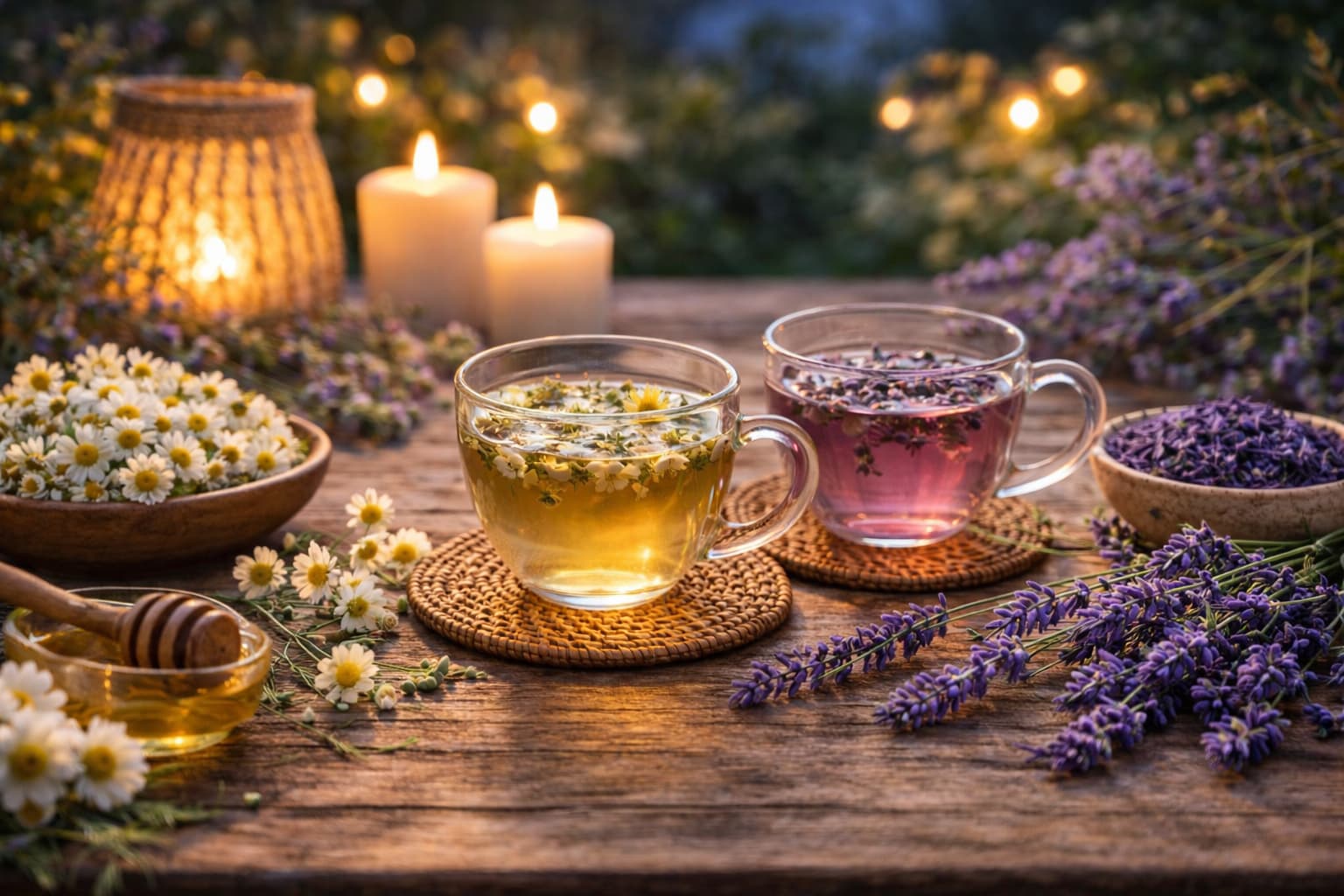
Best Flower Teas for Evening Relaxation—Gentle, Caffeine-Free Choices to Unwind NaturallyBest Flower Teas for Evening Relaxation—Gentle, Caffeine-Free Choices to Unwind Naturally
Calm evenings don’t need strong claims—just the right cup. Why Flower Teas Are Popular for Evening Routines As the day winds down, many people look for a way to slow
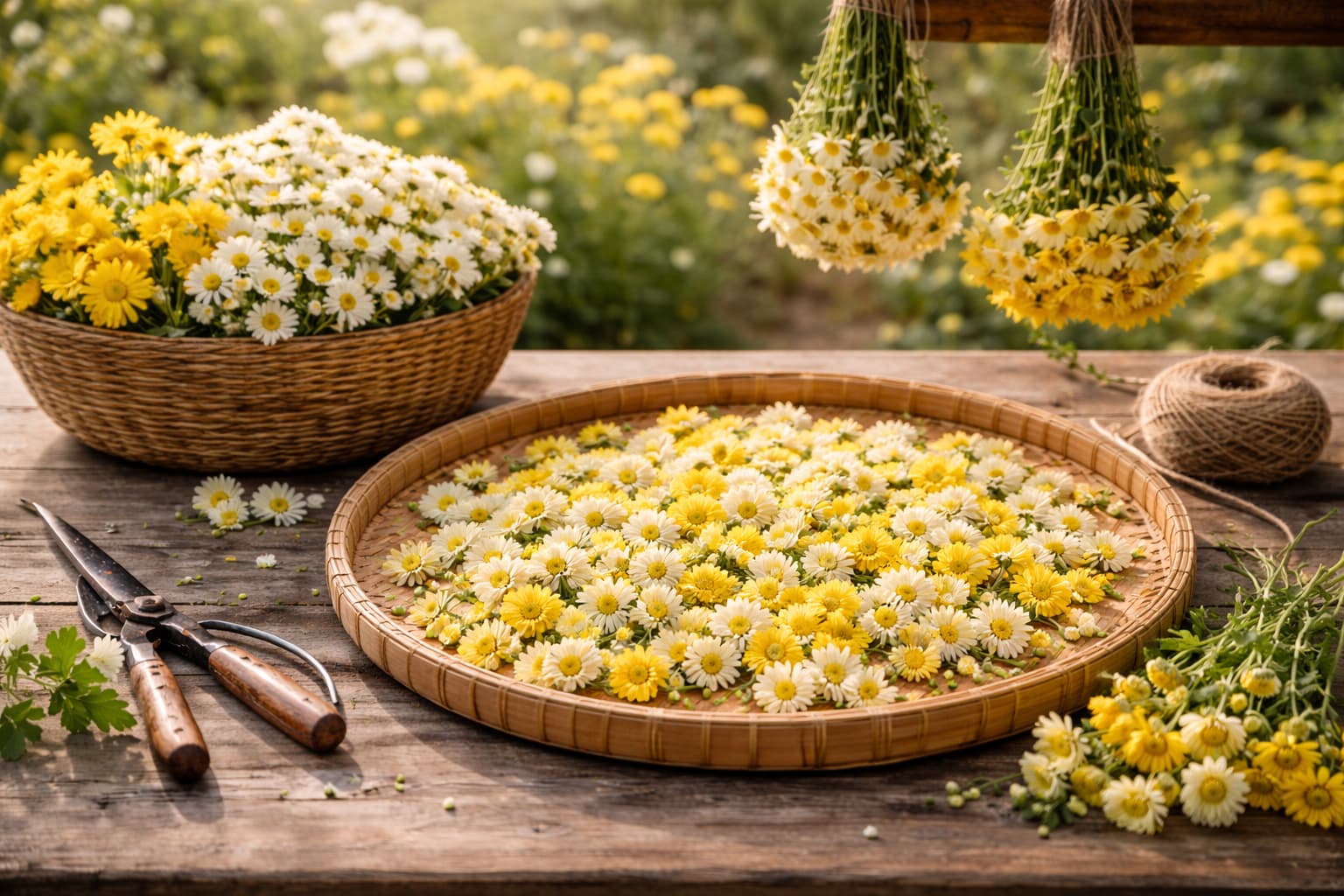
How to Dry Chrysanthemum Flowers for Tea—A Simple, Step-by-Step Guide for Home GardenersHow to Dry Chrysanthemum Flowers for Tea—A Simple, Step-by-Step Guide for Home Gardeners
From fresh blooms to a shelf-stable flower tea—gently and safely. Why Drying Chrysanthemum Flowers Matters Once you’ve learned how to grow chrysanthemums for tea and chosen the right varieties,
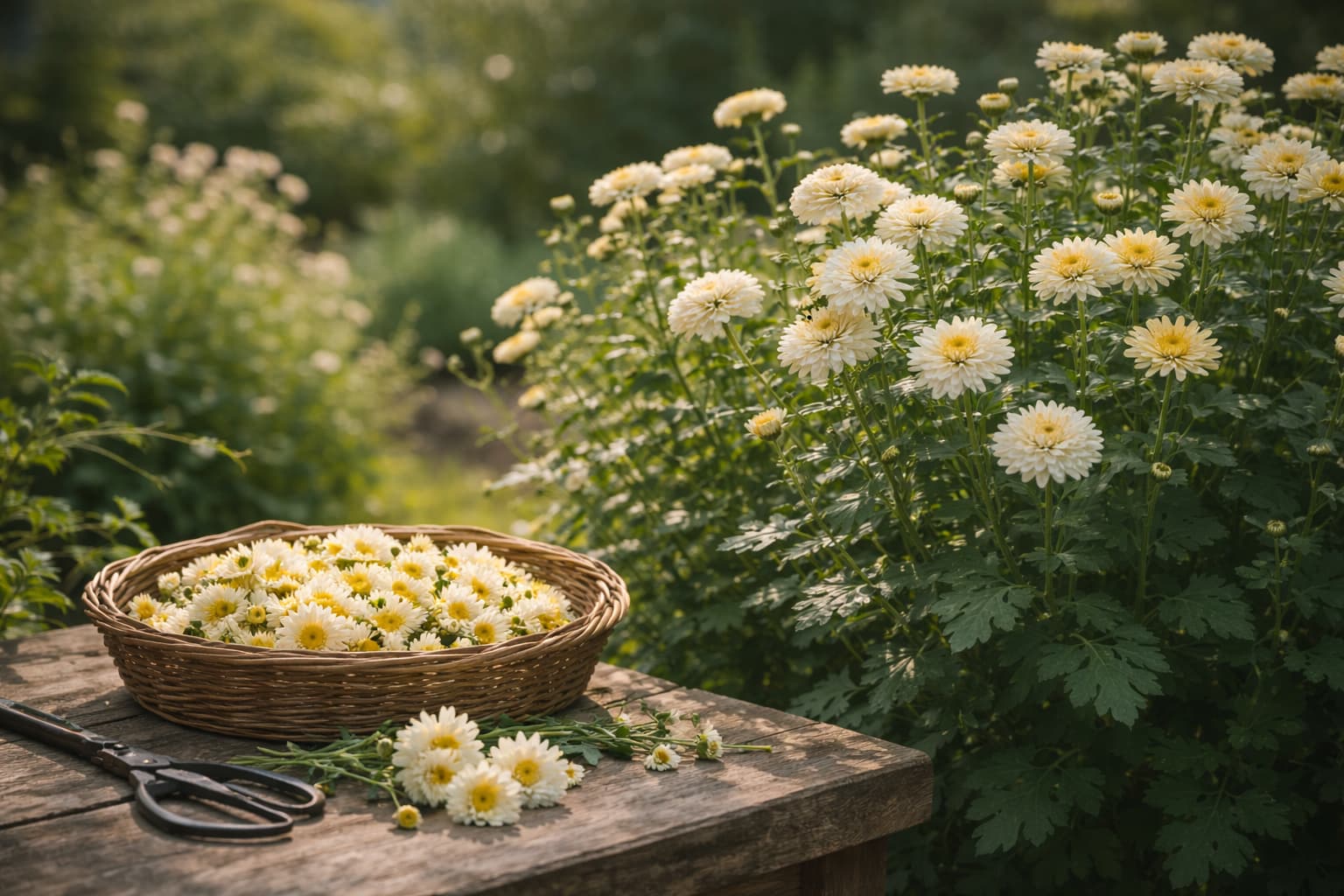
Best Chrysanthemum Varieties for TeaBest Chrysanthemum Varieties for Tea
Beginner-Friendly Choices for Home Gardens Not all chrysanthemums are the same—and that matters when you’re growing them for tea. Why Variety Choice Matters for Chrysanthemum Tea After learning how
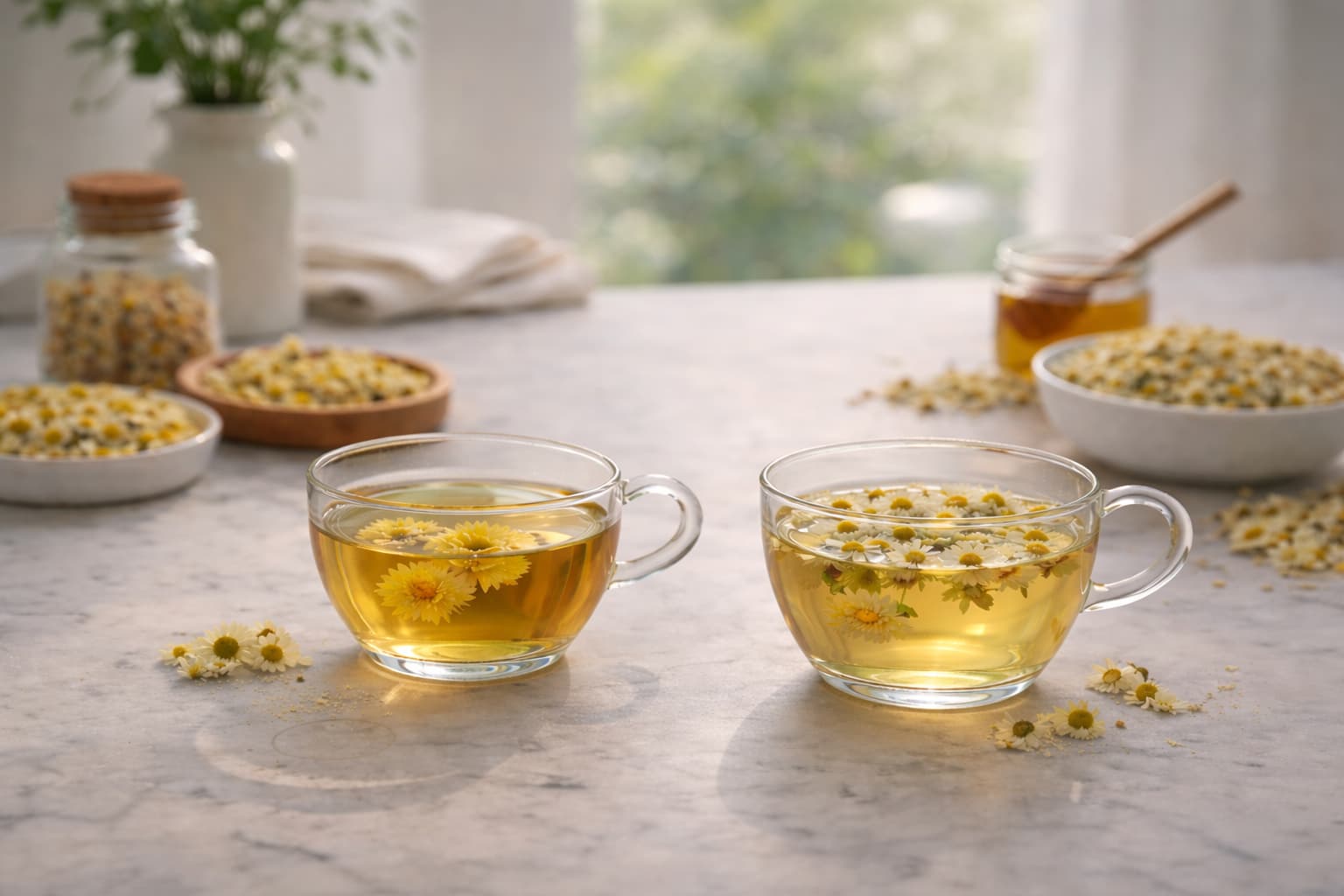
Chrysanthemum Tea vs Chamomile Tea:Which Gentle Flower Tea Is Right for You?Chrysanthemum Tea vs Chamomile Tea:Which Gentle Flower Tea Is Right for You?
Two calming classics. Different flavors, different moments. Why People Compare Chrysanthemum Tea and Chamomile After learning about chrysanthemum tea benefits, one of the most common next searches is: “Chrysanthemum
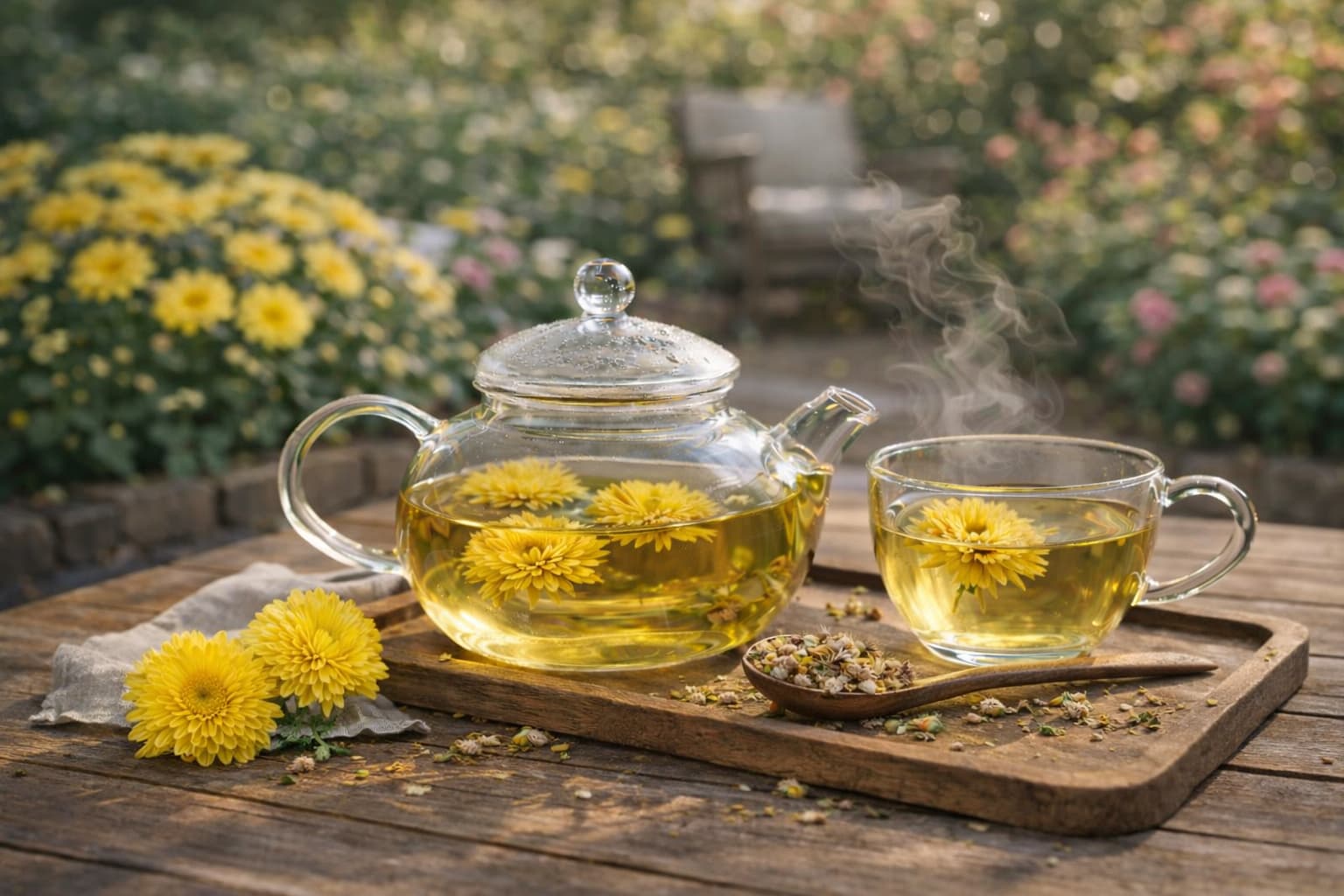
Chrysanthemum Tea Benefits: 5 Gentle Reasons Americans Are Adding It to Their Daily RitualChrysanthemum Tea Benefits: 5 Gentle Reasons Americans Are Adding It to Their Daily Ritual
Why Chrysanthemum Tea Is Trending Again in the U.S. If you’ve noticed chrysanthemum tea popping up in wellness cafés, quiet tea corners, and even home gardens lately—you’re not imagining it.
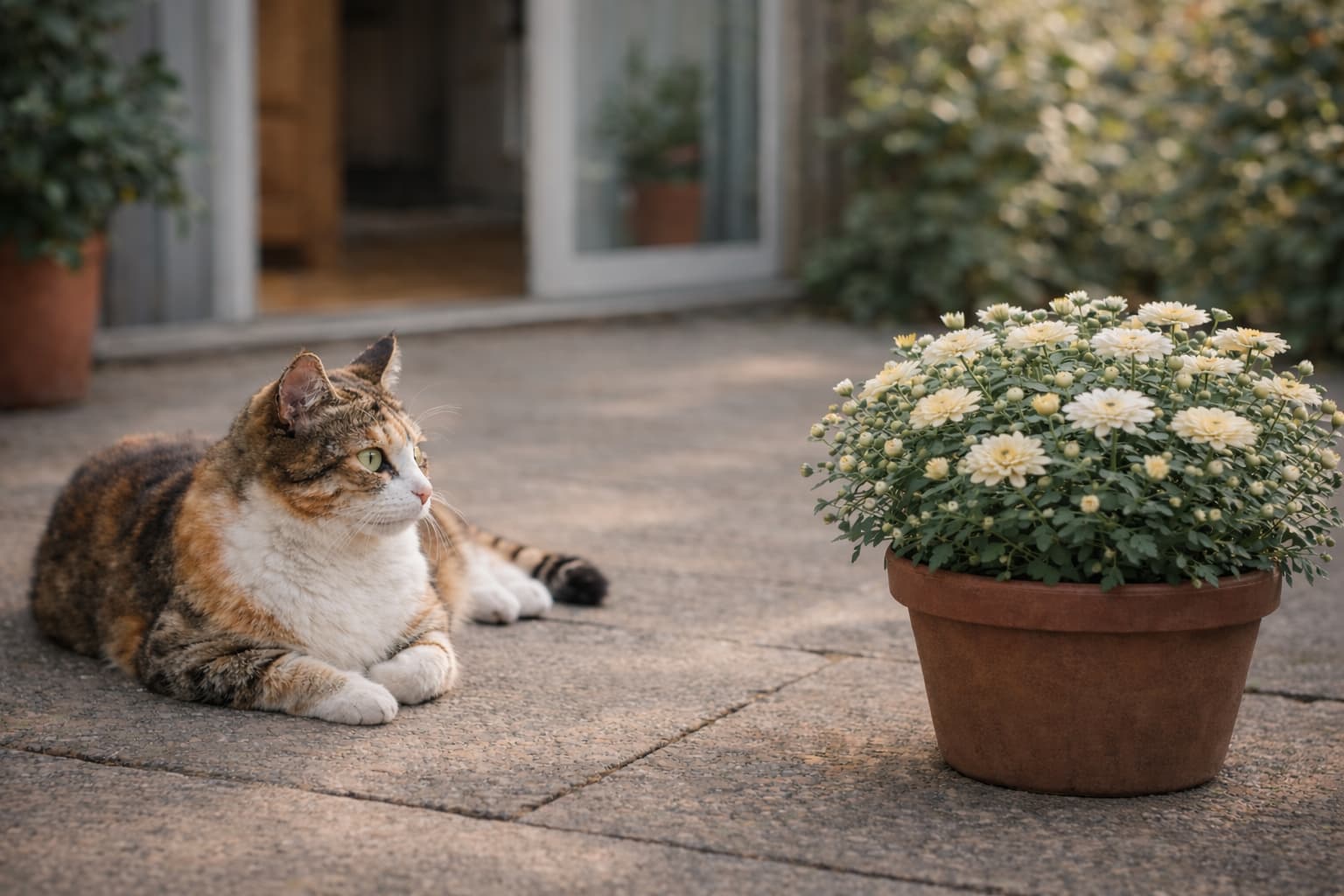
Are Chrysanthemums Toxic to Cats? What Pet Owners Need to KnowAre Chrysanthemums Toxic to Cats? What Pet Owners Need to Know
Chrysanthemums—often called mums—are a favorite in fall gardens and seasonal décor. But if you live with cats, it’s important to know that chrysanthemums are toxic to cats and can pose
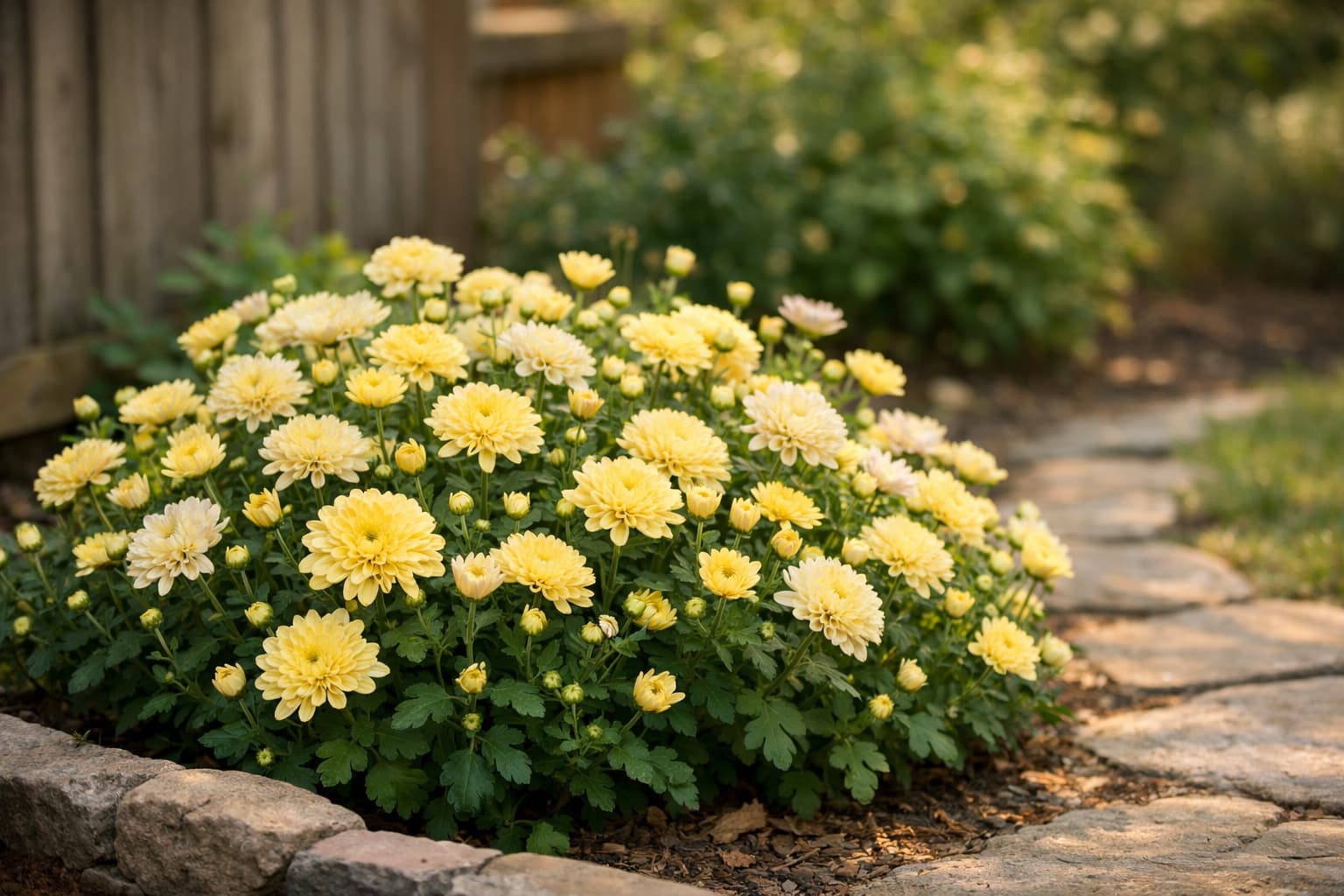
What Is a Chrysanthemum?—A Complete Guide to Mums, Meanings, and CareWhat Is a Chrysanthemum?—A Complete Guide to Mums, Meanings, and Care
If you’ve ever walked past a garden center in fall, you’ve seen them everywhere — neat mounds of color labeled simply as “mums.” But what exactly is a chrysanthemum? A
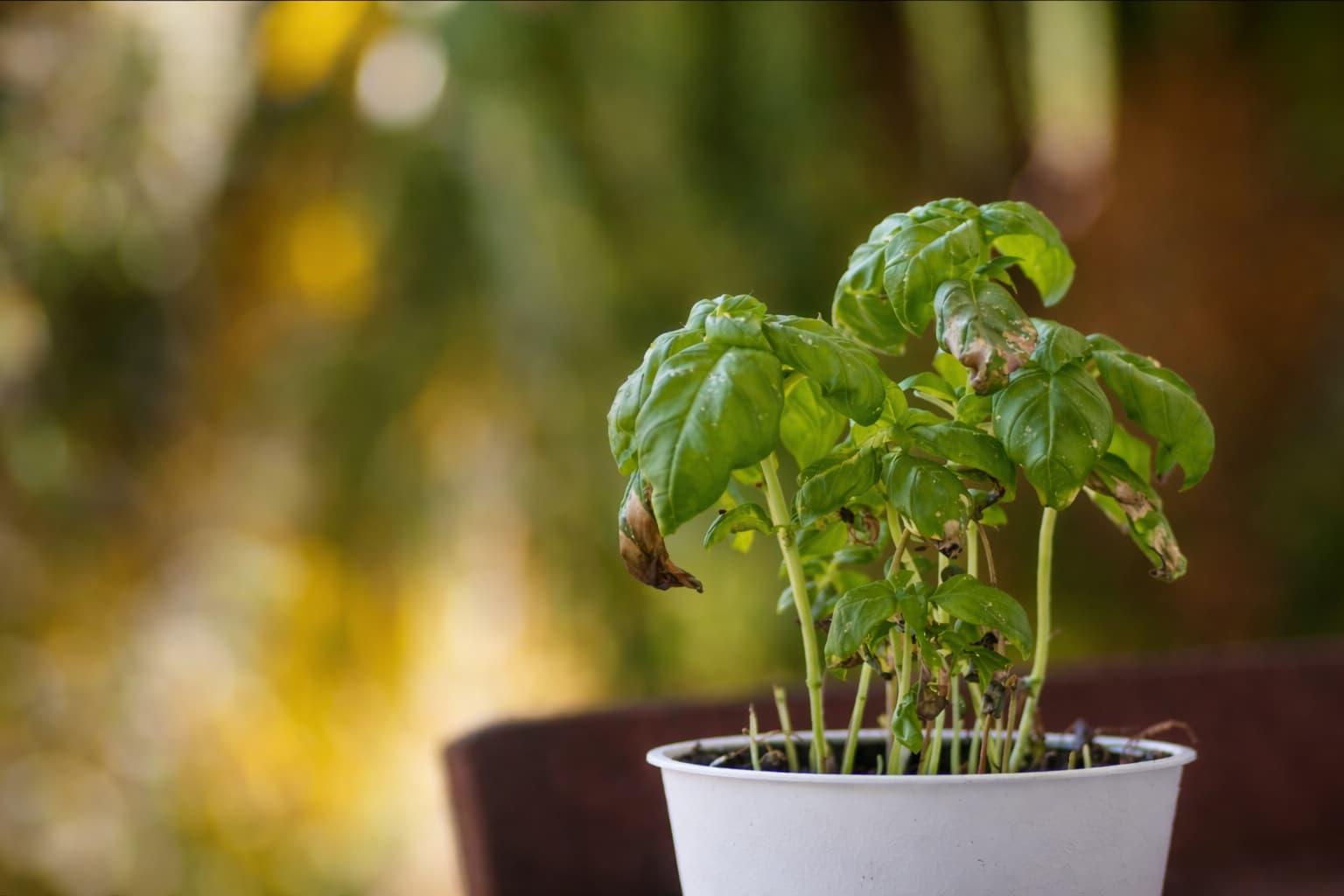
Why Is My Basil Dying?—7 Quiet Mistakes That Kill Basil Plants (And How to Fix Them)Why Is My Basil Dying?—7 Quiet Mistakes That Kill Basil Plants (And How to Fix Them)
7 Quiet Mistakes That Kill Basil Plants And How to Fix Them Basil has a reputation for being easy. Fast-growing. Fragrant. Forgiving. Yet few herbs frustrate gardeners more. One week
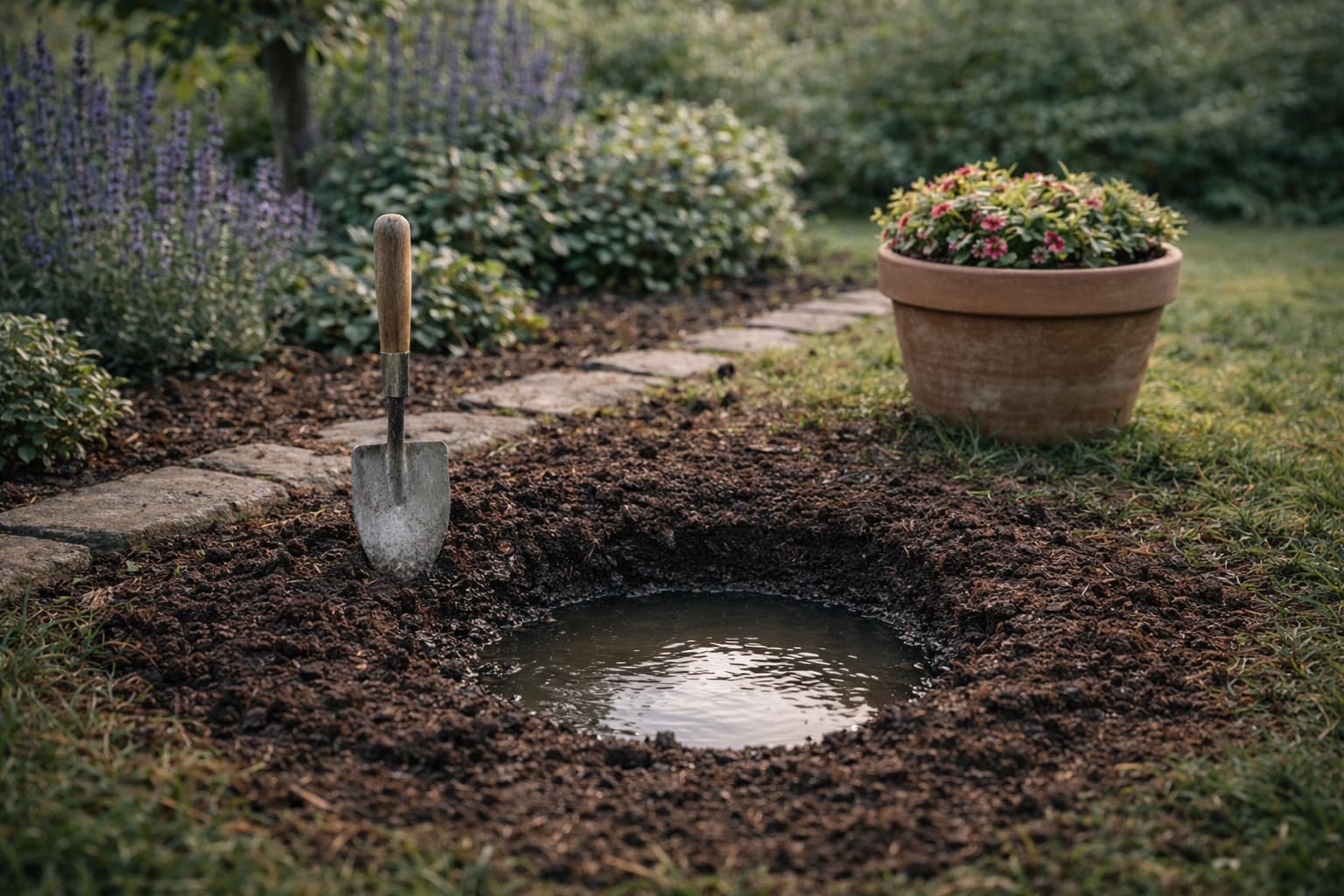
Start With the Soil: How to Read Drainage Before You Plant AnythingStart With the Soil: How to Read Drainage Before You Plant Anything
Intro|Why Most Planting Problems Start Underground When a plant struggles, we often look upward first. More sun. Less water. A different fertilizer. But in many gardens, the real problem is