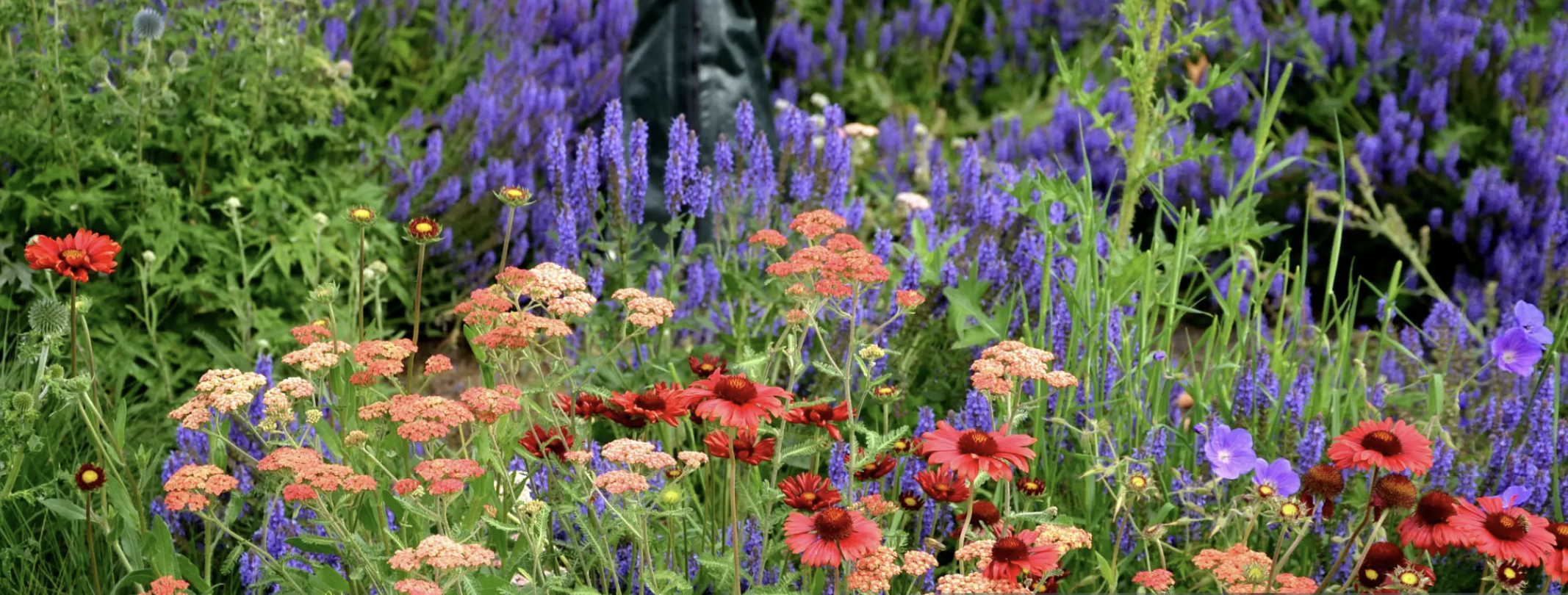
Why Drought-Tolerant Gardening Matters With rising temperatures, shrinking water reserves, and stricter watering bans in many regions, drought-tolerant gardening is more than a trend—it’s a climate-smart necessity. Choosing low-water perennials
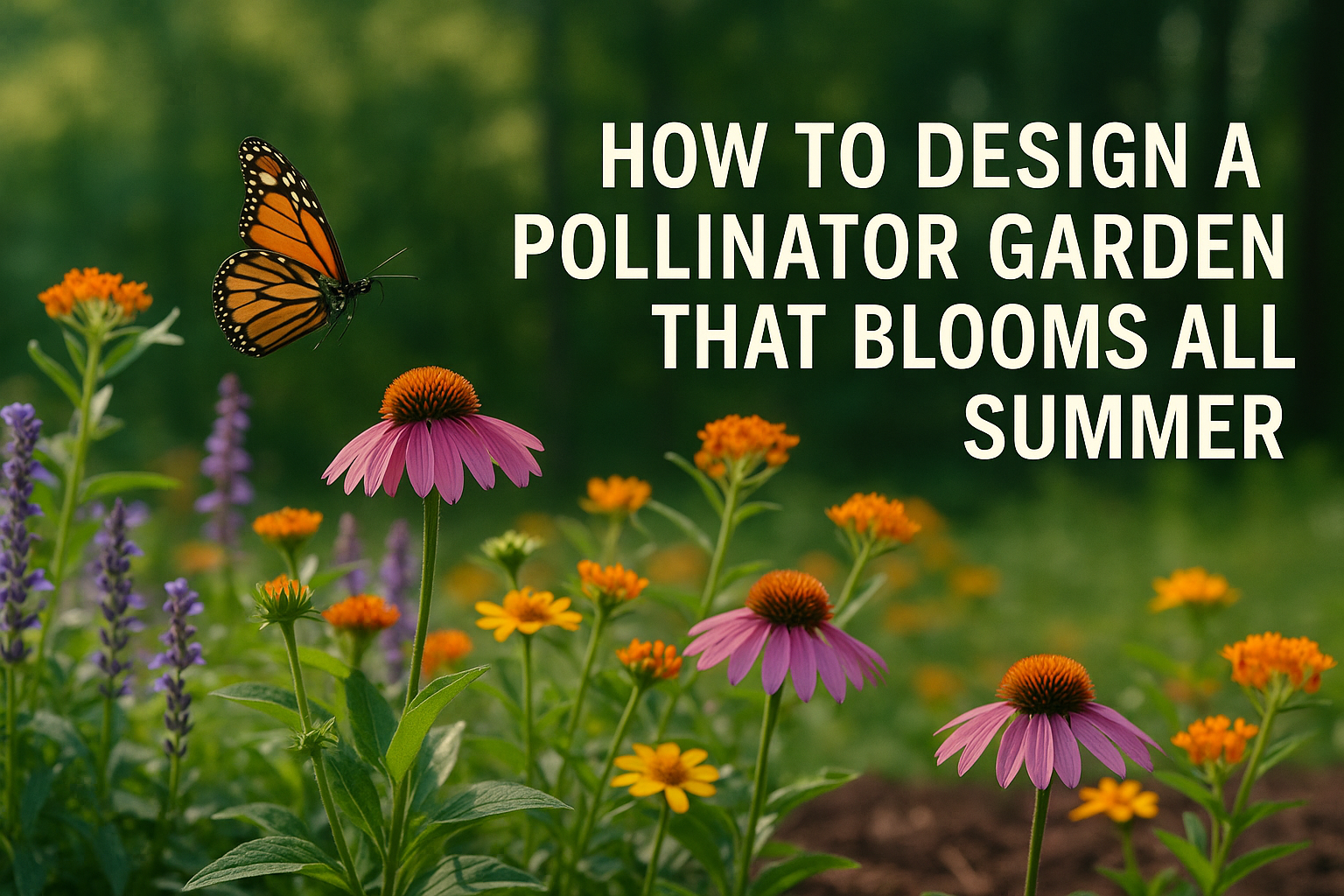
How to Design a Pollinator Garden That Blooms All SummerHow to Design a Pollinator Garden That Blooms All Summer
Why Pollinator Gardens Matter Pollinators like bees, butterflies, and hummingbirds are essential to food systems and ecosystems. Yet, habitat loss and pesticides threaten their survival. A pollinator garden is more
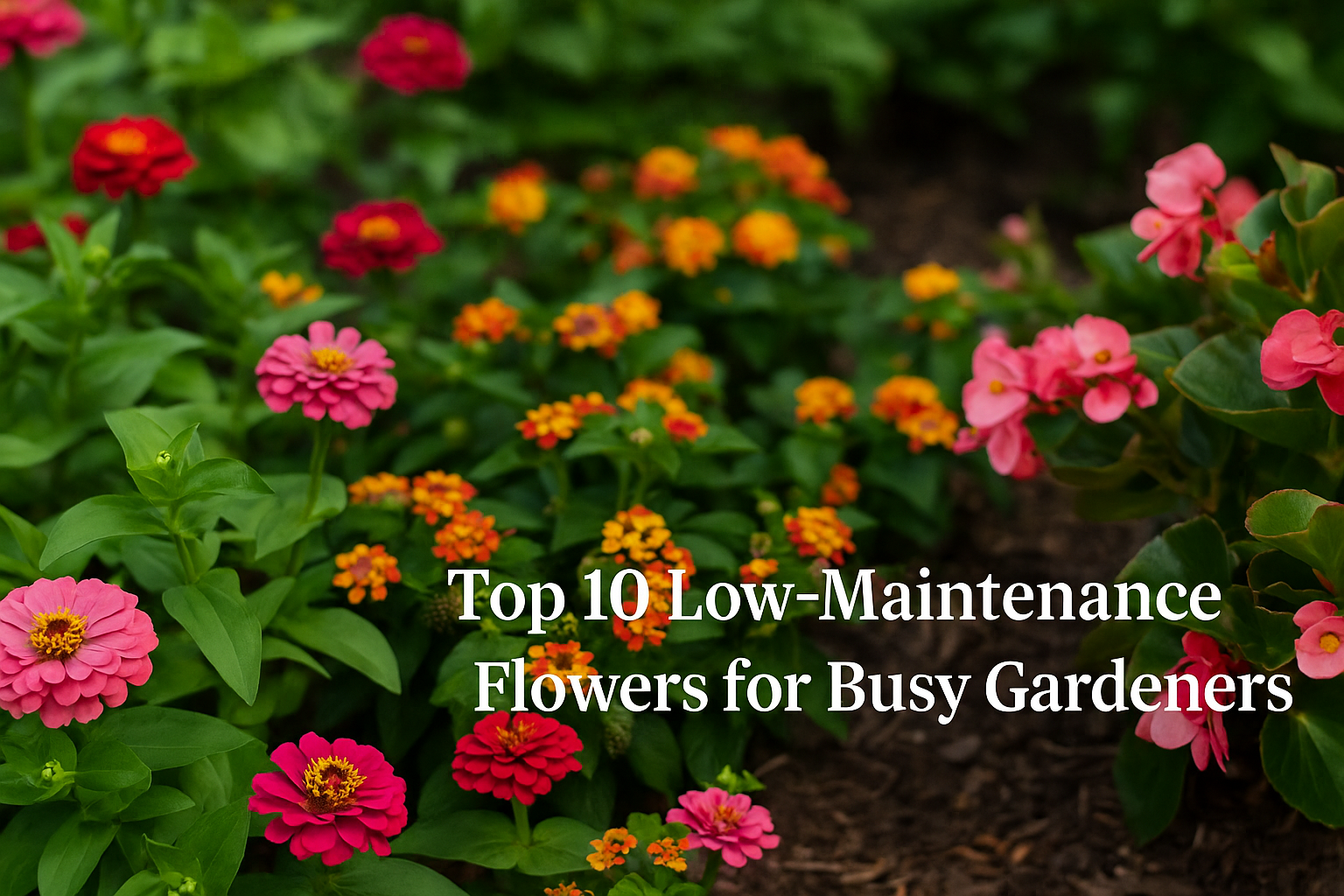
Top 10 Low-Maintenance Flowers for Busy GardenersTop 10 Low-Maintenance Flowers for Busy Gardeners
Busy but love flowers? Discover 10 no-fuss blooms that thrive in sun, shade, and even drought—perfect for container gardeners, beginners, or anyone short on time. Want a beautiful garden that
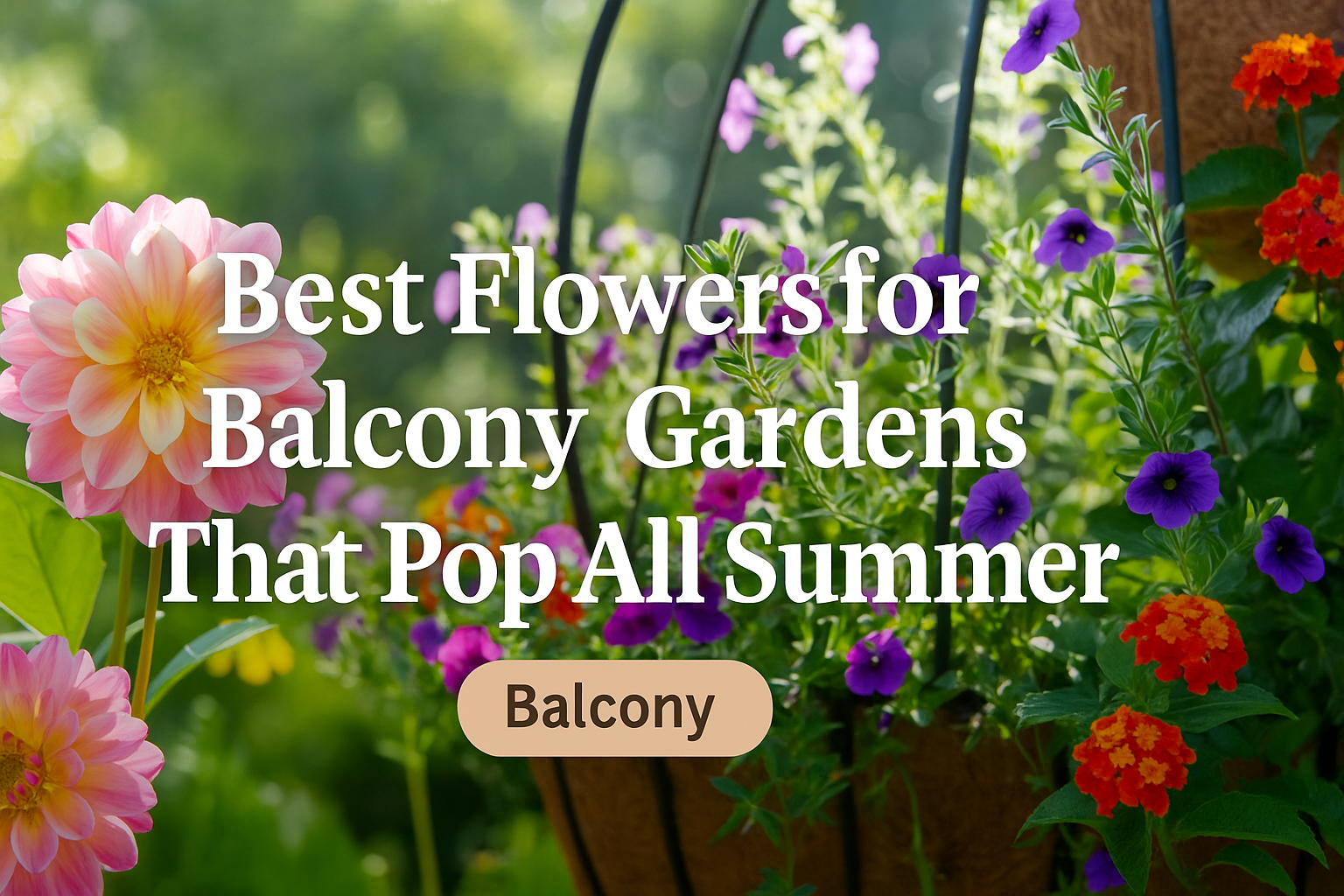
Best Flowers for Balcony Gardens That Pop All SummerBest Flowers for Balcony Gardens That Pop All Summer
Your balcony deserves more than a few dull pots—discover bold, beautiful blooms that thrive in containers, bask in sunshine, and deliver nonstop color. Whether you’re working with a compact urban
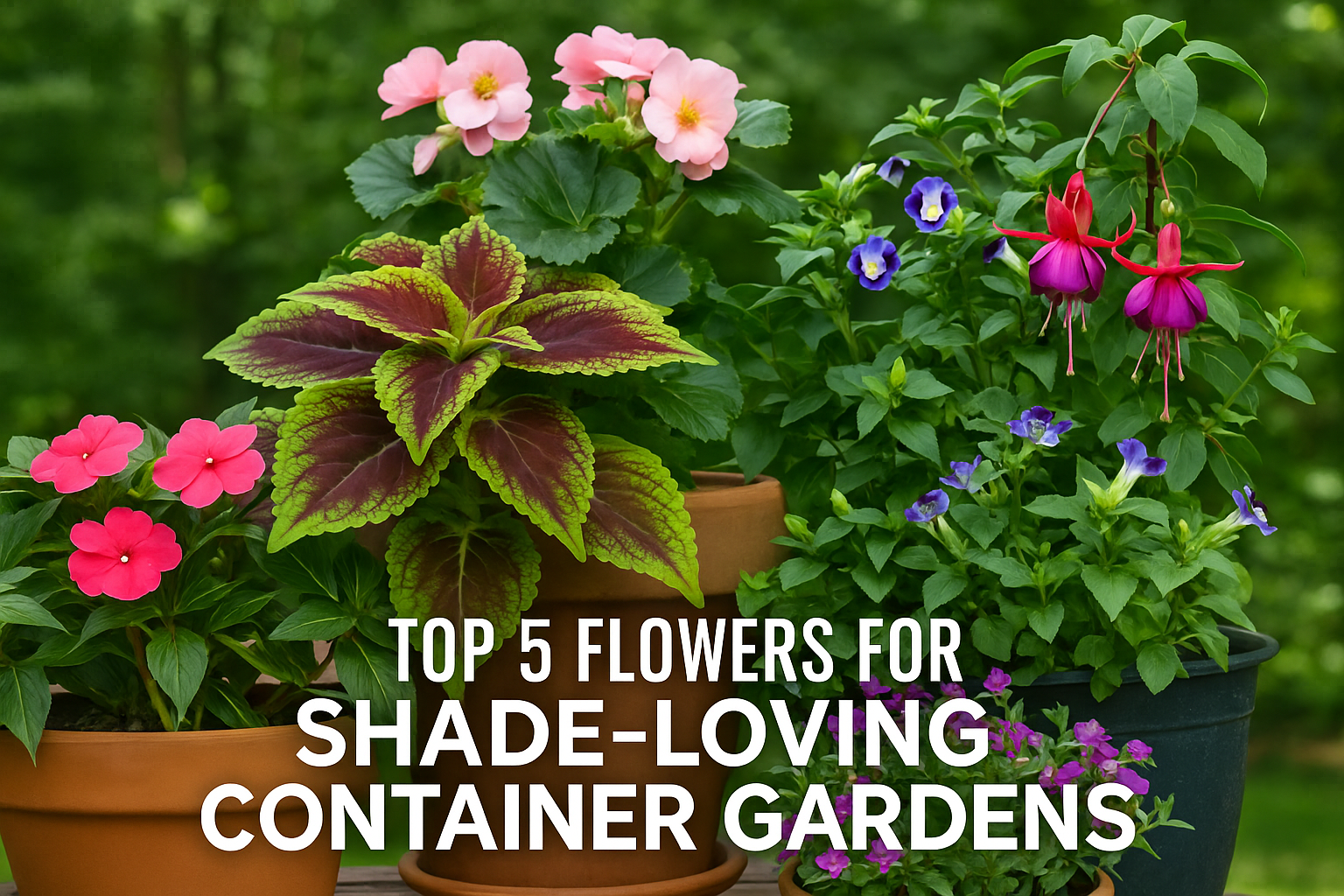
Top 5 Flowers for Shade-Loving Container GardensTop 5 Flowers for Shade-Loving Container Gardens
Why Shade-Loving Flowers Deserve a Spot on Your Patio Just because your garden doesn’t get full sun doesn’t mean you have to miss out on a colorful container display. In
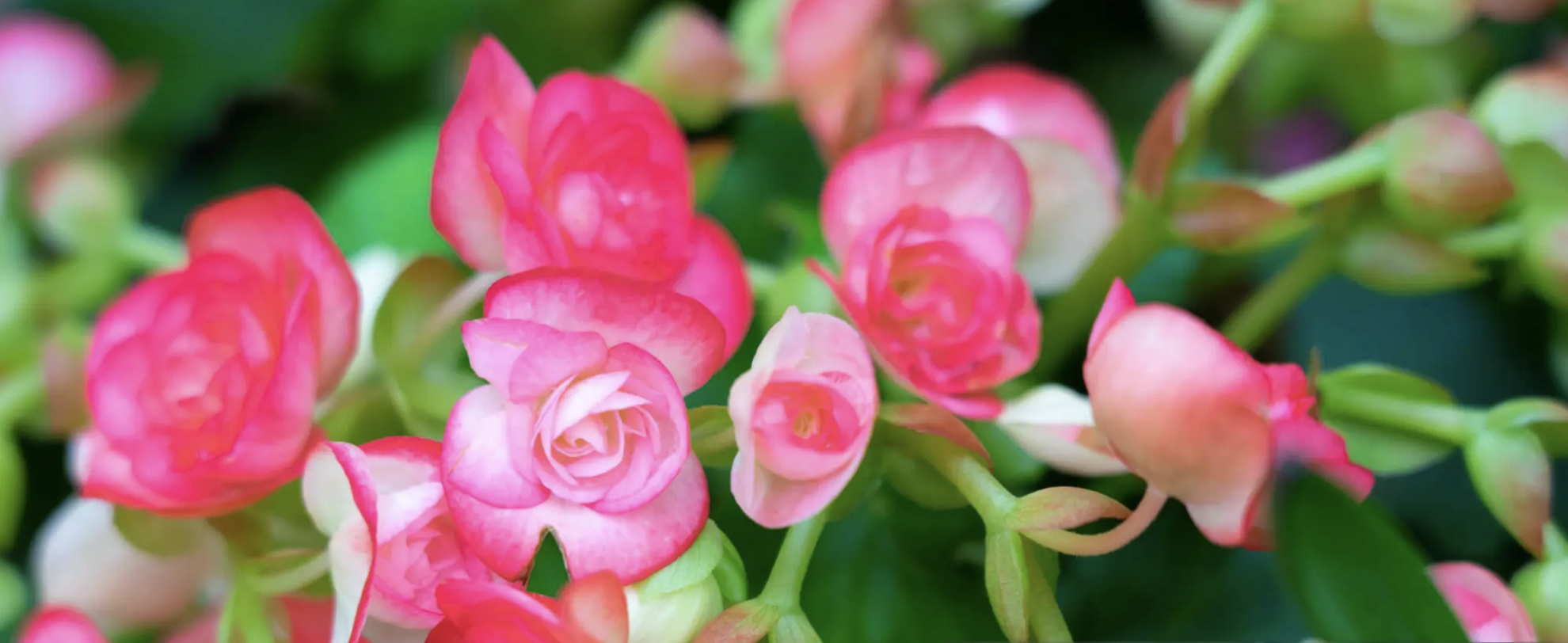
Begonia: The Shade-Loving Star That Brightens Every CornerBegonia: The Shade-Loving Star That Brightens Every Corner
If your garden, balcony, or porch receives more dappled light than full sun, Begonia may be your dream plant. With dazzling foliage, soft trailing habits, and long-lasting blooms, Begonias (Begonia

Zinnia: The Joyful Heat-Lover That Brings Summer to LifeZinnia: The Joyful Heat-Lover That Brings Summer to Life
Looking to fill your garden with bold color, effortless cheer, and pollinator-friendly blooms? Enter the world of Zinnias—sun-kissed superstars that thrive in heat, bloom relentlessly, and bring instant happiness to
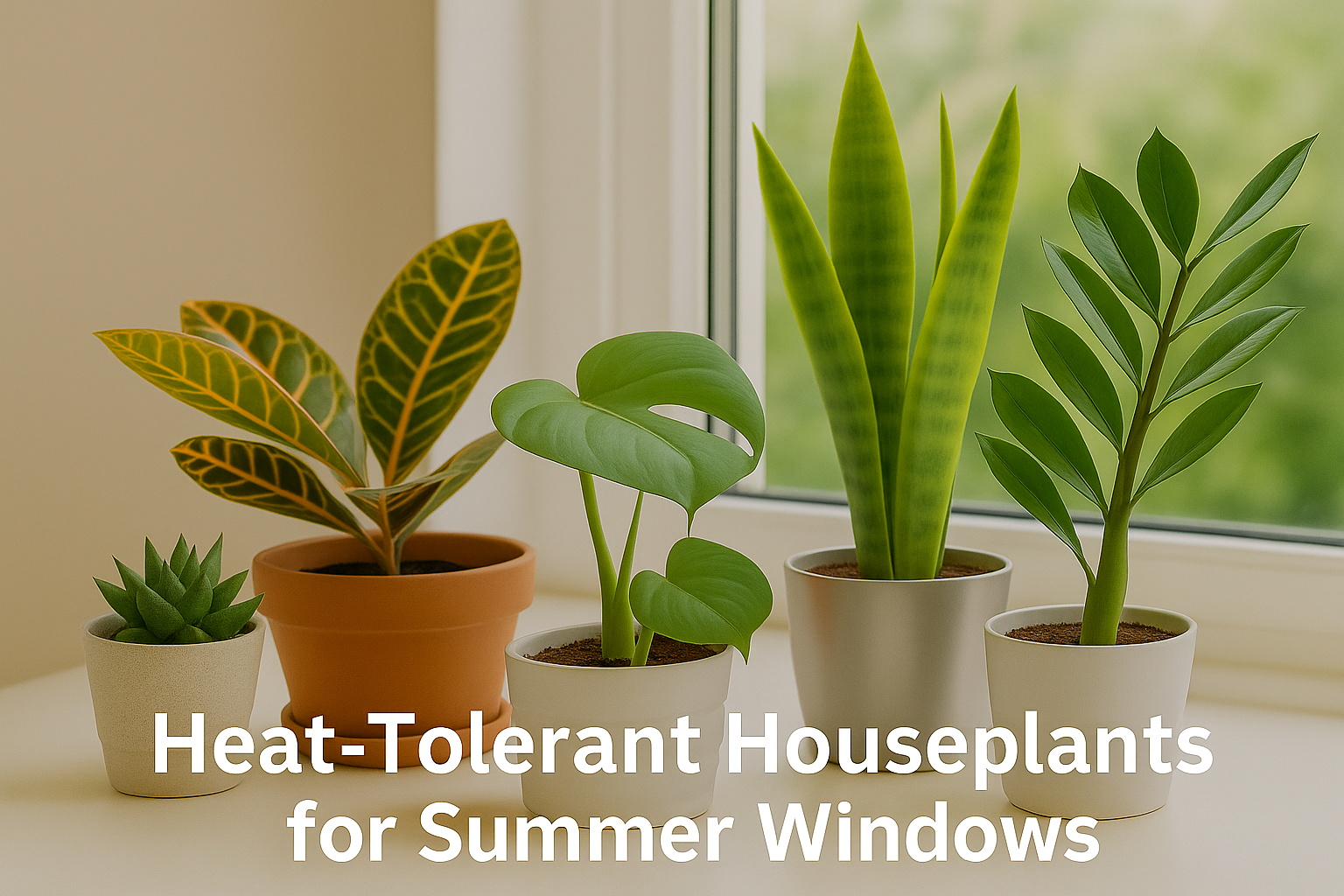
Top 5 Heat-Tolerant Houseplants for Summer WindowsTop 5 Heat-Tolerant Houseplants for Summer Windows
Top 5 Heat-Tolerant Houseplants for Summer Windows Summer sunshine is a gift, but for indoor plants, it can become a stress test—especially for those perched on bright, south-facing windowsills. The
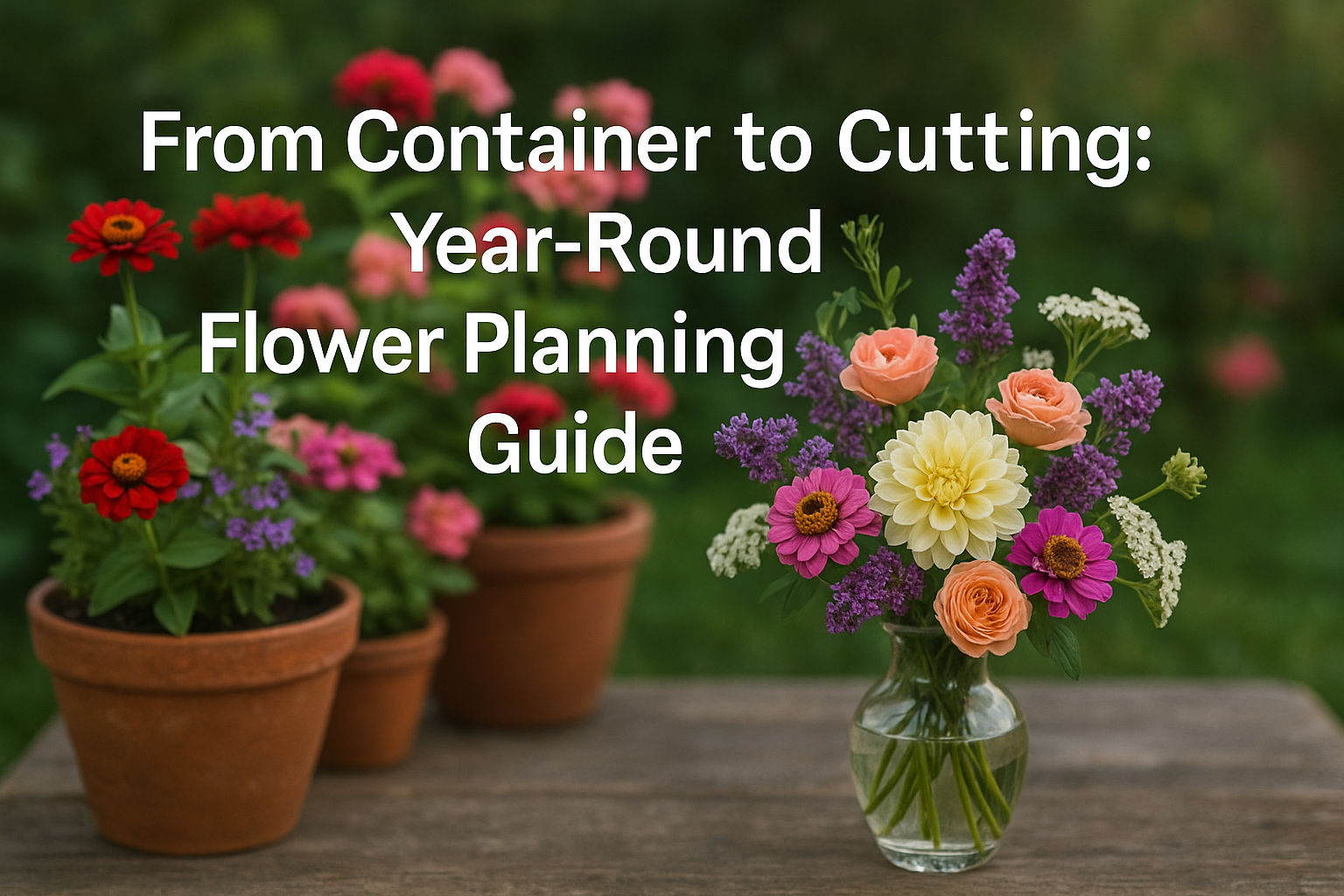
From Container to Cutting: Year-Round Flower Planning GuideFrom Container to Cutting: Year-Round Flower Planning Guide
Why Plan a Year-Round Flower Garden? If you’ve ever stared at an empty planter in February or wished your garden had more to cut from in August, this guide is

Is Your Houseplant Overheating? Fix It in 60 Seconds!Is Your Houseplant Overheating? Fix It in 60 Seconds!
Your indoor jungle might be sizzling—and it’s not your imagination. When temperatures rise past 85°F (29°C) indoors, your leafy companions face real danger. Here's how to spot the signs, avoid