Maple Tree Care: A Year-Round Guide to Japanese, Red, and Sugar Maples
Learn how to plant, water, prune, and troubleshoot maple trees through every season, including practical guidance for Japanese, red, sugar, Amur, and paperbark maples.
Quick Summary
Maple trees (Acer spp.) are among the most planted ornamental and shade trees in North America — and for good reason. They offer four-season interest, come in sizes from 6-foot dwarfs to 80-foot giants, and deliver some of the most spectacular fall color in the plant world. But maples also have specific needs that, if ignored, lead to the problems gardeners complain about most: brown, crispy leaves on Japanese maples, trees that won't leaf out in spring, disappointing fall color, and branches dying back for no obvious reason. This guide covers everything from planting and pruning to diagnosing the most common maple problems — so your tree thrives through every season.
In This Guide
- Best Maple Varieties for Every Garden
- How to Plant a Maple Tree the Right Way
- Complete Maple Tree Care Guide
- Season-by-Season Care Calendar
- How to Prune a Maple Tree Without Ruining It
- Japanese Maple Care: The Deep Dive
- 6 Common Maple Tree Problems (and How to Fix Them)
- Growing Maples in Containers
- Frequently Asked Questions
Best Maple Varieties for Every Garden
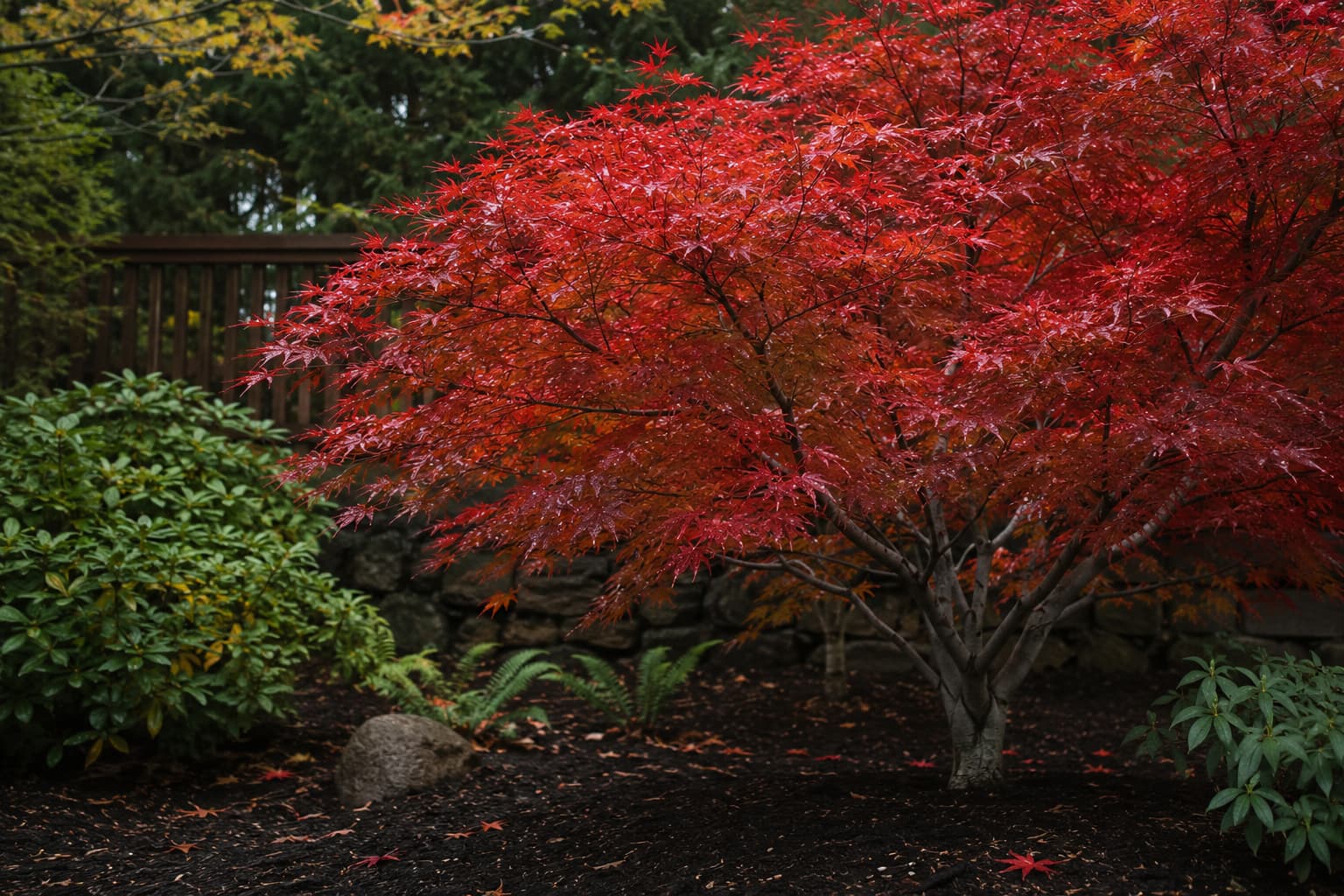
There are over 130 species of maple, plus thousands of cultivars. The right one depends on your space, climate, and what you want from the tree. Here are the five most practical choices for home gardeners, organized by what they're best at.
| Variety | Best For | Mature Size | Key Feature | Zone |
|---|---|---|---|---|
| Japanese Maple (Acer palmatum) |
Small gardens, patios, focal points | 6–25 ft | Delicate, sculptural form; hundreds of cultivars in red, green, and variegated | 5–8 |
| Red Maple (Acer rubrum) |
Medium to large yards, fast shade | 40–70 ft | Brilliant red fall color; fast grower; native to eastern North America | 3–9 |
| Sugar Maple (Acer saccharum) |
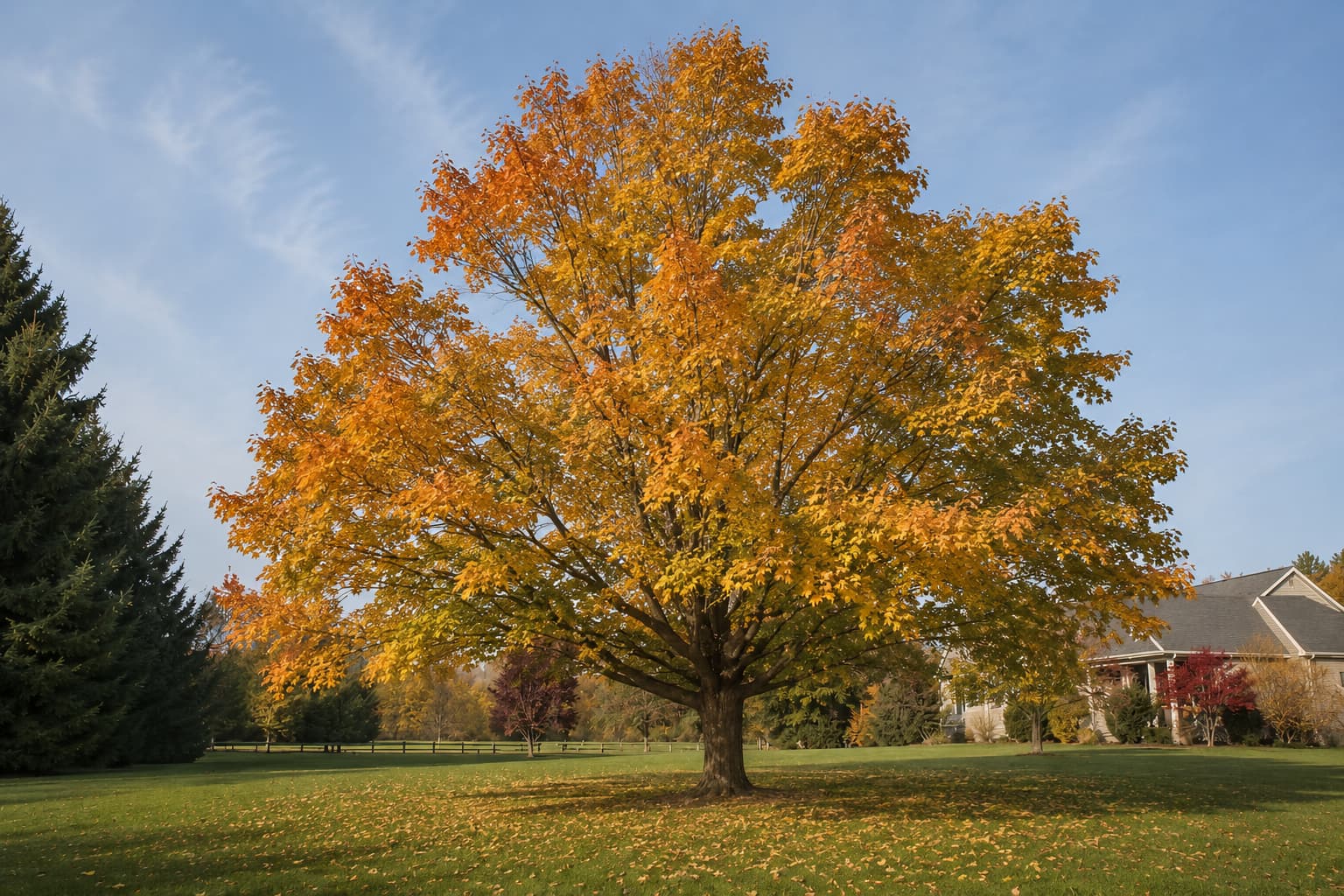
Large properties, fall color, maple syrup | 60–75 ft | Iconic orange-red fall display; the tree behind maple syrup | 3–8 |
| Amur Maple (Acer ginnala) |
Cold climates, small yards, hedges | 15–20 ft | Exceptional cold hardiness; scarlet fall foliage; can be grown as a large shrub | 2–8 |
| Paperbark Maple (Acer griseum) |
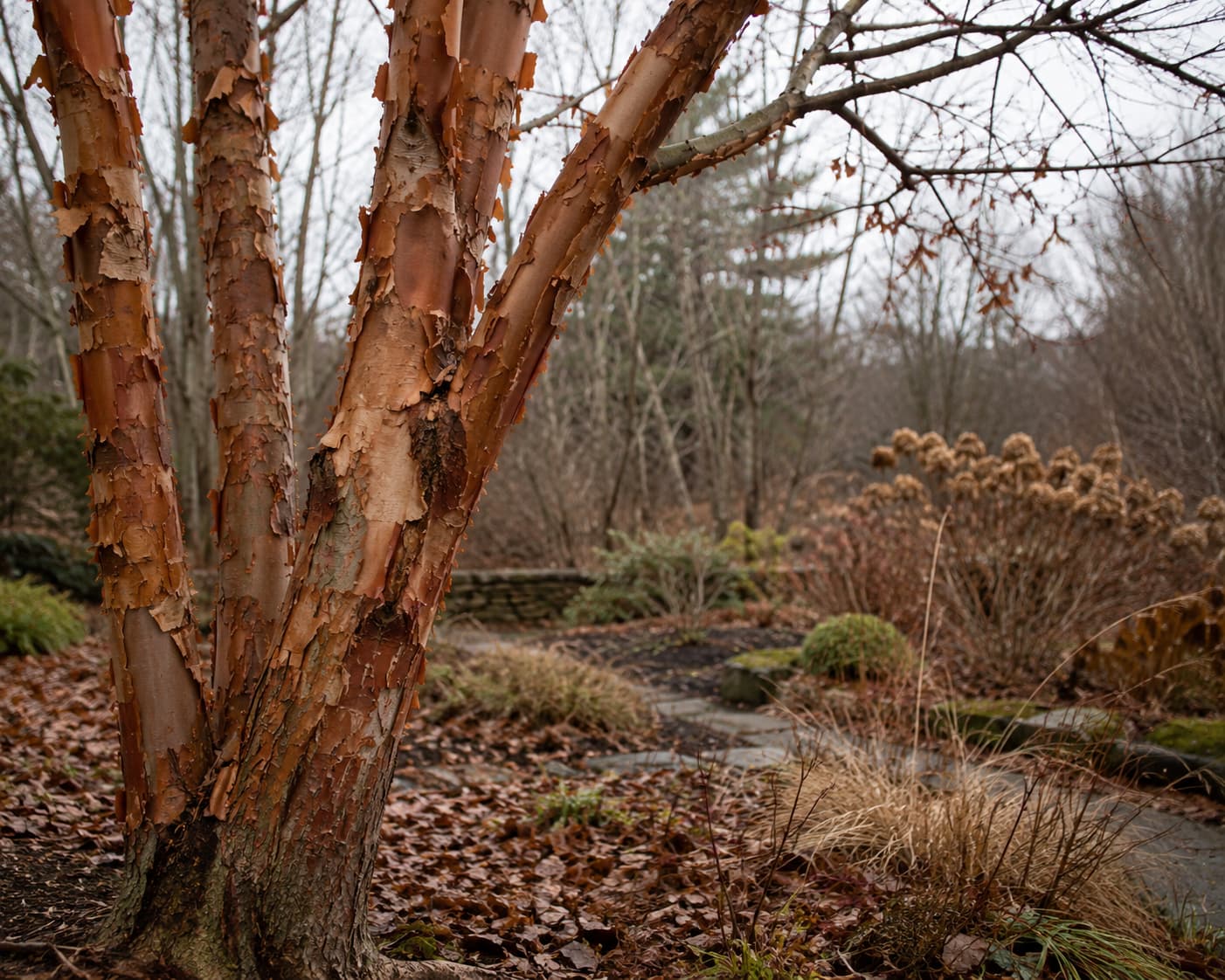
Winter interest, specimen tree | 20–30 ft | Cinnamon-colored peeling bark; stunning year-round; slow grower | 4–8 |
Picking the Right Size Maple
The #1 mistake people make with maples — especially Japanese maples — is planting a tree that will outgrow its space. Always check the mature height and spread on the tag, not the size of the tree in the pot. A Japanese maple labeled "Bloodgood" might be 3 feet tall at the nursery but will reach 15–20 feet in 15 years. If you're planting near a house, under power lines, or in a small courtyard, choose a dwarf or compact cultivar specifically.
How to Plant a Maple Tree the Right Way
Planting is the single most important moment in a maple's life. Do it wrong and the tree will struggle for years — or die within the first two. Here's what actually matters, based on what arborists wish homeowners knew.
When to Plant
Early spring (after the ground thaws but before leaves emerge) or early fall (September to mid-October, at least 6 weeks before the first hard frost). These windows give roots time to establish before the stress of summer heat or winter cold. Avoid planting in midsummer — the heat stress on a newly transplanted maple is brutal.
Where to Plant
- Full sun to partial shade. Most maples color best with at least 6 hours of direct sun. Japanese maples benefit from afternoon shade in Zones 7 and warmer.
- Well-drained soil is non-negotiable. Most maples perform poorly in persistently waterlogged soil. If water pools and sits after rain, improve drainage before planting or choose a different spot.
- Away from buildings and utilities. Check the mature spread and give the tree that much room from structures, driveways, and septic lines. Surface roots can heave sidewalks and foundations over time.
Planting Depth: The Most Common Mistake
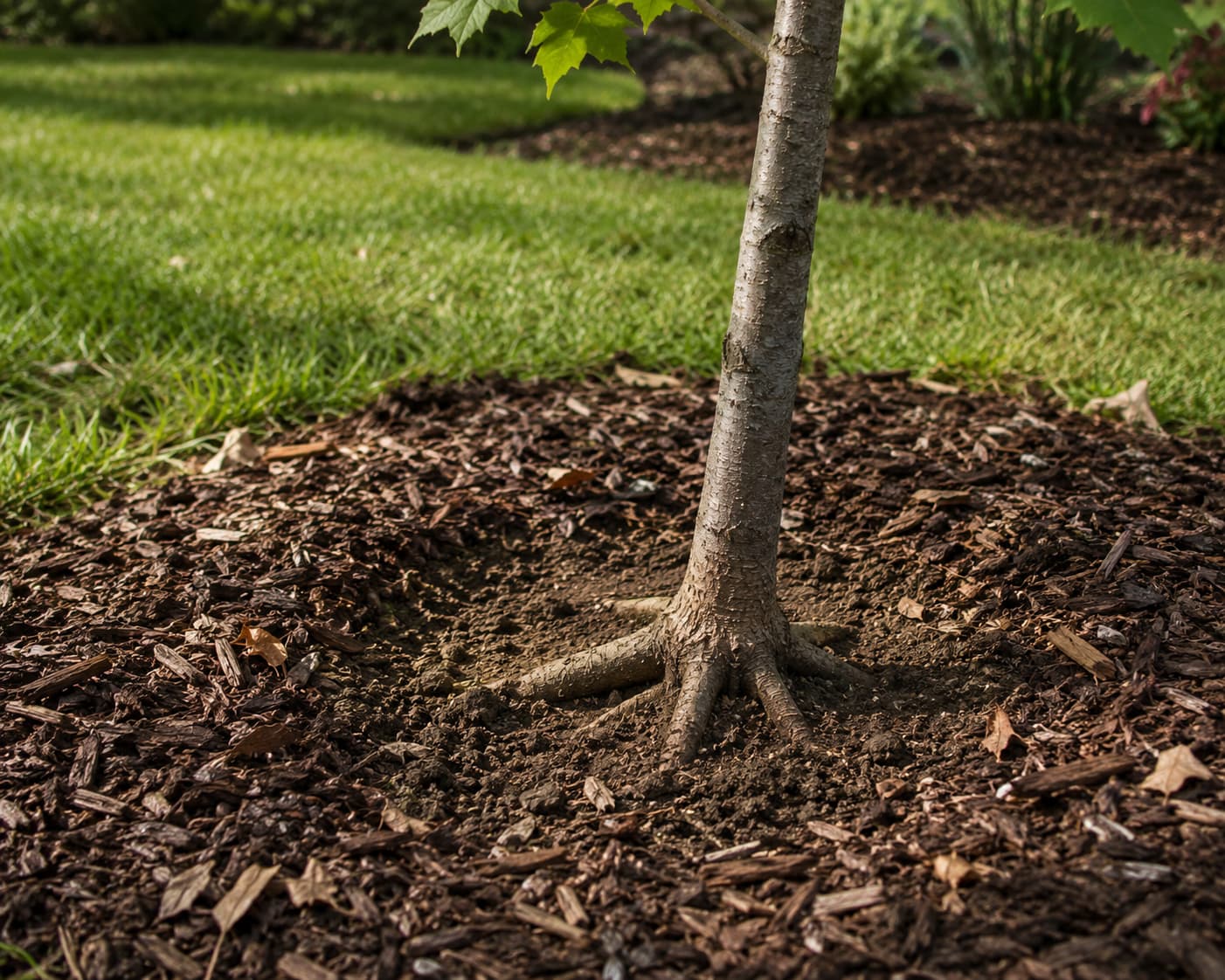
Planting too deeply is one of the most damaging and preventable maple-tree mistakes. The root flare — where the trunk widens at the base before the roots begin — must be visible above the soil line. If your tree looks like a telephone pole going straight into the ground, it's planted too deep.
Here's the correct method:
- Dig a hole 2–3 times wider than the root ball, but no deeper than the root ball's height.
- Remove the tree from its container and gently loosen circling roots. If roots are tightly wrapped, make 3–4 vertical cuts with a clean knife to prevent girdling.
- Place the tree so the root flare sits 1–2 inches above the surrounding soil grade — it will settle slightly.
- Backfill with the same soil you dug out. Don't amend the planting hole with compost or rich soil — it encourages roots to stay in the hole instead of spreading outward.
- Water deeply to settle the soil, then apply 2–3 inches of mulch around the root zone, keeping it 3–4 inches away from the trunk.
The Mulch Volcano
Piling mulch against the trunk — the infamous "mulch volcano" — traps moisture against the bark, causing rot, inviting pests, and eventually girdling the tree. It's one of the most common and destructive mistakes in landscaping. Mulch should look like a donut (flat with a hole in the center), never a volcano.
Complete Maple Tree Care Guide
Watering
Young trees (first 2–3 years): Deep, weekly watering is essential. A slow trickle from the hose for 30–60 minutes is better than a quick spray — you want water to penetrate 12–18 inches deep. During hot, dry spells, water twice a week.
Established trees: Mature maples are moderately drought-tolerant but benefit from a deep soaking every 2–4 weeks during extended dry periods. Signs of drought stress include wilting, leaf edges turning brown, and premature leaf drop.
Japanese maples: Need consistent moisture but will not tolerate soggy soil. This is the delicate balance that trips up so many gardeners — they're more sensitive to both underwatering and overwatering than other maples.
Fertilizing
Maples generally need minimal fertilizer. If your tree has healthy leaf color and steady growth, don't fertilize at all. If growth is slow or leaves are pale, apply a balanced slow-release fertilizer (like 10-10-10) in early spring before leaves emerge.
Too Much Nitrogen = Less Fall Color
Excess nitrogen pushes lush green growth at the expense of autumn color. If your maple's fall display has been underwhelming and you fertilize your lawn nearby, lawn fertilizer runoff may be the culprit. Keep lawn fertilizer at least 10 feet from the tree's drip line.
Mulching
Apply a 2–3 inch layer of shredded bark, wood chips, or leaf mold in a ring extending to the drip line (or at least 3 feet out for young trees). Benefits: retains soil moisture, suppresses weeds, moderates soil temperature, and — critically — keeps lawn mowers and string trimmers away from the trunk.
Season-by-Season Care Calendar
| Season | What the Tree Does | What You Should Do |
|---|---|---|
| Spring | Buds swell, leaves emerge, sap rises. Some species produce small flowers that feed early pollinators. | Prune (before sap flows heavily), apply fertilizer if needed, check for winter damage, refresh mulch. This is the best season for planting new maples. |
| Summer | Full canopy, active growth. Trees provide shade and structure. | Deep water during dry spells, watch for leaf scorch (especially Japanese maples), remove any dead or broken branches. Do not do major pruning in summer. |
| Autumn | Chlorophyll breaks down, revealing reds, oranges, and golds. Leaves eventually drop. | Enjoy the show. Rake and compost fallen leaves (or leave them as natural mulch). Plant new trees in early fall. This is your second planting window. |
| Winter | Dormant. Bare branches reveal the tree's structure. | Late winter is the ideal time for structural pruning. Protect container maples from hard freezes. Check for frost cracks or storm damage after severe weather. |
How to Prune a Maple Tree Without Ruining It
Pruning maples intimidates a lot of gardeners — and for good reason. Bad pruning permanently disfigures a tree. But good pruning, done at the right time with the right technique, improves health, structure, and beauty.
When to Prune
Late winter to very early spring — before buds break but after the coldest weather has passed. This is when the tree is fully dormant and you can see its structure clearly. Sap will bleed from pruning cuts, especially on sugar and red maples — this looks alarming but does not harm the tree.
Avoid pruning in late spring when sap flow is at its peak, and never do major pruning in summer or fall — open wounds attract pests and diseases during the growing season.
What to Remove (in This Order)
- Dead, diseased, or broken branches — cut back to healthy wood or to the branch collar
- Crossing or rubbing branches — they create wounds that invite disease
- Branches growing inward toward the center of the tree
- Water sprouts and suckers — vigorous vertical shoots from the trunk or base
- Low branches that interfere with walking, mowing, or sight lines — but only if necessary
How to Make a Proper Cut
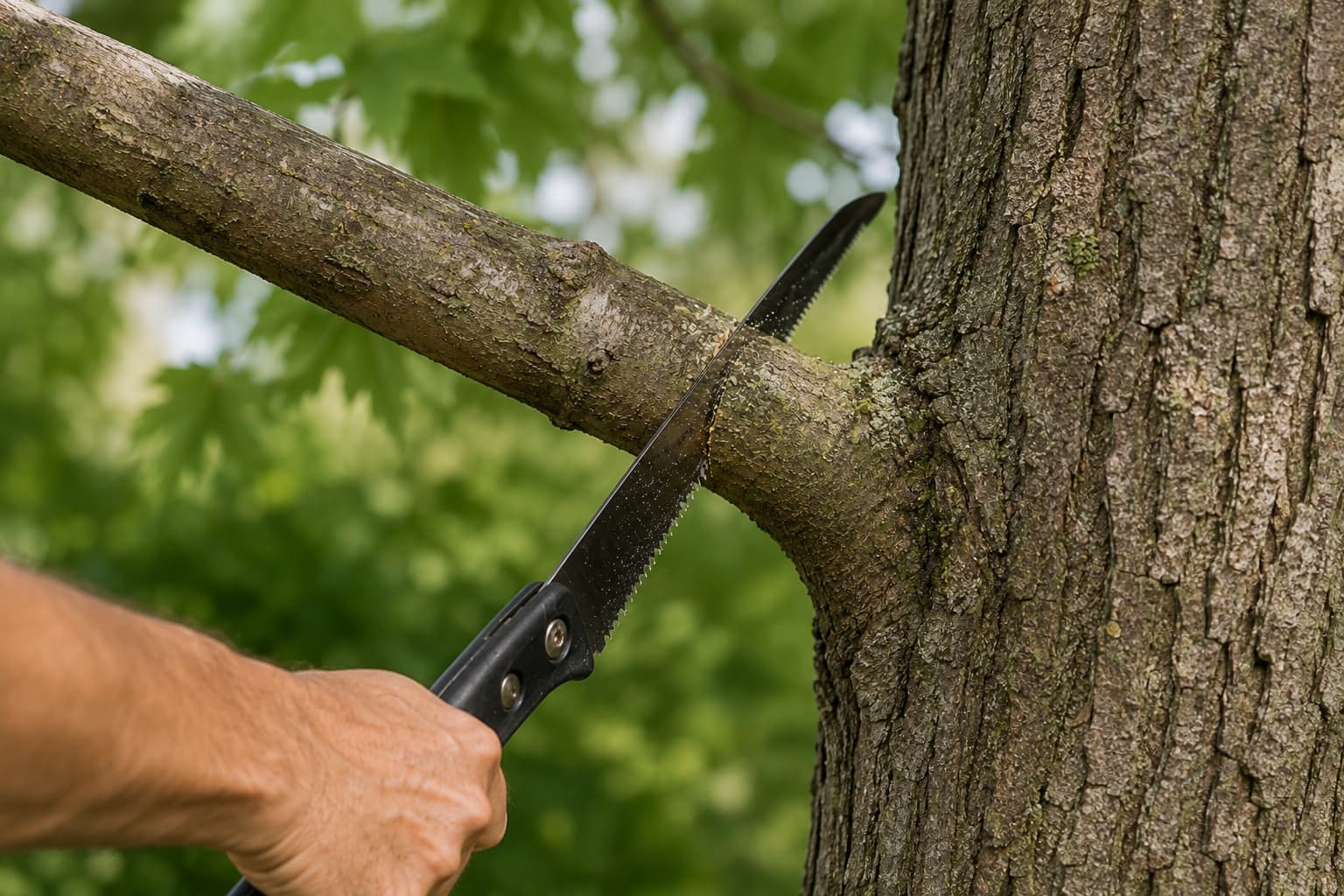
Cut just outside the branch collar — the slightly swollen ring where a branch meets the trunk. Don't cut flush with the trunk (removes the collar and slows healing). Don't leave a long stub (invites rot and looks terrible). The branch collar contains the cells that will seal the wound — protect it.
Japanese Maple Pruning Is Different
Japanese maples need a lighter touch. Their beauty comes from their natural, sculptural form — heavy pruning destroys it. Focus on removing only dead wood, crossing branches, and anything that disrupts the tree's layered silhouette. Step back frequently to assess the overall shape. When in doubt, prune less. You can always take more off later; you can't put it back.
Japanese Maple Care: The Deep Dive
Japanese maples (Acer palmatum) deserve their own section because they have specific needs that differ from larger landscape maples — and because they're the subject of more desperate gardening forum posts than any other maple.
Light: The Delicate Balance
In Zones 5–6, Japanese maples thrive in full sun to partial shade. In Zones 7–8, they need morning sun and afternoon shade — hot afternoon sun scorches their delicate leaves. In Zone 9, plant in dappled shade or on the north side of a structure.
The general rule: the finer and more dissected the leaves (laceleaf varieties), the more shade they need. Broad-leaf cultivars like 'Bloodgood' tolerate more sun than laceleaf types like 'Crimson Queen.'
Water: Consistent, Never Soggy
Japanese maples have shallow, fibrous root systems that dry out faster than you'd expect. They need consistent moisture — but their roots rot quickly in waterlogged soil. This is the tightrope. Check the soil regularly: it should feel like a wrung-out sponge, not a soaked one. Mulching is especially important for Japanese maples because it stabilizes soil moisture and temperature.
Wind Protection
Japanese maples hate drying winds, which desiccate their fine leaves and can cause extensive leaf scorch. Plant them in a sheltered location — near a building, fence, or larger shrubs that buffer the wind without casting too much shade. This one factor can make the difference between a Japanese maple that looks crisp and healthy all summer and one that's brown-edged by July.
Top Japanese Maple Cultivars for Beginners
| Cultivar | Type | Mature Size | Fall Color | Why It's Good for Beginners |
|---|---|---|---|---|
| 'Bloodgood' | Upright, broad-leaf | 15–20 ft | Crimson red | Tough, adaptable, holds deep red color all season |
| 'Osakazuki' | Upright, broad-leaf | 15–20 ft | Brilliant scarlet | Often called the best fall color of any Japanese maple |
| 'Crimson Queen' | Weeping, laceleaf | 8–10 ft | Bright crimson | Classic weeping form, stays compact, reliable color |
| 'Sango-kaku' | Upright, broad-leaf | 15–20 ft | Golden yellow | Coral-red bark in winter — stunning four-season interest |
| 'Shishigashira' | Upright, compact | 8–12 ft | Gold to orange | Dense, upright form fits small spaces; very distinctive crinkled leaves |
6 Common Maple Tree Problems (and How to Fix Them)
Based on the questions gardeners ask most often — on Reddit, in forums, and at garden centers — here are the six most frequent maple problems, what causes them, and what to do about each.
1. Leaf Scorch (Brown, Crispy Leaf Edges)
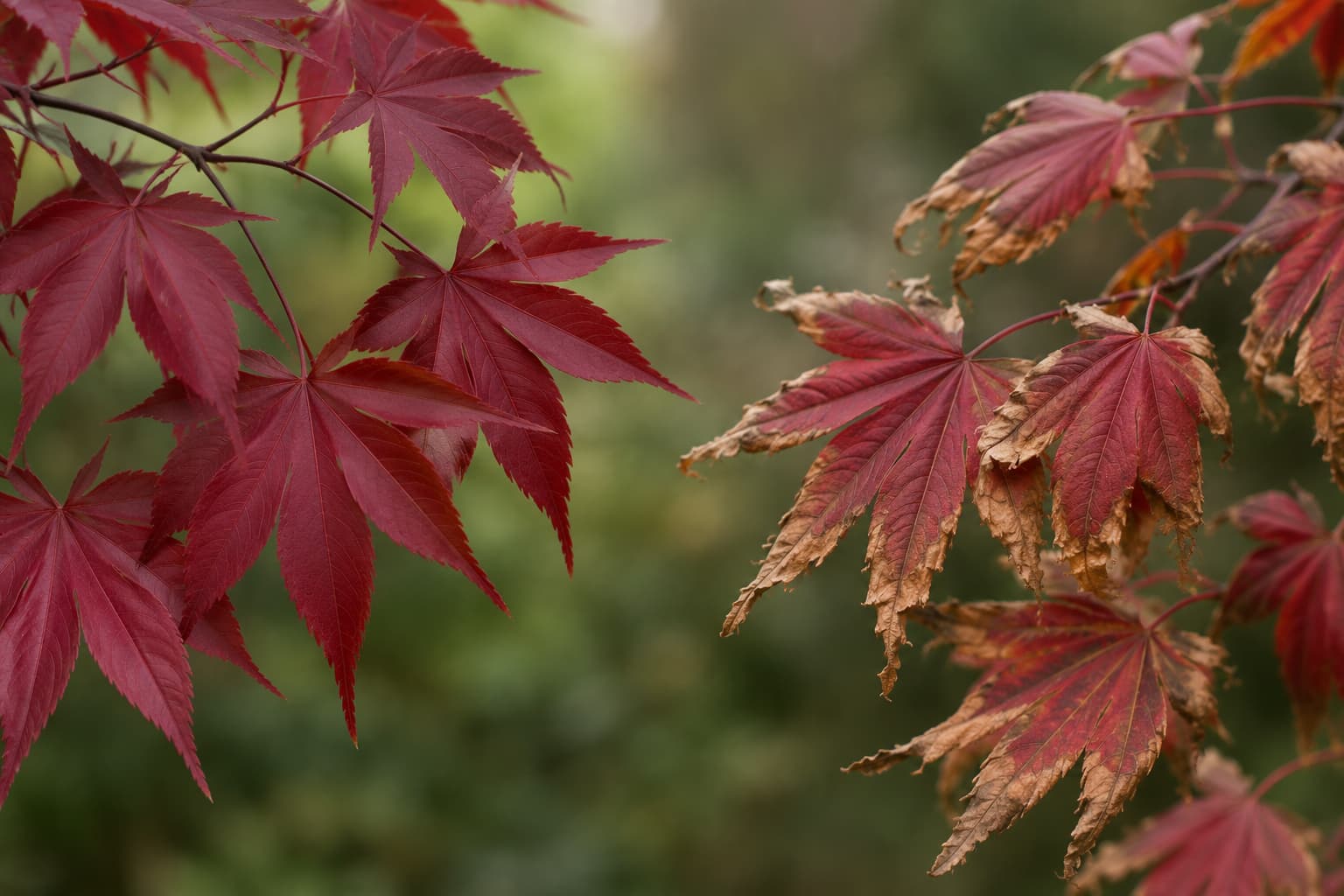
What it looks like: Leaf margins turn brown and crispy, starting at the tips and edges. Most common on Japanese maples, especially laceleaf varieties.
Causes: Hot, dry wind; intense afternoon sun; underwatering; or salt buildup in soil. The leaves are losing water faster than the roots can replace it.
Fix: Move potted trees to afternoon shade. For in-ground trees, improve watering consistency and mulch depth. Wind protection helps enormously. Leaf scorch is almost never a disease — it's environmental stress. Address the conditions and new leaves will come in healthy.
2. Verticillium Wilt
What it looks like: An entire branch (or section of the tree) suddenly wilts, leaves turn brown and stay attached, and the branch dies back. If you cut into an affected branch, you may see dark streaking in the wood.
Causes: A soil-borne fungus (Verticillium spp.) that enters through roots and blocks the tree's vascular system. It can live in soil for years.
Fix: There is no reliable home-garden cure once Verticillium wilt is established. Prune out dead branches promptly (sterilize tools between cuts). Keep the tree well-watered and lightly fertilized to support its immune response — stressed trees succumb faster. In severe cases, remove the tree and do not replant another maple in the same spot — the fungus persists in soil.
3. Tar Spot
What it looks like: Black, raised, tar-like spots on leaves, typically appearing in mid to late summer. Most common on Norway and red maples.
Causes: A fungal pathogen (Rhytisma spp.) that overwinters in fallen leaves and releases spores in spring.
Fix: Tar spot is cosmetic, not fatal. It looks terrible but rarely harms the tree. The most effective control is to rake up and dispose of all fallen leaves in autumn — this breaks the disease cycle. Fungicide sprays are generally not recommended for home gardeners.
4. Maple Not Leafing Out in Spring
What it looks like: In spring, some or all branches remain bare while nearby trees are fully leafed out.
Causes: Winter injury (especially after an unusually cold or dry winter), verticillium wilt, root damage from construction or compaction, or girdling roots that have wrapped around the trunk underground.
Fix: First, do the scratch test: scrape a small patch of bark with your fingernail. If the tissue underneath is green and moist, the branch is alive and may just be slow to leaf out. If it's brown and dry, the branch is dead — prune it back to live wood. If more than 50% of the tree is dead, it may not be worth saving.
5. Poor Fall Color
What it looks like: Leaves turn a dull brown or drop without showing the brilliant reds, oranges, and golds you expected.
Causes: Too much nitrogen (often from lawn fertilizer), insufficient sunlight, drought stress in late summer, or unusually warm autumn weather. Fall color is triggered by the combination of shortening days, cooling temperatures, and adequate soil moisture in late summer and early fall.
Fix: Reduce or eliminate lawn fertilizer near the tree. Ensure the tree gets at least 6 hours of sun. Keep the tree adequately watered through late summer and early fall — drought-stressed trees often drop leaves early with little color.
6. Surface Roots and Heaving
What it looks like: Large roots emerging above the soil surface, sometimes lifting sidewalks, driveways, or lawn areas.
Causes: This is natural for many maple species — especially silver and red maples — and is often made worse by shallow watering that encourages roots to stay near the surface.
Fix: You can't bury surface roots (they'll suffocate) and you shouldn't cut large roots (you'll destabilize the tree). The best approach: mulch over the root zone instead of trying to grow grass there, or plant shade-tolerant groundcovers. If you're planting a new maple near pavement, choose a deep-rooted species or plant it at least 15–20 feet away.
Growing Maples in Containers
Japanese maples are the classic container maple — and with the right care, they can thrive in pots for decades. Here's what you need to know.
Choosing a Container
- Size: Start with a pot at least 18–24 inches wide and deep. Japanese maples are slow growers but need root space.
- Material: Terracotta and ceramic are best — they insulate roots better than plastic and look beautiful. Wooden half-barrels work well too.
- Drainage is critical: Multiple drainage holes are non-negotiable. Elevate the pot slightly on pot feet or bricks so water never pools underneath.
Potting Mix
Use a high-quality loam-based potting mix (like John Innes No. 2 or equivalent), not cheap peat-based mixes that break down quickly. Add extra perlite for drainage. Repot every 3–4 years in early spring, refreshing the soil and root-pruning if needed to prevent the tree from becoming root-bound.
Winter Protection for Container Maples
This is the biggest challenge with container maples — and the reason so many die over winter. Roots in a pot are far more exposed to cold than roots in the ground. In Zones 5–7, you must protect container maples:
- Move the pot to a sheltered, unheated location — an unheated garage, shed, or against a house wall under an overhang
- Wrap the pot in bubble wrap, burlap, or an insulating blanket
- Group pots together and mulch heavily around and on top of them
- In Zone 5 and colder, consider burying the entire pot in the ground for winter
Don't Bring Japanese Maples Indoors for Winter
Japanese maples need winter dormancy — a period of cold temperatures and reduced daylight. Bringing them into a heated home disrupts this cycle, stresses the tree, and often kills it. The goal is cold protection, not warmth.
Frequently Asked Questions
1. When is the best time to plant a maple tree?
Early spring (as soon as the ground can be worked but before buds break) or early fall (September to mid-October, giving roots 6+ weeks to establish before frost). Both windows give roots time to settle before the stress of summer heat or winter cold. Avoid planting in midsummer.
2. Why are my Japanese maple leaves turning brown and crispy?
This is commonly leaf scorch, one of the most frequent Japanese maple problems. It's almost always environmental — too much hot afternoon sun, drying wind, or inconsistent watering. Move potted trees to afternoon shade, improve mulching, and water more consistently. Leaf scorch is rarely a disease; address the conditions and new growth will come in healthy.
3. How do I prune a Japanese maple without ruining its shape?
Prune lightly in late winter. Remove only dead wood, crossing branches, and anything that disrupts the natural layered silhouette. Never shear a Japanese maple like a hedge — it destroys the sculptural form that makes these trees special. When in doubt, prune less. Stand back frequently and assess before making each cut.
4. Why isn't my maple tree showing good fall color?
The three most likely causes: (1) too much nitrogen from lawn fertilizer encouraging green growth at the expense of color, (2) insufficient sunlight — maples need at least 6 hours of direct sun for peak color, and (3) drought stress in late summer causing early leaf drop before color develops. Address these three factors first before looking for other causes.
5. My maple tree didn't leaf out this spring. Is it dead?
Not necessarily. Do the scratch test: scrape a small patch of bark with your fingernail. Green and moist underneath = alive, just slow. Brown and dry = that branch is dead. If only a few branches are affected, prune them back and support the tree with consistent watering. If more than half the canopy is dead, the tree may not recover.
6. Can I grow a maple tree in a pot?
Yes — Japanese maples are especially well-suited to container growing. Use a large pot (18–24+ inches wide) with excellent drainage, a loam-based potting mix, and repot every 3–4 years. The critical factor is winter protection: roots in pots are vulnerable to freezing. Move containers to a sheltered, unheated location or insulate them thoroughly during winter.
7. What's the black stuff on my maple leaves in late summer?
Most likely tar spot — raised black spots caused by a fungus that overwinters in fallen leaves. It looks alarming but is cosmetic only and rarely harms the tree. Rake up and dispose of all fallen leaves in autumn to break the cycle. Fungicide is generally not needed.
8. How long do maple trees live?
It depends on the species and conditions. Sugar maples can live 200–300 years in ideal conditions. Red maples typically live 80–150 years. Japanese maples can live 50–100+ years with proper care. Urban and suburban trees tend to have shorter lifespans due to soil compaction, pollution, and restricted root zones.
Sources & Further Reading:
Final Thoughts
A well-cared-for maple tree is one of the most rewarding plants you can grow. It anchors the landscape, marks the seasons, and — if you choose the right variety and plant it correctly — asks very little in return for decades of beauty.
Here's what to remember:
- Plant it right: root flare visible, not too deep, mulch donut not volcano
- Water deeply, not frequently: especially during the first 2–3 years
- Prune lightly and at the right time: late winter, focusing on dead and crossing branches
- Protect Japanese maples from hot afternoon sun and drying wind: this alone prevents most problems
- If something looks wrong, diagnose before you act: most maple problems are environmental, not disease-related
If you found this guide helpful, you might also enjoy our articles on Daylily Care Through the Seasons and How to Grow a Thanksgiving Herb Garden — two more guides that take the guesswork out of garden care.
Which maple are you growing? Share your climate zone, cultivar, and biggest care question with the Greenmuse community.