5 Flowers That Bloom All Summer With Almost No Care
Beginner-friendly flowers for sunny gardens, patios, and containers — chosen for long bloom time, heat tolerance, and simple summer care.
A colorful summer garden should not feel like a second job. The easiest way to get reliable flowers from June to fall is to choose plants that naturally want to bloom through heat, sun, and ordinary beginner mistakes.
This guide focuses on flowers that give you the biggest reward for the least fuss. They still need the basics — sun, drainage, watering while young, and occasional cleanup — but they do not demand constant attention to look good.
The list below is especially useful for small patios, balcony containers, sunny borders, pollinator corners, and beginner gardens across much of the U.S. and Europe.
Quick Answer
The best low-maintenance flowers for long summer color are zinnias, cosmos, marigolds, lantana, and verbena. They all prefer sunny spots, handle summer warmth well, and keep producing flowers with basic care.
- Zinnias — bold color, pollinator-friendly, excellent cutting flowers
- Cosmos — airy, cottage-style flowers that tolerate lean soil
- Marigolds — bright, compact, reliable, and beginner-friendly
- Lantana — heat-loving, drought-tolerant once established, great for pollinators
- Verbena — trailing or mounding blooms for containers and edges
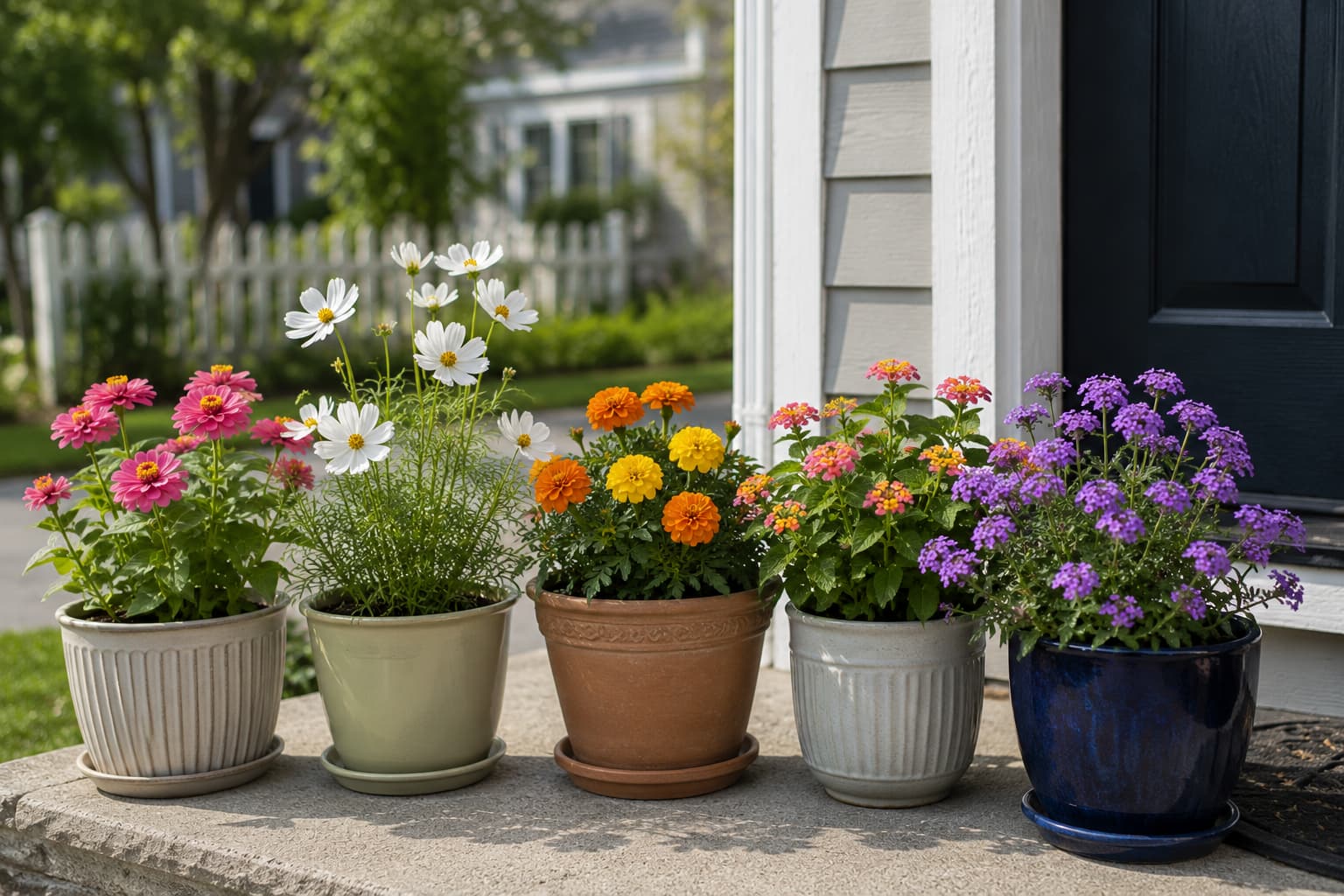
Why these flowers work for busy gardeners
The plants in this guide were chosen because they solve a real beginner problem: keeping a garden colorful without needing daily fuss.
1
Zinnias
Big color, long bloom time
2
Cosmos
Airy flowers, low fuss
3
Marigolds
Compact and reliable
4
Lantana
Heat and drought tolerant
5
Verbena
Great for pots and edges
Greenmuse rule of thumb: “almost no care” does not mean no care at all. It means choosing forgiving plants, planting them in the right light, and avoiding the mistakes that create extra work later.
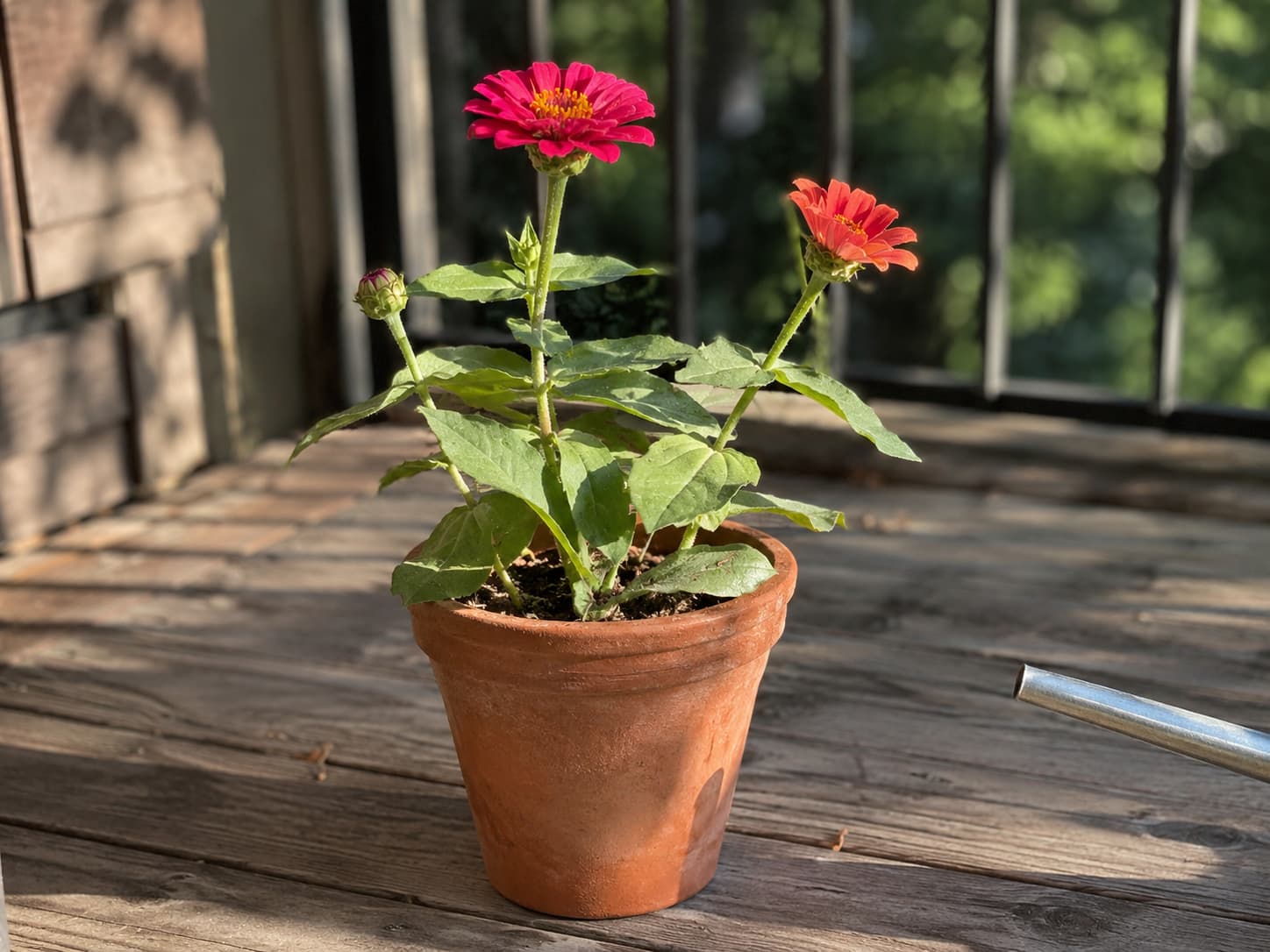
1
Zinnias
Best for bold color, cutting gardens, butterflies, and hot sunny beds.
Zinnias are one of the easiest ways to fill a summer garden with color. They bloom heavily in full sun, come in bright shades, and are loved by butterflies.
They are also beginner-friendly because they grow quickly from seed and respond well to cutting. The more you cut flowers for bouquets, the more the plant is encouraged to keep producing.
Sun
Full sun
Water
Moderate; avoid soggy soil
Spacing
Give airflow to reduce mildew
Bloom time
Summer to frost
Best simple care tip
Cut or deadhead flowers regularly. Zinnias are generous plants, but good airflow and dry leaves help keep them cleaner in humid weather.
2
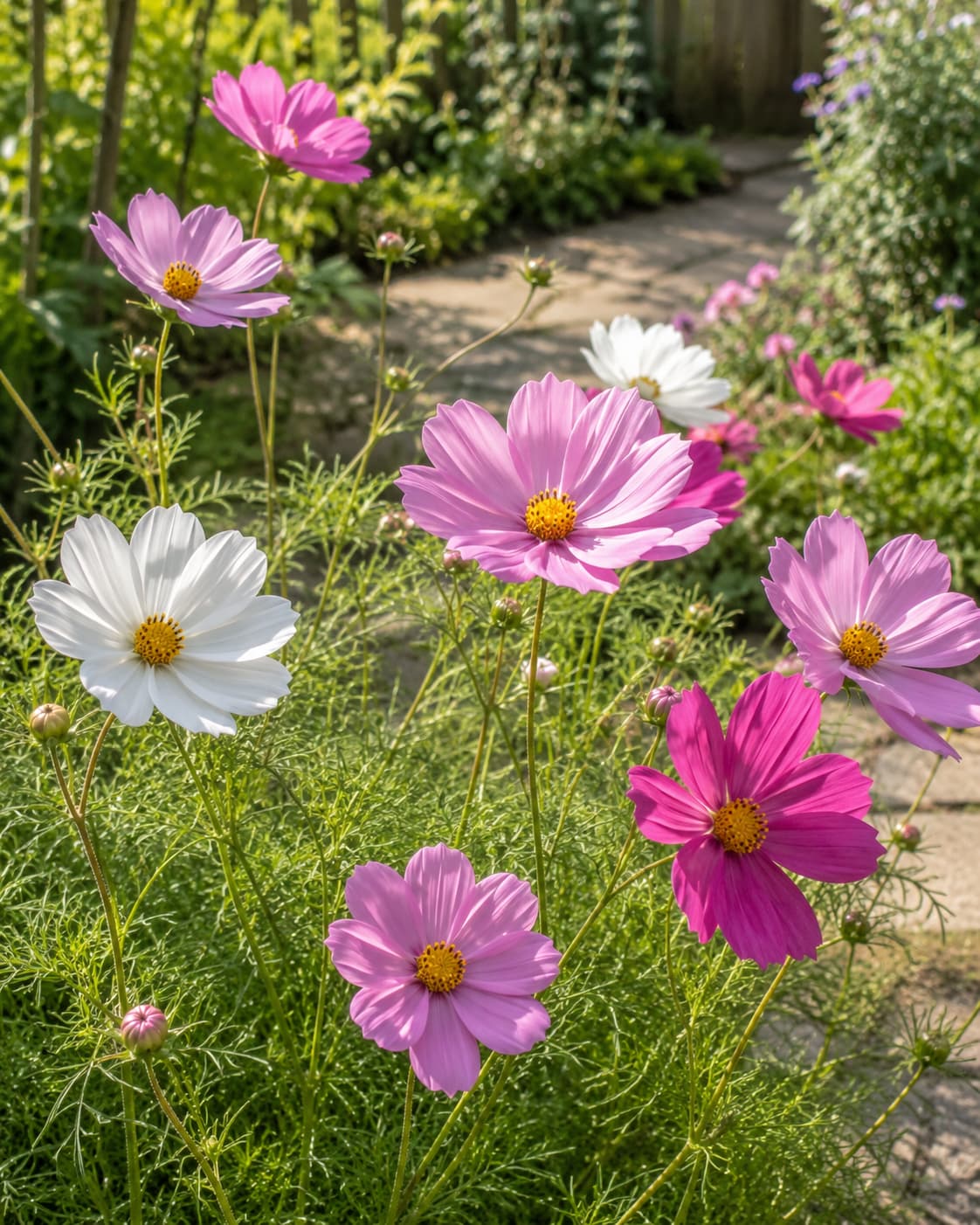
Cosmos
Best for cottage gardens, airy movement, poor soil, and late-summer flowers.
Cosmos look delicate, but they are surprisingly tough. Their fine, feathery foliage and daisy-like flowers make a garden feel soft and natural without much effort.
One of the biggest beginner mistakes is treating cosmos too kindly. Very rich soil and too much fertilizer can lead to lots of leafy growth and fewer flowers.
Sun
Full sun
Water
Low once established
Soil
Lean to average soil
Bloom time
Summer into fall
Best simple care tip
Skip heavy feeding. Cosmos often flower better when grown a little lean rather than pushed with rich soil and frequent fertilizer.
3
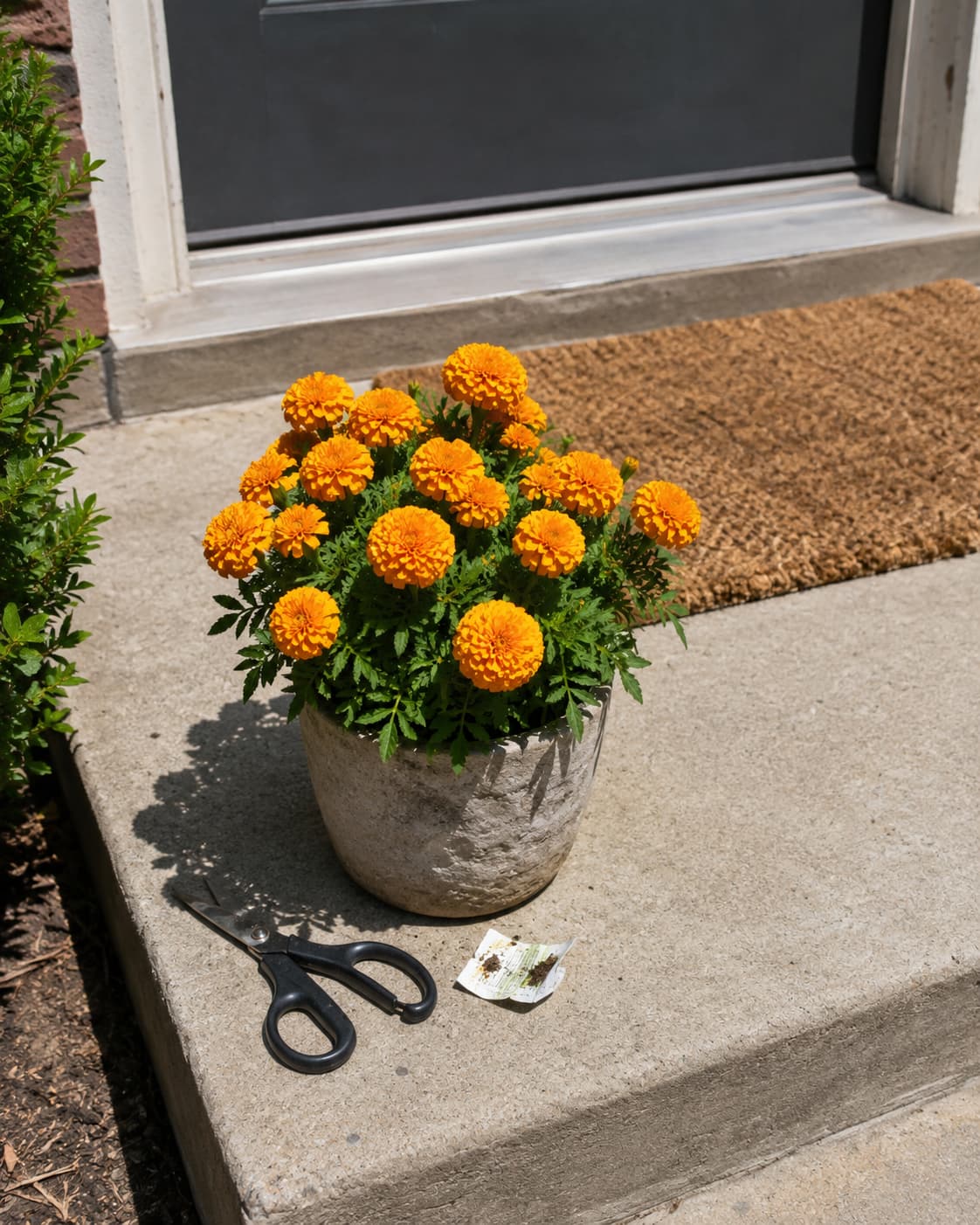
Marigolds
Best for beginner borders, vegetable garden edges, containers, and steady warm color.
Marigolds are cheerful, tough, and easy to find. Their orange, gold, and yellow blooms bring instant summer color to borders, pots, and vegetable garden edges.
They do not need complicated care, but they look much better when faded flowers are removed before the plant starts putting energy into seed.
Sun
Full sun
Water
Low to moderate
Size
Compact or tall types
Bloom time
Late spring to fall
Best simple care tip
Deadhead when blooms fade. This keeps plants cleaner and encourages a longer show, especially in humid summer weather.
4
Lantana
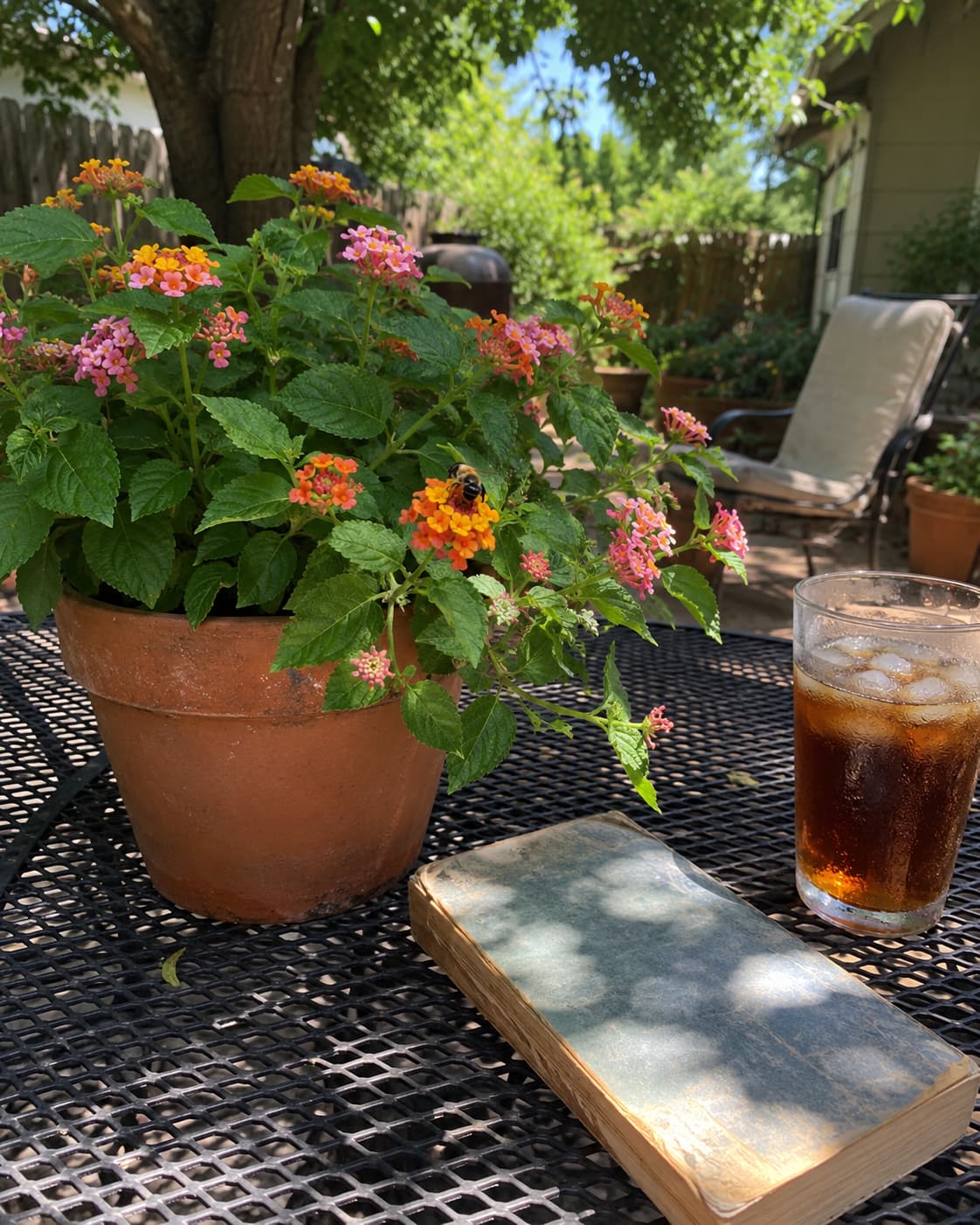
Best for hot patios, low-water gardens, pollinator containers, and warm climates.
Lantana is a strong choice for gardeners dealing with hot summers. Once established, it handles heat and dry spells better than many softer annual flowers.
It is especially useful in sunny containers and low-water gardens, where its clusters of small flowers attract butterflies and other pollinators.
Sun
Full sun to light shade
Water
Low once established
Use
Containers and hot beds
Bloom time
Summer into fall
Best simple care tip
Avoid standing water and check local guidance in very warm regions, because some lantana types can spread aggressively in frost-free climates.
5
Verbena
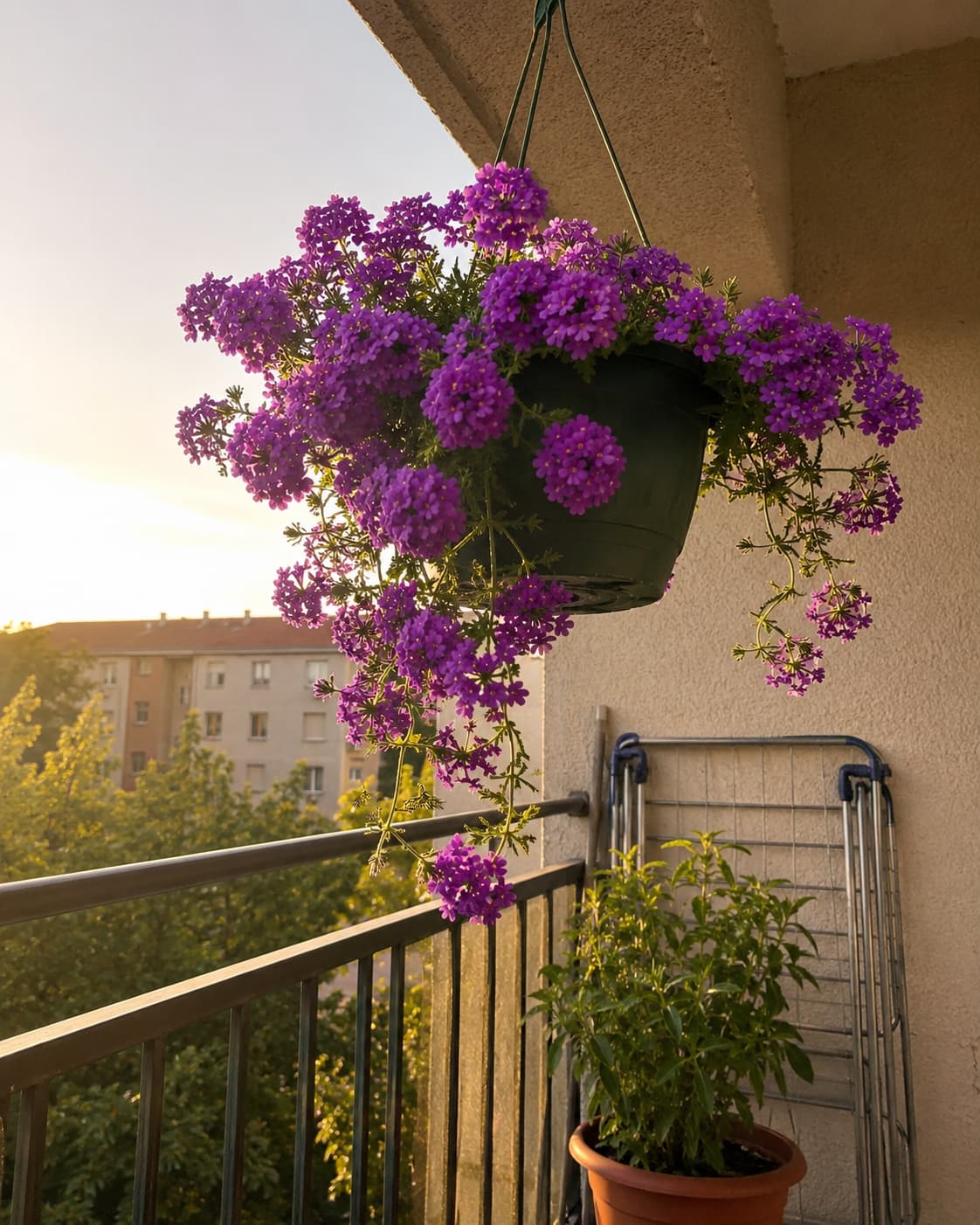
Best for hanging baskets, container edges, sunny planters, and trailing color.
Verbena is a useful summer flower when you want color to spill over the edge of a pot or soften the front of a sunny border.
It is not completely care-free in small containers, because pots dry out faster than garden beds. But in the right sunny spot with good drainage, verbena gives a lot of color for modest effort.
Sun
Full sun
Water
Moderate in containers
Habit
Trailing or mounding
Bloom time
Summer to fall
Best simple care tip
Give verbena full sun, drainage, and occasional trimming if it gets tired. It is especially useful as a spiller in mixed containers.
Quick comparison table
Use this table to choose the flower that fits your space best.
| Flower | Best use | Care level | Important note |
|---|---|---|---|
| Zinnias | Sunny beds, cutting gardens, pollinator patches | Easy | Needs airflow in humid regions. |
| Cosmos | Cottage gardens, meadow-style borders, low-fuss beds | Very easy | Avoid rich soil and heavy fertilizer. |
| Marigolds | Containers, borders, vegetable garden edges | Very easy | Deadheading keeps them cleaner and blooming longer. |
| Lantana | Hot patios, dry sunny spots, pollinator containers | Easy once established | Check local guidance in frost-free regions. |
| Verbena | Hanging baskets, container edges, sunny planters | Easy to moderate | Containers may need regular watering in heat. |
Small-space container version
These flowers are not only for big backyards. You can create a summer-long container garden on a patio, balcony, porch, or sunny front step.
Thriller
Use a taller zinnia, lantana, or upright verbena as the focal plant.
Filler
Add marigolds or compact zinnias to fill the middle with steady color.
Spiller
Let trailing verbena soften the pot edge and bring movement.
Simple rule
Use one large container with drainage rather than crowding too many tiny pots.
How to get more blooms with less work
Give enough sun
Most long-blooming summer flowers need full sun to flower well.
Water deeply
Deep watering encourages stronger roots better than constant shallow watering.
Deadhead when needed
Remove tired flowers from marigolds, zinnias, and other plants when blooms fade.
Do not overfeed
Too much fertilizer can create leaves instead of flowers, especially with cosmos.
What about petunias and lavender?
Petunias and lavender are beautiful, but they are not the strongest fit for a strict “almost no care all summer” list.
Petunias can bloom for a long time, especially in containers and baskets, but they usually need regular watering and feeding to stay full. Lavender is wonderfully low-water once established, but many types bloom mainly from late spring to midsummer rather than continuously all summer.
That does not make them bad plants. It simply means they need a slightly different promise than the one in this guide.
FAQ
What flowers bloom the longest with the least care?
Zinnias, cosmos, marigolds, lantana, and verbena are strong choices for long summer color with simple care in sunny locations.
Can these flowers grow in containers?
Yes. Zinnias, marigolds, lantana, and verbena can all work in containers. Cosmos can also be grown in pots, but choose compact varieties and avoid overfeeding.
Do low-maintenance flowers still need deadheading?
Some do better with it. Marigolds and zinnias often bloom more cleanly when old flowers are removed, but they are still far less demanding than many fussy plants.
Which flower is best for hot, dry summers?
Lantana is one of the strongest choices for hot, sunny conditions once established. Zinnias and marigolds also handle summer heat well with basic watering.
Which flower is best for beginners?
Marigolds and zinnias are usually the easiest starting point. They are widely available, forgiving, colorful, and simple to grow in sunny spaces.
Final thoughts
A vibrant summer garden does not require expert-level gardening skills. It starts with choosing flowers that naturally want to bloom through summer instead of fighting your climate, schedule, and small-space limits.
Start with one or two easy flowers this year. Give them full sun, good drainage, and simple care. Then let the plants do what they are built to do: keep growing, keep blooming, and make summer feel a little more alive.
Save this list for summer planting
For the easiest color, start with zinnias or marigolds. For soft movement, add cosmos. For heat and pollinators, try lantana. For containers and edges, finish with verbena.