How to Use Dried Lavender: 4 Easy DIY Projects
Quick Summary
You grew, harvested, and dried your lavender. Now it's sitting in a paper bag and you're wondering what to do with it. This guide covers 4 beginner-friendly DIY projects that turn dried lavender into something you'll actually use: a massage-and-bath oil, a sleep sachet, delicate butter cookies, and hand-tied gift bundles. However, it also covers the mistakes that ruin these projects — using ornamental lavender in food (soap taste, potential pesticides), infusing oil with fresh lavender (mold in a jar), and harvesting at the wrong time (weak fragrance). Get the fundamentals right and these projects work beautifully every time.
Culinary vs. Ornamental Lavender: Read This Before Baking
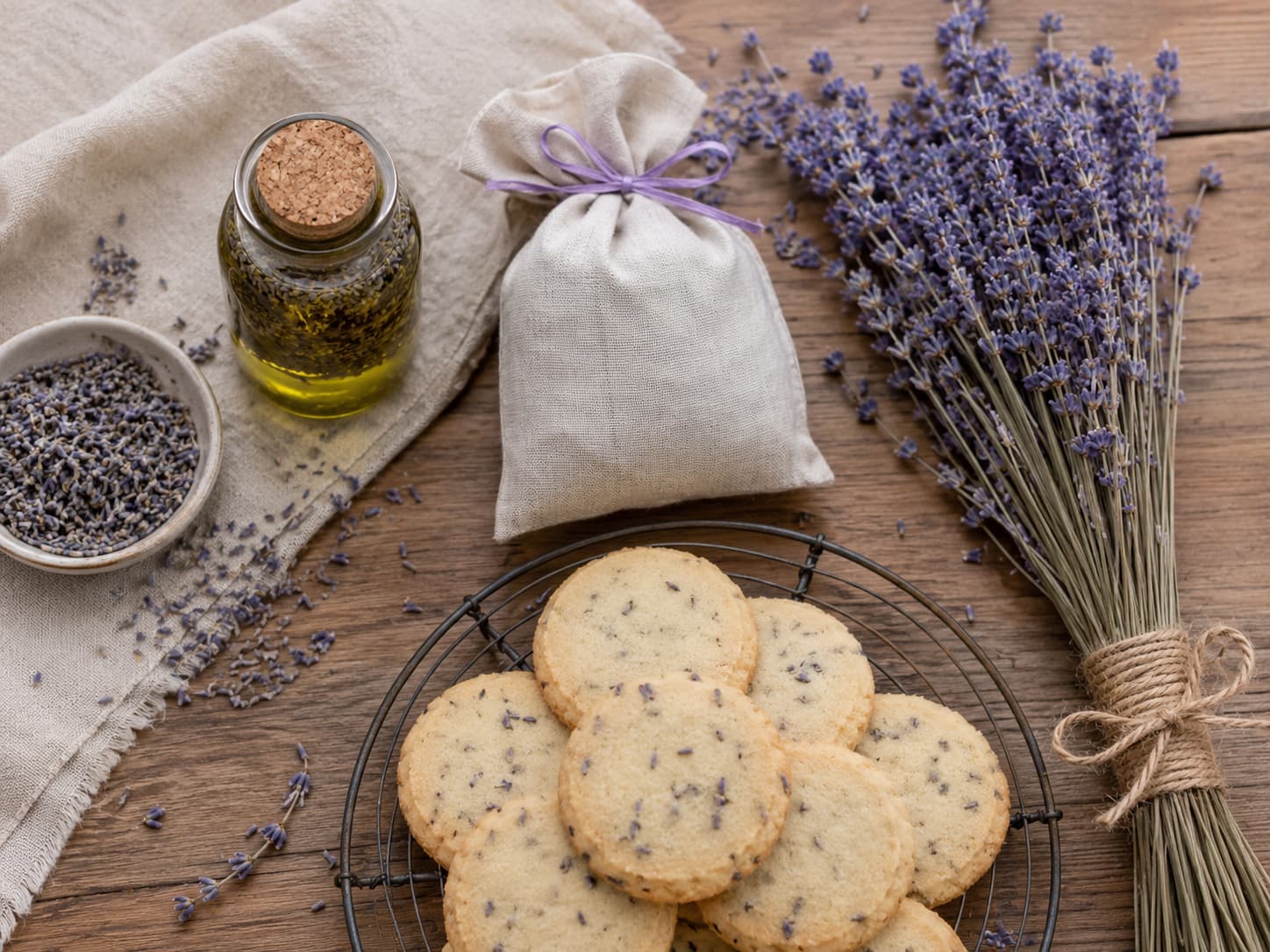
This section exists because the #1 complaint about lavender recipes on the internet is "these cookies taste like soap" or "this tastes like my grandmother's potpourri." The problem isn't the recipe — it's the lavender.
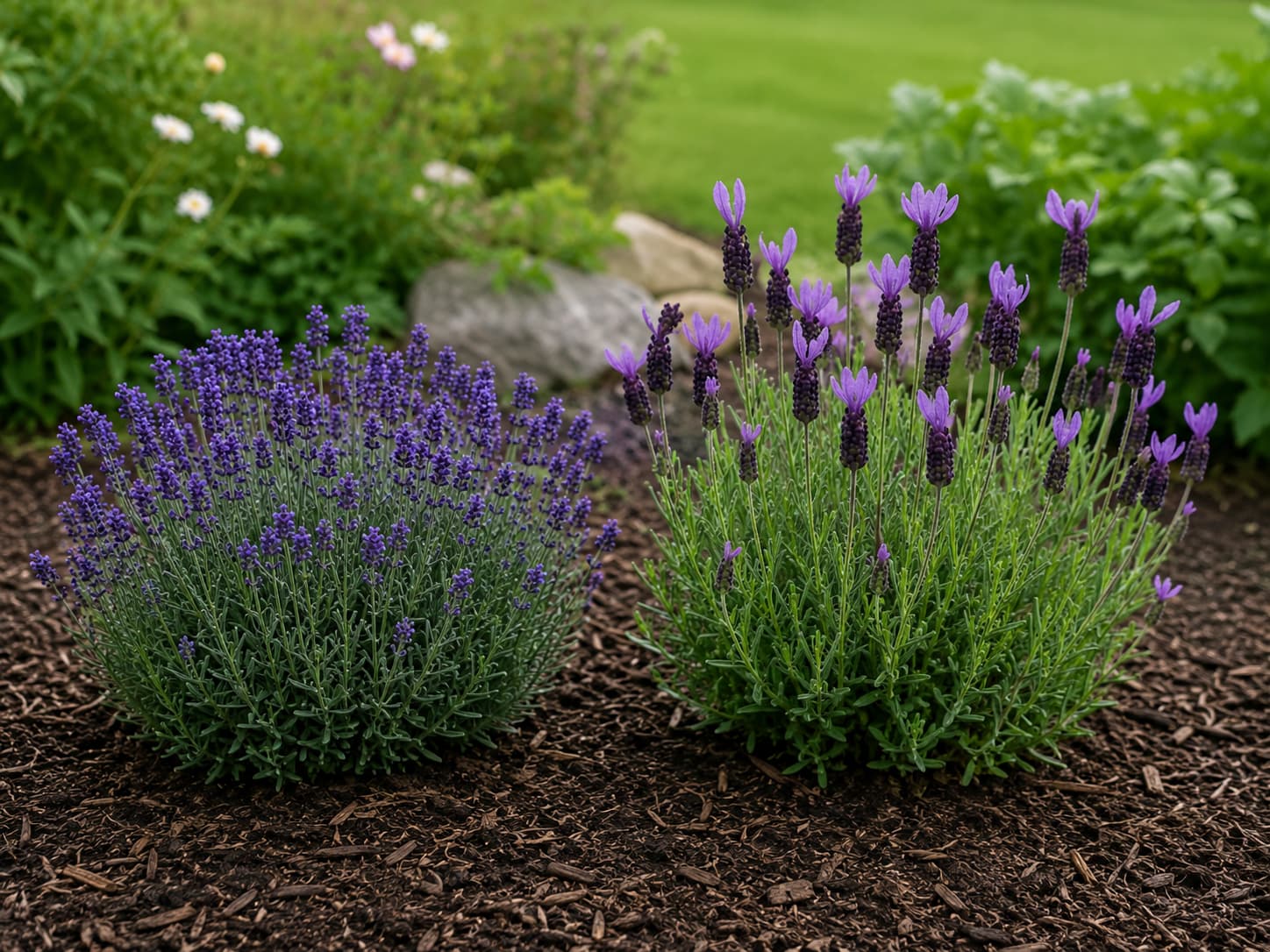
Lavender flavor varies widely by species and cultivar. For example, English lavender (Lavandula angustifolia) is commonly preferred for baking because its flavor is usually softer and less camphoraceous than many lavandins and ornamental types. More importantly, for any food project, use lavender that is known to be food-grade and free from non-food pesticide or preservative treatments.
| Culinary Lavender | Ornamental / Craft Lavender | |
|---|---|---|
| Best Species | Lavandula angustifolia (English lavender) — specifically 'Munstead', 'Hidcote', 'Royal Velvet' | Lavandula × intermedia (Lavandin), L. stoechas (Spanish), L. dentata (French) |
| Camphor Content | Low — sweet, floral, subtle | Medium to high — pungent, medicinal, sharp |
| Flavor in Food | Delicate floral note; pairs with honey, lemon, vanilla | Soapy, bitter, overpowering |
| Label to Look For | "Culinary grade," "food grade," "organic English lavender" | "Dried lavender," "fragrant lavender," "potpourri lavender" |
| Best Use for Baking | Preferred when sold or grown for culinary use and not treated with non-food pesticides | Do not use unless the product is specifically sold as food-grade and the species/cultivar is suitable for flavor |
Do Not Bake with Lavender from Craft Stores
Dried lavender sold in craft stores, home décor aisles, or as potpourri should not be used in food unless it is specifically labeled for culinary use. Decorative products may be treated or handled in ways that are not intended for eating. Instead, for cookies, use food-grade lavender from a trusted source, or lavender you grew yourself without products that are not labeled for edible crops.
The Safe Lavender Rule
In practice, choose food-grade lavender for anything you plan to eat; English lavender (Lavandula angustifolia) is usually the easiest choice for a gentle floral flavor. 'Munstead' and 'Hidcote' are popular culinary cultivars. By contrast, for non-food sachets and decorative bundles, fragrance can be the priority. For anything that will touch skin, use clean plant material from a source you trust and avoid lavender treated with products not intended for that use.
How to Harvest and Dry Lavender for Maximum Fragrance
The quality of your dried lavender determines the quality of everything you make with it. For instance, harvesting at the wrong stage can leave the fragrance weaker than expected. Likewise, poor drying conditions can dull both scent and color.
When to Harvest
- Timing: For dried bundles and buds, harvest when the spikes are well colored and some flowers have opened, before the whole spike looks spent. However, the exact best stage varies with cultivar and whether you care most about color, fragrance, or seed production.
- Time of day: Harvest after surface moisture or dew has dried so the stems go into the drying space as dry as possible.
- Weather: Harvest on a dry day. Wet lavender molds during drying.
How to Dry
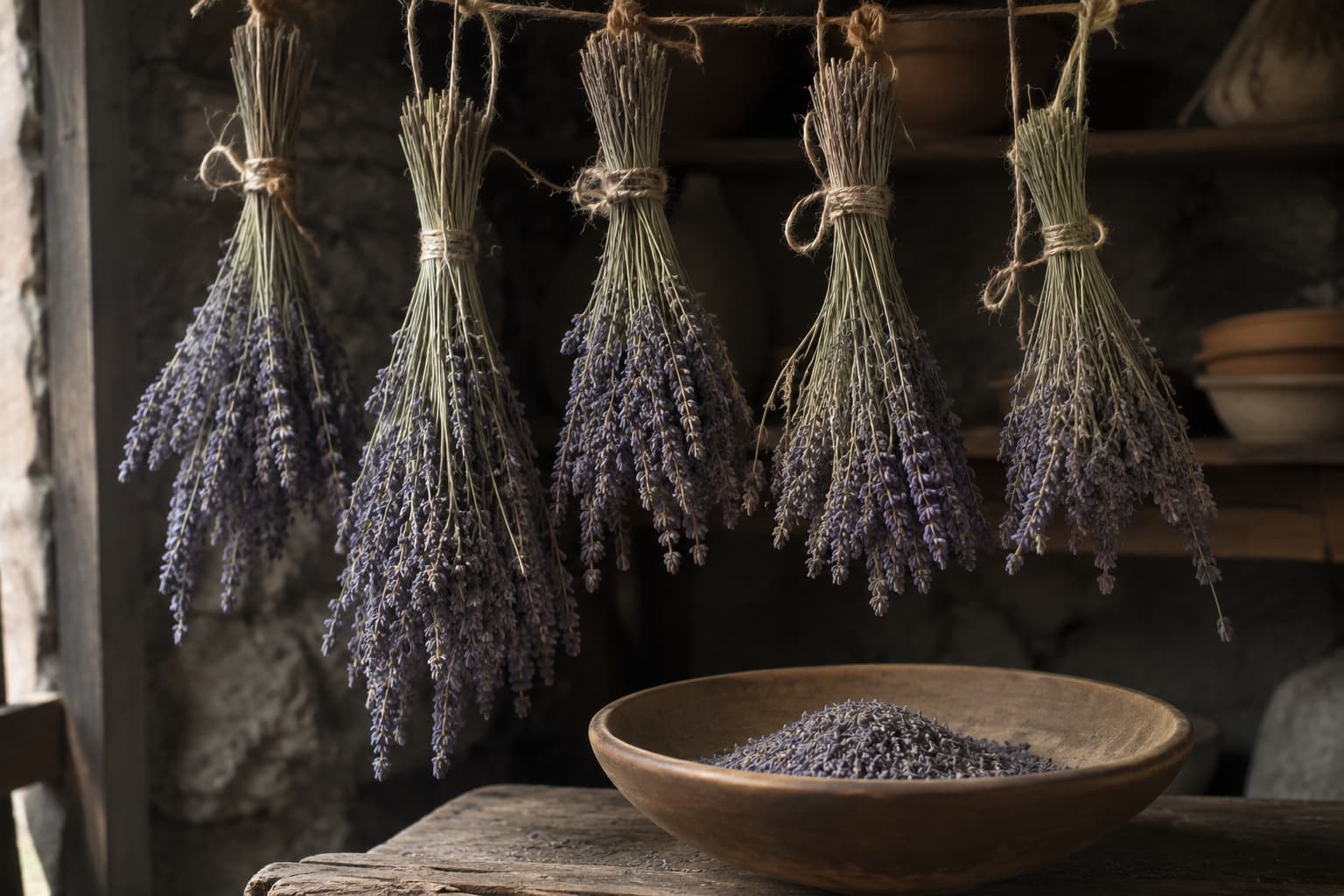
- Gather stems into small bundles — 15–20 stems per bundle. Overcrowded bundles trap moisture and mold.
- Tie with twine or a rubber band (rubber bands tighten as stems shrink during drying).
- Next, hang the bundles upside down in a cool, dark, well-ventilated space. Direct sun can fade the flowers and weaken their fragrance over time.
- Drying time: Air-drying can take days to several weeks depending on bundle size, temperature, and humidity. Use dryness—not the calendar—as the endpoint: stems and flower material should feel fully dry before storage.
- Strip buds from stems by gently rubbing the dried flower heads over a clean bowl. Store only completely dry material in a clean, airtight container away from heat and light. Fragrance gradually fades with storage, so use the oldest material first.
DIY Lavender-Infused Oil: Keep the Use Case Clear
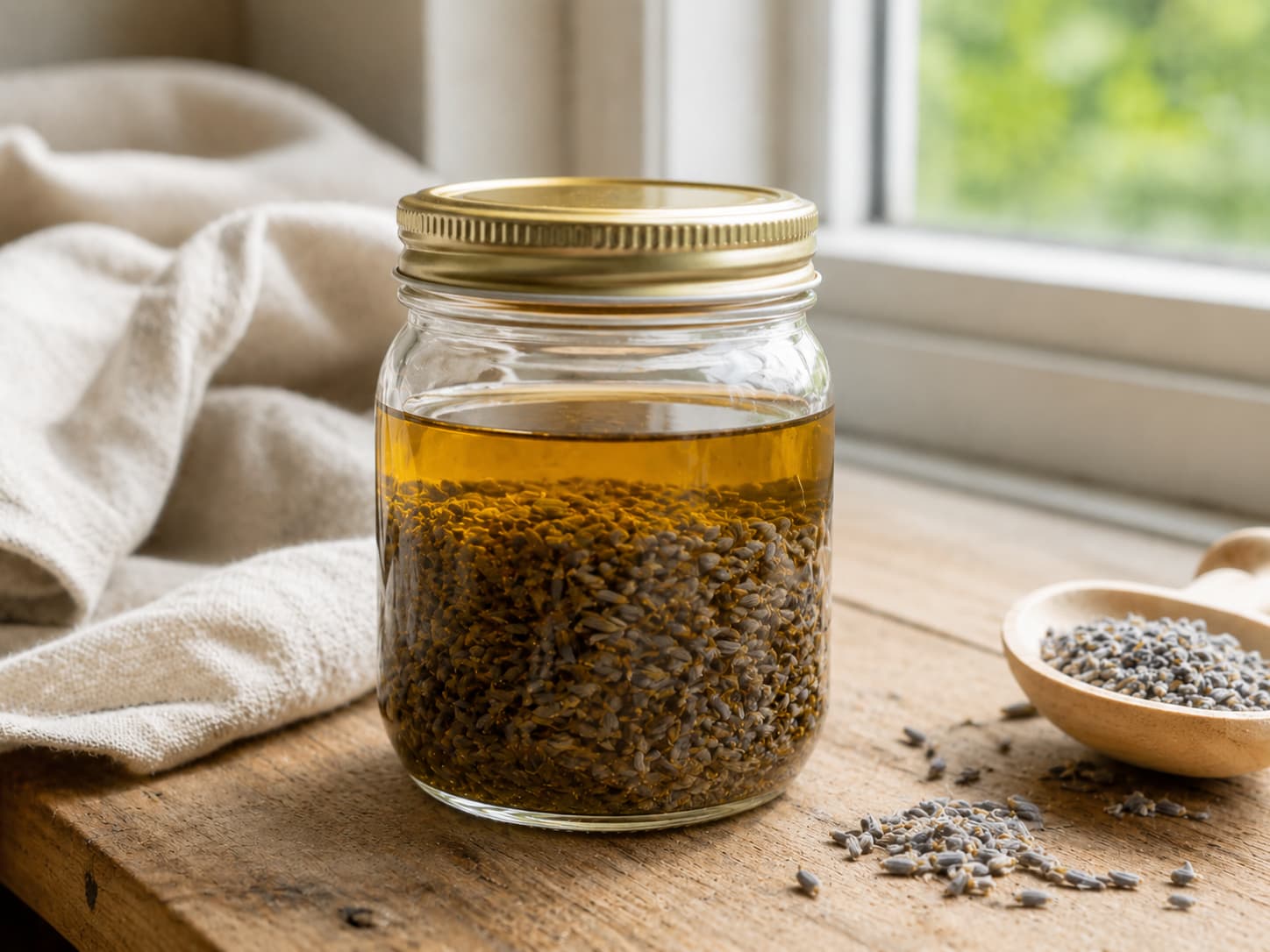
Lavender-infused oil can be a pleasant non-food, topical DIY project. However, edible herb oils need a different safety standard. Fresh herbs in oil can support Clostridium botulinum growth under the wrong storage conditions, and home food-preservation guidance does not support long room-temperature storage of ordinary fresh-herb oil infusions.
Do Not Treat This as a Shelf-Stable Edible Oil Recipe
The method below is for a small batch of topical or bath-use infused oil, not a culinary oil. Do not eat it. Instead, if you want a flavored oil for food, use a tested food-safety method and follow current extension or National Center for Home Food Preservation guidance. Homemade herb oils intended for food are generally kept refrigerated and used promptly unless they are prepared by a tested acidification process.
Why Use Thoroughly Dried Lavender?
Dry plant material introduces less moisture than fresh plant material, which helps reduce spoilage risk and gives a more predictable infusion. Even so, a home infusion is not sterile. Use a clean, completely dry container, keep plant material submerged, make a modest batch, and discard the oil if you see moisture, mold, bubbling, cloudiness, or an unusual odor.
Ingredients for a Small Topical Batch
| Ingredient | Amount | Notes |
|---|---|---|
| Completely dried lavender buds | About ¼–½ cup | Use clean, fully dry material from a source you trust |
| Fresh carrier oil | About 1 cup | Choose an oil appropriate for your skin; check allergies and patch-test first |
| Clean, completely dry glass jar | 1 | Any residual water shortens storage life and raises spoilage risk |
Instructions
- Start with a clean, completely dry jar. Wash it well and let it dry fully before adding oil.
- Add the dried lavender. Do not use damp or partially dried flower material.
- Cover completely with carrier oil. Keep all plant material below the oil surface.
- Then, infuse away from heat and direct sun. A cool, dark cupboard is the more conservative choice because heat and light speed oxidation of carrier oils.
- Strain through a clean fine-mesh strainer or cloth once the fragrance is where you want it.
- Transfer to a clean, dark bottle and label it. Make small batches rather than assuming a fixed multi-year shelf life.
- Before skin use, patch-test. Stop using it if irritation develops. Do not apply to broken skin, and keep it out of eyes.
When to Discard It
Discard the infusion if you see mold, water droplets, unexpected cloudiness, gas or bubbling, or if the carrier oil develops a stale, paint-like, or otherwise unpleasant odor. Because of these variables, there is no single reliable expiration date for every homemade infusion.
Lavender Sleep Sachet: Simple and Effective
A lavender sachet is the easiest project in this guide — and one of the most useful. For example, tuck one under your pillow, in a dresser drawer, or in a gym bag. As the fragrance fades, gently crushing the dried buds can help release more scent.
Ingredients
- ¼ cup dried lavender buds
- 2 tablespoons dried chamomile (optional — adds a softer, apple-like note)
- 1 small muslin or cotton drawstring bag (3×4 inches is ideal)
- Optional: 2–3 drops lavender essential oil for extra intensity
Instructions
- Mix lavender and chamomile in a small bowl.
- Spoon into the muslin bag — fill about ¾ full. Overfilling makes the sachet hard and lumpy.
- Pull the drawstring tight and tie a knot.
- Optional: add 2–3 drops of lavender essential oil to the outside of the bag for an initial fragrance boost. The dried herbs will provide the lasting scent.
- Finally, refresh it as needed: when the fragrance fades, crush the bag gently between your hands to release more scent from the dried buds. If you use essential oil, follow its label directions and add only a small amount.
Gift Idea
Make a batch of 6–8 sachets, tie each with a small kraft paper tag, and give them as favors at a baby shower, bridal shower, or holiday gathering. They cost about $1 each to make and feel far more thoughtful than anything store-bought.
Lavender Shortbread Cookies: The Soap-Taste Fix
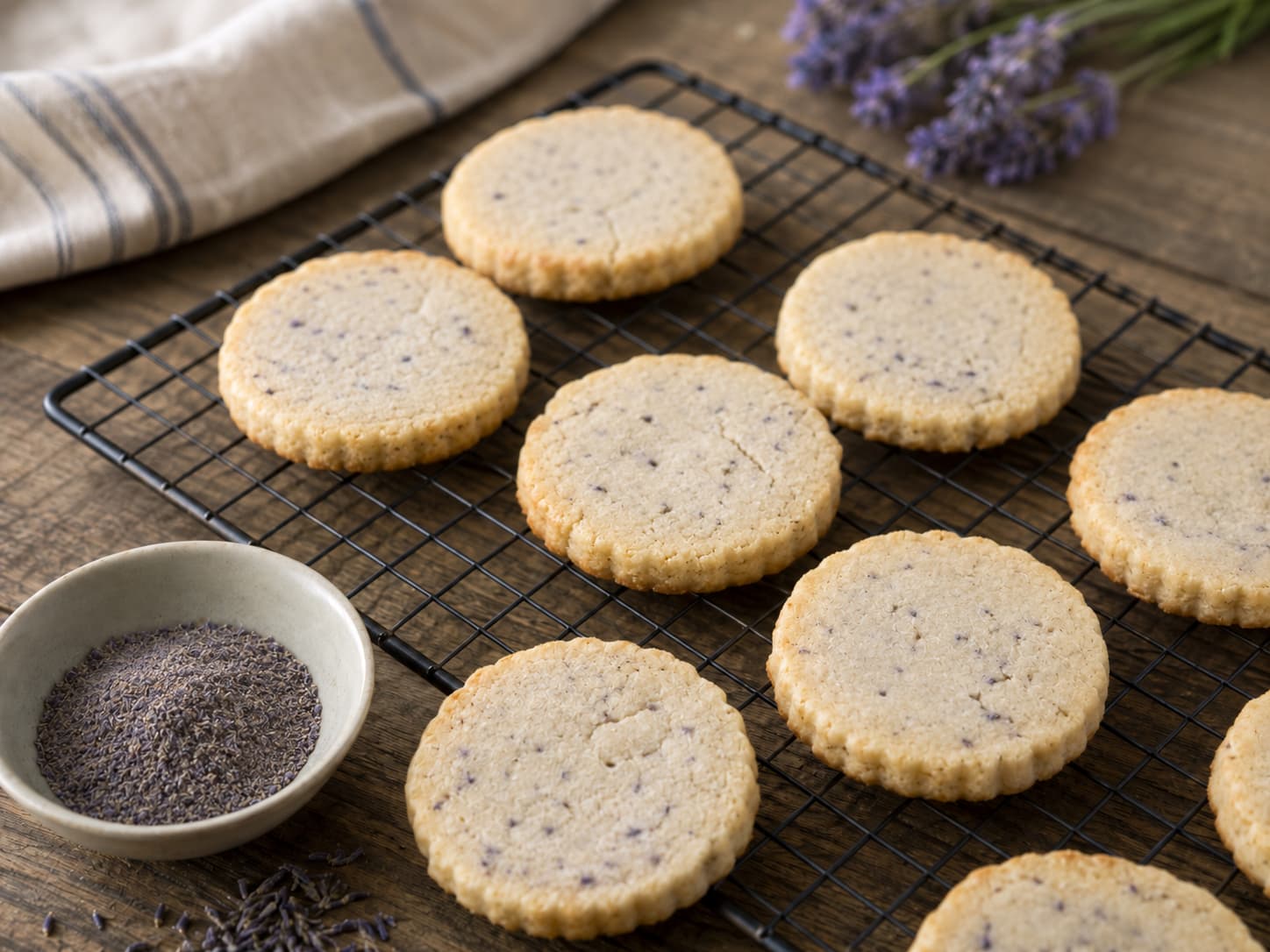
Lavender cookies are polarizing. Done right, they're delicate, floral, and unforgettable — the kind of cookie that makes people stop mid-bite and say "what is that?" However, too much lavender or the wrong type can make them taste unpleasantly perfumed. The difference is which lavender you use and how much.
The Rules for Lavender Cookies That Don't Taste Like Soap
- Use culinary-grade English lavender only. See the warning section above. No exceptions.
- Next, grind the buds. Whole lavender buds can create an overly strong, uneven bite. A spice grinder or mortar and pestle turns them into a fine powder, which distributes the flavor more evenly.
- Use less than you think. 1 tablespoon of ground culinary lavender for a full batch of shortbread is plenty. More is not better — it's soapier.
Ingredients
- 1 cup (225g) unsalted butter, softened
- ½ cup (60g) powdered sugar
- 2 cups (250g) all-purpose flour
- 1 tablespoon dried culinary lavender buds, finely ground
- 1 teaspoon vanilla extract
- Pinch of salt
Instructions
- Cream butter and powdered sugar until light and fluffy (2–3 minutes with an electric mixer).
- Add ground lavender, vanilla, and salt. Mix to combine.
- Then, gradually add flour, mixing until just incorporated. Do not overmix, or the cookies can become tough.
- Shape dough into a disc, wrap in plastic, and chill for at least 1 hour. This step is essential — it solidifies the butter so the cookies hold their shape and the lavender flavor distributes evenly.
- Preheat oven to 325°F (165°C). Roll dough to ¼-inch thickness on a lightly floured surface. Cut into shapes.
- Bake for 12–15 minutes, until the edges are just barely golden. The cookies will be pale — that's correct. Overbaking ruins the delicate lavender flavor.
- Finally, cool completely on a wire rack. The lavender flavor becomes more noticeable as the cookies cool.
"These Taste Like Soap!" — The Fix
If your lavender cookies have a bitter, soapy aftertaste: you used too much lavender, you used a high-camphor variety (not English lavender), or you didn't grind the buds finely enough. Next time: halve the lavender, use only English culinary-grade, and grind to a powder. Lavender should whisper in a cookie, not shout.
Dried Lavender Gift Bundles: Harvesting and Tying
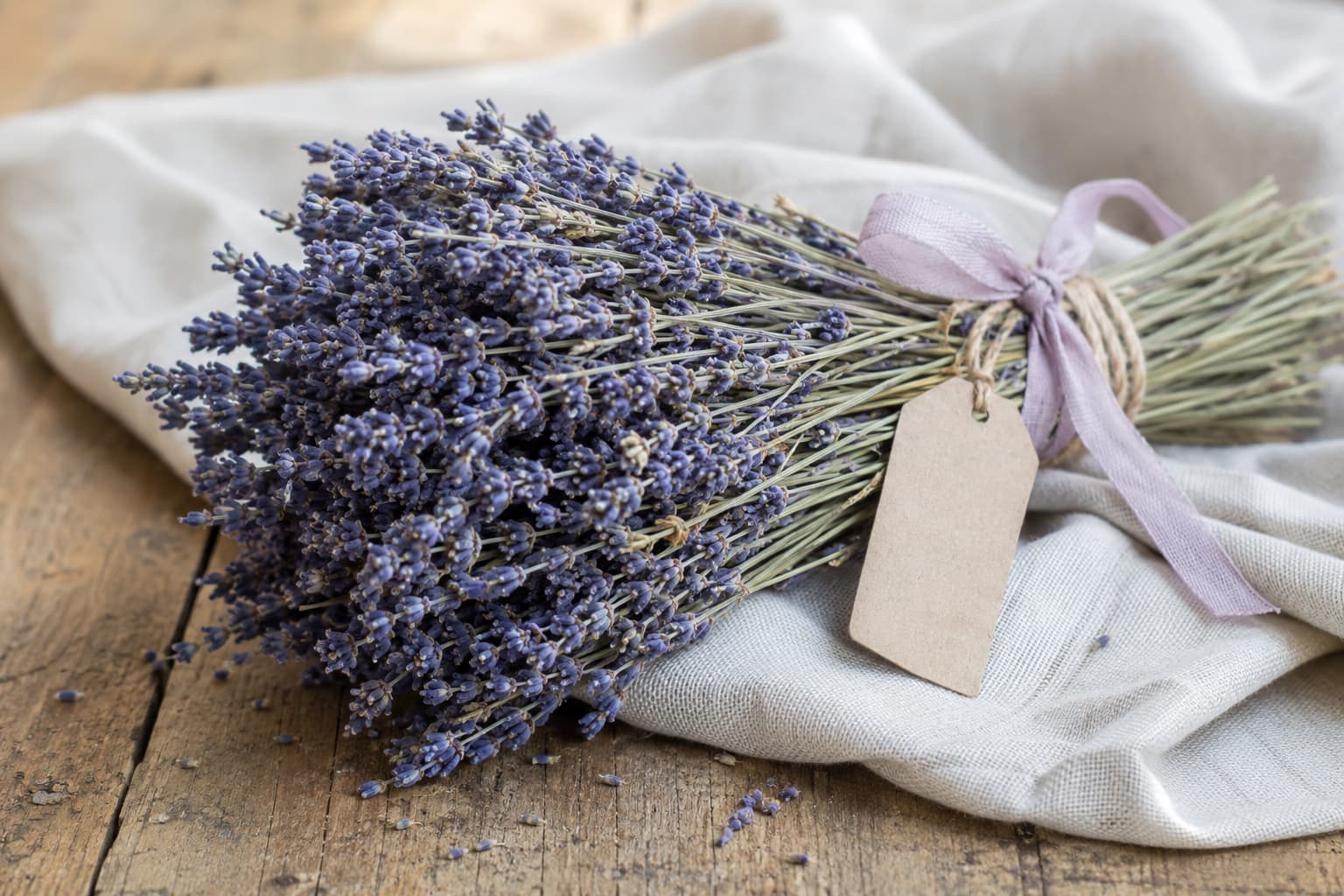
A hand-tied bundle of dried lavender is one of the simplest gifts you can make from your garden. In addition, it uses very little extra material and turns stems you already harvested into an easy handmade present.
How to Make a Lavender Bundle
- Select 10–15 stems of fully dried lavender with intact flower heads.
- Trim stems to a uniform length — about 8–10 inches.
- Arrange the stems so the flower heads are even and the bundle looks full from all angles.
- Wrap floral wire or twine tightly around the stems about 2 inches below the flower heads. Wrap 4–5 times, then tie securely.
- Cover the wire with a ribbon — satin, cotton, or rustic jute all work beautifully.
- Attach a small kraft paper tag with a handwritten note. Simple phrases work best: "Breathe Deeply," "For Quiet Moments," or "Grown with Love."
When to Gift Lavender Bundles
These make excellent: hostess gifts, wedding favors, baby shower takeaways, teacher appreciation gifts, "thinking of you" gestures, or additions to a homemade gift basket with the lavender oil and cookies from the other projects in this guide.
Common Lavender DIY Problems and How to Fix Them
| Problem | Likely Cause | Fix |
|---|---|---|
| Infused oil smells rancid or metallic | Oil oxidized — too much heat, light exposure, or old oil | Discard. Next time: use fresh oil, store in dark bottle, keep in cool dark place |
| Mold or white film in infused oil | Water introduced — fresh lavender used, or wet jar | Discard. Next time: use only dried lavender, sterilize and dry jar completely |
| Dried lavender has no smell | Harvested too late (all buds open), dried in sunlight, or stored too long | Harvest at 30–50% bud stage. Dry in dark. Use within 6–12 months. Crush buds to release remaining oils |
| Cookies taste bitter or soapy | Wrong lavender variety or too much lavender | Use only English lavender. Halve the amount. Grind to fine powder |
| Sachet fragrance fades quickly | Lavender was old when sachet was made | Use freshly dried lavender. Add 2–3 drops essential oil. Crush sachet periodically |
| Lavender buds turning brown | Dried in too much light or too slowly | Dry in complete darkness. Ensure good air circulation. Use within a year |
Frequently Asked Questions
Using Lavender Safely
Can I use store-bought dried lavender for these projects?
Yes — but check the label. For baking, it must say "culinary grade" or "food grade" and list Lavandula angustifolia (English lavender). For oils, sachets, and gifts, any dried lavender works, but organic is preferred — especially for anything that touches skin. Lavender from craft stores is for decoration only, not for eating.
Why does my homemade lavender oil smell weak?
The most common causes: lavender was harvested too late (past peak oil concentration), not enough lavender in the jar (pack it more densely — ⅓ to ½ full), infusion time was too short (3–4 weeks minimum for sun method, 6–8 for cold method), or lavender was old when you started (use lavender dried within the last 6 months). You can't fix weak oil — use it as-is or start a new batch with fresher lavender.
Can I use fresh lavender instead of dried for the oil infusion?
For the topical infusion in this guide, use fully dried lavender rather than fresh plant material. Fresh herbs add water to oil, which increases spoilage risk. If you are making an herb-infused oil for eating, do not rely on this DIY method—use a tested food-safety process and follow current extension or National Center for Home Food Preservation guidance.
How long does homemade lavender oil last?
There is no single dependable shelf-life number for every homemade infusion. It depends on the carrier oil, storage temperature, light exposure, cleanliness, and whether any moisture entered the jar. Make small batches, store the strained oil in a clean dark container away from heat and light, and discard it if the smell changes or you see moisture, mold, bubbling, or unexpected cloudiness.
Using and Troubleshooting Your Lavender Projects
What's the difference between lavender essential oil and infused lavender oil?
Lavender essential oil is a concentrated distilled product. Lavender-infused oil is a carrier oil that has been steeped with plant material, so it is far less concentrated. Neither should automatically be assumed suitable for every person or every use: follow the product label for essential oil, patch-test topical products, and do not use this article's topical infusion as a food recipe.
Why did my lavender cookies spread into flat puddles?
The dough wasn't chilled long enough. Butter must be cold and firm when the cookies go into the oven for them to hold their shape. Chill the shaped dough for at least 1 hour — longer is fine. If your kitchen is warm, chill the cut cookies on the baking sheet for 15 minutes before baking.
Can I mix lavender with other herbs in these projects?
Yes. Chamomile pairs beautifully with lavender in sachets, while rose petals can work well in decorative bundles. Dried mint can also add a fresh note to non-food sachets. If you grow your own mint, our complete guide to growing mint covers container growing, pruning, propagation, and containment. For baking, keep combinations simple and use only ingredients that are specifically suitable for food.
How do I know when my lavender is dry enough to use?
The stems should snap cleanly when bent, not bend without breaking. The buds should feel dry and crisp, not leathery or cool to the touch (coolness indicates residual moisture). If you're unsure, dry for another week. Under-dried lavender will mold in storage and ruin your projects.
Sources & Further Reading:
- Royal Horticultural Society — Lavender Growing and Harvesting Guide
- Oregon State University Extension — Harvesting and Drying Lavender
- National Center for Home Food Preservation — Herbs and Oils Safety
- Missouri Botanical Garden — Lavandula angustifolia Plant Finder
- Colorado State University Extension — Herbs: Preserving and Using
- NIH — Lavender Essential Oil: Chemical Composition and Biological Effects
Final Thoughts
In short, dried lavender is genuinely versatile — you can bake with food-grade material, use clean dried flowers for non-food crafts, and turn your harvest into simple handmade gifts. The biggest quality and safety improvements come from matching the lavender to the intended use and drying it thoroughly before storage or non-food oil infusion.
As a result, these four projects — infused oil, sleep sachet, shortbread cookies, and hand-tied bundles — become easier to make consistently and more pleasant to use or share.
Here's what to remember:
- Use food-grade lavender for anything you eat. English lavender is often preferred for its softer flavor.
- Dry harvested stems in a dark, airy place. Store only when the plant material is fully dry.
- Keep topical lavender oil separate from culinary oil guidance. This article's infusion is non-food use only.
- Use a light hand with lavender in baking. Floral flavor becomes overpowering quickly.
- Store strained topical oil away from heat and light. Make small batches and discard at any sign of spoilage or rancidity.
- Refresh sachets gently. Crushing the dried buds can release more fragrance as they age.
If you found this guide helpful, you might also enjoy our guide on How to Grow a Thanksgiving Herb Garden — because lavender pairs beautifully with rosemary, sage, and thyme.