Starting a garden for the first time can feel overwhelming—but it doesn’t have to be.
If you're new to gardening and wondering how to start a garden step by step, this guide will walk you through simple, proven methods that actually work. No experience needed—just a few basic tools, the right setup, and a little patience.
Quick Answer
Starting a garden for beginners comes down to 5 simple steps:
- Choose a sunny location (6–8 hours of sunlight)
- Start small with easy plants
- Use well-draining soil
- Water deeply but not too often
- Maintain with simple weekly care
This guide walks you through each step in a way that actually works in real life—not just theory.
Why Most Beginner Gardens Fail
Most beginners don’t fail because gardening is hard.
They fail because they start too big, too fast, and in the wrong conditions.
The three most common mistakes:
- Too much shade → weak, leggy plants
- Poor drainage → root rot
- Overwatering → plants slowly decline
The fix?
Keep it simple. Build your garden like a system, not a guess.
Step 1: Choose the Right Garden Location

Your garden location matters more than anything else.
What to look for:
- Sunlight: At least 6–8 hours daily
- Airflow: Gentle movement (prevents disease)
- Access: Easy to water and check daily
Beginner Tip:
If you're unsure, observe the space for one day:
- Morning sun = best for most plants
- Full afternoon shade = not ideal
Step 2: Start Small
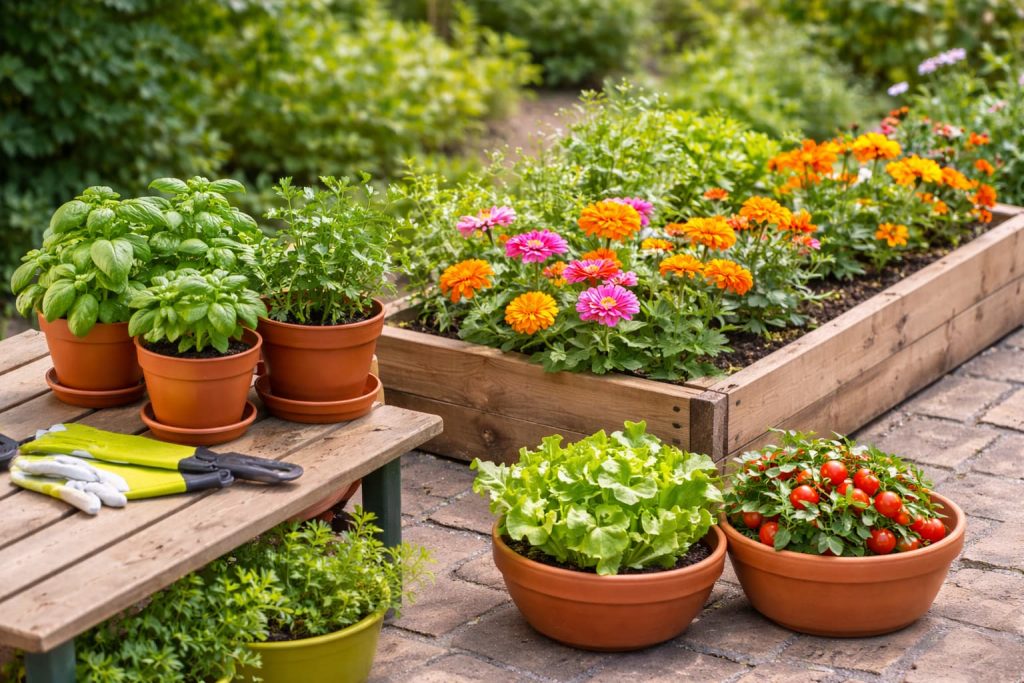
A common beginner mistake is planting too much.
Start with:
- 3–5 plants only
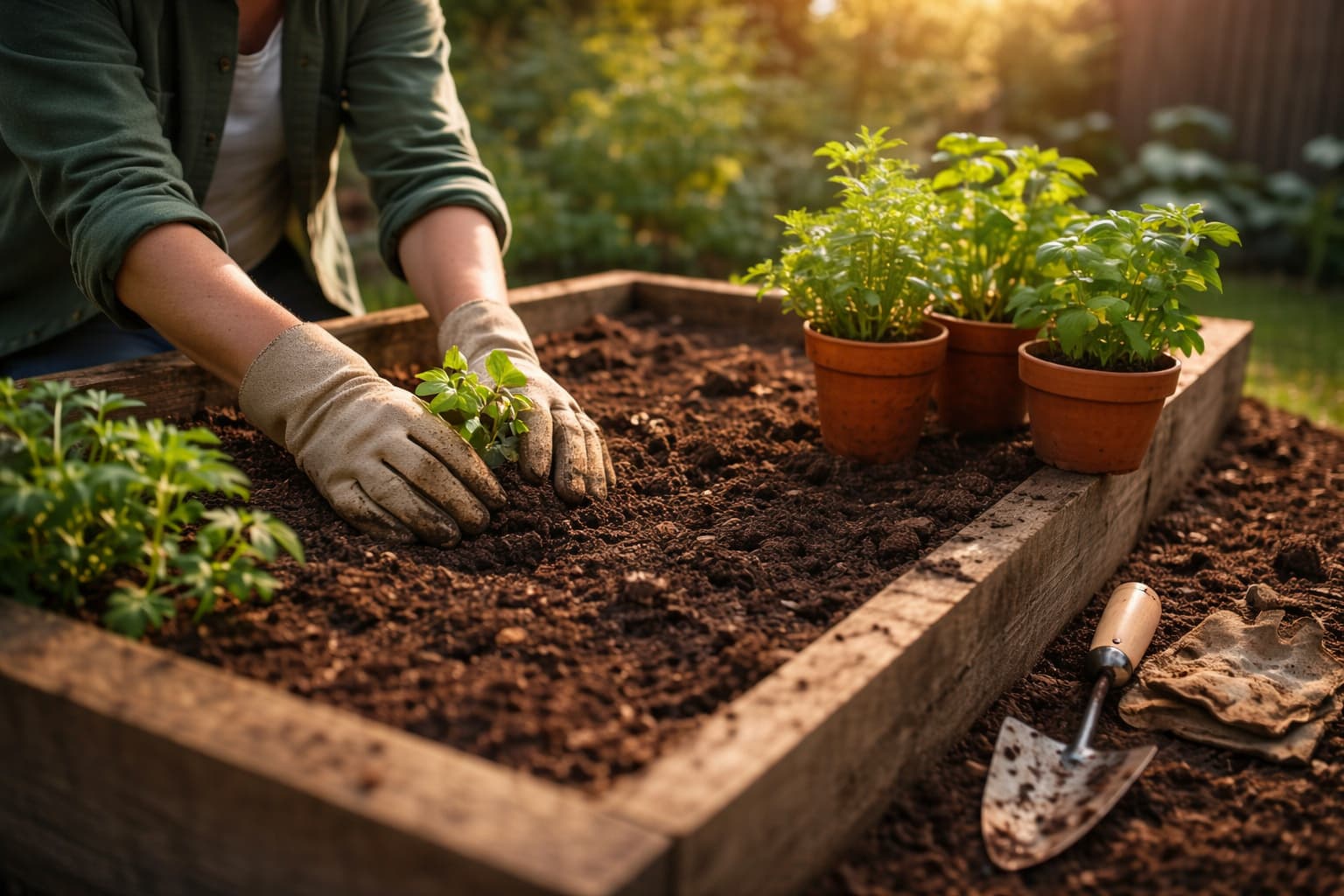
- 1 small raised bed OR 3–5 containers
Best beginner plants:
- Herbs: Basil, mint, parsley
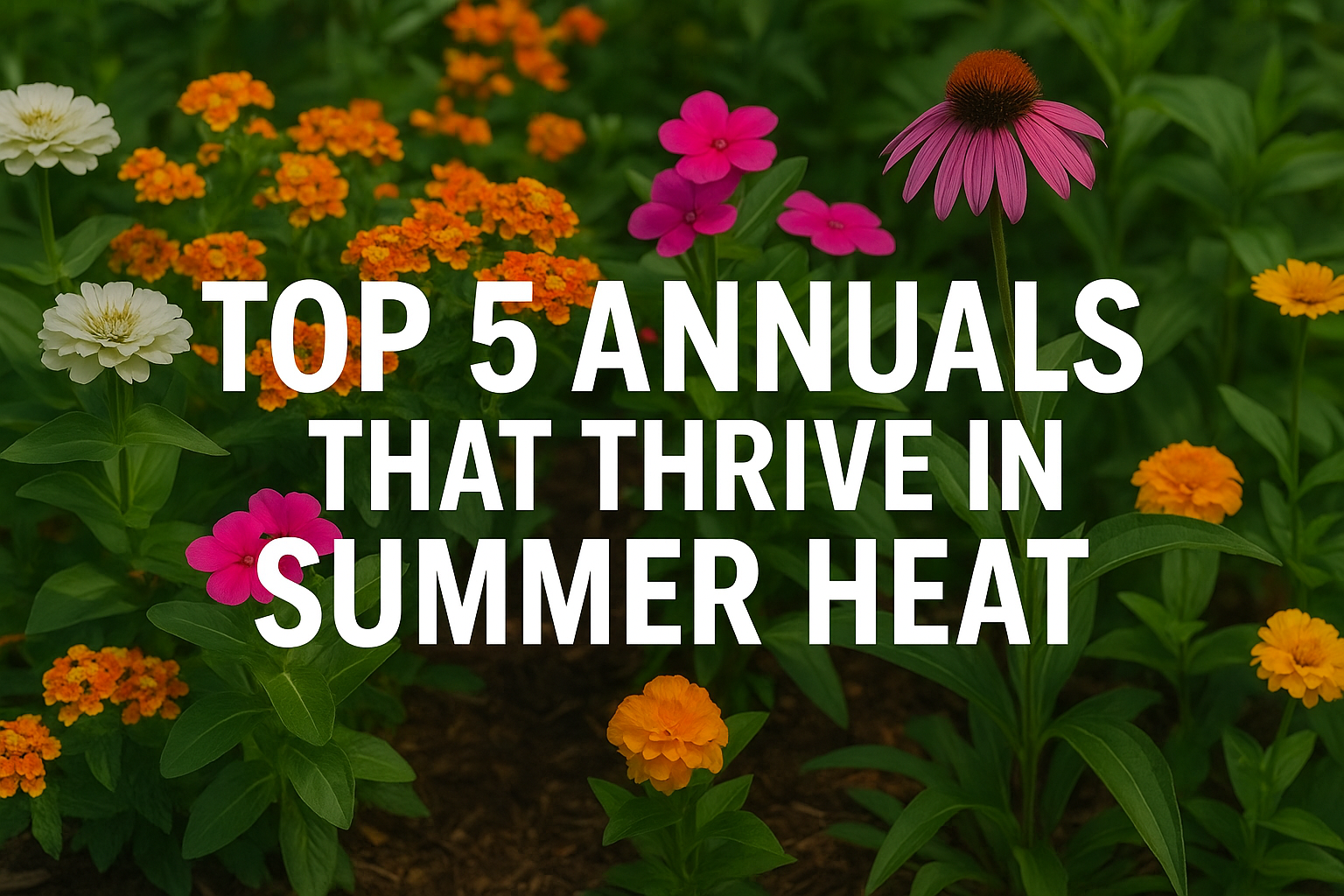
- Flowers: Zinnias, marigolds
- Vegetables: Lettuce, cherry tomatoes
Why this works:
Small gardens are easier to:
- Monitor
- Fix problems
- Build confidence
Step 3: Use the Right Soil
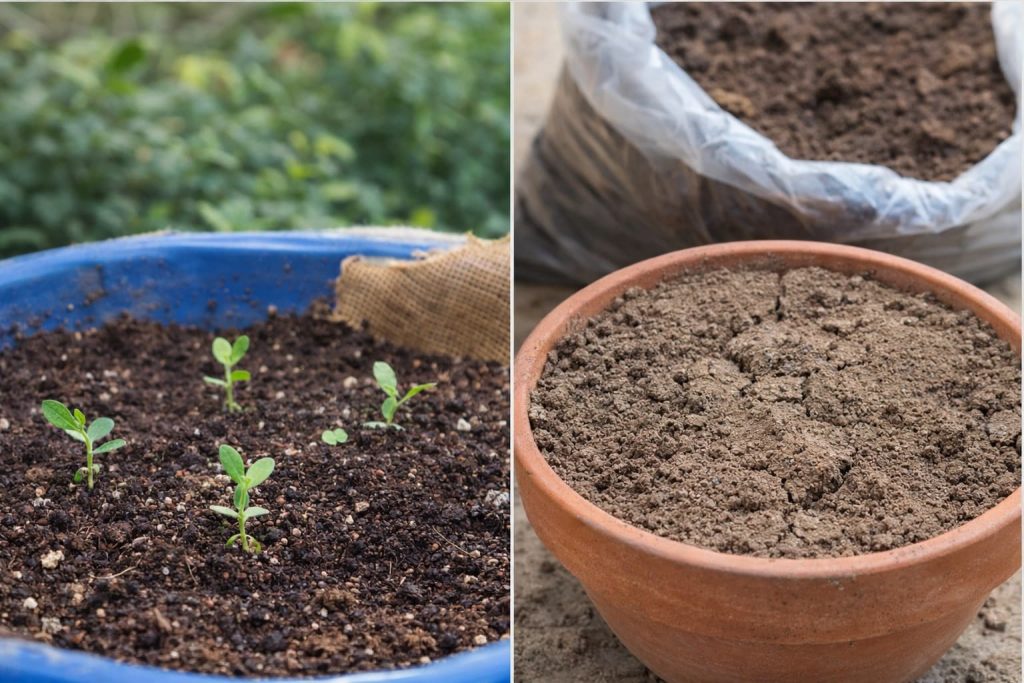
Think of soil as your plant’s foundation.
What good soil looks like:
- Loose and crumbly
- Holds moisture but drains well
- Dark and rich (organic matter)
Simple beginner mix:
- 60% quality potting soil
- 30% compost
- 10% perlite or sand (for drainage)
Avoid:
- Hard, compact soil
- Pure garden dirt in pots
Step 4: Plant Smart
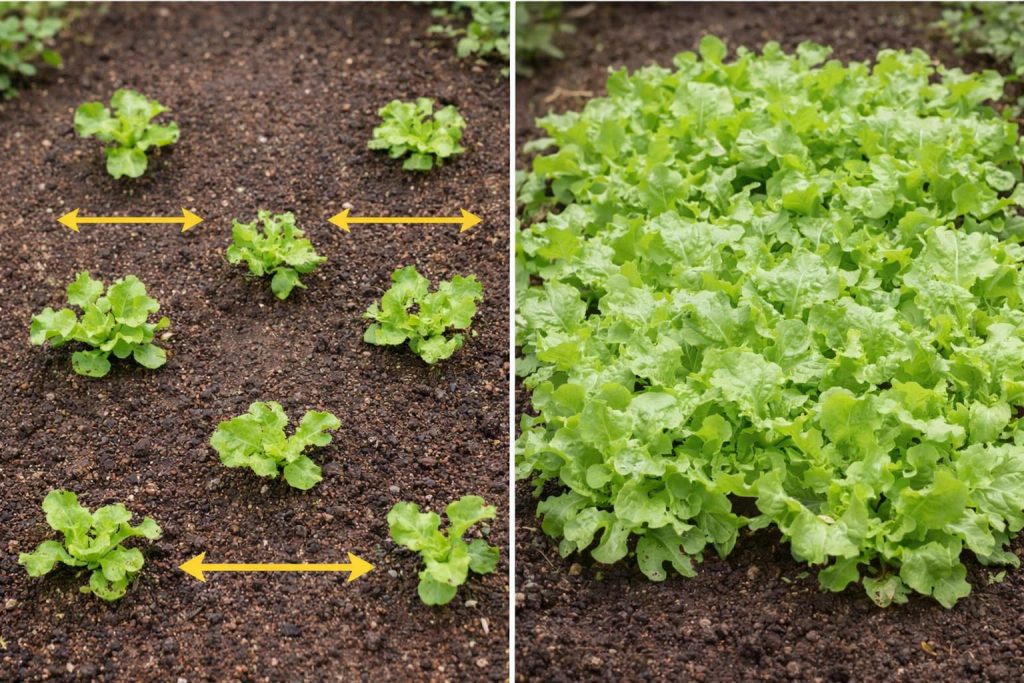
Plants need space—not just soil.
Basic rules:
- Follow spacing on seed packet or label
- Don’t bury stems too deep (except tomatoes)
- Keep roots gently loosened before planting
Beginner shortcut:
If unsure → leave more space than you think
Crowded plants = poor airflow + disease risk
Step 5: Water the Right Way
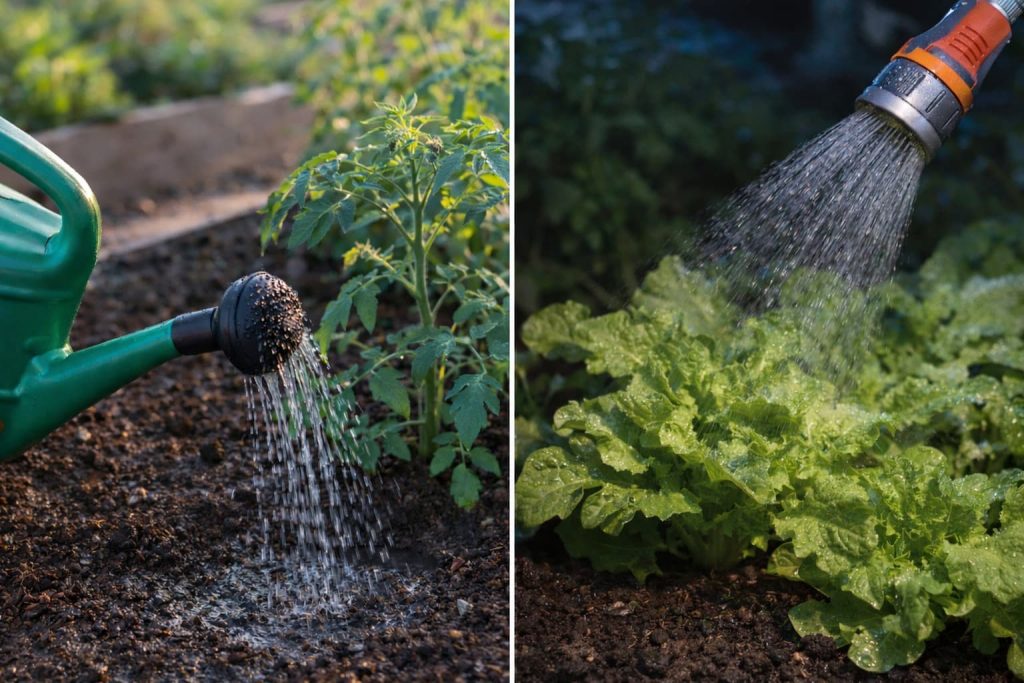
Overwatering kills more plants than neglect.
Correct method:
- Water deeply (until soil is fully moist)
- Then wait until top 2–3 cm dries
Best time:
- Early morning
Avoid:
- Daily light watering
- Wetting leaves at night
Simple test:
Stick your finger into soil:
- Dry → water
- Moist → wait
Step 6: Weekly Care Routine
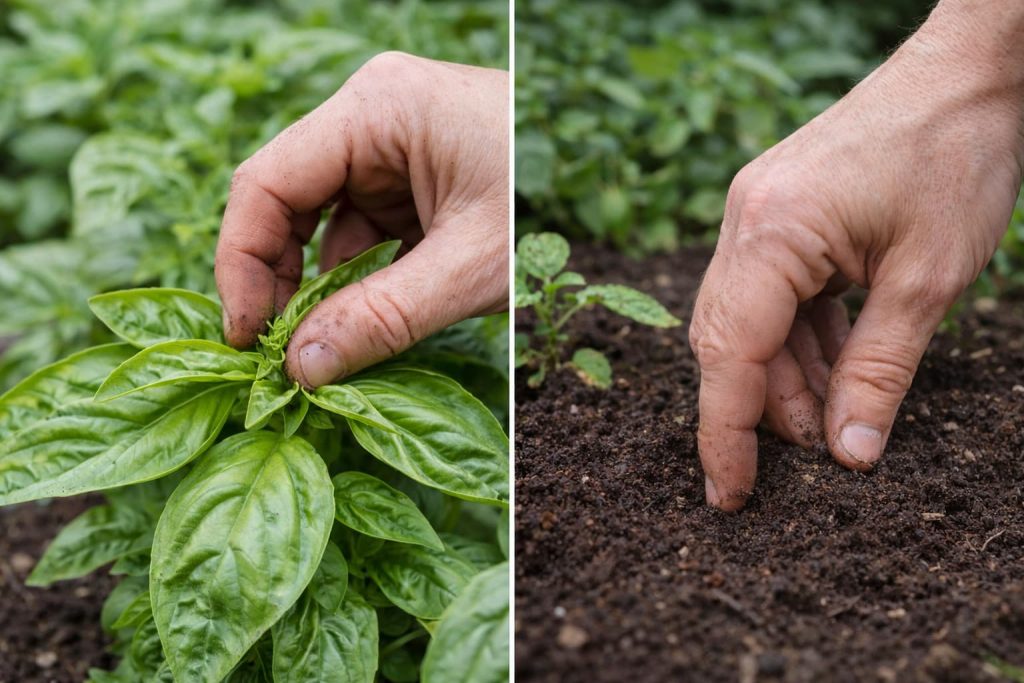
You don’t need to “work” in your garden every day.
10-minute weekly routine:
- Check soil moisture
- Remove dead leaves
- Look for pests
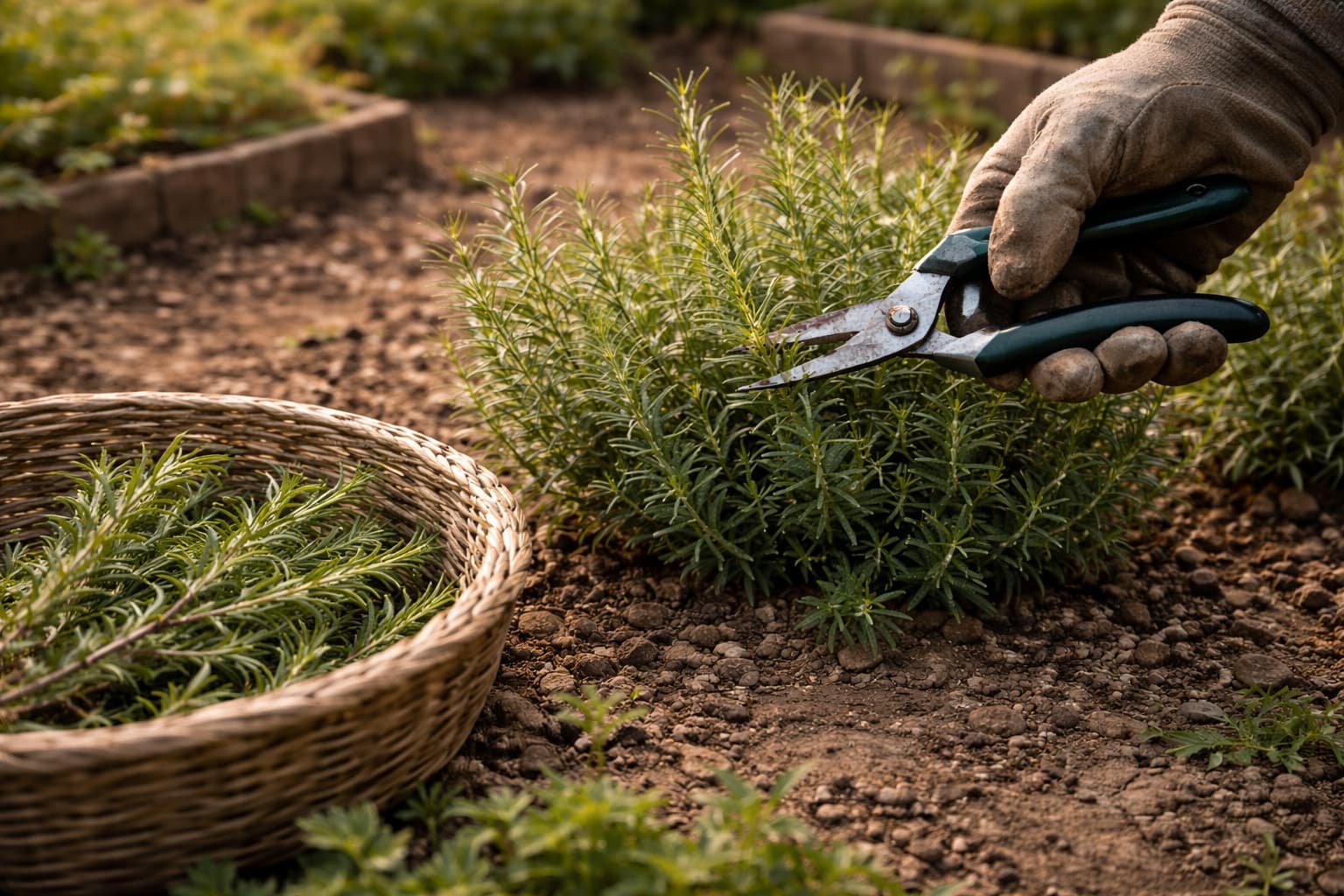
- Light pruning (especially herbs)
Consistency beats intensity.
Beginner Garden Layout
Option 1: Container Garden
- 3 pots: basil, mint, cherry tomato
- Place in full sun area
Option 2: Small Raised Bed (1m x 1m)
- Back: tomatoes
- Middle: herbs
- Front: lettuce
Tools You Actually Need
Keep it minimal:
- Hand trowel
- Watering can
- Pruning scissors
- Gloves (optional)
That’s it.
Beginner FAQs
How long does it take to start a garden?
You can set up a basic garden in 1–2 hours.
What is the easiest garden for beginners?
Container gardening is the easiest—less risk, more control.
When should I start?
- Spring and early summer are ideal
- Indoors herbs can start anytime
Start Small, Grow Naturally
A garden isn’t something you “build” in one day.
It’s something you grow into.
Start with a few plants.
Learn how they respond.
Adjust slowly.
That’s how real gardeners begin.
If you’re starting your first garden this week:
- Choose your 3 plants
- Pick your sunny spot
- Start today—not perfectly