How to Grow Arugula: Prevent Bitterness, Bolting & Common Problems
Learning how to grow arugula is mostly about timing. This fast-growing leafy green prefers cooler conditions, steady moisture, and regular harvesting. If weather turns hot, the root zone dries repeatedly, or the plant matures into flowering, the leaves usually become stronger, tougher, and less useful for a mild salad harvest.
Grow salad arugula in cool spring or fall weather in full sun or light shade, using fertile soil that stays reasonably moist but drains well. Sow small batches every few weeks instead of planting everything at once. Harvest young leaves regularly. During warm spells, keep the root zone from drying out and use light shade where practical. If the center begins to elongate into a flower stalk, the plant is bolting; pinching the stalk may buy a little time, but starting a fresh sowing is usually the better long-term answer.
Arugula at a Glance
Arugula—also called rocket or roquette—is a cool-season member of the mustard family. The common salad type, Eruca vesicaria subsp. sativa, is usually grown as a quick annual crop for tender peppery leaves. Wild rocket, Diplotaxis tenuifolia, is a different species with narrower, more deeply divided foliage and a stronger flavor.
| Need | Practical starting point | Watch for |
|---|---|---|
| Season | Cool spring and fall conditions | Rapid bolting in prolonged heat |
| Light | Full sun in cool weather; light shade can help in warmth | Hot exposed sites shortening the harvest window |
| Soil | Fertile, moisture-retentive, well-drained soil | Repeated drying or poor drainage |
| Sowing | Direct sow thinly; repeat small batches | Overcrowding and one large glut |
| Harvest | Pick young leaves regularly | Older coarse leaves and rising flower stems |
1. Grow Arugula When the Weather Is Cool
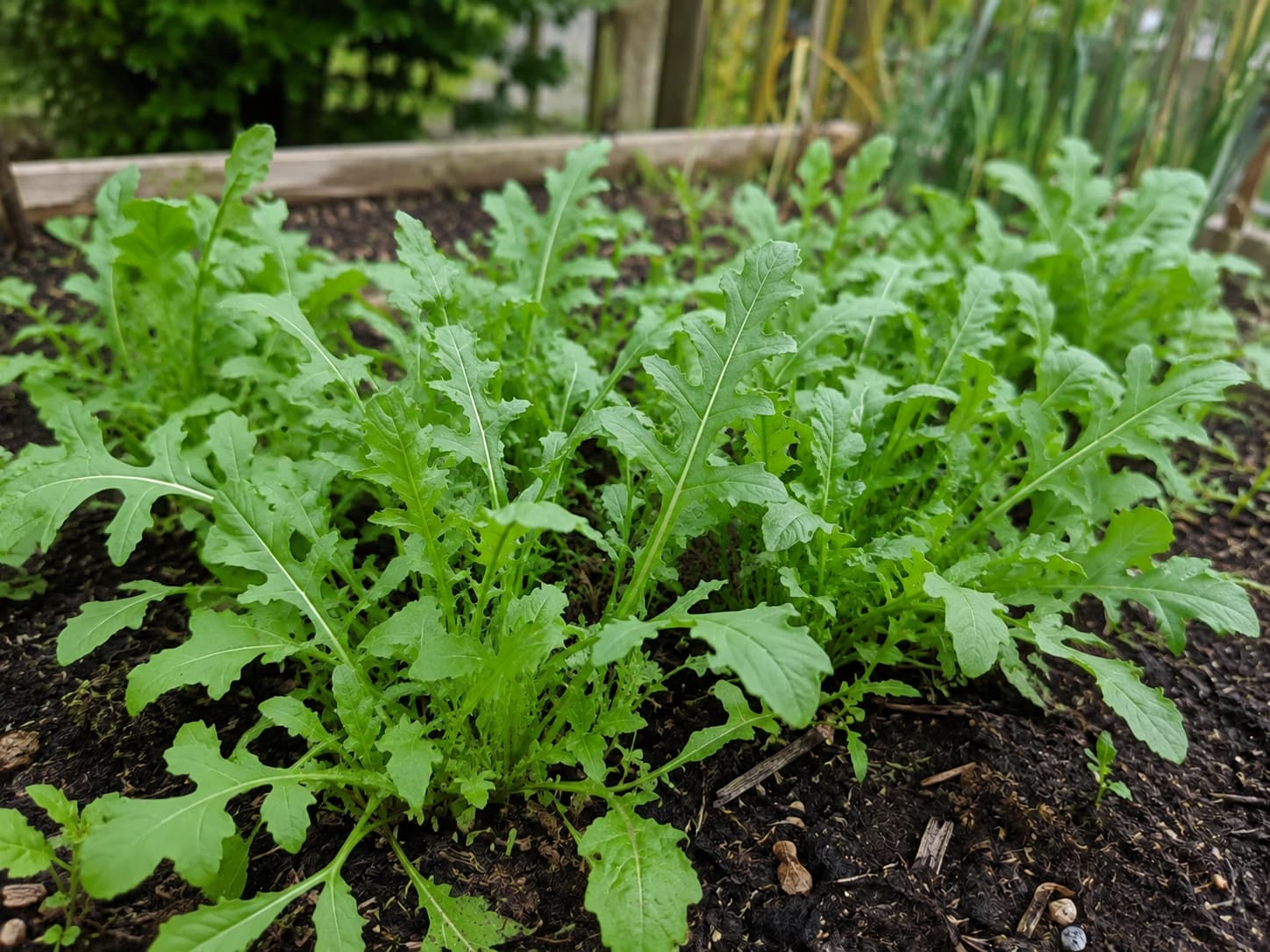
Arugula is most dependable in spring and fall. In cooler conditions it tends to stay leafy longer, while hot weather speeds up flowering and shortens the useful harvest period. Exact sowing dates depend on local climate, so use soil conditions and seasonal temperatures rather than a single national calendar.
In mild-winter regions, arugula can also be a useful cool-season crop. In hotter climates, the most productive strategy is often to treat summer as the difficult season and concentrate sowings into cooler windows.
2. Sow Small Batches Instead of One Huge Planting
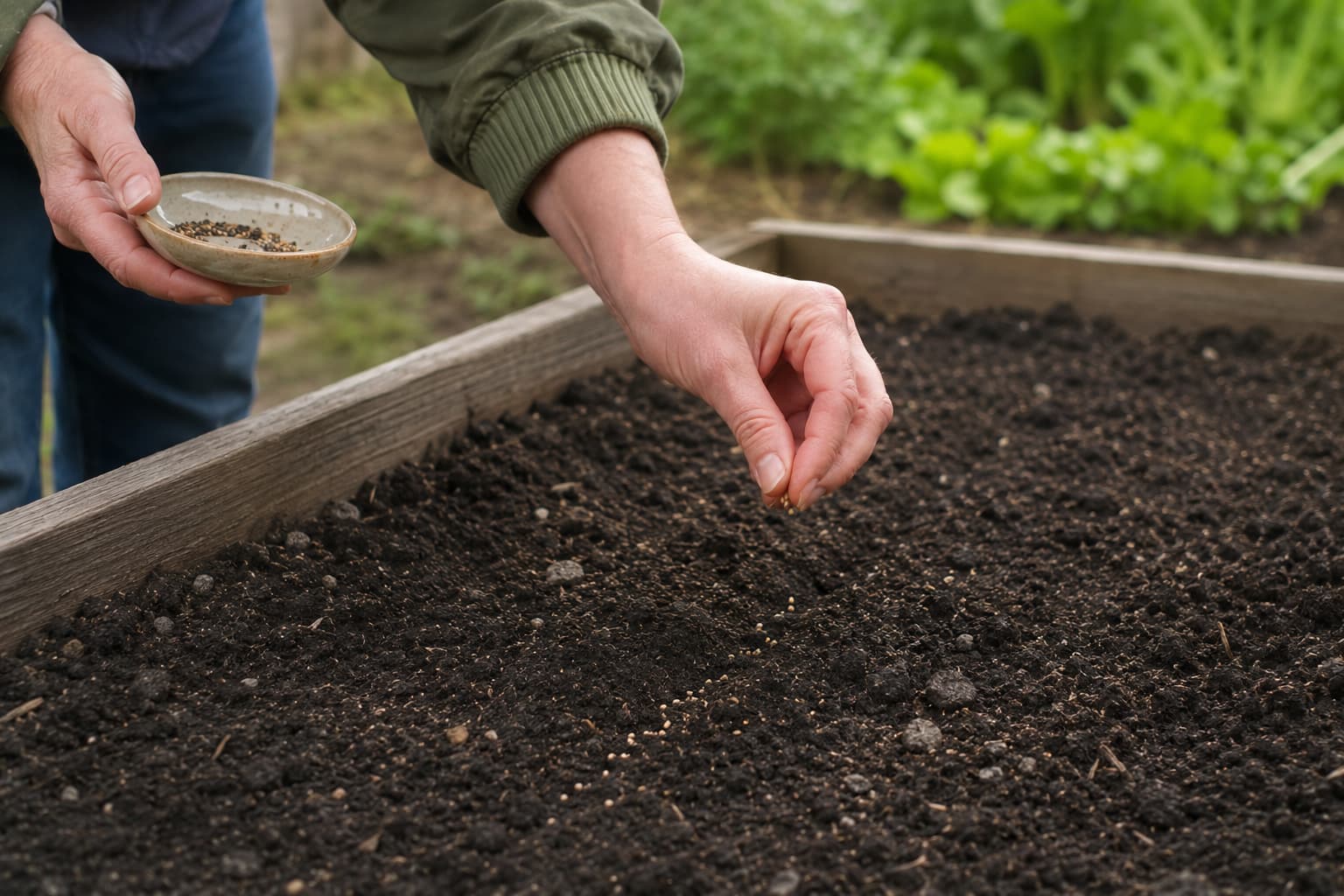
Arugula is usually easiest to direct sow. Prepare a fine soil surface, place or scatter seeds thinly, cover them lightly, and keep the seedbed evenly moist while seedlings establish.
For full-size individual plants, thin seedlings so neighboring plants are not crowded. For baby-leaf harvesting, a denser sowing can work, but air movement and consistent moisture still matter. Use edible thinnings rather than letting every seedling compete in the same small space.
Succession Sowing
Instead of trying to keep one planting productive for an entire season, sow a small new batch every few weeks during suitable weather. Each annual salad-arugula planting has a limited leafy window before maturity and flowering begin to take over, so overlapping generations give a steadier harvest.
3. Give Arugula Sun in Cool Weather—and Relief From Heat
Arugula grows in full sun to partial shade. In spring and fall, a sunny position usually supports compact, productive growth. As weather becomes warmer, light afternoon shade can reduce heat stress and sometimes extend the leafy harvest window.
Shade does not turn annual salad arugula into a true hot-season crop. It can help around the edges, but temperature, plant maturity, and day length still push the plant toward flowering.
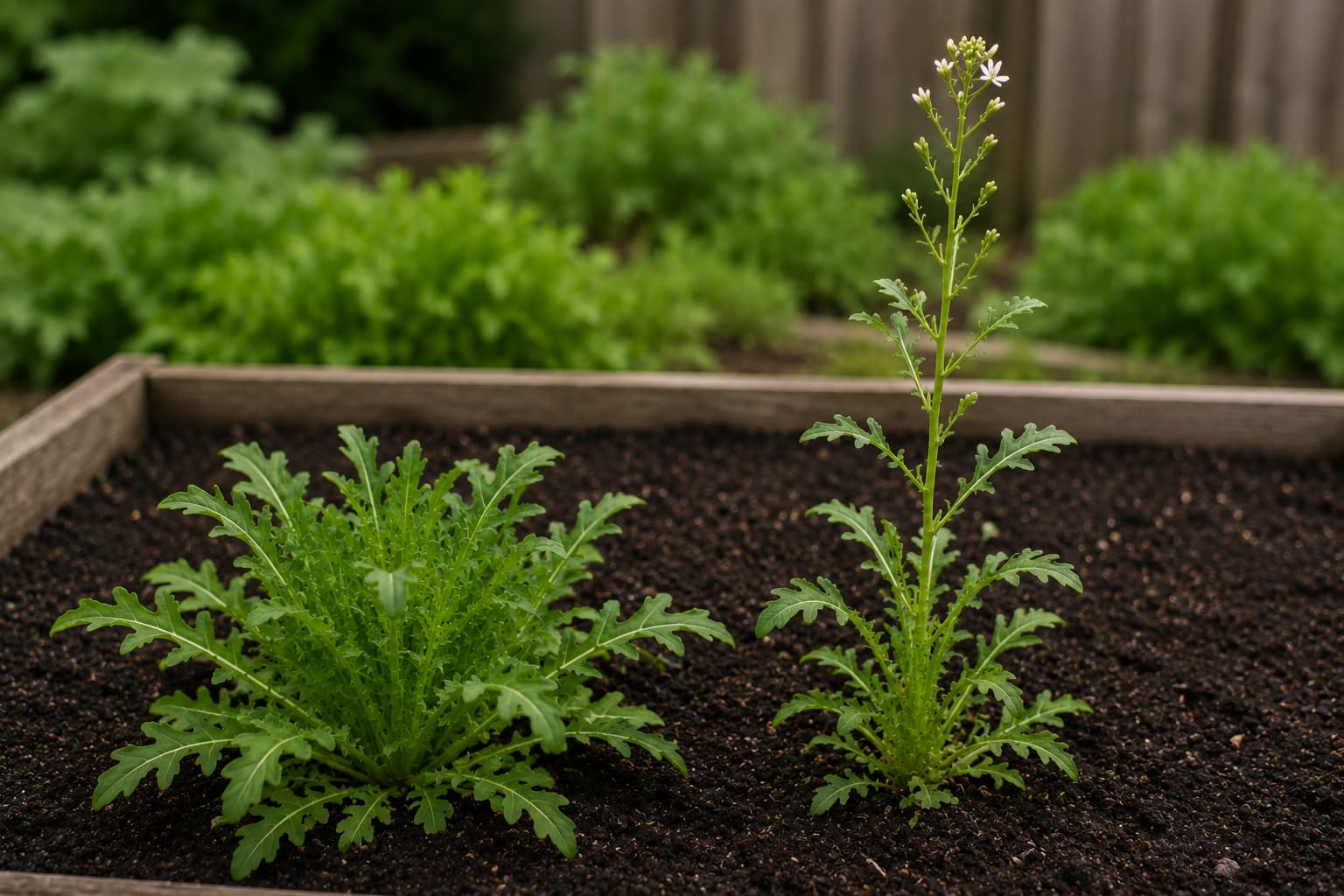
Bolting is part of the plant's normal life cycle. The useful goal is to keep plants leafy long enough for a good harvest, then replace them with a younger sowing when flowering takes over.
4. Keep Growth Steady With Moist, Well-Drained Soil
Arugula has a relatively shallow root system and responds poorly to repeated drying during active growth. Water when the root zone begins to dry, especially in containers and warm weather. Aim for steady moisture without leaving the soil saturated.
Fertile soil with organic matter helps hold useful moisture. Avoid compensating for heat or drought stress with heavy fertilizer; water, temperature, and timing are usually the more important issues when a crop suddenly becomes coarse or bolts.
5. How to Grow Arugula in Containers
Arugula is well suited to pots, window boxes, and troughs because it grows quickly and does not require a permanent garden bed. Choose a container with drainage holes and enough surface area for a useful patch of leaves. A larger container dries more slowly than a tiny pot, which becomes especially helpful as temperatures rise.
- Use fresh, well-drained potting mix rather than dense garden soil.
- Keep seedlings evenly moist while they establish.
- Thin crowded plants unless you are deliberately growing a baby-leaf crop.
- Move the container into light afternoon shade during unusually hot spells if practical.
- Sow a second container before the first one begins to bolt for a smoother harvest transition.
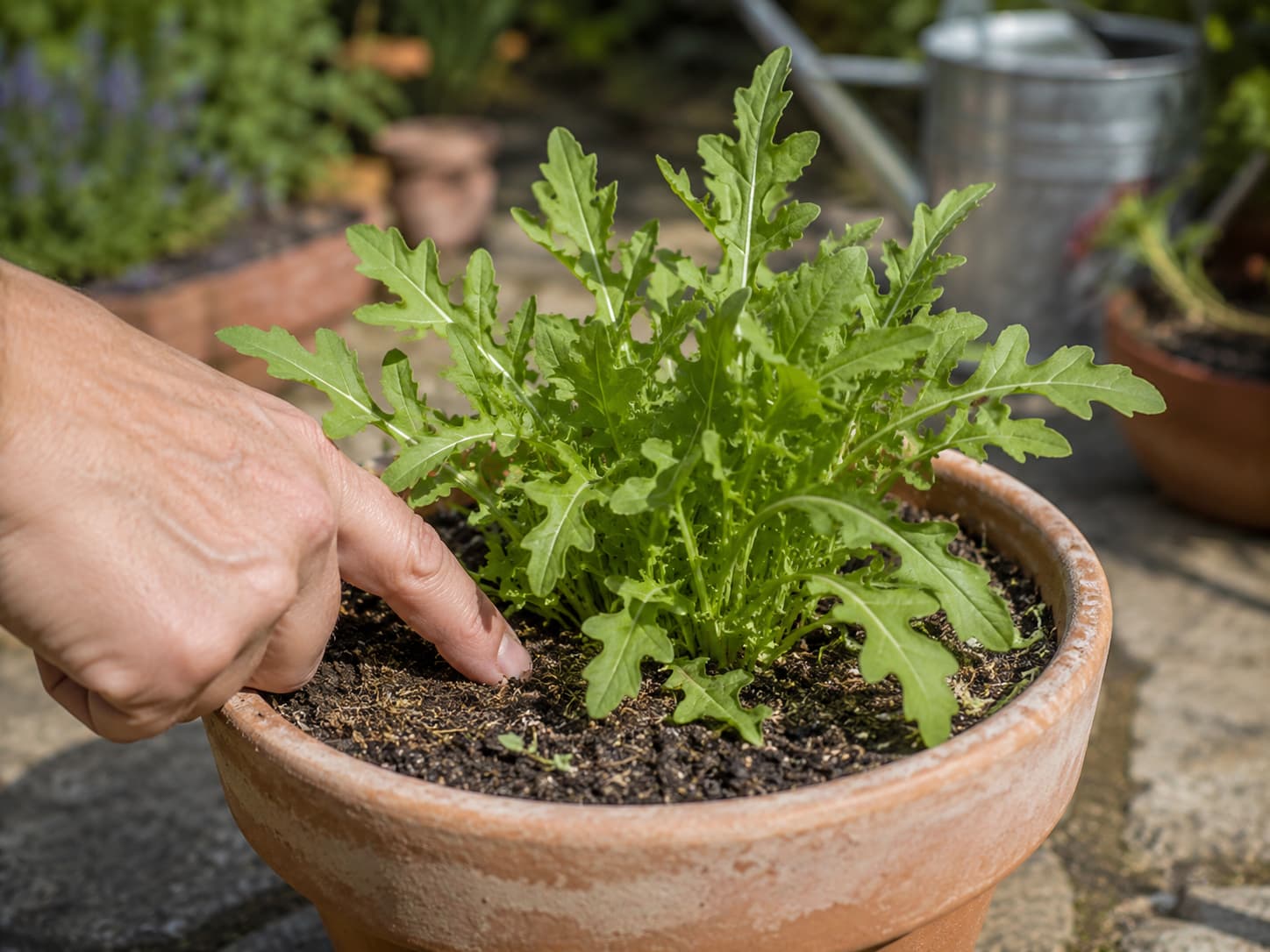
6. How to Harvest Arugula for Tender Regrowth
Under suitable conditions, young arugula leaves may be ready within several weeks of sowing. Young foliage is generally more tender and milder than older leaves, so harvest timing matters as much as plant size.
For Individual Plants
Harvest a few outer leaves from each plant and leave the central growing point intact. This lets the center continue producing new foliage rather than stripping the plant in one pass.
For a Dense Baby-Leaf Patch
Use clean scissors to shear leaves above the crown so the growing points remain in place. Healthy plants may produce another flush, although annual salad rocket will eventually flower and finish.
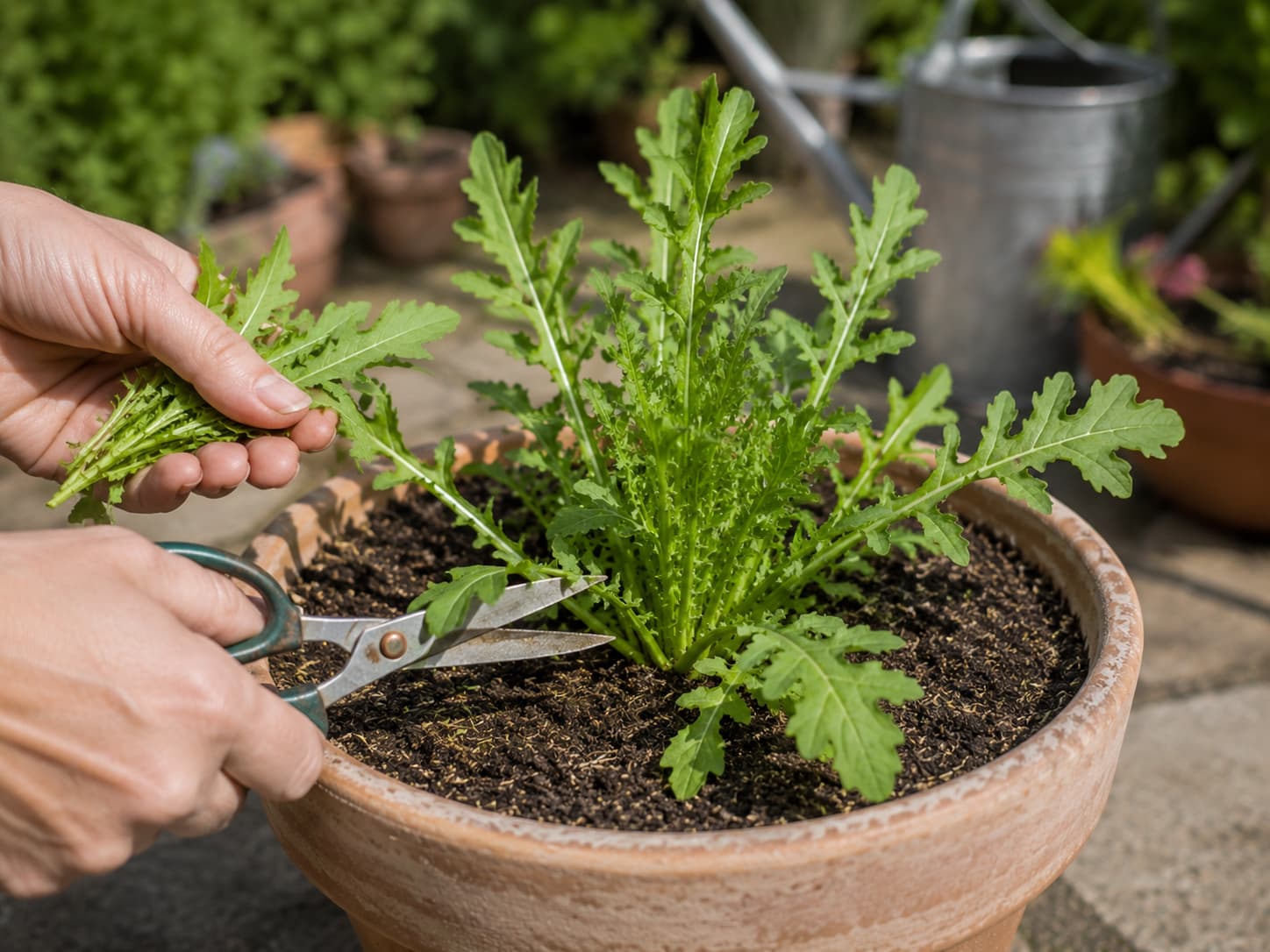
7. Why Does Arugula Turn Bitter or Extremely Peppery?
Arugula is naturally peppery, so some sharpness is normal. Flavor often becomes stronger as leaves age and as plants grow through warmer conditions. Once annual salad rocket begins bolting, leaf texture and flavor usually move further away from the mild, tender stage many people want for salads.
| What is happening | What it can do to flavor | Best response |
|---|---|---|
| Hot weather | Often intensifies pungency and speeds flowering | Shift future sowings to cooler weather; use light shade where useful |
| Older leaves | Usually stronger and coarser than baby leaves | Harvest younger foliage regularly |
| Repeated drying | Adds stress and can shorten the leafy period | Keep moisture more consistent |
| Bolting | Leaf texture and flavor become less suited to mild salads | Harvest what is usable and start a fresh sowing |
Can Bitter Arugula Be Saved?
You cannot turn an old, heat-stressed, bolting leaf back into a young mild one. If the flavor is simply stronger than you like raw, use the leaves in cooked dishes, pesto, soups, or mix them with milder greens. For the next crop, improve timing rather than trying to “fix” mature leaves after the fact.
8. What to Do When Arugula Bolts
Bolting begins when the center of the plant elongates and starts forming flower buds. Pinching an early flower stalk may extend leaf production briefly, but it does not reset the plant's age or seasonal signals.
If several plants are sending up flower stalks and the leaves are becoming coarse, treat that sowing as finished. Harvest any leaves you still enjoy, let selected plants bloom if you want edible flowers or seed, and put your effort into a younger batch.
9. Common Arugula Problems
| What you see | Likely issue | What to do first |
|---|---|---|
| Tiny round “shot holes” | Flea beetles | Protect young crops with appropriate row cover and inspect nearby brassicas |
| Flower stalk appears early | Bolting | Check heat, moisture stress, crowding, and crop age |
| Leaves taste unusually strong | Heat, maturity, or bolting | Harvest younger leaves and shift the next sowing cooler |
| Seedlings disappear | Possible slugs/snails or other feeding | Inspect at night and around damp hiding places |
| Pale or spotted foliage | Could be disease, feeding damage, or stress | Inspect both leaf surfaces before treating |
Flea Beetles
Flea beetles are one of the most recognizable arugula pests. They make many small round holes in leaves and can severely damage seedlings when populations are high. Physical exclusion with row cover is most useful when it prevents beetles from reaching the crop before heavy feeding begins.
Do not depend on claims that mint, dill, or another companion plant will reliably repel flea beetles. Protecting the crop and correctly identifying the pest are more dependable starting points.
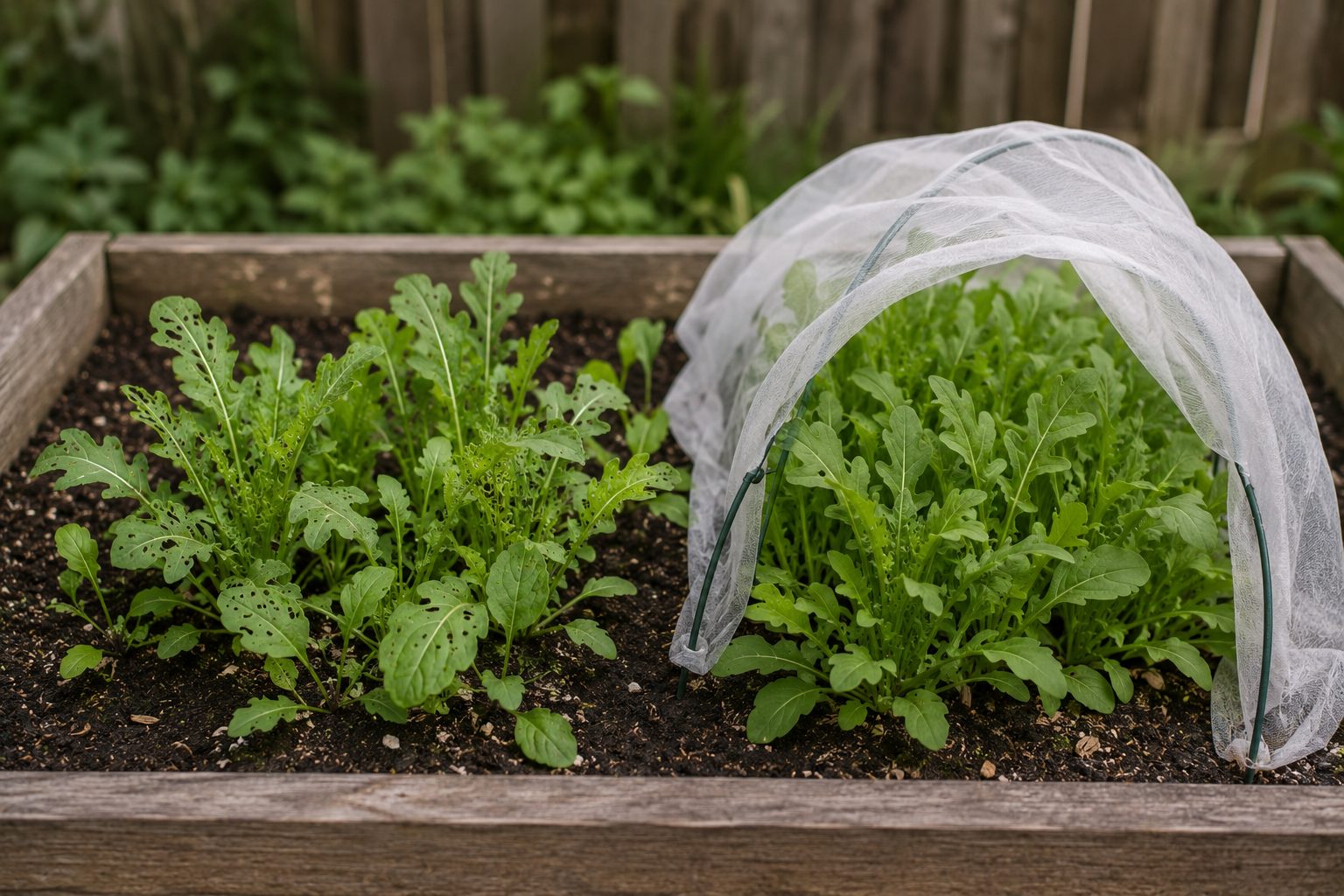
10. Salad Arugula vs Wild Rocket
These two plants are often sold under similar names, but their growth habits are different enough to matter.
| Type | Botanical name | Typical traits |
|---|---|---|
| Salad arugula / garden rocket | Eruca vesicaria subsp. sativa | Fast annual crop, broader leaves, generally milder when young, readily bolts in heat |
| Wild rocket | Diplotaxis tenuifolia | Longer-lived in suitable climates, narrower deeply divided leaves, stronger flavor, longer cropping habit |
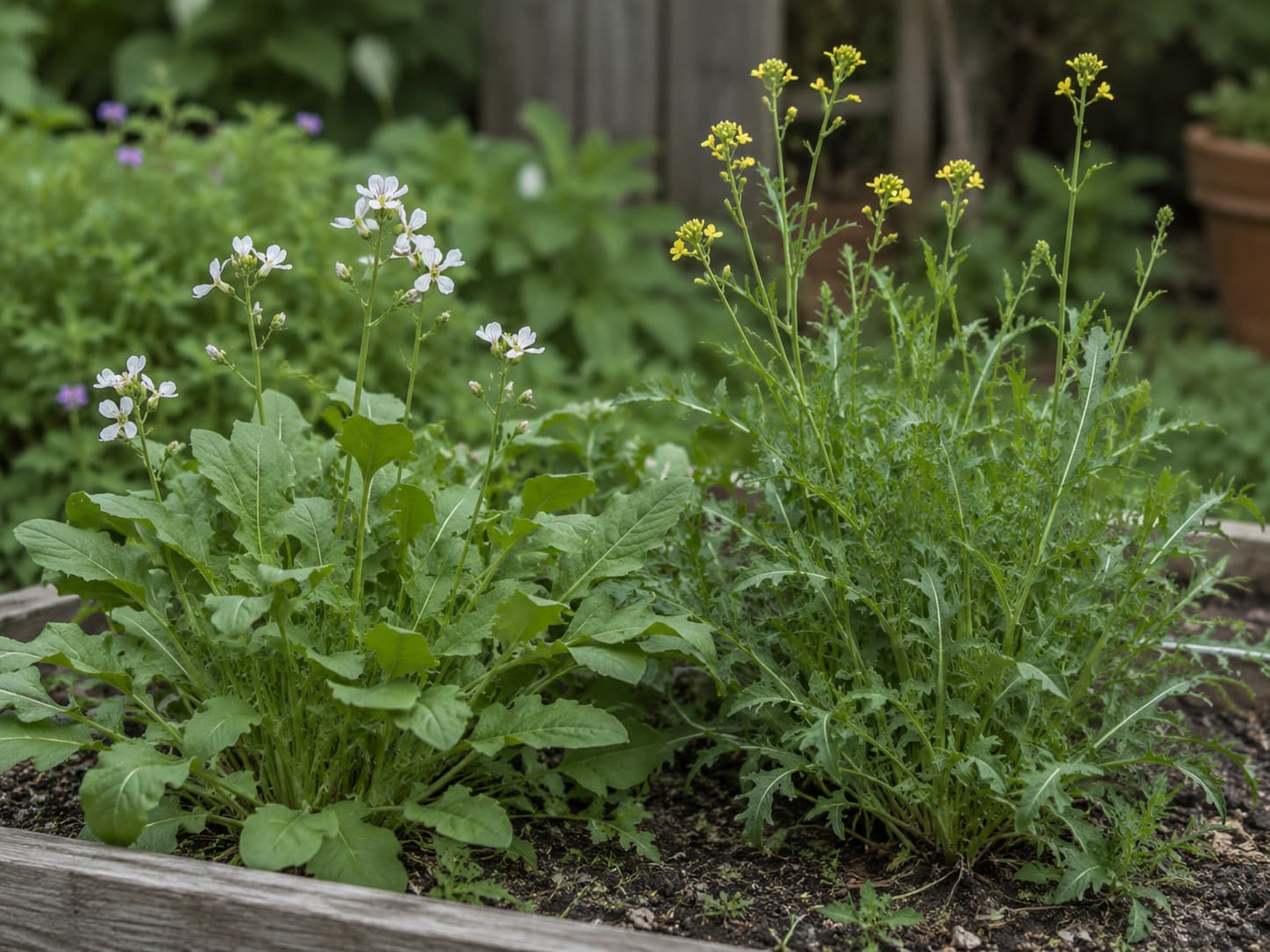
11. Can You Eat Arugula Flowers?
Yes. Arugula flowers are edible and retain a peppery character. If you enjoy them, leave a few healthy plants to bloom. Annual salad arugula will eventually finish after flowering and seed production, while wild rocket can continue as a longer-lived plant.
If you want seed, allow selected flower stems to mature rather than harvesting every bloom. Self-sown seedlings may appear later where conditions suit germination.
The Greenmuse 3-Step Arugula Routine
Step 1: Time the Crop for Cool Weather
Use spring and fall as your main growing windows, and treat summer shade as a way to reduce stress rather than a guarantee against bolting.
Step 2: Keep a Younger Batch Coming
Sow small batches every few weeks during suitable weather so your harvest does not depend on keeping one aging planting productive indefinitely.
Step 3: Harvest Before the Plant Changes Phase
Pick young leaves regularly. When the center elongates and flowering takes over, harvest what you still enjoy and move on to the next sowing.
Arugula is a good reminder that gardening is often easier when you work with a plant's season instead of forcing it through the wrong one. A small fresh sowing can be more rewarding than trying to rescue an old crop from summer heat.
Frequently Asked Questions
How long does arugula take to grow?
Arugula is fast. Under suitable conditions, young leaves may be ready within roughly four to six weeks, and baby leaves can be picked earlier. Temperature, variety, spacing, and harvest size all change the timing.
Why is my arugula bitter?
Arugula is naturally peppery, but older leaves and warm growing conditions can intensify the flavor. Bolting usually makes the crop less useful for mild salads. Harvest younger leaves and grow the next batch in cooler conditions.
Can you stop arugula from bolting?
You can slow early bolting by reducing heat and moisture stress, using light shade during warm weather, avoiding crowding, and growing in the cool season. You cannot permanently stop an annual salad-arugula plant from eventually flowering.
Should I cut the flowers off arugula?
Pinching an early flower stalk can briefly extend leaf production, but once the plant is strongly bolting it is usually better to start a new sowing. Leave some flowers if you want to eat them or collect seed.
Can arugula grow in pots?
Yes. Use a container with drainage holes and enough width for a useful planting. Larger containers hold moisture more steadily than tiny pots, which is helpful in warm weather.
Can arugula grow in partial shade?
Yes. Arugula grows in full sun or partial shade, and light shade can be useful during warmer weather to reduce heat stress and delay flowering.
What are the tiny holes in my arugula leaves?
Many small round shot holes are commonly caused by flea beetles. Young seedlings are the most vulnerable, so early physical protection is often more useful than waiting until leaves are badly damaged.
Can I eat arugula after it flowers?
The flowers are edible, and leaves are not automatically unsafe after flowering, but annual salad-arugula leaves often become stronger and coarser as the plant bolts. Use them only if you still enjoy their texture and flavor.
What is the difference between arugula and wild rocket?
Common salad arugula is usually Eruca vesicaria subsp. sativa, a short-lived annual crop. Wild rocket is Diplotaxis tenuifolia, a different species with narrower divided leaves, a stronger flavor, and a longer-lived habit.
Final Thoughts
The easiest way to grow better arugula is to stop treating it like a permanent leafy plant. Give it cool weather, steady moisture, enough space, and regular harvests. Then keep a younger sowing coming before the older crop begins to flower.
If your arugula suddenly tastes much stronger or sends up a tall center stalk, do not assume you failed. The plant is changing phase. Adjust the timing of your next sowing, and let the current crop finish naturally if you want flowers or seed.