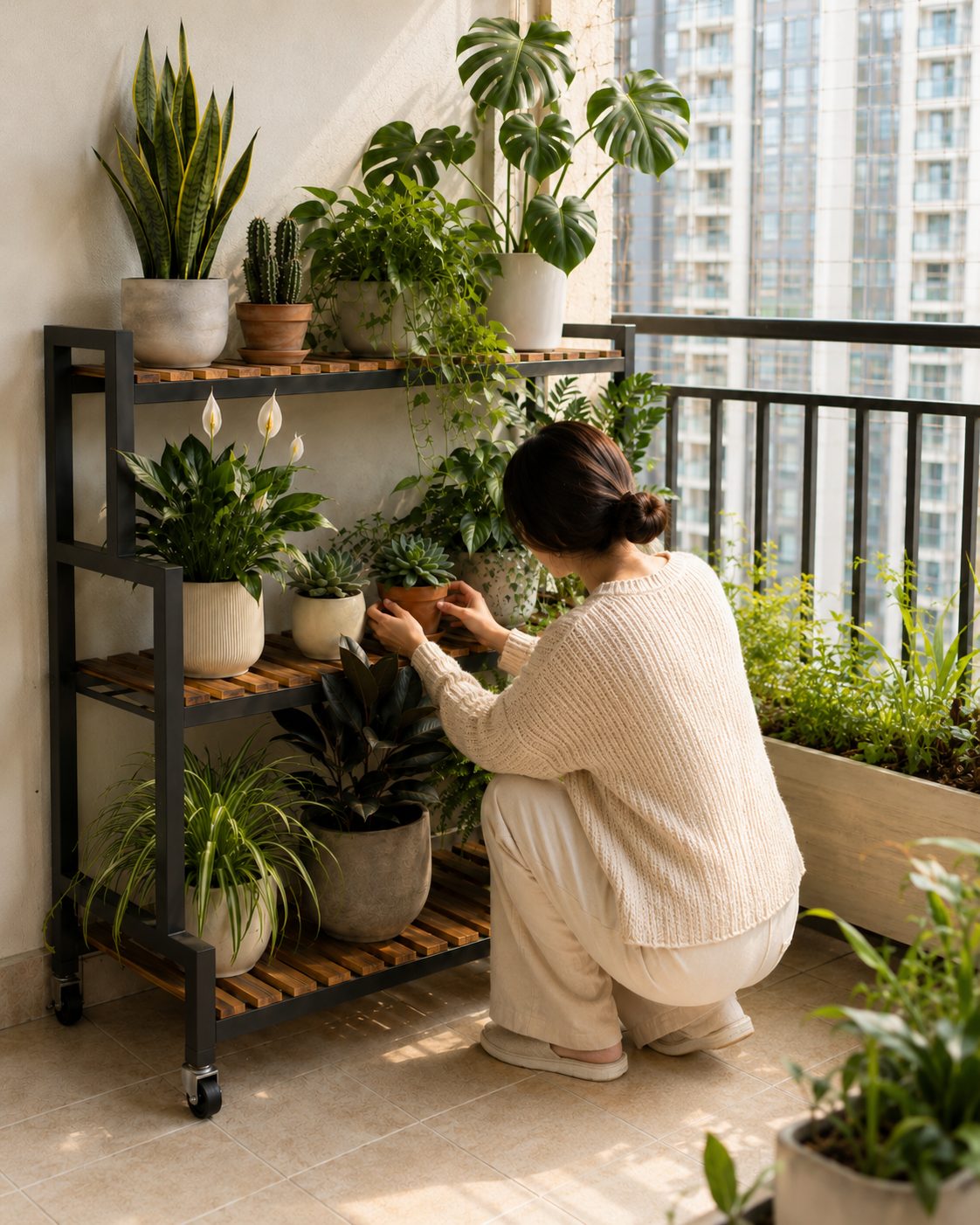
Containers vs In-Ground Planting: When Control Matters More Than Soil
Choosing between containers and in-ground planting is really a decision about control versus stability. Pots give you more control over drainage, soil structure, placement, and seasonal movement. In-ground planting gives roots more room, buffers temperature swings better, and usually asks less of you once plants are established.
If your soil drains well and the plant is meant to stay for years, in-ground planting is usually the easier long-term home. Choose containers when you need to manage poor drainage, limited space, seasonal movement, potting mix, or a plant that is still being tested in your conditions.
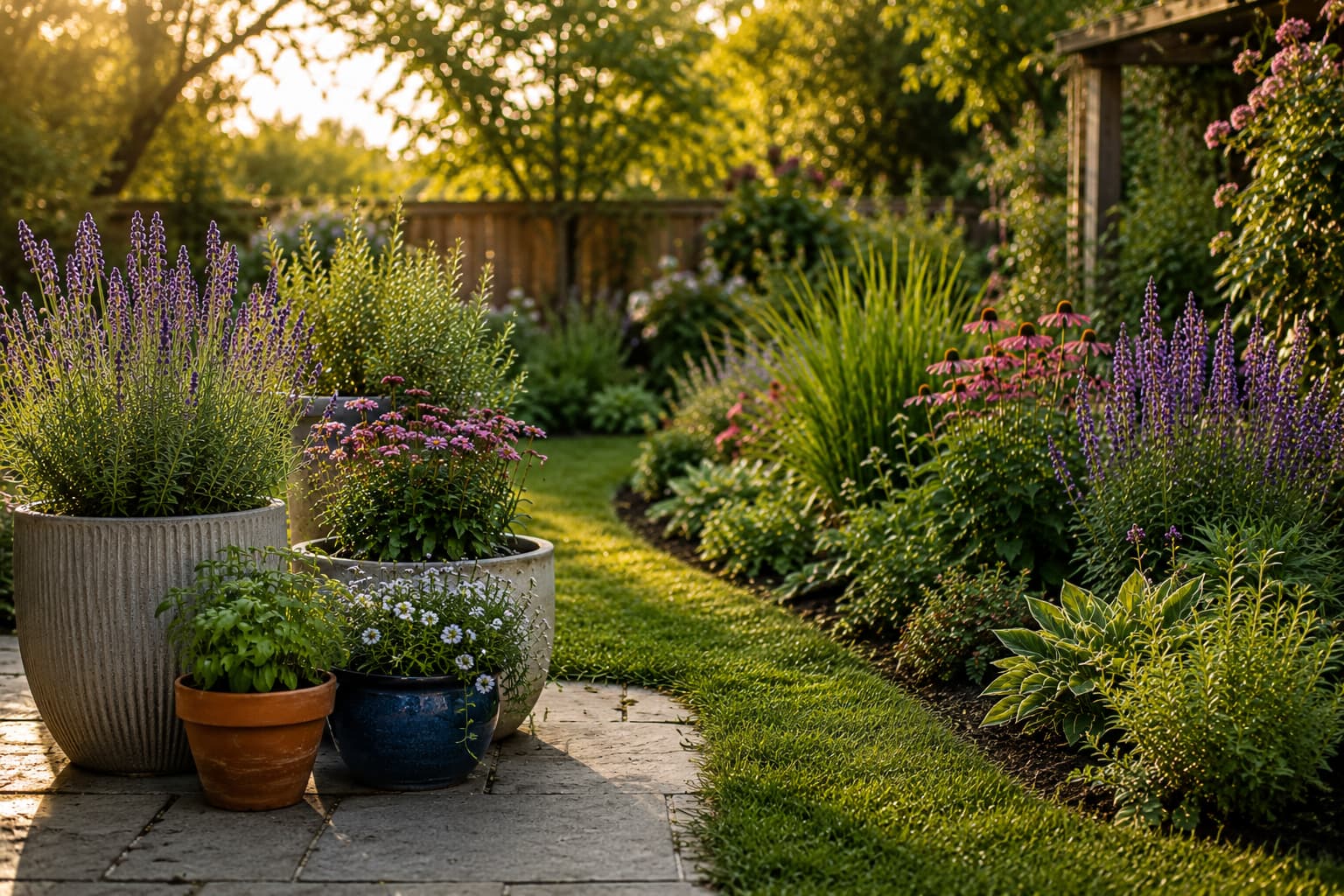
Containers vs In-Ground Planting: Quick Decision Table
| Question | Lean toward containers | Lean toward in-ground |
|---|---|---|
| Does the native soil stay wet or compacted? | Yes — a container lets you choose the root-zone structure. | No — the ground already drains reliably. |
| Will the plant stay for many years? | Maybe not; it is seasonal, experimental, or portable. | Yes — it is a shrub, tree, or long-lived perennial. |
| Do you need to move it for light, weather, or winter? | Yes — mobility is part of the plan. | No — the site already fits the plant. |
| Is regular watering easy for you? | Yes — containers often dry faster and need closer checking. | You prefer a more buffered root zone once established. |
| Is root space a major long-term need? | Only if the container is appropriately sized and maintained. | Yes — unrestricted root expansion matters. |
Greenmuse rule: use the ground for permanence and buffering; use containers for control and flexibility.
What Containers Give You More Control Over
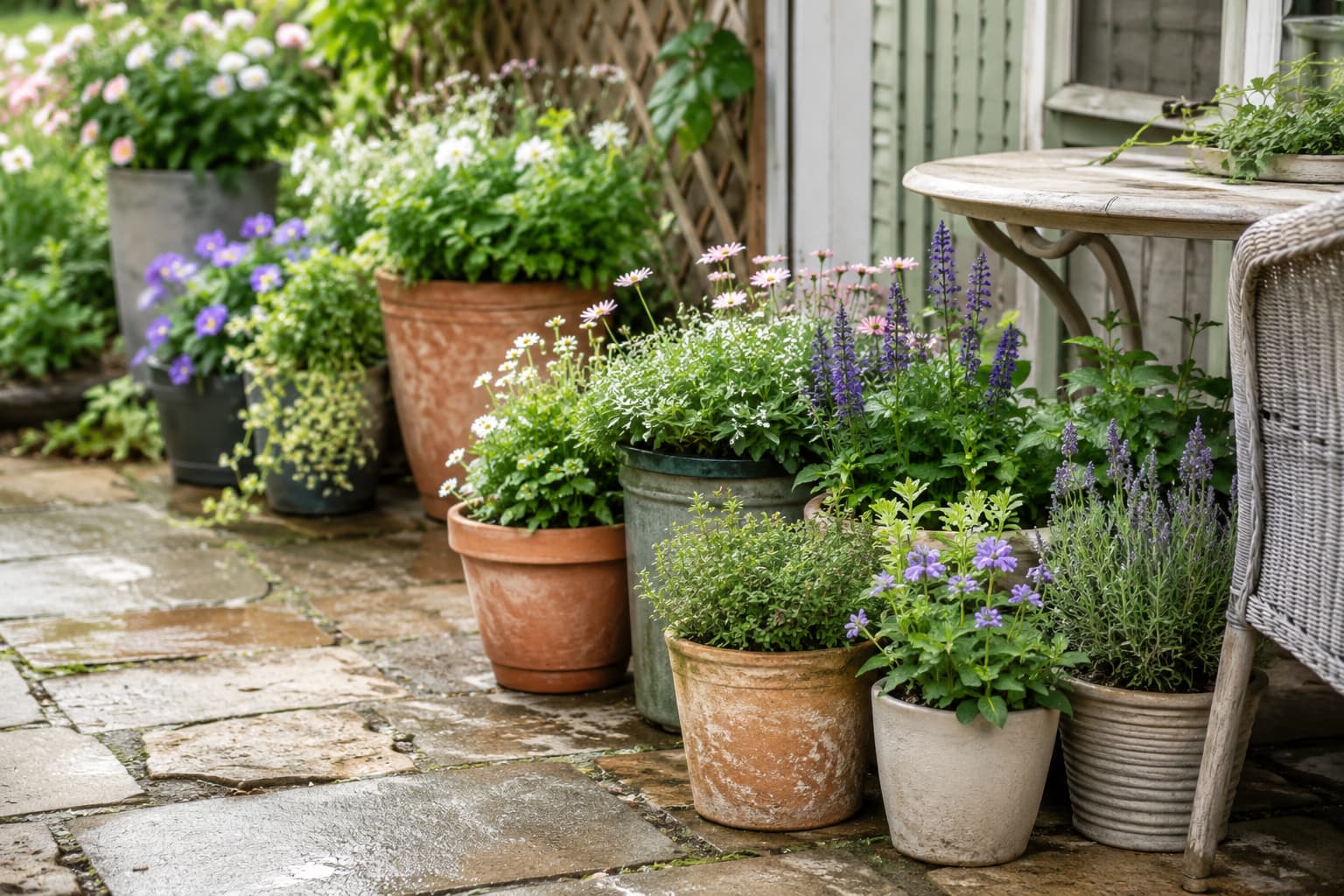
Containers are not a lesser form of gardening. They are useful when the main challenge is not the plant itself, but the site around it.
Drainage
You can choose a growing medium and a pot with drainage holes instead of asking roots to tolerate heavy or compacted native soil.
Root-zone structure
Potting mixes can be adjusted for more or less air space. If you want to compare how commercial media behave, see the Greenmuse potting mix comparison.
Placement
Pots can move toward sun, away from wind, under shelter, or indoors when the season changes.
Experimentation
A container is useful when you are not yet sure where a plant belongs permanently or how it responds to your microclimate.
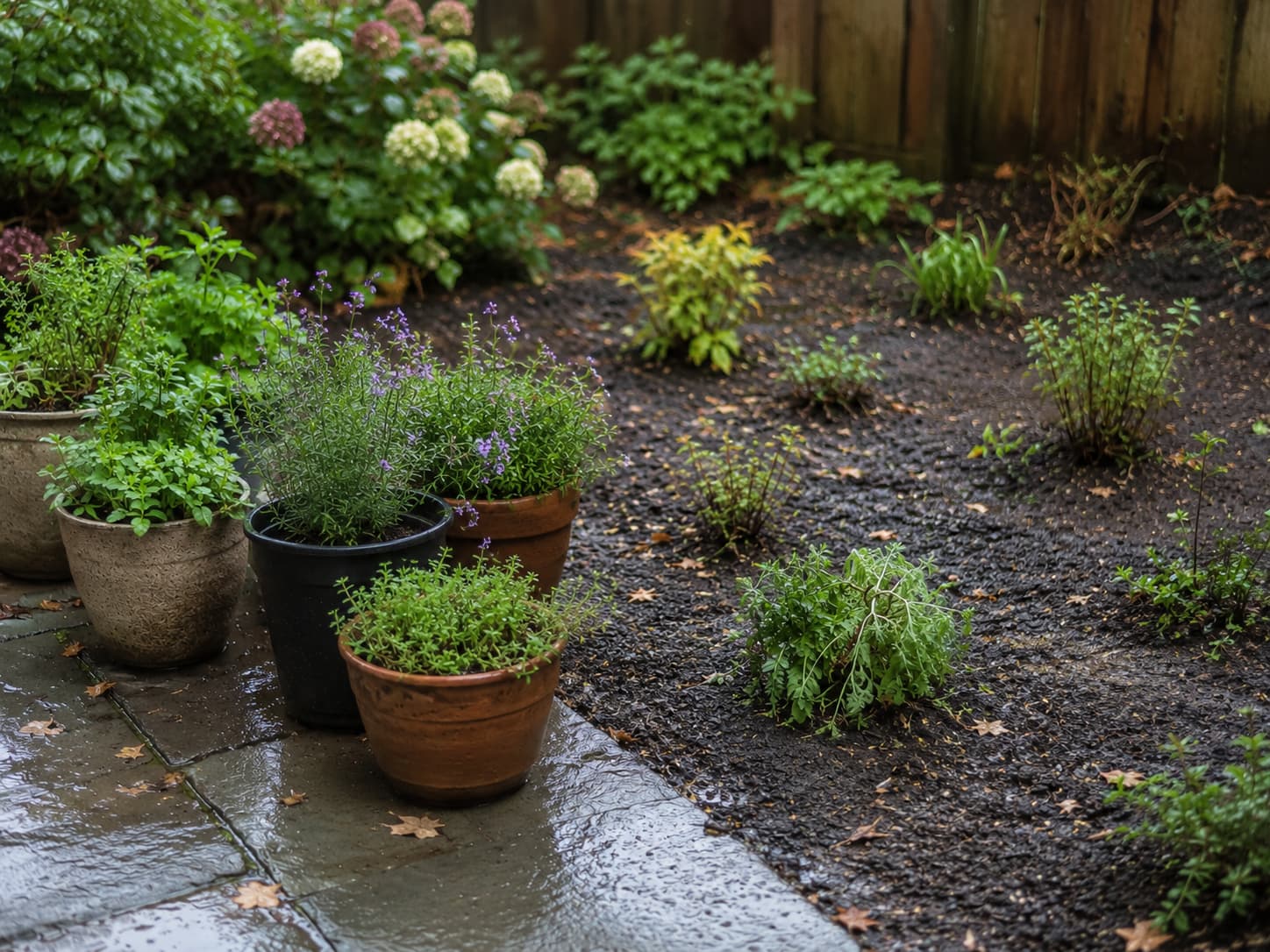
Drainage holes are essential for most ordinary container plants because excess water needs a path out of the root zone. Illinois Extension emphasizes that stagnant, waterlogged conditions reduce the air available to roots and increase root-rot risk.
What In-Ground Planting Does Better
When the site is suitable, the ground offers something containers cannot fully reproduce: volume and buffering. Roots can spread beyond a fixed pot, soil temperature changes more slowly, and established plants often need less frequent intervention.
- Trees and shrubs: usually benefit from unrestricted long-term root expansion.
- Large perennial borders: easier to maintain once plants are established.
- Plants that dislike repeated drying: garden soil can buffer moisture better than a small exposed pot.
- Permanent landscape structure: in-ground planting is the natural choice when you already know the site is right.
Healthy ground is often more forgiving than a pot. The advantage of containers is not that they are easier — it is that they let you change more variables.
Watering: The Biggest Day-to-Day Difference
Container plants usually need more active watering than the same plant established in suitable garden soil. The RHS notes that pots dry more quickly because roots are confined to a limited volume of growing medium, and watering demand changes with weather, pot size, material, and plant type.
| Factor | Containers | In-ground |
|---|---|---|
| Hot, windy weather | Can dry very quickly, especially small or porous pots. | Usually buffered by a much larger soil volume. |
| Heavy rain | Drainage holes and mix structure become critical. | Performance depends on site drainage and soil structure. |
| Missed watering | Small pots can wilt rapidly. | Established roots may access moisture deeper in the soil. |
| Overwatering risk | Higher when pots are oversized, poorly drained, or repeatedly watered before the mix dries appropriately. | Higher mainly where the site itself drains poorly or remains saturated. |
There is no universal weekly schedule. Check the root zone, not the calendar. If a container dries much faster or slower than expected, revisit pot size, material, light, wind, and the structure of the growing medium.
Root Temperature, Summer Heat, and Winter Risk
Container roots experience temperature swings more directly because they sit above ground with less insulation. RHS guidance notes that container plants are more susceptible to cold than the same plants rooted in open ground, while Illinois Extension points out that container size and thickness influence how well roots are buffered from seasonal temperature changes.
- Summer: dark or metal containers can heat quickly in strong sun.
- Winter: roots in pots can be exposed to colder temperatures than roots in the ground.
- Balconies and rooftops: wind can increase both dry-down and cold exposure.
- Seasonal flexibility: movable containers can be shifted into shelter or brought indoors when appropriate.
If you routinely move tender pots inside for winter, use the Greenmuse 5-step guide to bringing outdoor plants indoors. For winter edibles in small spaces, the cool-season balcony greens guide shows how container exposure changes care.
Where Do Raised Beds Fit?
Raised beds sit between containers and ordinary in-ground beds. They provide more control over soil structure and drainage than unamended ground, but they usually offer much more root volume and thermal buffering than a single pot.
Small pot → large container → raised bed → open ground. As you move right, root volume and environmental buffering increase; as you move left, control and portability increase.
Raised beds make sense when native soil is poor or compacted but you still want a semi-permanent planting area for vegetables, herbs, annual flowers, or smaller perennials.
Which Method Fits Different Plants?
| Plant type | Usually easiest in containers when… | Usually easiest in-ground when… |
|---|---|---|
| Herbs | You want them near the kitchen, need containment, or need to move them seasonally. | The site has good drainage and the herb is hardy enough to stay put. |
| Tomatoes & peppers | You have a balcony/patio, poor soil, or want more control over feeding and watering. | You have sunny, fertile, well-drained beds and room for large root systems. |
| Succulents | Your climate is wet/cold or you need a highly porous root zone. | The species is hardy locally and the site is very well drained. |
| Perennials | You are testing placement or need winter protection. | You want long-term growth with less root restriction. |
| Shrubs & small trees | You need temporary portability or a patio specimen. | The plant is meant to mature in the landscape. |
For succulents, container success depends heavily on the whole root-zone system. The Greenmuse succulent soil mix guide explains how mix structure, pot size, and container material interact. If you grow sun-loving herbs indoors in pots, supplemental light may also matter; see the tested grow light guide.
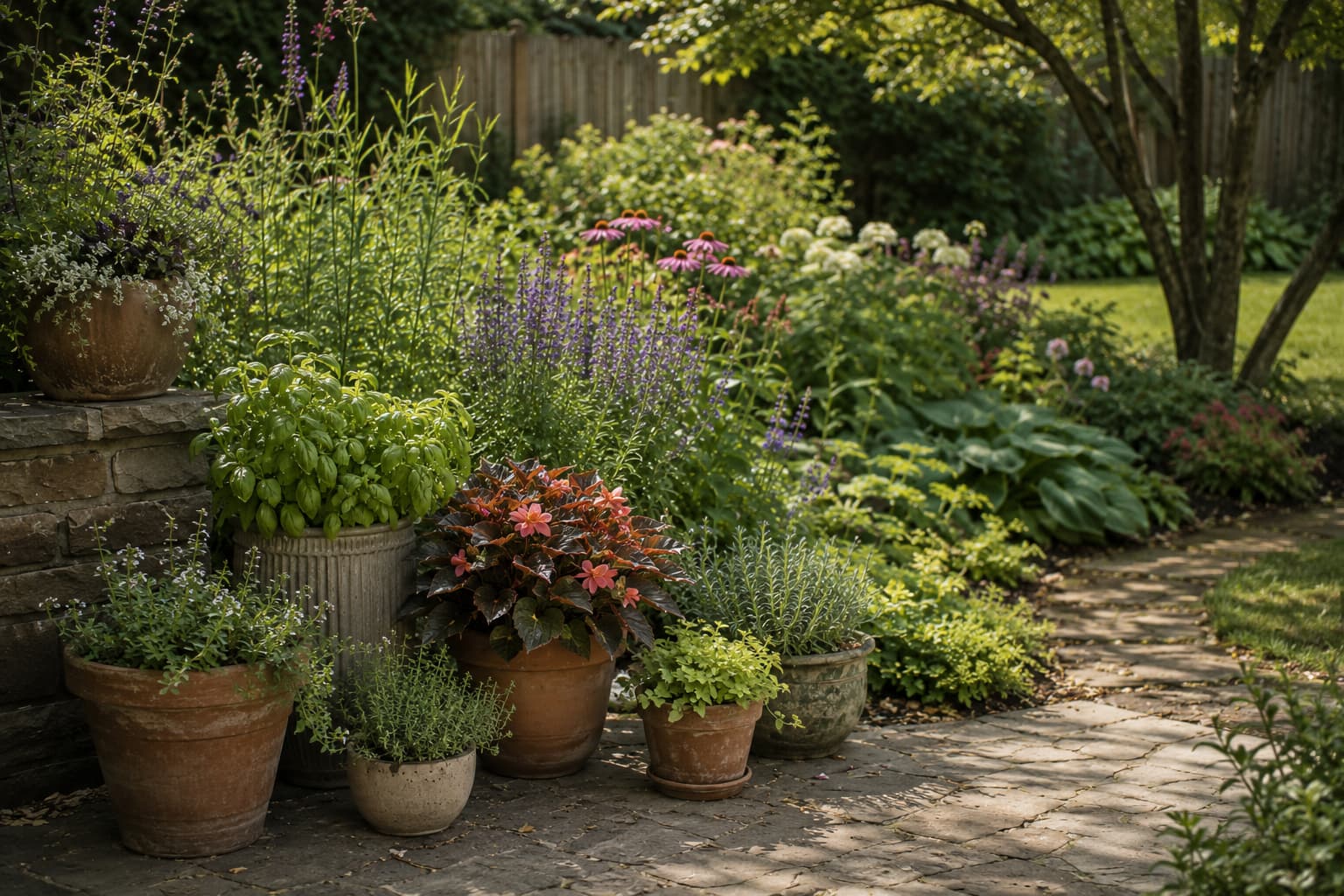
Climate and Exposure Matter More Than a Simple Zone Number
USDA hardiness zones are useful for winter cold tolerance, but they do not tell you how fast a container will dry in summer or how much wind a balcony receives. Two gardens in the same zone can behave very differently.
- Hot, dry, windy site: larger containers or in-ground beds can reduce how quickly the root zone dries.
- Humid, shaded site: containers may need more air space and careful watering because the mix dries slowly.
- Rainy climate with heavy soil: containers or raised beds can make drainage easier to control.
- Cold winter climate: hardy plants may still need extra protection when grown above ground in pots.
Common Mistakes to Avoid
1. Treating containers as automatically low maintenance
Pots offer control, but the tradeoff is closer monitoring. Restricted root volume means watering and nutrient conditions can change quickly.
2. Solving poor drainage with a bigger pot
A much larger pot can hold more unused wet medium around a small root system. Choose a container that fits the root ball rather than assuming bigger is always safer.
3. Keeping permanent plants in undersized containers too long
Circling roots, faster-than-usual drying, or roots filling the available medium are better repotting signals than a fixed calendar date.
4. Assuming the same potting mix works everywhere
The same mix can dry quickly in terracotta and sun, yet stay wet much longer in glazed ceramic, plastic, shade, or cool weather.
5. Ignoring the advantages of healthy native soil
If your ground already drains well and the plant is hardy and permanent, moving it into a pot may create more maintenance without solving a real problem.
Frequently Asked Questions
Are plants better in pots or in the ground?
Neither method is universally better. Pots are better when you need control over drainage, soil, placement, or seasonal movement. In-ground planting is usually better for long-term root space, temperature buffering, and lower maintenance after establishment.
Do container plants need more water than in-ground plants?
Usually, yes. Containers have a limited volume of growing medium and are exposed to air and sun on multiple sides, so they often dry faster than garden soil. Pot size, material, weather, and plant type all change the interval.
Can perennials stay in containers year-round?
Many can, but winter root exposure becomes a major consideration in cold climates. Choose a sufficiently large, well-drained container, verify the plant's hardiness, and add winter protection when needed.
Are raised beds more like containers or in-ground planting?
Raised beds sit between the two. They give you more control over soil and drainage than ordinary ground, while providing far more root volume and buffering than a typical pot.
Which vegetables grow especially well in containers?
Many herbs, leafy greens, peppers, compact tomatoes, and other small-space crops can perform well in containers when the pot is large enough, drainage is good, and light and watering match the crop.
Can containers protect plants from poor native soil?
Yes. Containers let you bypass compacted, contaminated, or poorly drained soil by using a clean growing medium. They do not remove the need for drainage holes, appropriate pot size, and correct watering.
When should I move a container plant into the ground?
Consider planting out when the site is suitable, the plant is hardy there, and long-term root space matters more than portability. Avoid moving a stressed plant simply because it has been in a pot for a certain number of months.
Sources & Further Reading
Final takeaway: the best choice is the one that removes the biggest constraint. If your ground is healthy and the plant belongs there long term, use it. If drainage, mobility, climate, or experimentation is the main challenge, a container gives you useful control.