How to Grow Rosemary: Indoors, in Pots & Outdoors
Rosemary is often called an easy herb, but it behaves more like the woody Mediterranean shrub it really is. Once you give it strong light, free-draining soil, and a watering rhythm that lets the root zone breathe, it becomes far easier to grow for the long term.
Grow rosemary in full sun or the brightest light you can provide, use soil and containers that drain freely, and avoid keeping the root zone constantly wet. In pots, check moisture rather than watering by the calendar. Indoors, light is usually the limiting factor. Trim green growth lightly to keep plants compact, and protect container roots where winters are severe.
Rosemary at a Glance
Rosemary (Salvia rosmarinus) is an evergreen shrub grown for its aromatic foliage, flowers, and culinary use. The exact size, hardiness, and growth habit vary by cultivar, so treat general care rules as a starting point rather than a rigid formula.
| Need | Best starting point | Watch for |
|---|---|---|
| Light | Full sun outdoors; brightest practical position indoors | Pale, stretched, weak growth |
| Soil | Light, free-draining mix or garden soil | Dense soil that stays wet |
| Water | Water thoroughly, then allow the root zone to begin drying | Constantly damp compost |
| Container | Drainage holes and enough root room | Standing water or badly root-bound plants |
| Pruning | Light, regular trimming of leafy green growth | Severe cuts into old bare wood |
1. Give Rosemary Enough Light
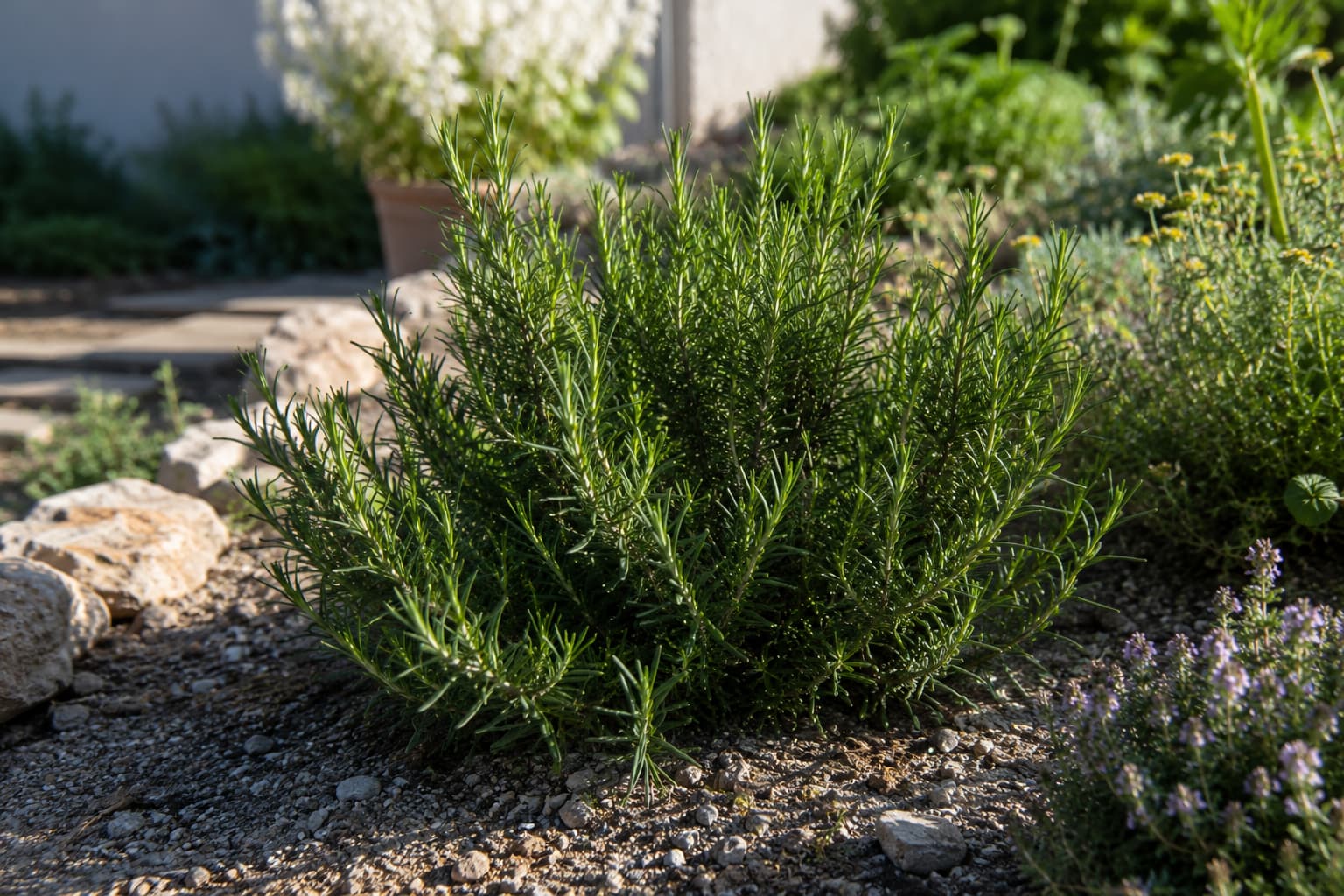
Rosemary is at its best in full sun. Outdoors, choose an open, sunny site. Indoors, place it at the brightest unobstructed window you have; a grow light can help when natural winter light is too weak.
Light matters because low-light rosemary tends to stretch rather than stay compact. If a plant is growing thin, pale stems with wide gaps between leaves, improve light before reaching for fertilizer.
2. Get the Soil and Drainage Right
Rosemary is much more forgiving of modest fertility than of waterlogged roots. In the ground, avoid low spots or dense soil that stays saturated after rain. If drainage is poor, a raised bed or container can be easier to manage.
For containers, start with a durable potting mix and add mineral material such as horticultural grit when the base mix retains too much moisture. There is no need to force every gardener into one fixed percentage recipe—the goal is a mix that drains freely in your climate and container.
Drainage is a system, not just an ingredient. Potting mix, drainage holes, container size, pot material, temperature, sun, and watering habits all affect how long the roots stay wet.
3. Water Rosemary by Soil Condition, Not the Calendar
Water thoroughly enough to wet the root ball, then allow excess water to drain away. Before watering again, check whether the upper part of the root zone has started to dry.
How quickly that happens changes with season, plant size, pot size, wind, temperature, and light. A rosemary container on a hot balcony may need checking much more often than the same plant beside a cool winter window.
4. How to Grow Rosemary in Pots
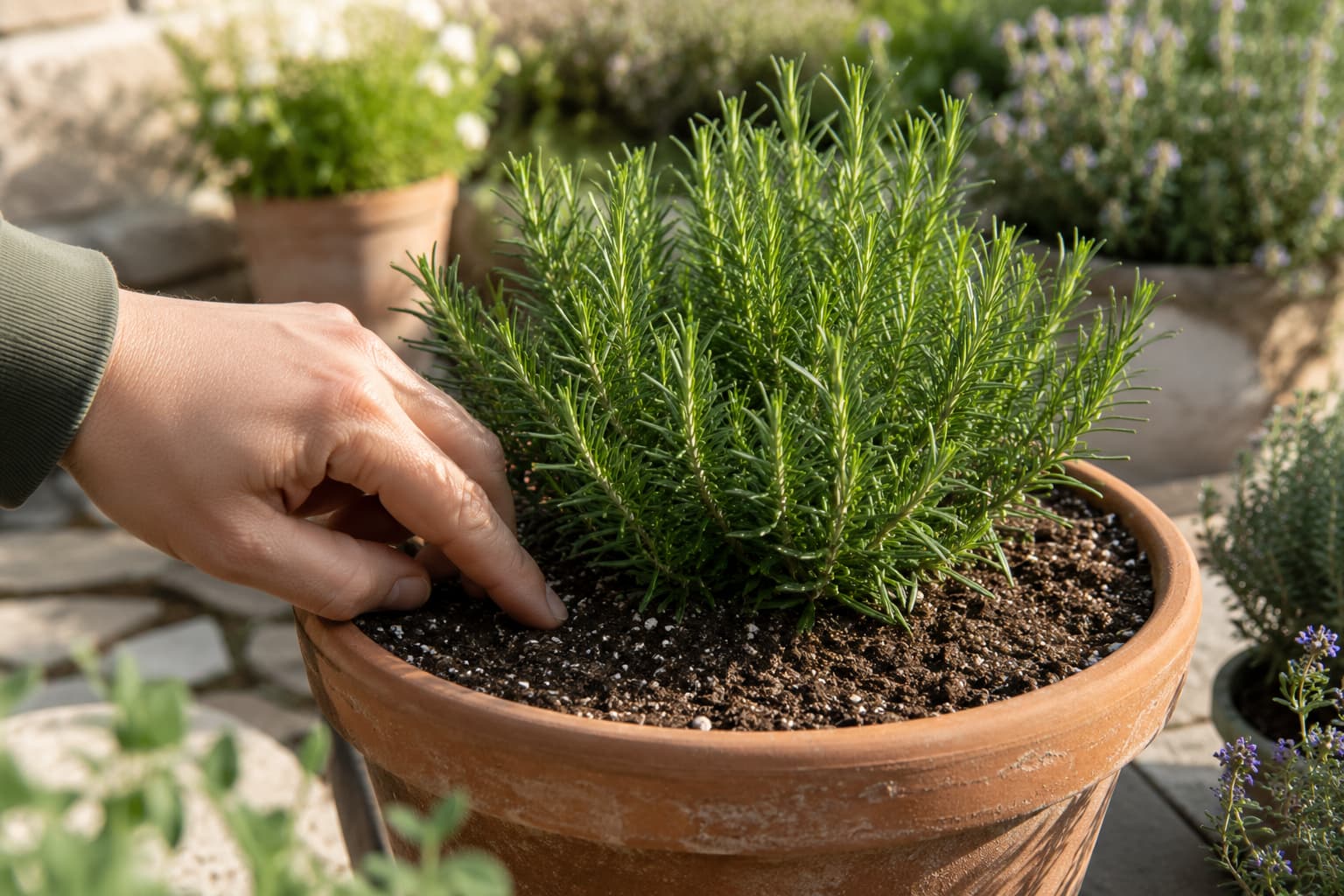
Containers are a strong option for patios, balconies, courtyards, and climates where rosemary needs winter protection. The most important features are adequate root room and reliable drainage.
Choose the Container
- Use a pot with clear, unobstructed drainage holes.
- For an established rosemary, a container around 30 cm (12 in) wide and deep is a useful starting point, but match the pot to the actual root ball and cultivar.
- Avoid moving a small plant straight into an oversized pot that holds a large volume of wet mix.
- Terracotta can help mixes dry faster, but glazed or plastic containers can also work when watering is adjusted.
5. How to Grow Rosemary Indoors
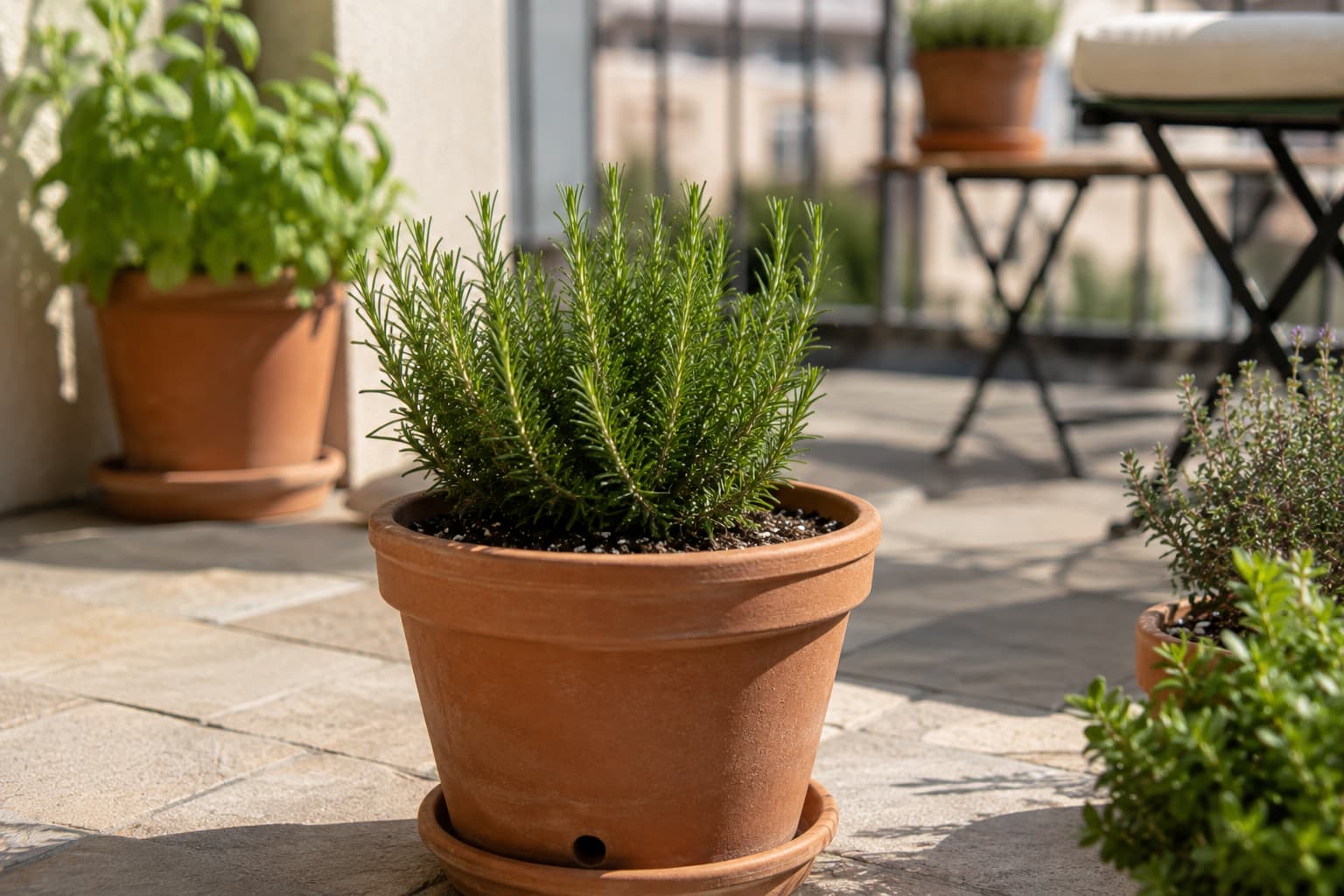
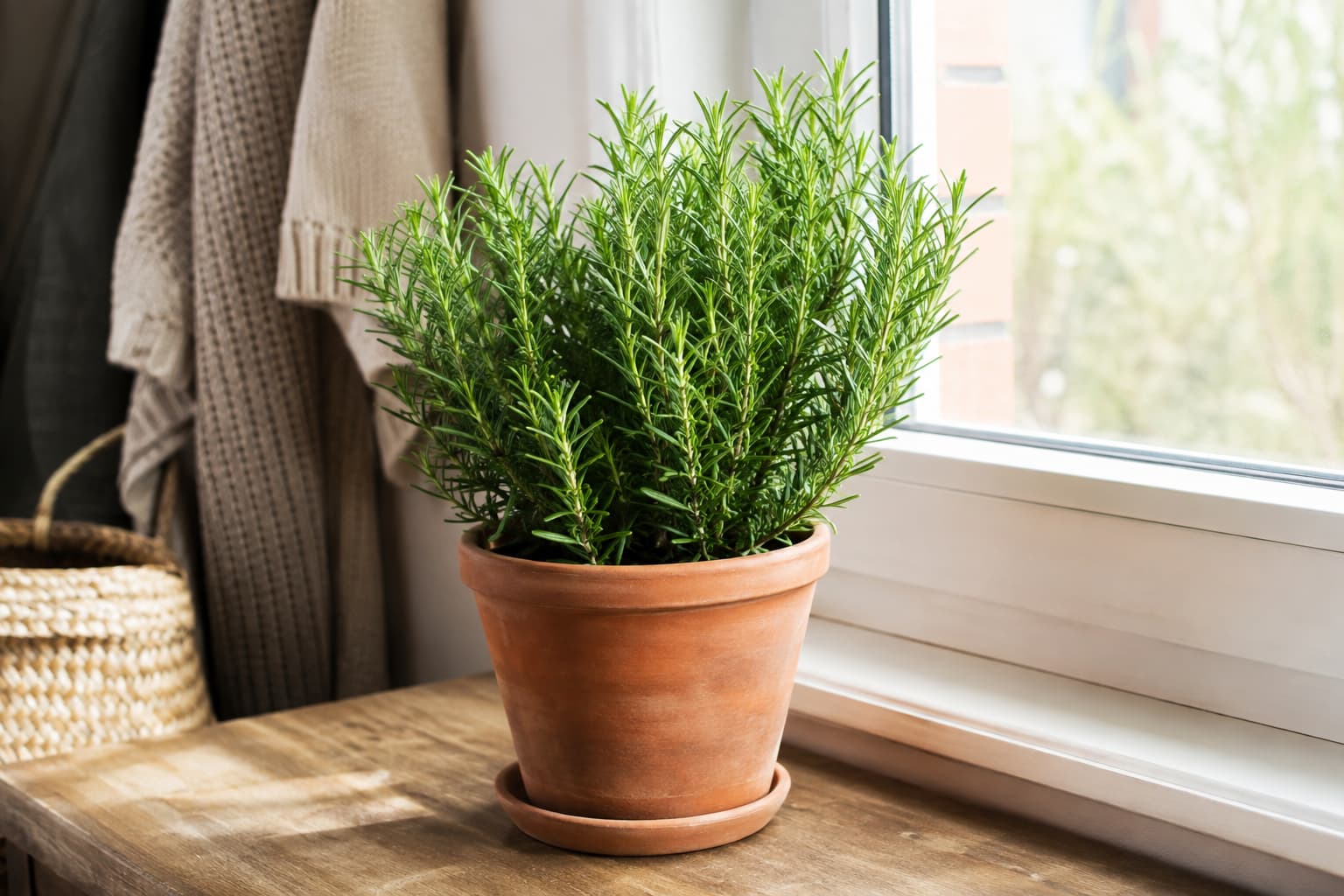
Indoor rosemary is possible, but it is less forgiving because window light is weaker than outdoor sun and potting mix often dries more slowly. Give the plant the brightest position available and leave space around the foliage for ordinary air movement.
Indoor Setup That Works Better
- Use the brightest unobstructed window available, often south- or west-facing in the Northern Hemisphere.
- Supplement weak seasonal light with a grow light when necessary.
- Keep the pot away from hot heating vents and extreme drafts.
- Check soil moisture before watering because indoor drying rates vary widely.
- Watch for spider mites, whiteflies, mealybugs, or mildew when plants spend long periods indoors.
6. Feed Lightly
Rosemary does not need rich soil to grow well. Garden-grown plants in suitable soil may need little or no routine feeding. Container plants that have been in the same mix for a long time can benefit from modest feeding during active growth, but fertilizer cannot compensate for weak light, poor drainage, or chronically wet roots.
If rosemary is pale or stalled, first check light, root health, drainage, and watering. Feeding a stressed plant without correcting the underlying condition can add another variable without solving the problem.
7. Prune and Harvest Without Making Rosemary Bare
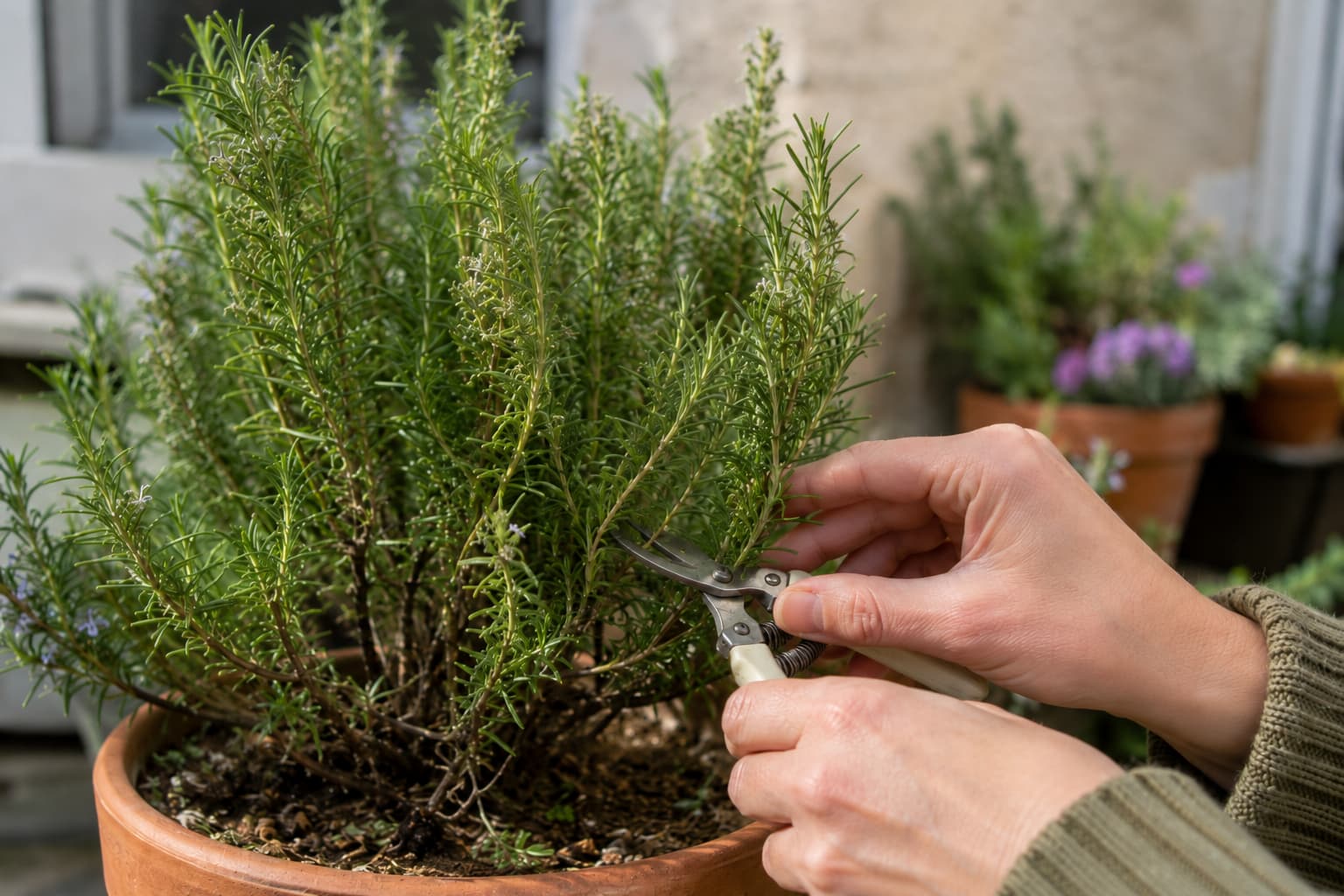
Light, regular trimming helps keep rosemary compact and encourages young leafy growth. Harvest sprigs as needed and shape the plant gradually rather than removing a large amount at once.
When pruning for shape, stay mainly in leafy green growth. Old, bare woody stems may not respond reliably to severe cutting, so an aging plant is better managed with regular light pruning before it becomes extremely leggy.
8. Adjust Rosemary Care for Winter and Climate
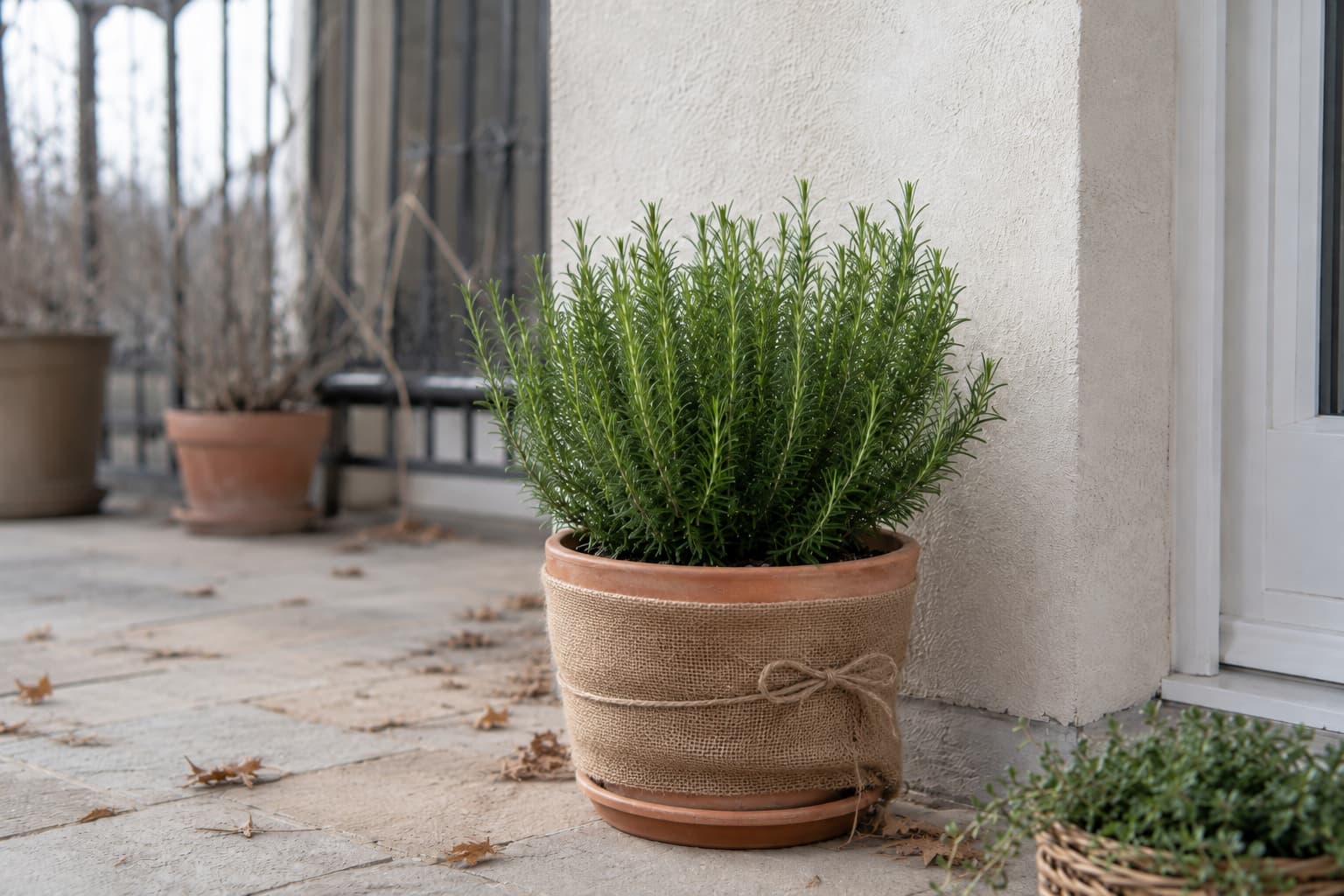
Rosemary hardiness varies by cultivar and growing conditions. In mild climates, established plants may remain outdoors year-round. In colder regions, container-grown plants are more vulnerable because their roots are exposed to colder temperatures than roots in the ground.
Before winter, check the needs of your cultivar and local climate. Move vulnerable pots to a sheltered position, protect the container when hard freezes are expected, and be especially careful with cold, wet potting mix.
Common Rosemary Growing Mistakes
| Mistake | Why it causes trouble | Better approach |
|---|---|---|
| Watering on a fixed schedule | Soil drying changes with weather and location | Check the root zone before watering |
| Using dense, wet soil | Roots stay short of oxygen | Use a free-draining mix and open drainage holes |
| Trying to fix low light with fertilizer | Extra nutrients do not replace sunlight | Improve light first |
| Using an oversized pot | Unused mix may stay wet too long | Move up gradually as roots fill the container |
| Waiting years to prune | Plants become woody and bare at the base | Trim leafy growth lightly and regularly |
The Greenmuse 3-Step Rosemary Routine
Step 1: Start With Light and Drainage
Put rosemary in the sunniest suitable position and make sure water can leave the root zone freely. Those two conditions solve more problems than complicated care schedules.
Step 2: Water Only When the Plant Is Ready
Check the soil, lift the pot to learn its wet and dry weight, and adjust to the season. Water thoroughly when needed rather than adding small amounts frequently.
Step 3: Keep It Compact With Light Harvesting
Harvest and trim leafy stems regularly during active growth. Small, consistent adjustments are easier on the plant than dramatic rescue pruning later.
Growing rosemary is less about controlling the plant and more about reading its rhythm. Strong light, breathable roots, and a little patience usually do more than constant intervention.
Frequently Asked Questions
1. Is rosemary better in the ground or in a pot?
Both can work. In the ground, rosemary benefits from stable root temperatures and can become a substantial shrub where climate and drainage suit it. Pots are useful for balconies, small spaces, heavy garden soil, and climates where the plant needs winter protection.
2. How much sun does rosemary need?
Rosemary performs best in full sun. Outdoors, choose an open sunny position. Indoors, use the brightest unobstructed window available and consider supplemental light when seasonal daylight is weak.
3. How often should I water rosemary?
Use soil condition rather than a fixed number of days. Water thoroughly, let excess water drain, and wait until the upper part of the root zone has started to dry before watering again. The interval changes with season and growing conditions.
4. What size pot is best for rosemary?
For an established plant, a pot around 30 cm (12 in) wide and deep is a practical starting point, but the correct size depends on the root ball and cultivar. Avoid a container that is dramatically larger than the roots, and always provide drainage holes.
5. Can rosemary grow indoors year-round?
Yes, but it can be challenging because indoor light is often weaker and soil dries more slowly. Bright light, drainage, careful watering, airflow, and pest checks become especially important.
6. Should I fertilize rosemary often?
No. Rosemary generally prefers modest fertility. Container plants may benefit from light feeding during active growth, but correcting light, drainage, and watering problems is more important than adding fertilizer.
7. Why does rosemary become woody?
Some woodiness is normal because rosemary is a shrub. Plants become increasingly bare and leggy when they age without regular light pruning. Trim leafy growth routinely and avoid severe cuts into old bare wood.
Final Thoughts
Rosemary becomes much simpler once you stop treating it like a thirsty leafy herb. Give it sun, drainage, enough water without constant wetness, and regular light pruning. Then adjust the details for your pot, climate, and season.
Growing rosemary in a difficult spot? Share whether it is indoors, in a container, or in the ground—and what your light and soil are like. Those details usually reveal the next useful adjustment.