Beginner-Friendly Choices for Home Gardens
Not all chrysanthemums are the same—and that matters when you’re growing them for tea.
Why Variety Choice Matters for Chrysanthemum Tea
After learning how to grow chrysanthemums for tea, many beginners quickly arrive at a common follow-up question:
Which chrysanthemum variety should I grow for tea?
It’s an important one—because not all chrysanthemums are grown with tea in mind.
Some varieties are bred purely for ornamental impact: unusual colors, oversized blooms, or exhibition-style flowers designed to impress visually rather than functionally.
Tea chrysanthemums, on the other hand, are traditionally selected for qualities that translate well from garden to cup:
- A pleasant, natural aroma
- Flower structures that dry cleanly
- A balanced, gentle flavor when infused
For beginners especially, choosing the right variety makes growing—and enjoying—chrysanthemum tea far more rewarding.
What Makes a Chrysanthemum Suitable for Tea?
Before exploring specific varieties, it helps to understand what traits matter most.
Beginner-Friendly Tea Chrysanthemum Traits
Look for plants that offer:
- Medium-sized blooms (not overly dense or tightly packed)
- A clear, pleasant floral aroma
- Reliable flowering habits
- Vigorous but manageable growth
- Adaptability to home gardens or containers
Just as important:
If you plan to use the flowers for tea, the plant should be grown without chemical sprays.
This is less about tradition and more about practicality—tea flowers should be safe, clean, and untreated.
Chrysanthemum morifolium
Traditional Tea Chrysanthemum
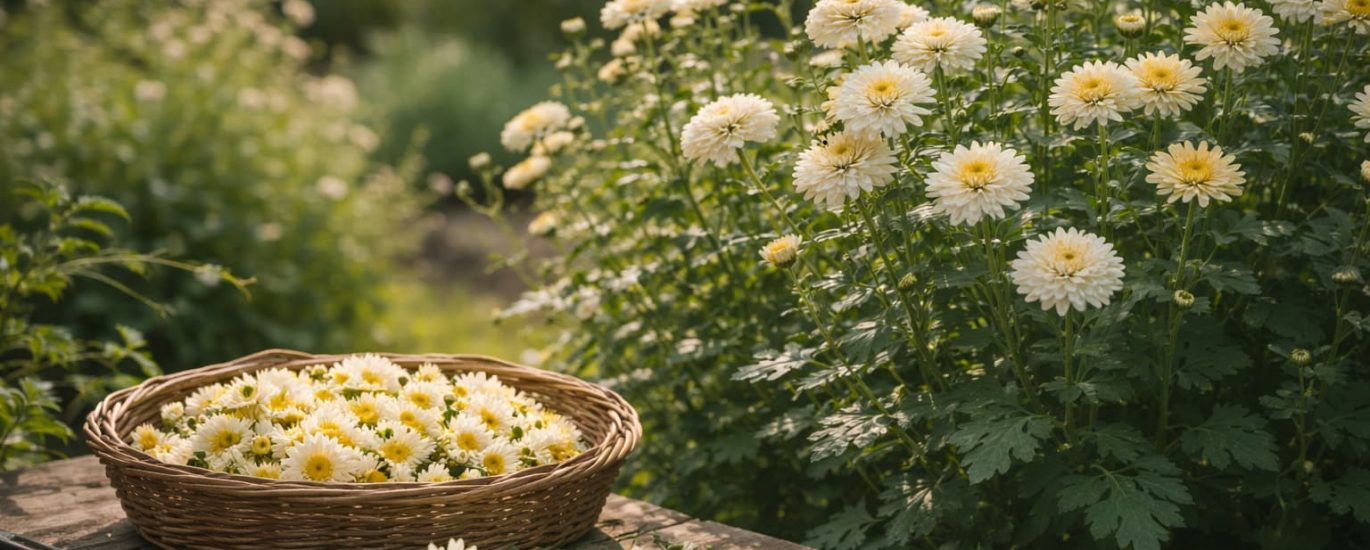
If you’re looking for a classic starting point, Chrysanthemum morifolium is the most widely used species for chrysanthemum tea and remains the foundation of many traditional tea varieties.
Why beginners like it
- A long history of use in flower teas
- Mild, balanced floral flavor
- Adaptable to a wide range of climates
- Often overlaps with familiar ornamental garden chrysanthemums
Garden notes
- Thrives in full sun
- Produces consistent, dependable blooms
- Performs well in both containers and in-ground plantings
This is the variety many people picture when they think of chrysanthemum flower tea—approachable, forgiving, and easy to enjoy.
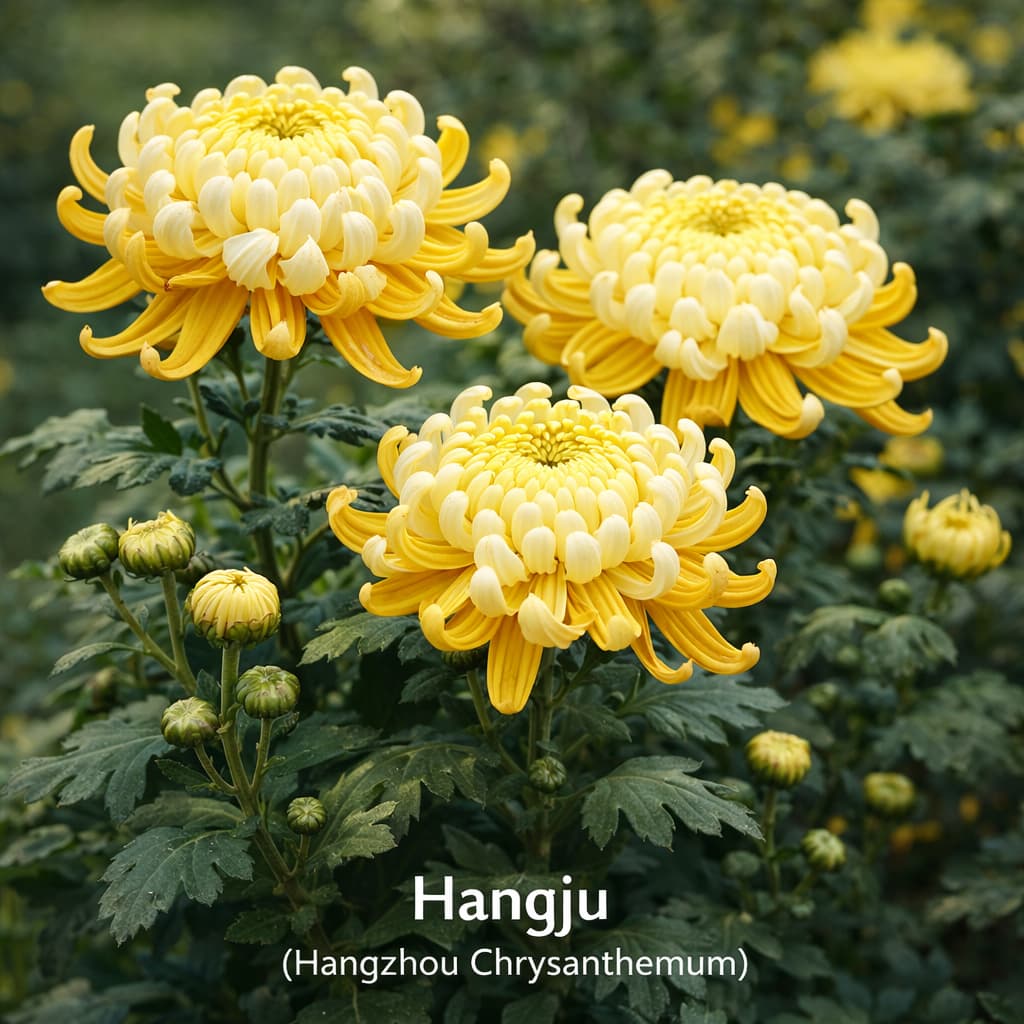
‘Hangju’ (Hangzhou Chrysanthemum)
‘Hangju’ is one of the best-known traditional tea chrysanthemums and is often referenced in tea culture for its gentle aroma and clean flavor.
Why it’s beginner-friendly
- Naturally aromatic without being overpowering
- Light, clear floral taste
- Flowers dry evenly and store well for tea use
Garden notes
- Moderate, tidy growth habit
- Benefits from good airflow
- A good choice for gardeners who enjoy growing traditional plant varieties with practical uses
While sourcing may require specialty nurseries or seed suppliers, ‘Hangju’ remains a favorite among tea enthusiasts and home gardeners alike.
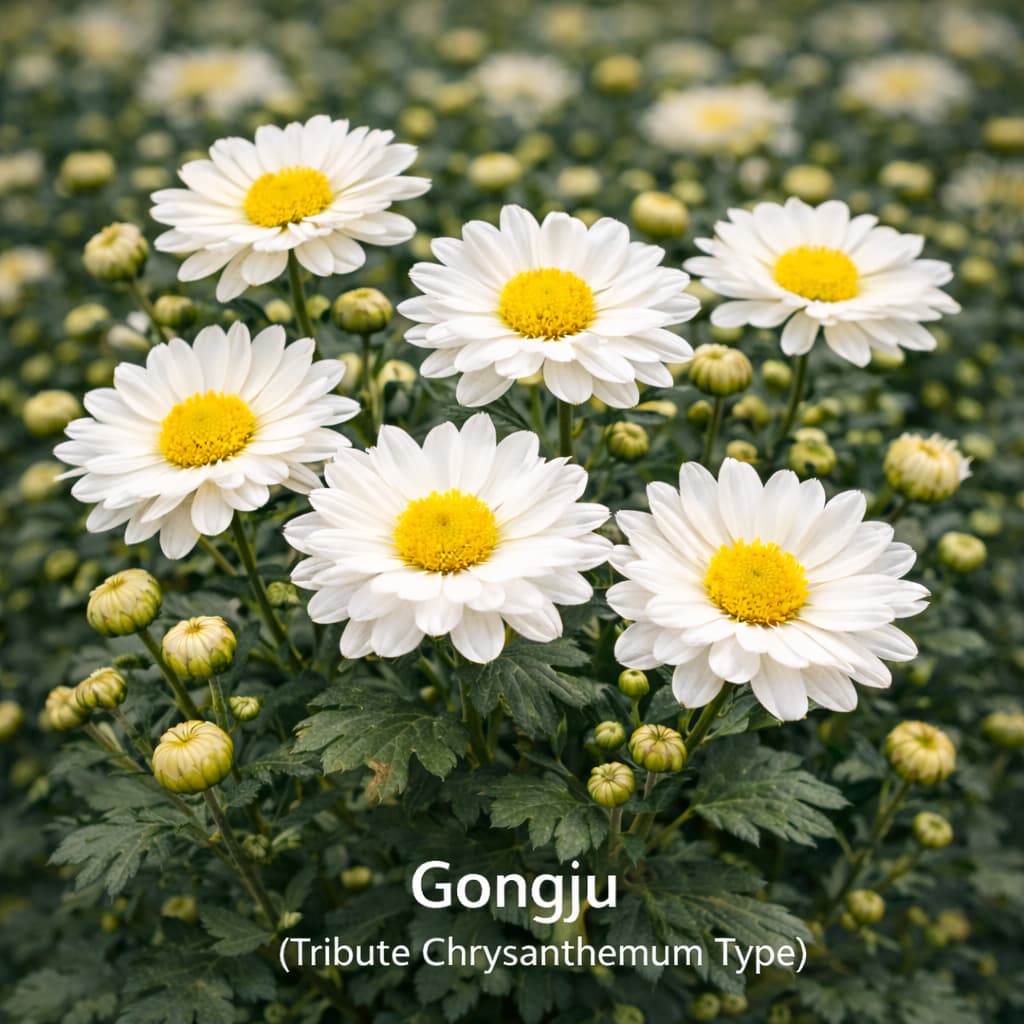
‘Gongju’ (Tribute Chrysanthemum)
‘Gongju’ varieties are traditionally valued for their fragrance and elegant flower form, offering both beauty and function in the garden.
Why beginners enjoy it
- Strong, appealing floral aroma
- Visually refined flowers that still work well for tea
- Suitable for small-scale harvesting
Garden notes
- Blooms reliably with adequate sunlight
- Responds well to gentle early-season pruning
- Often grown with an emphasis on quality rather than quantity
This variety is ideal if you’re looking for a chrysanthemum that’s both ornamental and tea-friendly.
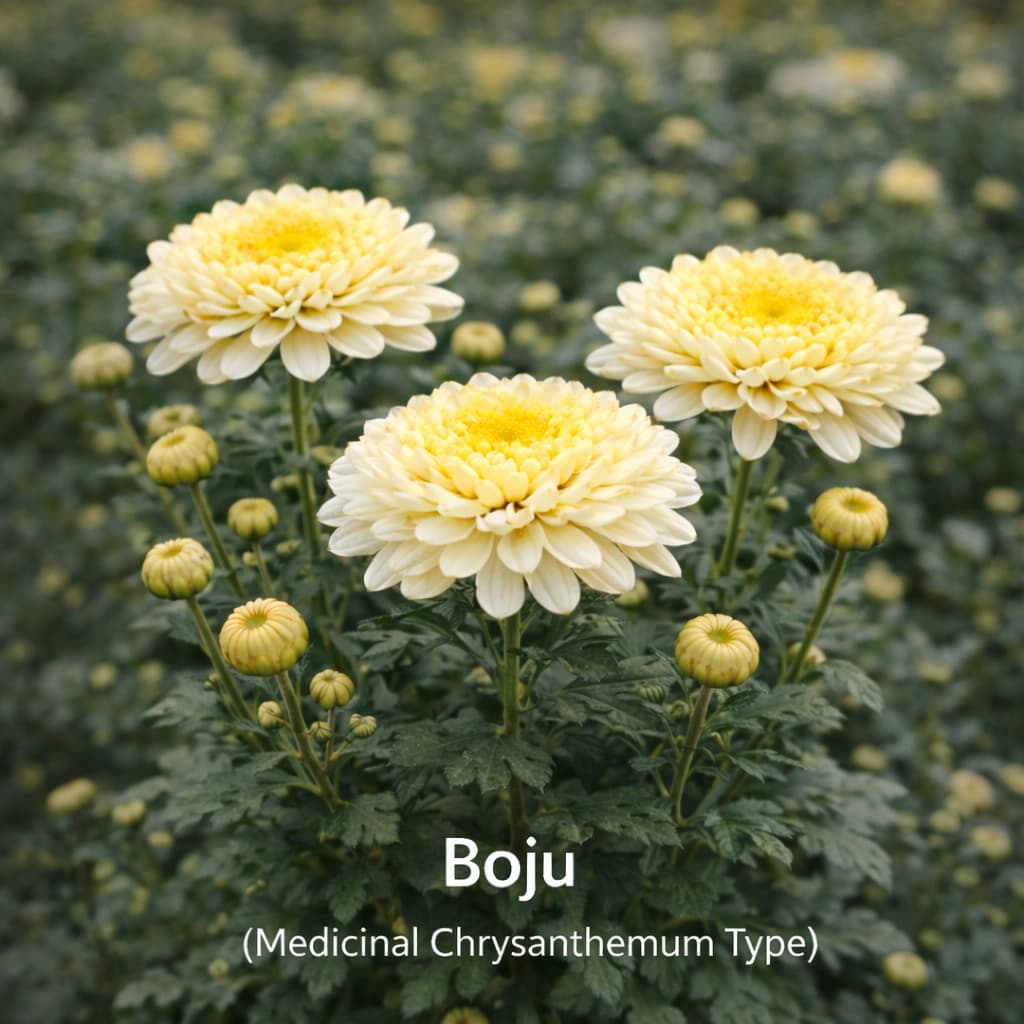
‘Boju’ (Medicinal Chrysanthemum Type)
‘Boju’ chrysanthemums are traditionally associated with herbal use and are known for their robust, resilient growth.
Why beginners may choose it
- Hardy and adaptable
- Tolerates less-than-perfect growing conditions
- Produces abundant flowers
Garden notes
- Vigorous growth habit
- Best suited to in-ground planting
- Flowers may have a slightly stronger, more pronounced flavor
For gardeners who prioritize reliability and ease, this type is often forgiving and productive.
Small-Flowered Garden Chrysanthemums
Tea-Safe Options
In some regions, specialty tea varieties can be difficult to find. In those cases, small-flowered garden chrysanthemums grown without chemical treatments can still serve as a practical entry point.
Why they work
- Easy to source locally
- Well adapted to regional growing conditions
- Often vigorous and low-maintenance
What to watch for
- Avoid novelty or artificially dyed varieties
- Choose plants with a natural, pleasant scent
- Confirm they haven’t been treated with systemic pesticides
These are best approached as practice plants—a way to learn the garden-to-cup process before investing in specialty varieties.
Varieties Beginners Should Avoid
Not every chrysanthemum is ideal for tea, particularly when you’re just starting out.
Less suitable for tea use
- Exhibition or florist varieties bred for size alone
- Heavily treated ornamental plants
- Extremely dense or tightly packed blooms
- Novelty colors with unclear breeding backgrounds
When in doubt, simplicity is usually the safest choice.
Where to Find Tea Chrysanthemum Plants or Seeds
Beginners often have the best luck sourcing plants from:
- Specialty herb or tea plant nurseries
- Reputable online seed suppliers
- Garden centers offering edible or traditional varieties
Helpful keywords to look for include:
- Tea chrysanthemum
- Edible chrysanthemum
- Traditional chrysanthemum variety
And don’t hesitate to ask how the plants were grown.
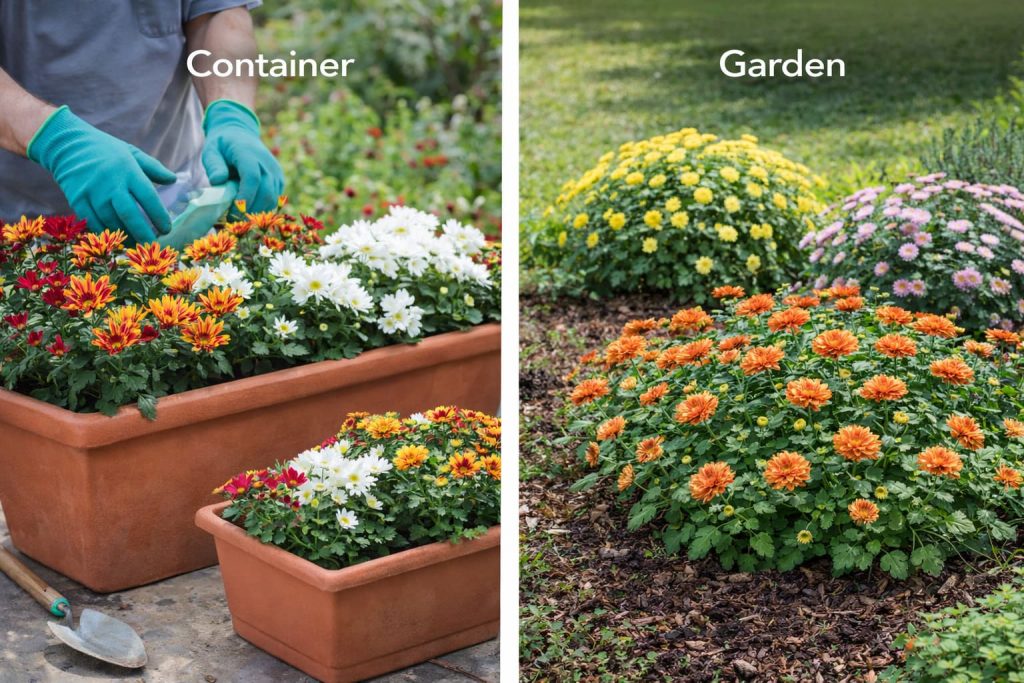
Container vs. Garden Growing: Does Variety Matter?
Some varieties adapt better to containers than others.
Best for containers
- Compact growth habits
- Medium flower size
- Slower, more controlled growth
Best for in-ground planting
- Vigorous varieties
- Larger flowering plants
- Garden beds with good airflow
For beginners, containers often provide more control, regardless of variety.
Final Thoughts
Choosing the best chrysanthemum variety for tea doesn’t require expert knowledge—it simply requires the right priorities.
For beginners, focus on:
- Clean growing practices
- Proven, traditional varieties
- Manageable growth habits
Once those basics are in place, the transition from garden to cup becomes natural—and deeply satisfying.