Spring can be deceptive.
A few warm afternoons arrive, your seedlings look strong on the windowsill, and suddenly it feels like everything should be outside already. But warm-season plants do not care how hopeful you feel on a sunny Saturday. They care about cold nights, chilly soil, wind exposure, and whether they have been prepared for real outdoor life.
That is why so many beginner gardeners lose tomatoes, peppers, and basil in late spring. Not because they do not care. Not because they made one dramatic mistake. Mostly because spring looks ready before it actually is.
This guide will help you move your plants outdoors at the right time, avoid transplant shock, and understand why tomatoes, peppers, and basil should not all go out on the same day.
Quick Answer
Move tomatoes, peppers, and basil outdoors only after frost danger has passed and the plants have been hardened off. Tomatoes are usually ready first once the soil has warmed. Peppers need even warmer soil and steadier warmth. Basil is the most cold-sensitive of the three and should go out last.
The Short Version
If you want the simplest possible answer, use this order:
Tomatoes first. Peppers second. Basil last.
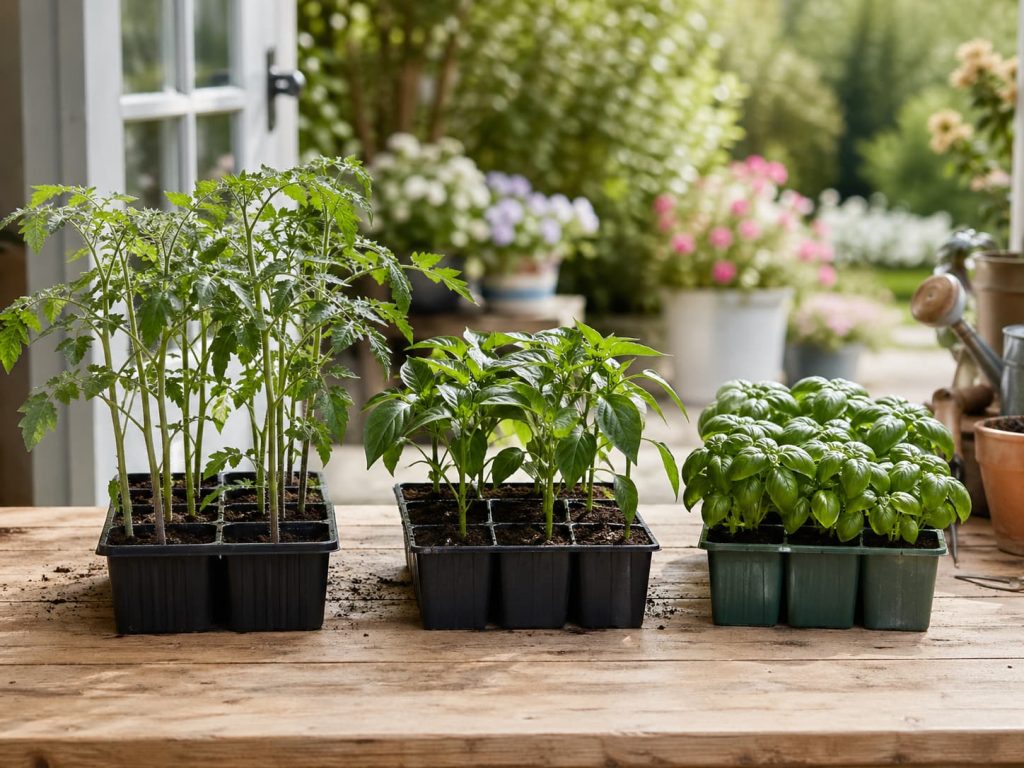
That does not mean they all go out a few days apart in every garden. It means they do not handle spring conditions the same way. Tomatoes can usually go out once frost danger has passed and the soil feels warm enough to support active growth. Peppers need more heat and are easily slowed by cold soil. Basil dislikes chilly weather the most and should wait until spring feels settled, not just hopeful.
For beginners, the safest approach is simple: watch the next 7 to 10 nights, not just today’s sunshine.
Why Spring Tricks Beginners
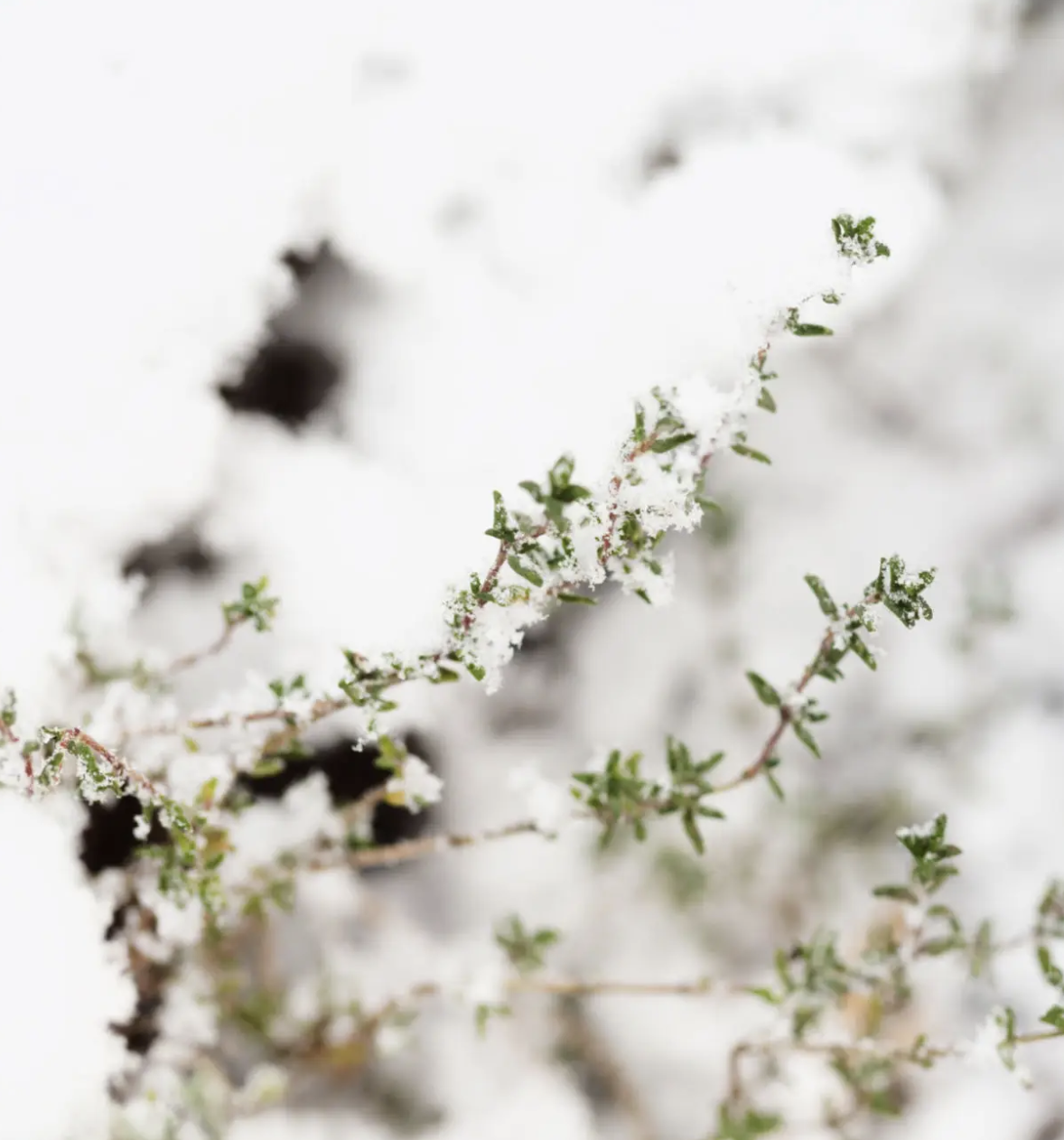
The biggest mistake beginners make is using one warm day as their signal. A sunny afternoon is not the same thing as a safe planting window. Many warm-season plants suffer long before an actual frost arrives. Cool nights, damp cold soil, and strong wind can all slow growth, increase stress, and leave seedlings stalled for days or even weeks.
This is why spring gardening can feel confusing. Your seedlings may look beautiful indoors. The garden may look ready. The forecast may even show pleasant daytime temperatures. But if nights still dip low, the soil still feels cold in the morning, or the weather keeps swinging, outdoor planting is still a gamble.
Beginner gardeners often think the risk is only, “Will frost kill my plant?” The more practical question is this: “Will these conditions help the plant grow, or just survive?”
The Golden Rule for Beginners
Do not move warm-season seedlings outdoors just because one afternoon feels warm. Watch the nights, the soil, and the 7 to 10 day forecast.
Use your local frost-free date as a starting point, not the only signal. Then confirm three more things:
- Night temperatures are staying mild
- The soil is warming up, not staying cold and wet
- Your seedlings have been hardened off
This one rule prevents most spring transplant mistakes.
When Tomatoes Are Ready
Tomatoes are usually the first plant gardeners get impatient about. Everyone wants that first tomato as early as possible. But planting too early rarely creates a real advantage.
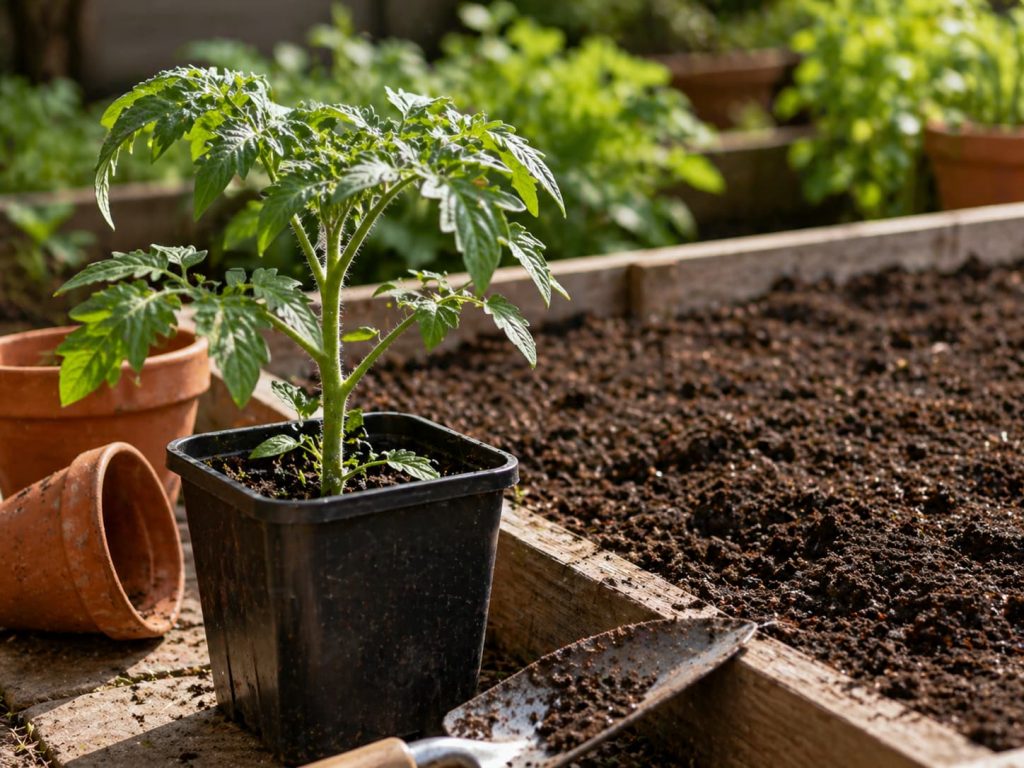
Tomatoes: Move them out after your frost-free date, once the soil has warmed up. Planting too early can slow growth instead of speeding harvest.
If nights are still cold, tomato plants often stop moving forward. They may not die, but they sulk. Leaves can lose momentum, stems can pause, and the plant spends time recovering instead of growing. That is why an “early” tomato is not always an earlier harvest.
Tomatoes are usually ready when:
- Your local frost-free date has passed
- The next week looks stable
- The soil no longer feels cold first thing in the morning
- The seedlings have already adjusted to outdoor light and wind
A practical beginner tip: if you still feel tempted to check the forecast every night, your tomatoes are probably better off waiting a little longer.
Best signs your tomatoes are truly ready
- Stocky stems rather than floppy growth
- Healthy green leaves without indoor stretch
- No forecasted cold dips that make you nervous
- Plants that have already spent increasing time outdoors
Why Peppers Need More Warmth
Peppers need more patience than tomatoes. This is one of the most useful things a beginner can learn.
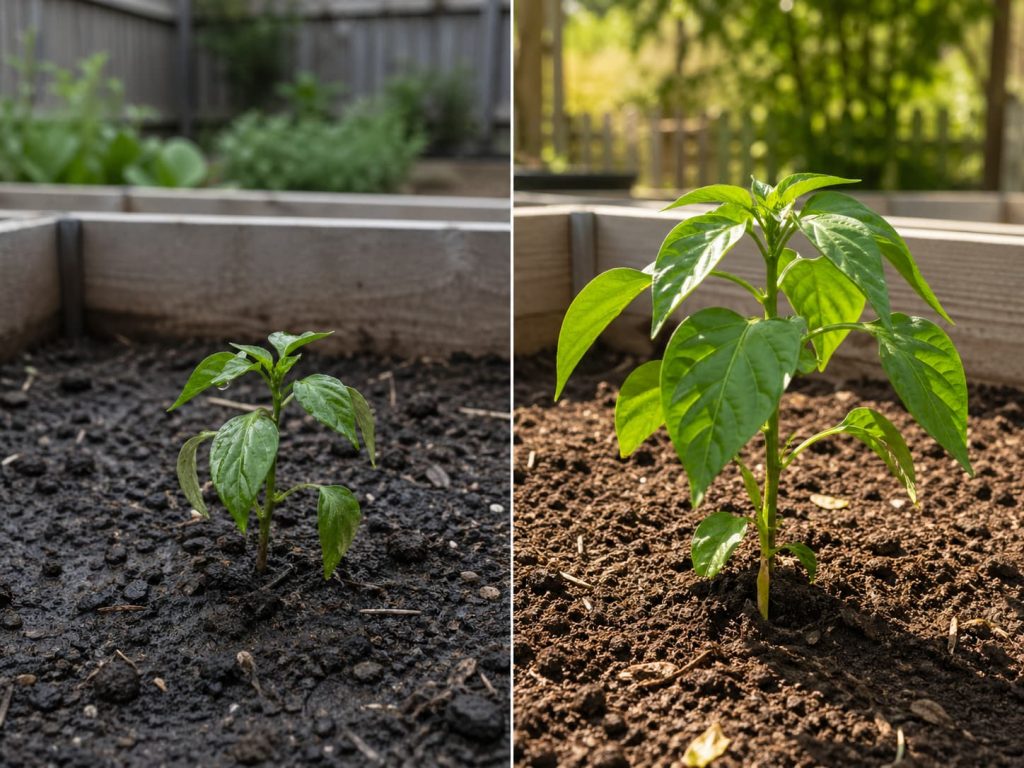
Peppers: Wait longer than you think. If the soil has not thoroughly warmed, pepper plants often just sit there instead of growing.
Peppers are more easily checked by cool conditions. Even if they stay alive, they can stall for a long time in cold spring soil. That is why gardeners often say peppers “just sit there” after planting too early. The plant is not thriving. It is enduring.
Peppers are usually ready when:
- Frost danger is well behind you
- Average conditions feel warm, not merely acceptable
- The soil feels warm enough for active root growth
- Nights are no longer dropping into the chilly range
- The plant has already been hardened off
A practical beginner tip: if tomatoes feel “almost ready,” peppers usually need a little more patience.
How to tell your peppers went out too early
- Very little new growth after planting
- Leaves look dull, still, or slightly stressed
- The plant stays the same size for too long
- The weather is technically frost-free, but the garden still feels cool
Why Basil Should Be Last
Basil is often sold as an easy herb, and in summer it is. But in spring, it is one of the easiest plants to damage with bad timing.
Basil: Treat basil as the last one out. It is cold sensitive and should only be planted after frost danger has passed and nights feel comfortably mild.
Many beginners assume basil behaves like a tougher herb just because it grows quickly once warm weather arrives. But basil dislikes cold nights and sudden temperature dips. If the weather still feels uncertain, basil should stay protected.
Basil is usually ready when:
- All frost risk has passed
- Nights feel comfortably mild, not borderline
- The plant has been hardened off gradually
- The forecast looks calm for at least the next several days
A practical beginner tip: if you are deciding between moving basil out today or waiting a few more days, waiting is usually the better decision.
Why basil often fails after moving outdoors
- It is moved out during a warm spell before spring fully settles
- It has not been hardened off
- Night temperatures still dip too low
- It goes straight from a protected windowsill into full outdoor stress
How to Harden Off Seedlings
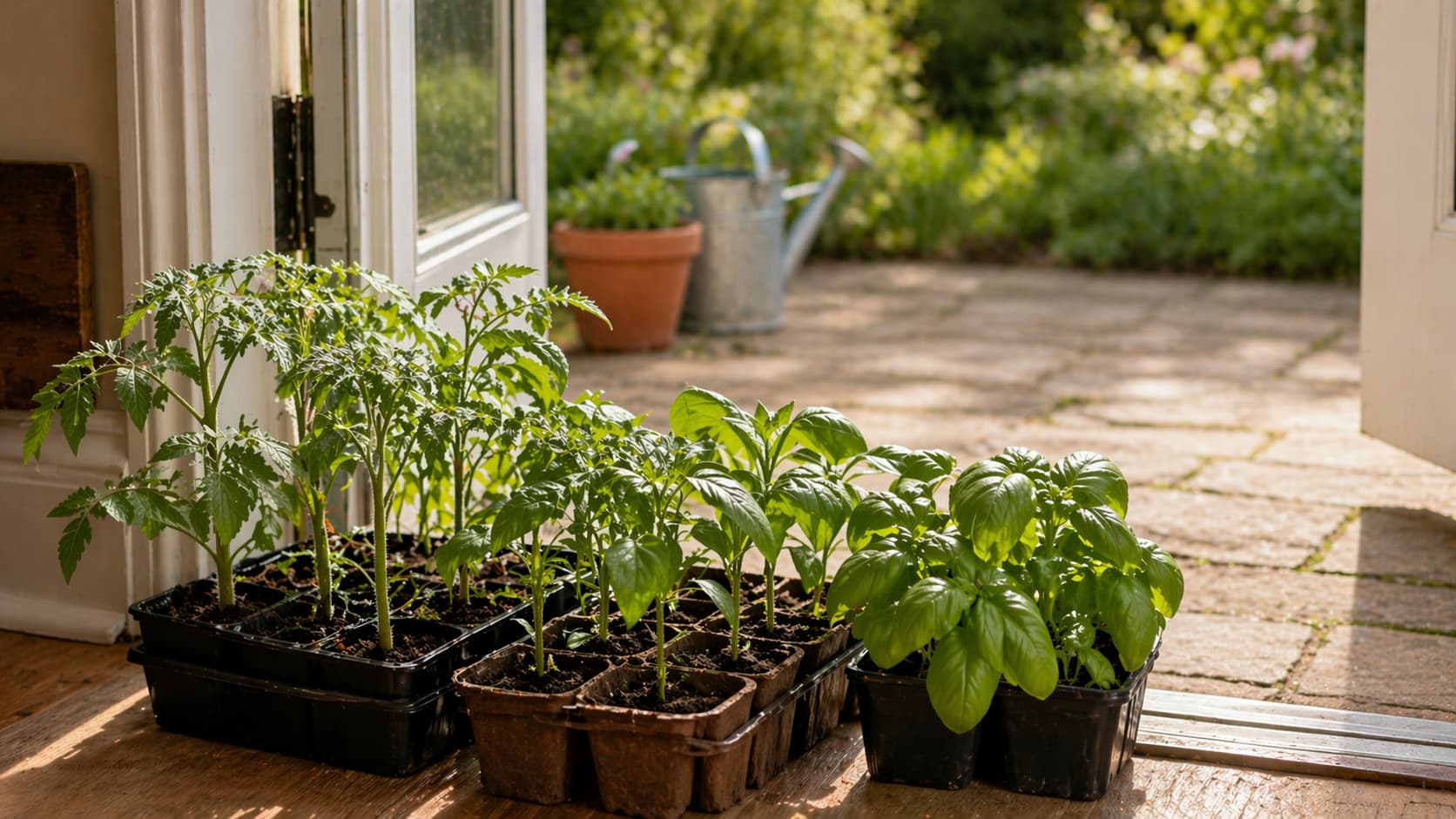
Hardening off is the process of helping indoor-grown plants adapt to the real world. Indoors, seedlings are protected from wind, intense light, wide temperature swings, and low humidity. Outdoors, they meet all of that at once.
That is why seedlings can look perfect one day and struggle the next if moved outside too fast.
Simple Hardening-Off Plan: Start in bright shade in a sheltered spot. Increase outdoor time gradually. Add a little more sun and breeze every few days. Only leave plants out overnight once temperatures are safely mild.
A beginner-friendly hardening-off schedule
Days 1 to 3
Put seedlings outside for a short period in bright shade or filtered light. Choose a sheltered place away from strong wind.
Days 4 to 7
Increase the time outdoors. Let them experience more breeze and slightly brighter conditions.
Days 8 to 10
Begin introducing gentle direct morning sun if the weather is calm.
Days 11 to 14 and beyond
Leave plants outside longer each day. Build toward normal garden conditions gradually.
Final step
Only leave them outside overnight once temperatures are reliably mild and no cold dip is expected.
Signs you are moving too fast
- Leaves suddenly wilt or scorch
- Plants look limp after just a short time outdoors
- New growth seems shocked or paused
How to Check If Your Garden Is Ready This Week
This is the part most beginners need most. You do not need complicated equipment. You need a few calm checks.
This Week’s Garden Check: Look at your next 7 to 10 nights, not just today’s high. Touch the soil in the morning: if it still feels cold, peppers are not ready. If you feel unsure about basil, wait a little longer.
Check 1: The next 7 to 10 nights
Do not decide based on today’s sunshine. Look at the overnight forecast pattern.
Check 2: The soil in the morning
Put your hand into the garden soil early in the day. If it feels cold and damp, that is a warning sign, especially for peppers.
Check 3: The overall feel of the weather
Is spring stable now, or are you still getting sudden chilly swings? Tomatoes may manage sooner, but peppers and basil should not be rushed.
Check 4: The seedlings themselves
Have they already had time outside? Are they sturdy, not stretched and soft? Strong seedlings handle the transition far better than tender indoor growth.
Before You Move Anything Outdoors
Use this checklist before moving tomatoes, peppers, or basil outdoors:
- My local frost-free date has passed
- Night temperatures are staying mild
- The soil feels warm, not cold and wet
- The seedlings have been hardened off
- I have protection ready in case temperatures dip
If you cannot say yes to all five, it is usually smarter to wait.
What to Do If a Cold Snap Is Coming
Sometimes spring still surprises you. That does not mean your garden is ruined. It means you need a calm backup plan.
If a cold snap is coming:
- Bring containers back under cover if you can
- Cover in-ground plants overnight
- Remove covers during the day
- If the forecast still looks unstable, delay planting the next batch
For tomatoes: brief cold stress may not kill them, but it can set them back.
For peppers: cold can stop growth fast and recovery may be slow.
For basil: even one chilly night can do real damage.
One calm decision is better than one heroic rescue.
Common Beginner Mistakes
Moving everything out on the same day
Tomatoes, peppers, and basil do not all want the same timing. Treating them as one group often means one of them goes out too early.
Trusting daytime warmth too much
Warm afternoons feel convincing, but the real stress often comes from the nights.
Skipping hardening off
A seedling that looks healthy indoors is not automatically ready for outdoor wind and light.
Planting peppers into cold soil
This is one of the most common reasons peppers stop moving after transplanting.
Rushing basil outdoors because it looks easy
Basil is easy in settled summer weather. Spring is a different story.
FAQ
Can I move tomatoes outdoors before my last frost date?
It is risky. Tomatoes are much safer after your frost-free date, once the soil has warmed and the forecast looks stable.
How warm should it be before moving peppers outdoors?
Peppers need more heat than tomatoes. Wait until the weather feels consistently warm and the soil no longer feels cold.
Is basil more sensitive to cold than tomatoes?
Yes. Basil is one of the most cold-sensitive warm-season plants commonly grown by beginners, which is why it should go out last.
How long should I harden off seedlings?
A gradual process over roughly two weeks is a good practical target for most home gardeners. Move slower if weather is unsettled.
If my pepper plants are alive, does that mean they are happy?
Not always. Peppers can stay alive in cool conditions while barely growing. Survival and active growth are not the same thing.
Final Thoughts
You do not lose warm-season seedlings because you are a bad gardener.
You lose them because spring sends mixed signals.
If you remember just one thing from this guide, let it be this: tomatoes want warmth, peppers want more warmth, and basil wants no part of spring uncertainty.
Wait a little longer than your impatience suggests. Harden plants off slowly. Watch the nights, not just the afternoons. And when in doubt, keep basil inside one more week.
That small bit of patience is often the difference between a stressed plant and a thriving summer garden.
Save This Rule for Later
Tomatoes first. Peppers second. Basil last. Then let the weather make the final call.
Join the Conversation
Have you already moved your tomatoes, peppers, or basil outdoors this spring, or are you still waiting for the weather to settle? Share your garden zone or your biggest transplant question in the comments.