A beginner-friendly guide to building a thriving kitchen herb garden this spring.
Quick Answer
If you want to start a herb garden in April, choose herbs that grow quickly and tolerate spring temperatures.
The easiest herbs for beginners include:
- Basil
- Rosemary
- Thyme
- Parsley
- Chives
- Dill
- Oregano
- Mint
Most herbs require:
- 6–8 hours of sunlight
- well-drained soil
- moderate watering
With proper care, many herbs begin producing harvestable leaves within 3–6 weeks.
Why this section matters
- Google Featured Snippet
- AI search engines extract this section
- GEO structured summary
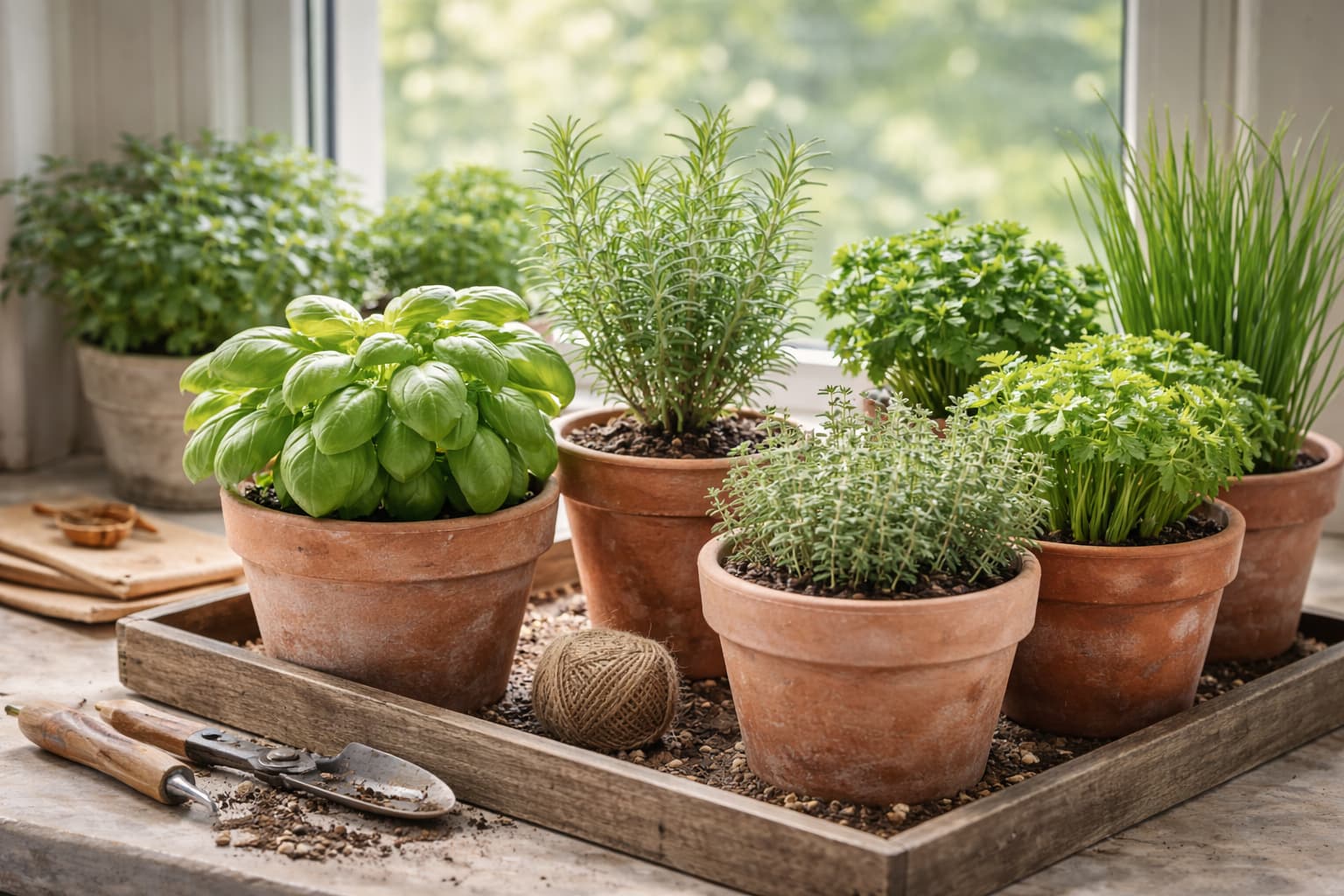
Hero Environment Image
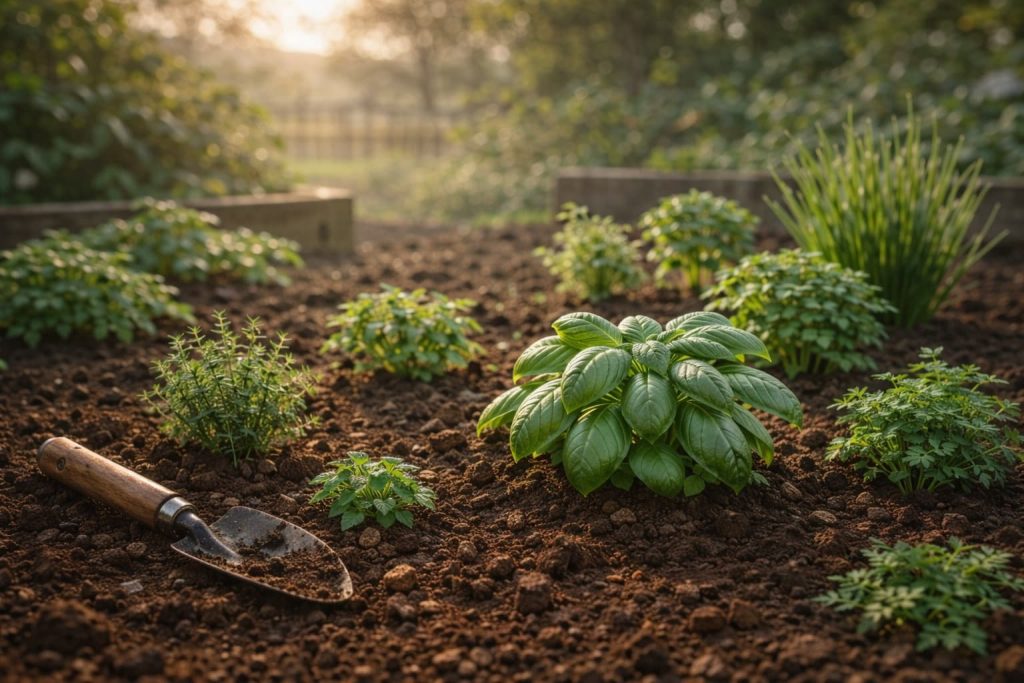
This image establishes the ideal herb-growing environment:
- terracotta pots
- well-draining soil
- strong natural sunlight
- compact healthy growth
Readers instantly recognize what a healthy herb setup looks like.
Why April Is the Perfect Time to Start Herbs
Early spring provides the conditions herbs naturally evolved to grow in.
1 Warmer temperatures
Most culinary herbs thrive between:
18–26°C (65–78°F)
April temperatures begin to support consistent growth.
2 Longer daylight hours
Herbs rely heavily on sunlight to produce aromatic oils.
Spring provides:
- longer days
- stronger sunlight
- faster metabolism
3 Soil begins warming
Warmer soil encourages:
- root expansion
- microbial activity
- nutrient absorption
This is why herbs planted in April often establish quickly.
8 Easy Herbs You Can Start in April
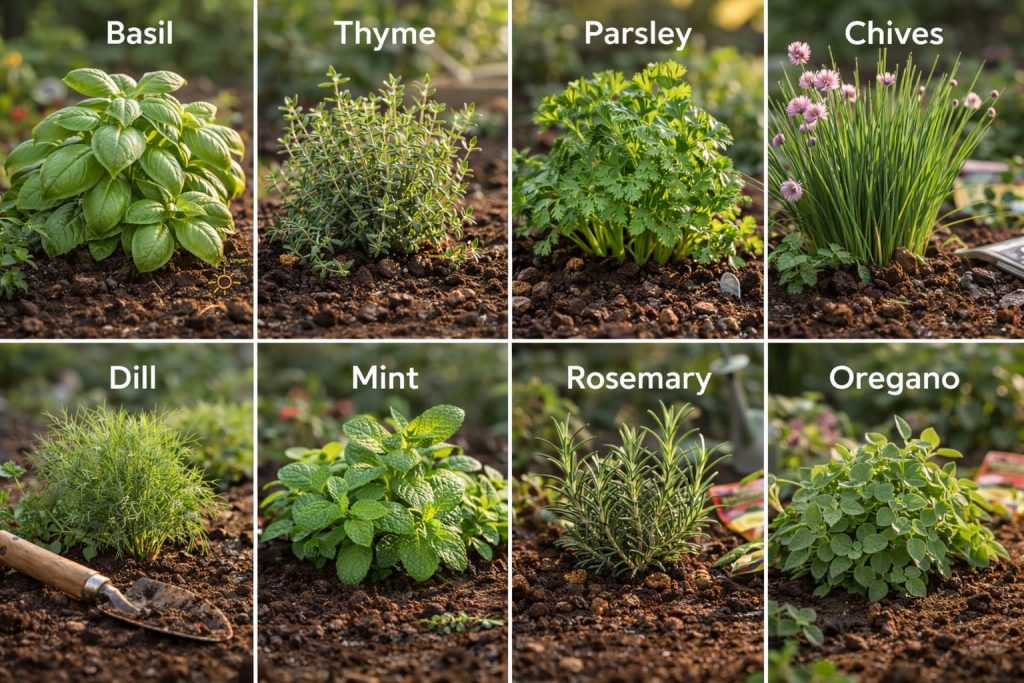
These herbs are among the most beginner-friendly plants for spring gardens.
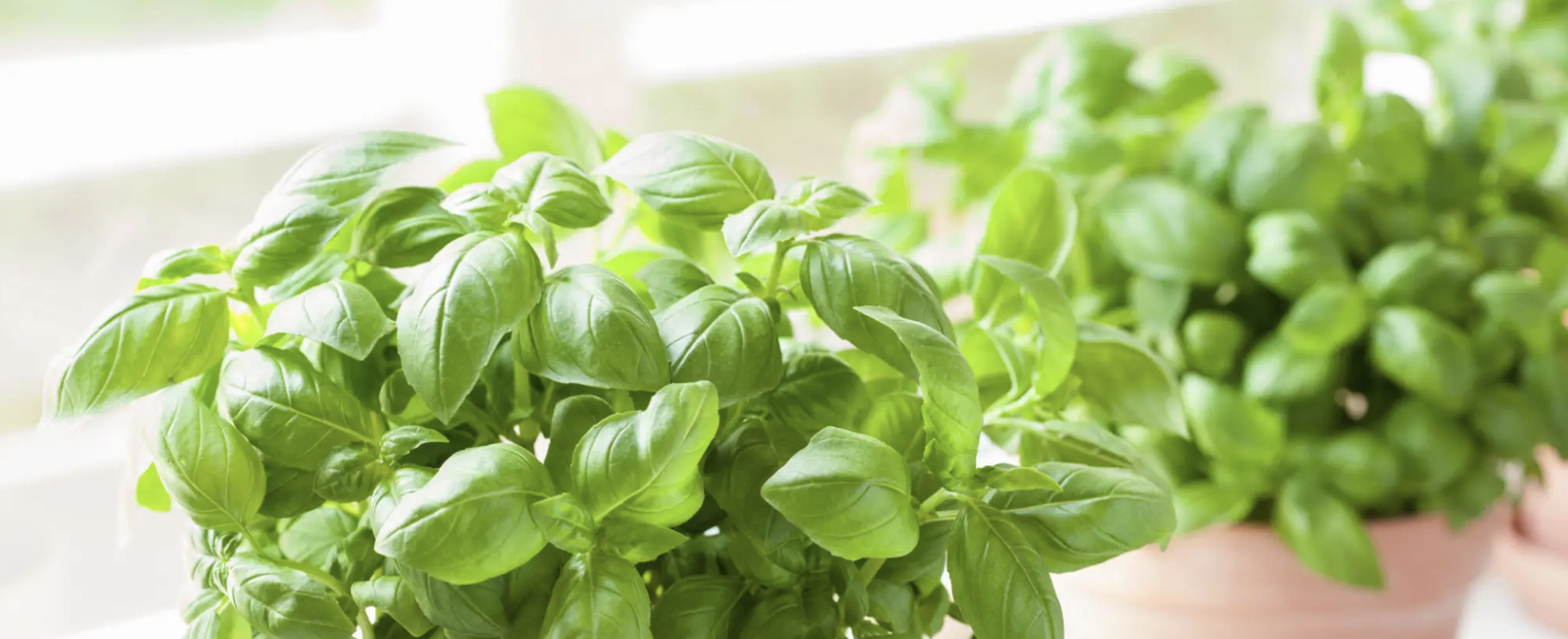
Basil
Basil is one of the fastest-growing herbs.
Growing tips
Sunlight: 6–8 hours
Watering: keep soil slightly moist
Container: 20–25 cm pot
Frequent harvesting encourages bushier growth.
Rosemary
Rosemary is a Mediterranean plant adapted to dry climates.
Key requirements:
- strong sunlight
- fast-draining soil
- moderate watering
It can live many years in containers.
Thyme
Thyme thrives in:
- sandy soil
- full sun
- smaller containers
It is extremely drought-tolerant.
Parsley
Parsley grows well in:
- containers
- raised beds
- indoor windowsills
It prefers consistent moisture and rich soil.
Chives
Chives are extremely low-maintenance.
They tolerate:
- cooler temperatures
- partial sun
- frequent harvesting
Dill
Dill grows rapidly and produces aromatic foliage.
It prefers:
- deep containers
- full sunlight
- well-drained soil
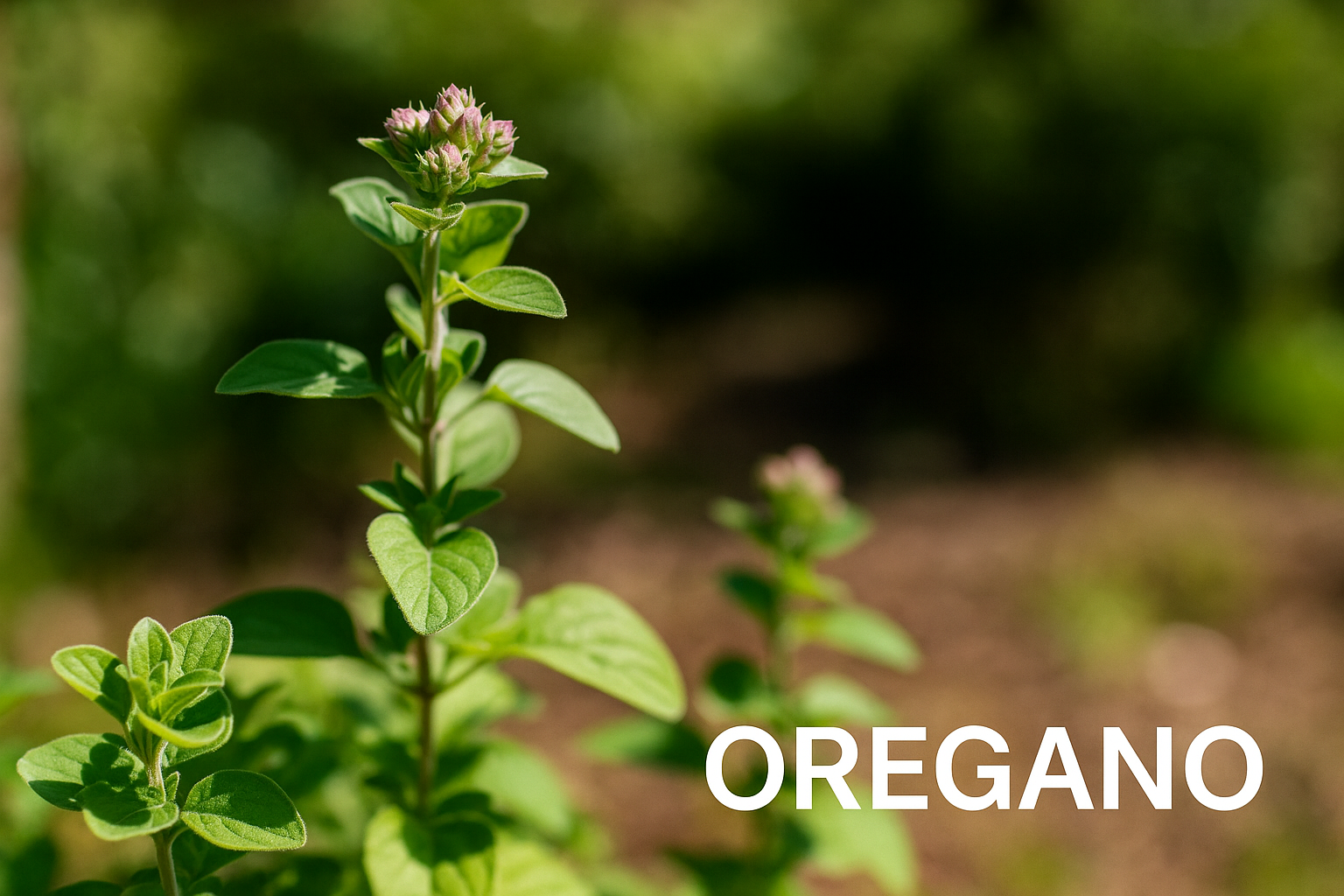
Oregano
Oregano is extremely resilient.
It thrives in:
- dry soil
- full sun
- moderate watering
Mint
Mint grows vigorously and spreads quickly.
For best results:
- grow in containers
- harvest regularly
- provide partial sunlight
Indoor vs Outdoor Herb Gardens
Herbs can grow both indoors and outdoors.
Indoor herb garden
Ideal for:
- apartments
- kitchens
- colder climates
Requirements:
- bright window
- good drainage
- moderate watering
Outdoor herb garden
Advantages:
- stronger sunlight
- faster growth
- larger plants
Many gardeners maintain both indoor and outdoor herbs.
Beginner Mistakes to Avoid
Overwatering
The most common beginner mistake.
Many herbs prefer slightly dry soil between watering.
Poor drainage
Heavy soil traps moisture and damages roots.
Use soil mixes containing:
- sand
- perlite
- gravel
Low light
Insufficient sunlight causes:
- leggy stems
- pale leaves
- slow growth
Most herbs need 6–8 hours of sunlight daily.
Final Thoughts
Starting a herb garden in April is one of the easiest ways to begin gardening.
Herbs grow quickly, adapt well to containers, and provide fresh ingredients for everyday cooking.
With proper sunlight, well-drained soil, and regular harvesting, a small herb garden can thrive throughout the entire growing season.
For many gardeners, herbs become the first step toward a lifelong passion for gardening.