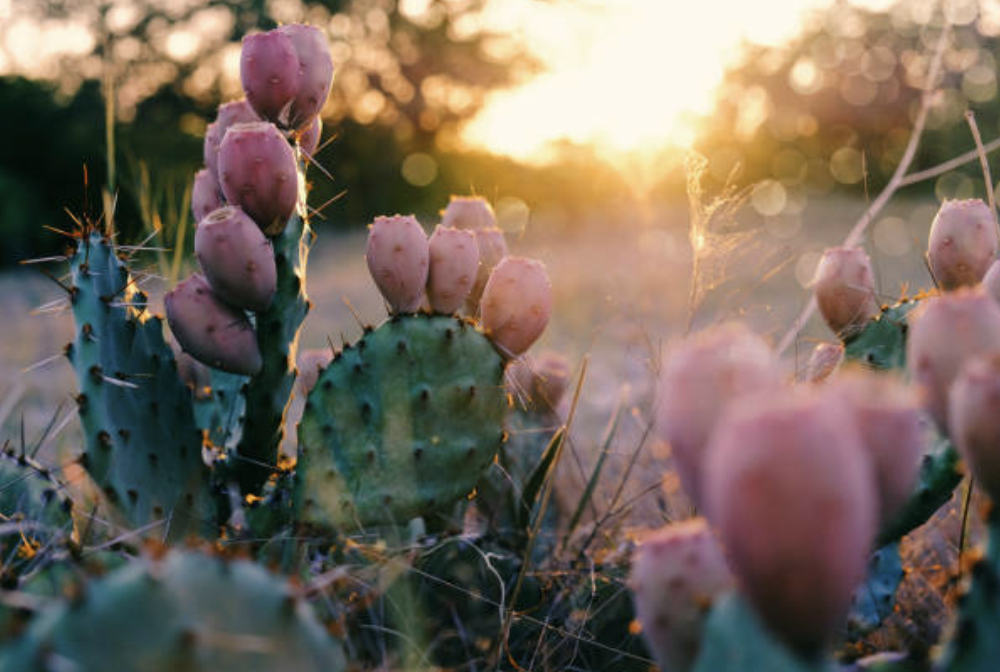
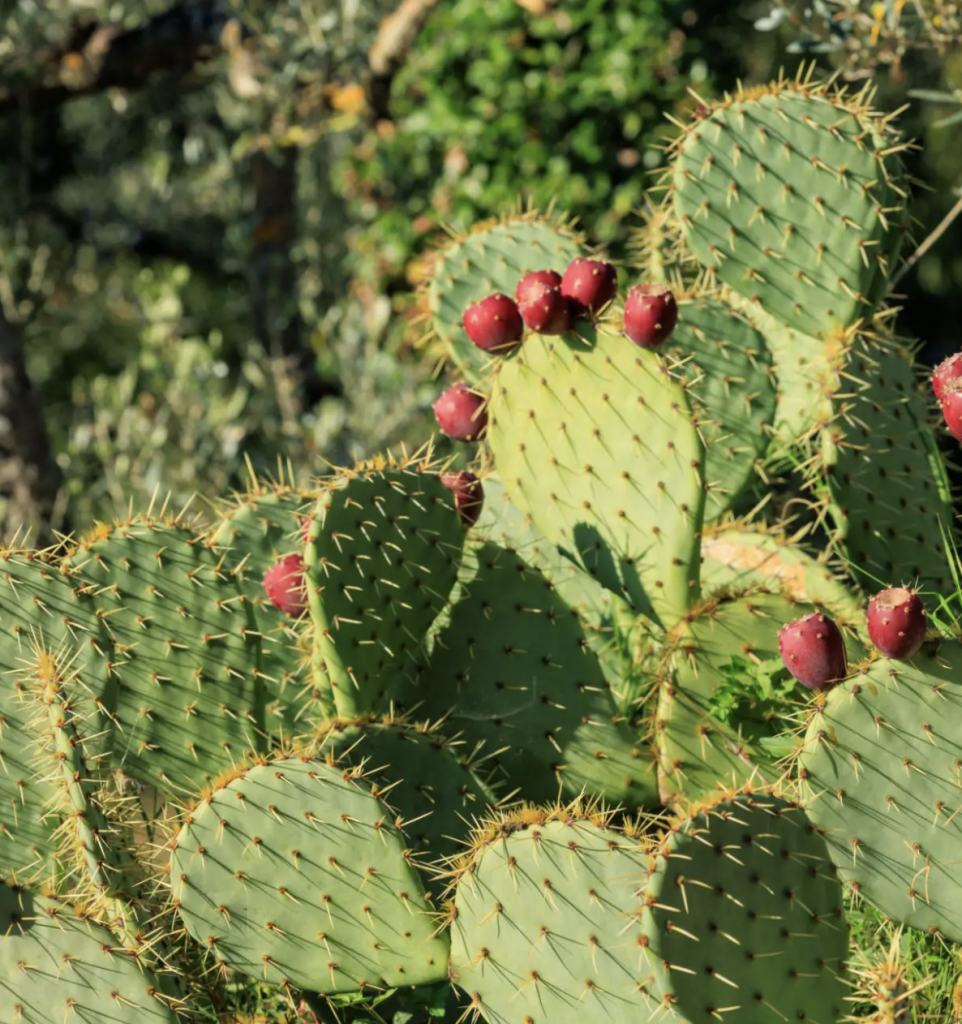
Discover the beauty, resilience, and edible charm of Opuntia — a must-have cactus for your water-wise garden.
“Nothing draws attention like a blooming prickly pear casting shadow over sunlit gravel — it’s the desert’s version of fireworks.”
What Is Opuntia?
Botanical name: Opuntia spp.
Common names: Prickly Pear, Paddle Cactus
Plant Family: Cactaceae
Plant type: Clumping, flat-padded cactus (shrub or low-growing) Native Range: North and South America — especially Mexico and the southwestern United States
Why Grow Opuntia in Your Garden?
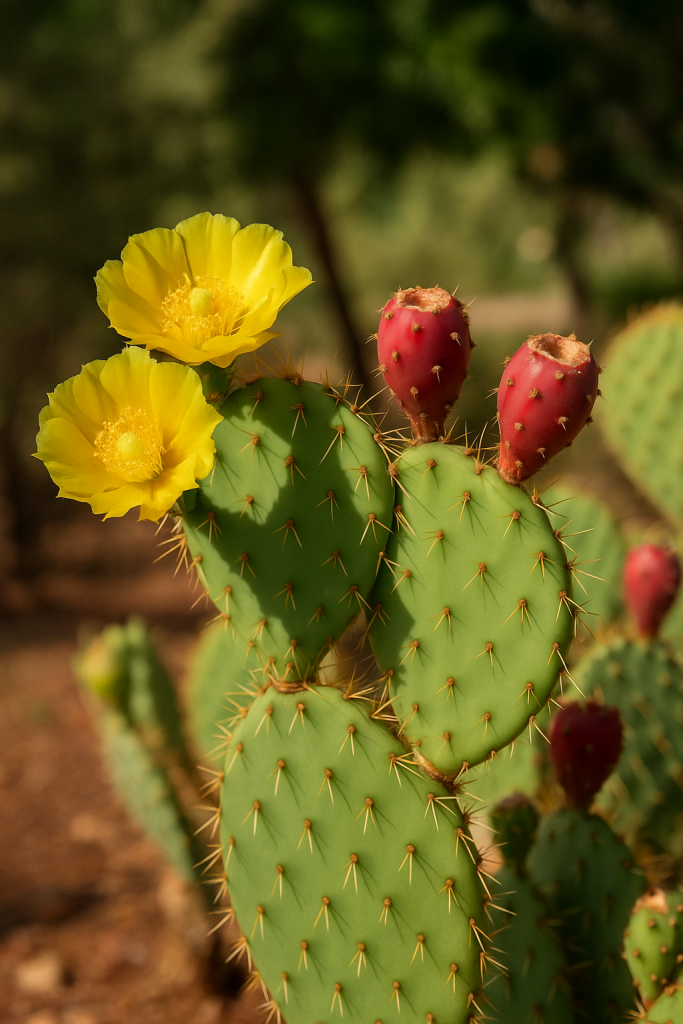
- Striking flowers in yellow, orange, or red
- Edible fruits (prickly pears) and young pads (nopales)
- Extremely drought-tolerant and low-maintenance
- Adds bold desert texture and color contrast to gravel beds or borders
Ideal Conditions
| Requirement | Recommendation |
| Light | Full sun (6–8+ hours/day) |
| Soil | Sandy or rocky with excellent drainage |
| Zone | USDA 8–11 (can overwinter in pots in colder zones) |
| Temperature | Tolerates heat; some varieties withstand light frost |
How to Plant Opuntia (Step-by-Step for Beginners)
- Pick a sunny, dry site with space for spreading
- Amend heavy soil with sand or gravel to ensure drainage
- Use gloves/tongs to handle pads (spines + glochids!)
- Plant pads upright with the cut edge just beneath the soil
- Do not water for the first 1–2 weeks (let roots form)
- Once rooted, water only when soil is completely dry
Watering Tips
- Water every 2–3 weeks in summer (or less with rainfall)
- Avoid overwatering — rot is the #1 killer
- No water needed in winter
Flowering & Fruiting
- Flowers appear in late spring to early summer
- Fruit ripens in late summer to early fall
- Wear gloves when harvesting prickly pears (remove glochids before eating!)
💬 “Harvesting your first cactus fruit is a small but wild joy.”
Pruning & Propagation
- Prune to shape or remove old pads in early spring
- Propagate by cutting a healthy pad, drying for 2–3 days, then planting upright
Safety & Companion Tips
- Keep away from walkways or pets (pads can detach easily)
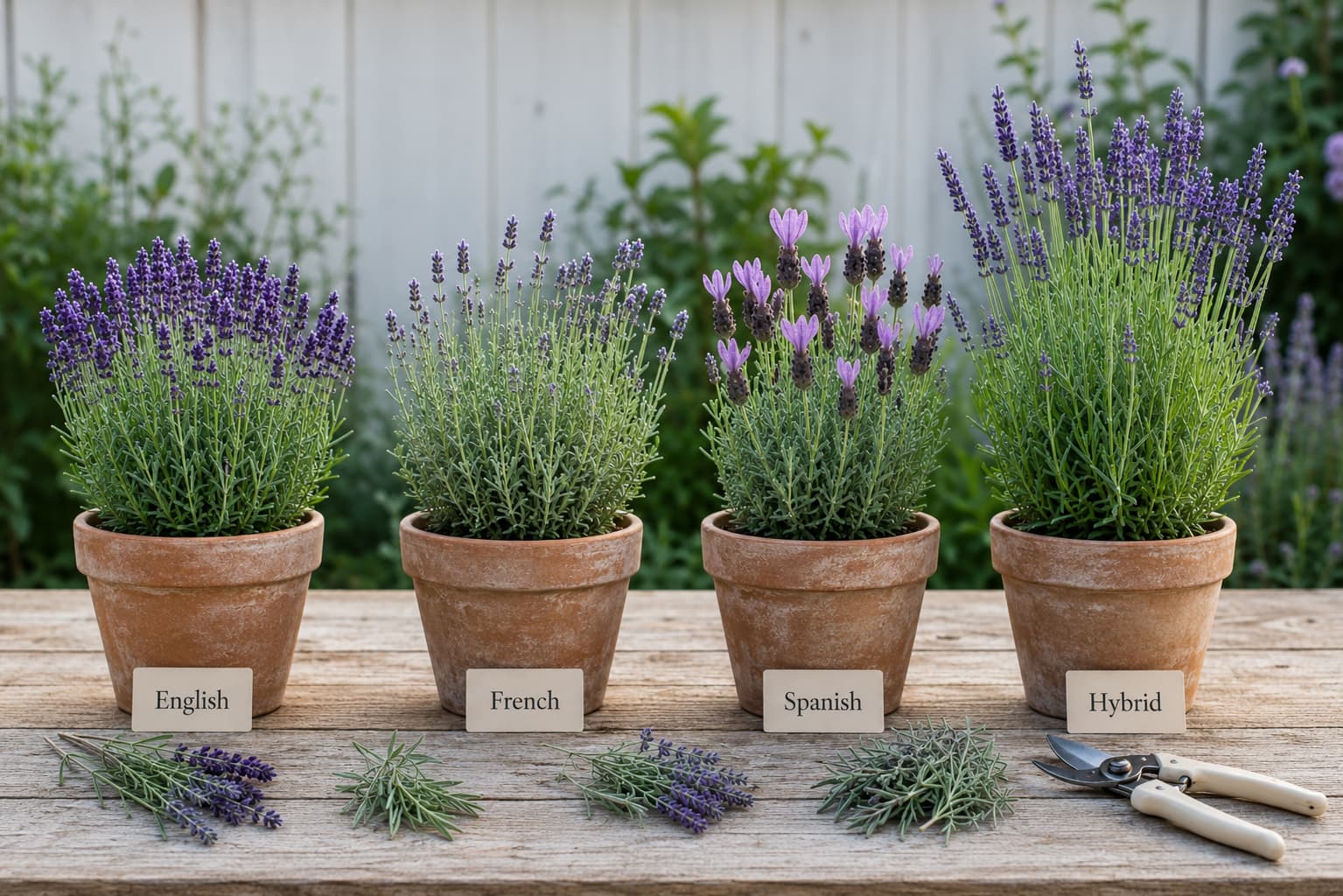
- Companion plant with Agave, Yucca, Lavender, or Rockrose
- Great in dry Mediterranean, southwestern, or coastal garden styles
Seasonal Care Cheat Sheet
| Season | What to Do |
| Spring | Plant new pads, expect blooms |
| Summer | Minimal watering, fruit may form |
| Fall | Harvest fruit, reduce watering |
| Winter | Leave dry; protect potted plants from hard frost |
Frequently Asked Questions
Q: Can Opuntia survive in cold climates?
A: Most varieties are hardy in USDA zones 8–11. In colder zones, grow them in pots and overwinter indoors.
Q: Are Opuntia fruits safe to eat?
A: Yes, the fruits (tunas) are edible once the spines and glochids are removed carefully.
Q: How do I remove glochids safely?
A: Use gloves and tongs, and singe the pads or fruit with a flame to burn off glochids before handling.
Want a copy to keep in your shed or garden bag?
👉 Click here to download your FREE Opuntia Care PDF
Grow with ease. Grow with Greenmuse.
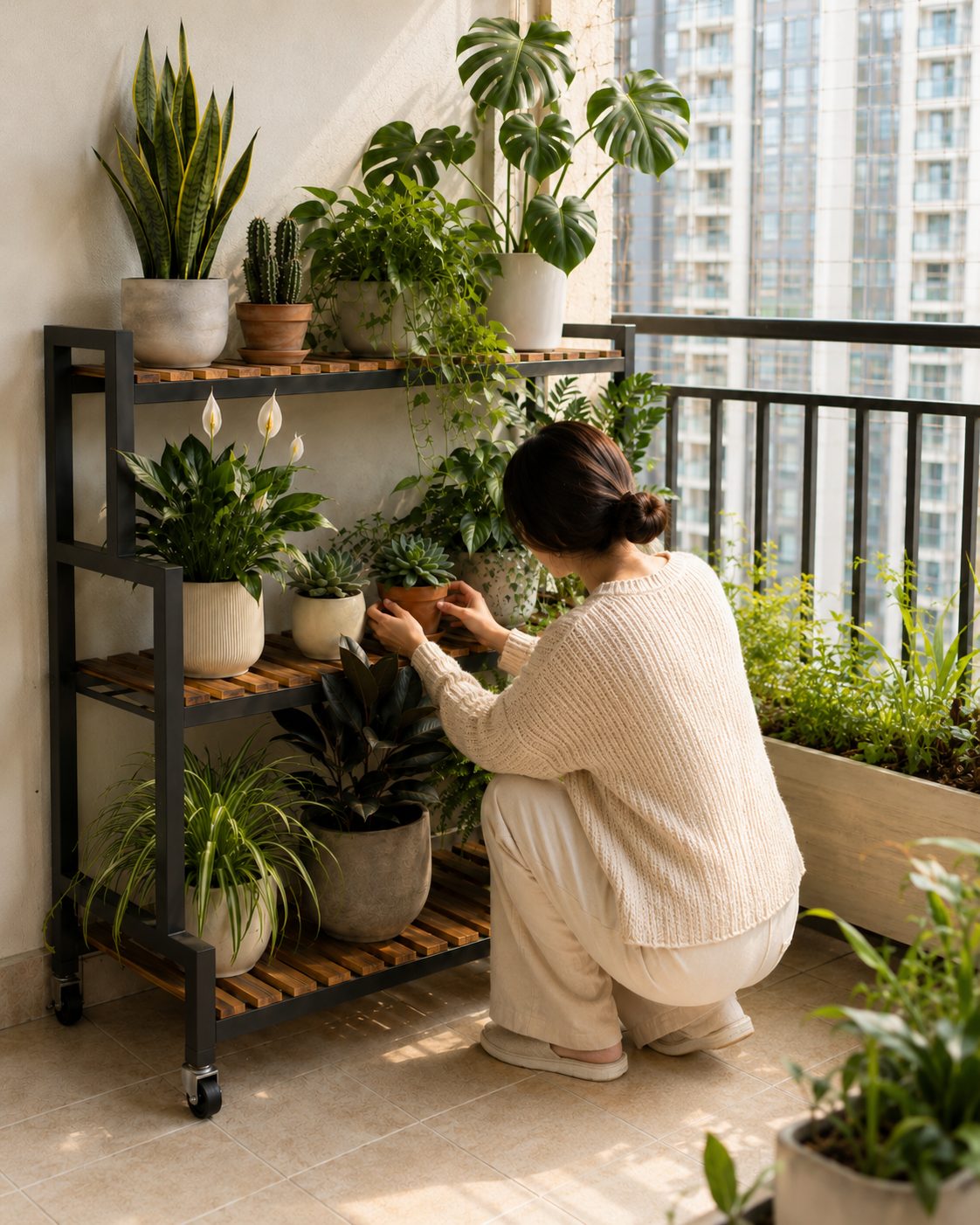
Clara Moss is the gardener behind Greenmuse. Over the past 10+ years, she has grown herbs on windowsills, tested cactus and succulent soil mixes, rescued struggling houseplants, and learned many lessons through trial and error. Greenmuse is where she shares honest, practical plant care advice for real homes — based on hands-on experience, not perfect greenhouse conditions. When she’s not writing, Clara is usually propagating succulents or trying to keep a calathea happy.